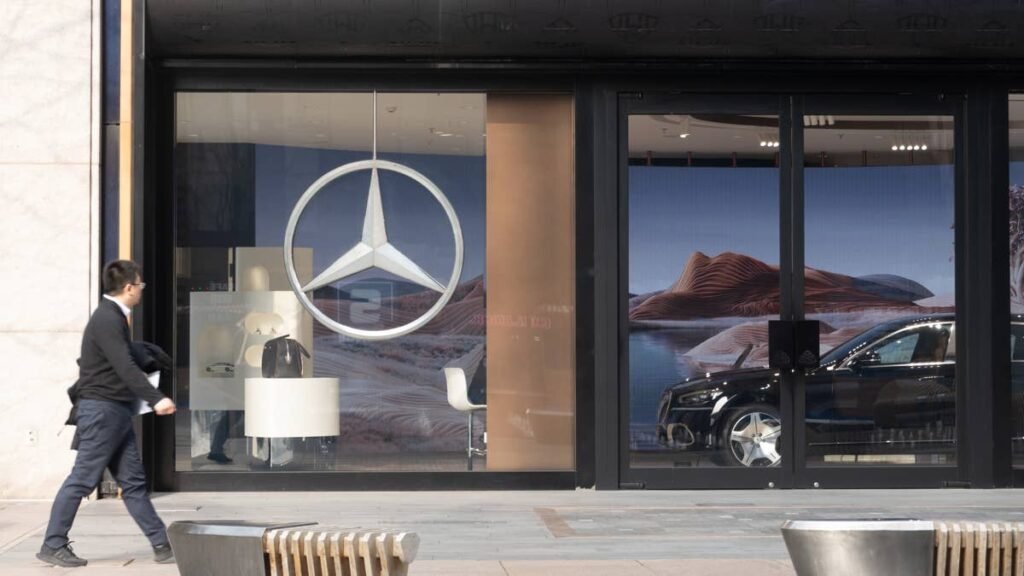
For decades, German engineering was the ultimate status symbol in the world’s largest auto market. Today, that legacy is unraveling at an alarming pace. Mercedes-Benz, BMW, and Volkswagen are helplessly watching their market share vanish as domestic rivals like BYD and Xiaomi dominate the streets. The situation has become so dire that European automakers are actively collaborating to survive the blistering pace of Chinese innovation.
Despite efforts to pivot, these heavyweights reported staggering second-quarter sales declines of 30% or more, Automotive News reports. While Mercedes executives are scrambling to chase higher volume and stop the bleeding, local manufacturers are gladly absorbing massive profit cuts to steal their customers. The prestige that once guaranteed a premium price tag is no longer enough to win over modern drivers.
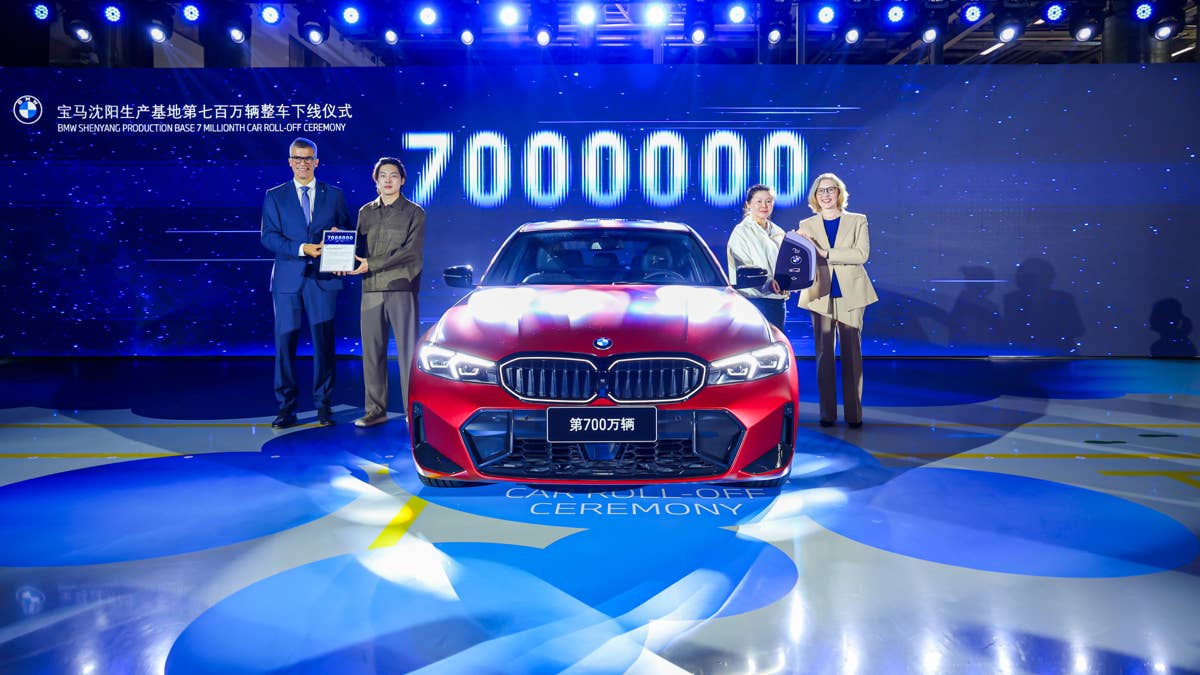
BMW Group
Missteps and Broken Models
Mercedes-Benz recently launched the “So Mc-Benz” campaign alongside McDonald’s, swapping its iconic hood star for a cheeseburger figurine on the all-electric CLA. The gimmick failed spectacularly. Mercedes sold a meager 1,153 units in the first half of the year, while Xiaomi delivered over 80,000 similarly priced SU7 sedans. Mercedes sales took a massive hit because local buyers firmly rejected the brand’s clunky voice controls in favor of hyper-connected, domestic alternatives.
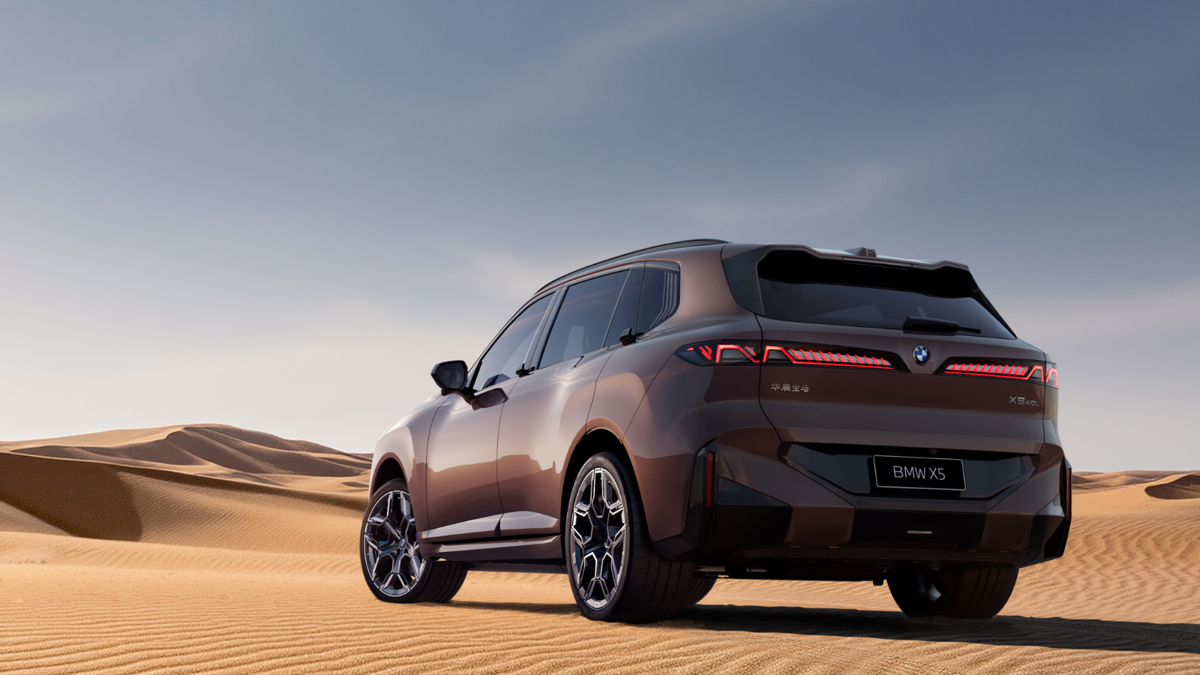
BMW is faring no better. The Bavarian automaker slashed its profit margin projections to a dismal 1% for the year, largely due to its collapse in China. While betting heavily on its upcoming electric Neue Klasse lineup, uncompetitive pricing continues to plague the brand. Because of this steep decline, BMW jobs are suddenly on the line worldwide, as models like the iX3 remain drastically more expensive than a superior, China-specific Tesla Model Y.
Volkswagen is facing perhaps the most existential crisis of the trio. CEO Oliver Blume bluntly admitted the company’s business model is fundamentally broken, setting the stage to shutter domestic factories. As the brand desperately partners with Chinese manufacturers, Xpeng and SAIC, to salvage its standing, some analysts warn Volkswagen might eventually be swallowed entirely by the very Chinese competitors it once mentored.
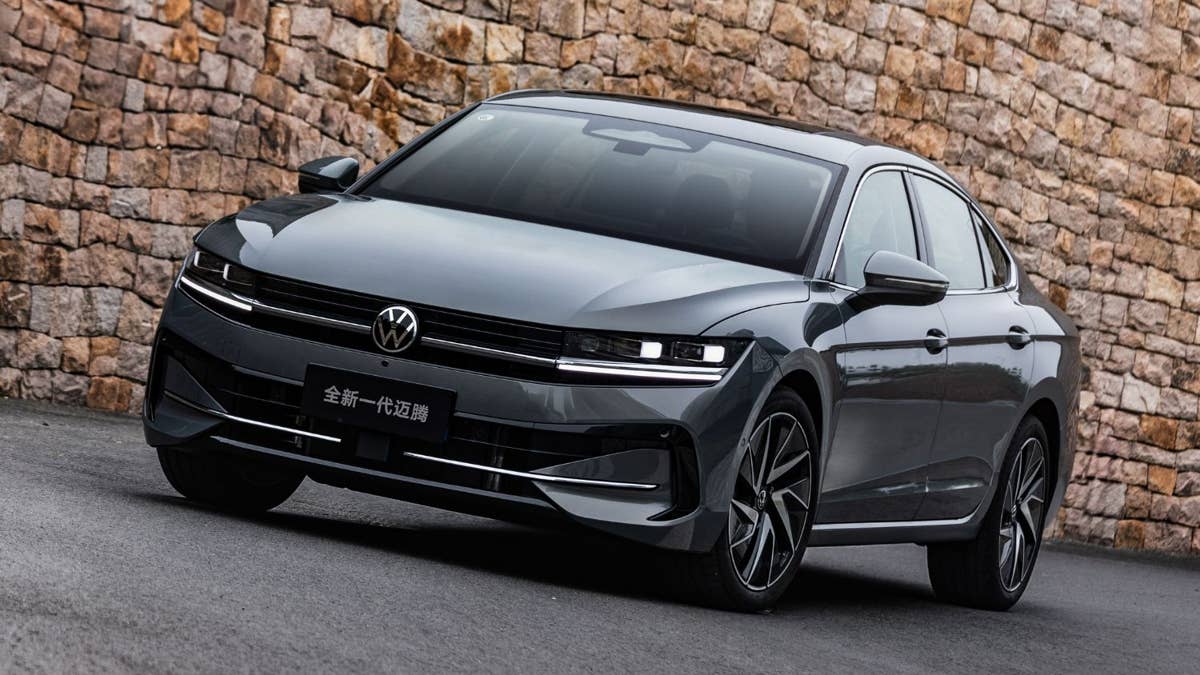
Volkswagen
The Brutal Reality Check
The fundamental issue is speed. German automakers still operate on a lethargic four-year development cycle rooted in the gasoline era. Conversely, the Chinese electric vehicle market operates exactly like the fast-paced consumer electronics sector, churning out heavily updated, software-loaded cars every 18 months. When legacy brands try to compete with standard driving dynamics, they completely miss that Chinese buyers demand smartphone-first entertainment, flawless AI, and rapid iteration.
The days of coasting on a century-old badge are officially over. Until these giants can match “China Speed” and deliver cutting-edge technology without the exorbitant premium, they will continue to bleed out. The reality is harsh but clear: if you cannot build a digital spaceship on wheels at a competitive price, you simply have no business in the modern Chinese auto market.