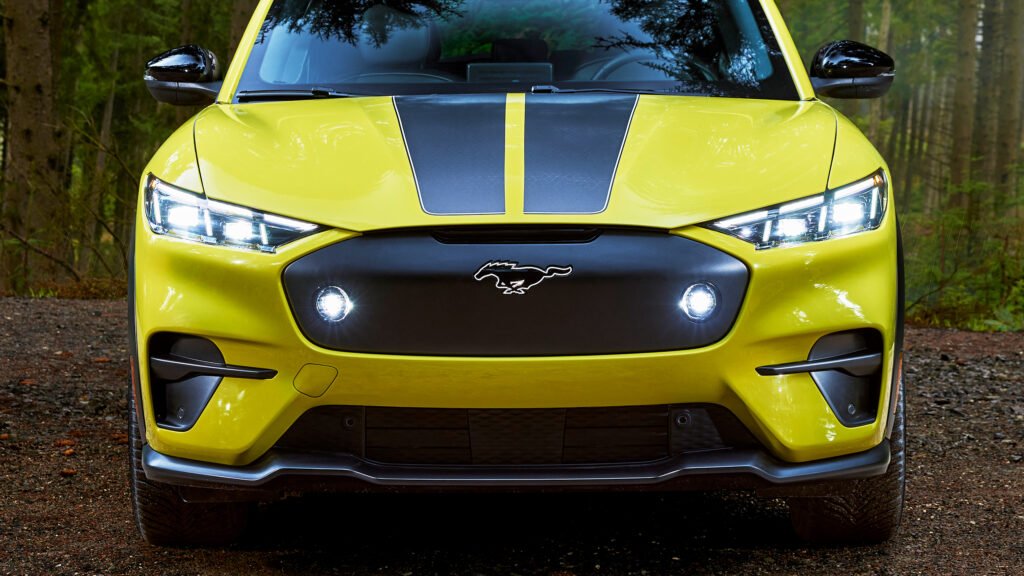
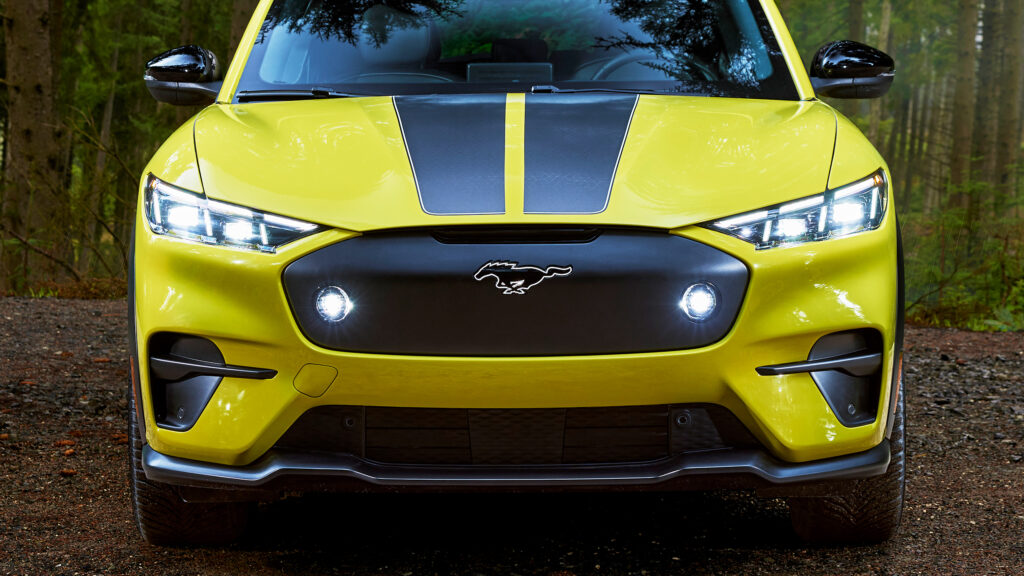
- The Mustang Mach-E may not survive into a second generation.
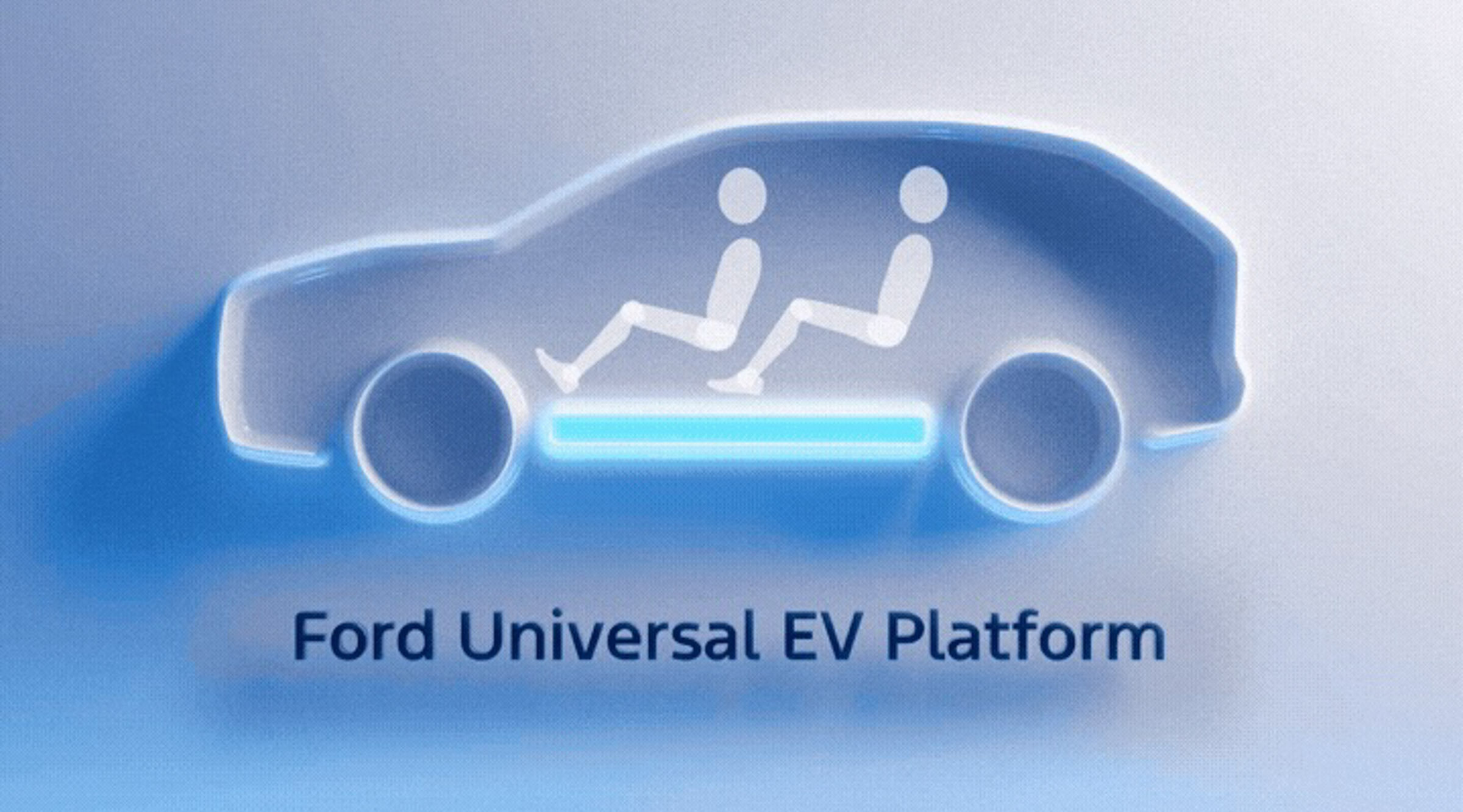
- Ford’s new Universal EV platform will launch next year with a pickup.
- Jim Farley admits Ford built its first EVs the wrong way.
Could Ford’s new Universal EV platform spell the end of the Mustang Mach-E? Recent comments from the automaker suggest it’s a real possibility, even if the company isn’t prepared to commit one way or the other right now.
With the F-150 Lightning gone, the Mustang Mach-E stands as the only EV Ford still sells in the United States. The current car will hang around through at least 2027, and a report from last year indicated the model might not see any meaningful upgrades until sometime after 2030. However, even this does not seem guaranteed.
Read: Ford’s $30K Electric Truck Looks So Tiny It Makes A Maverick Seem Grown Up
As part of a campaign to promote the new Universal EV platform, Ford answered a series of questions from its fans. One of them got straight to the point and asked whether the new architecture would underpin a future Mustang Mach-E. The answer was clear.
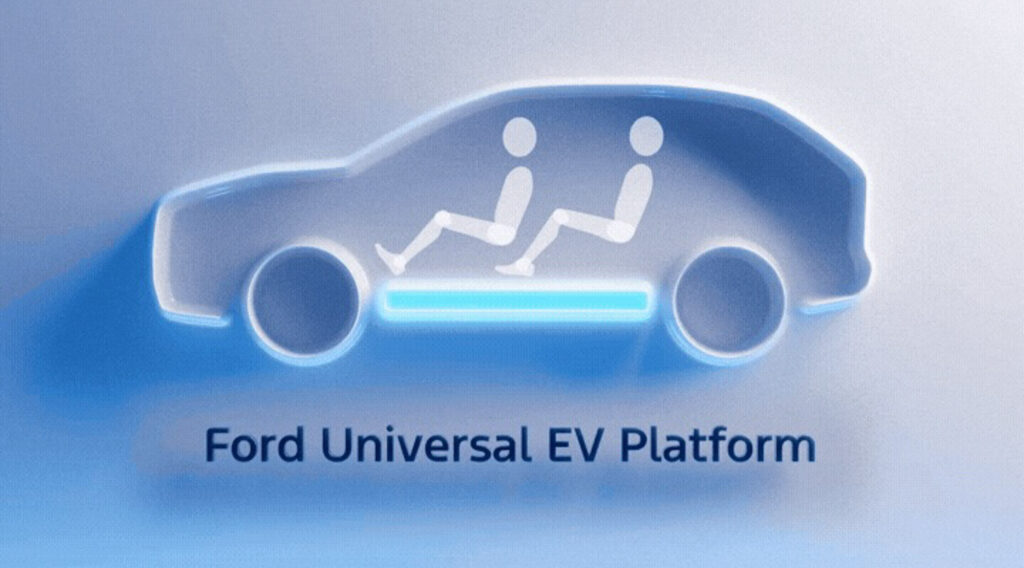
“No, it will not be used for the Mustang Mach-E,” Ford responded. “This platform was built from a clean sheet to maximize vehicle efficiency.”
First-Gen Wasn’t Good Enough
As noted by Ford Authority, Ford boss Jim Farley has said the car manufacturer went about creating its first generation of EVs, including the Mustang Mach-E, in the “wrong way.” The new Universal EV platform will first be used by a compact pickup truck, recently spied up close in the United States. The platform will then be used by several other Ford models.
Had Ford been committed to keeping the Mustang Mach-E for a long time and building it through to a second generation, using this new platform would have been an obvious choice. Now, if it decides to keep selling the Mach-E until 2030, or well beyond that date, it could quickly start to feel outdated compared to Ford’s second-generation EVs. What’s more, it’s reported that the Ford Escape will be revived in all-electric form towards the end of the decade using the UEV architecture, likely further limiting the appeal of the Mach-E.