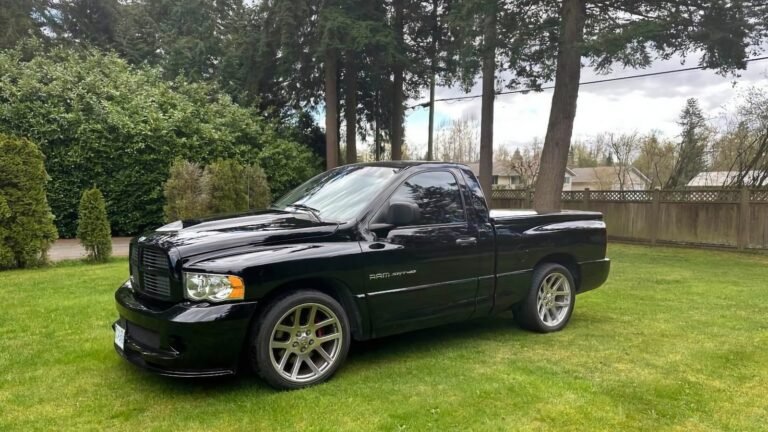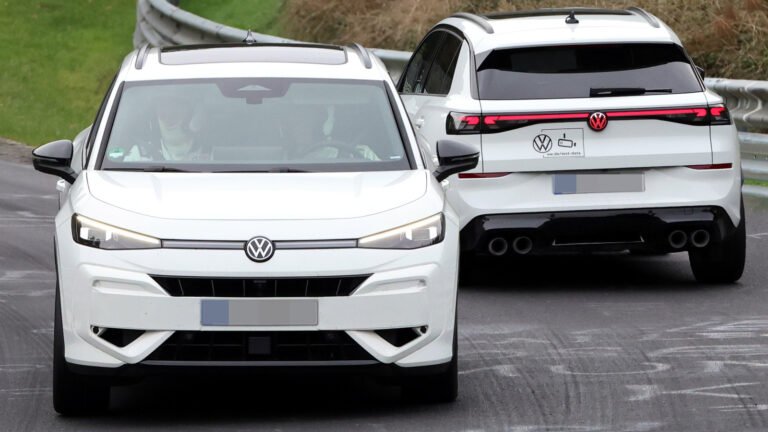
Coming up with a vehicle name sounds like the easiest job in Detroit. You grab a whiteboard, write down a few tough-sounding words like Raptor or Maverick, and call it a day. The reality is far more bureaucratic. Automakers spend millions trying to find a single word that translates across global markets, avoids existing trademarks, and makes buyers actually want to open their wallets.
The stakes are incredibly high. A bad name can derail a launch, while a great one becomes a cultural touchstone. Teams generate hundreds of options for a single trim level, pitching them like lawyers to corporate executives who can veto the entire project on a whim. The process is designed to strip away subjectivity, but everyone in the building still has a personal opinion.
James Riswick
Naming A Car is Apparently a Team Effort
Scott Hauman, Ford’s global head of nomenclature, runs a department that names over 100 features and vehicles annually. According to a recent Ford release, the approval process requires sign-offs from up to 40 different people and rigorous testing with thousands of consumers before the public ever hears a syllable.
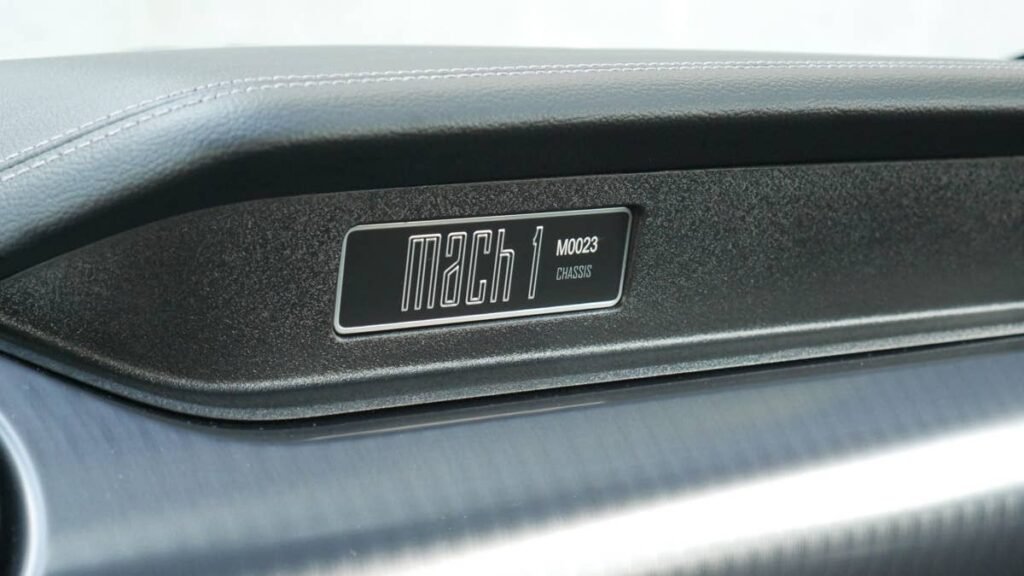
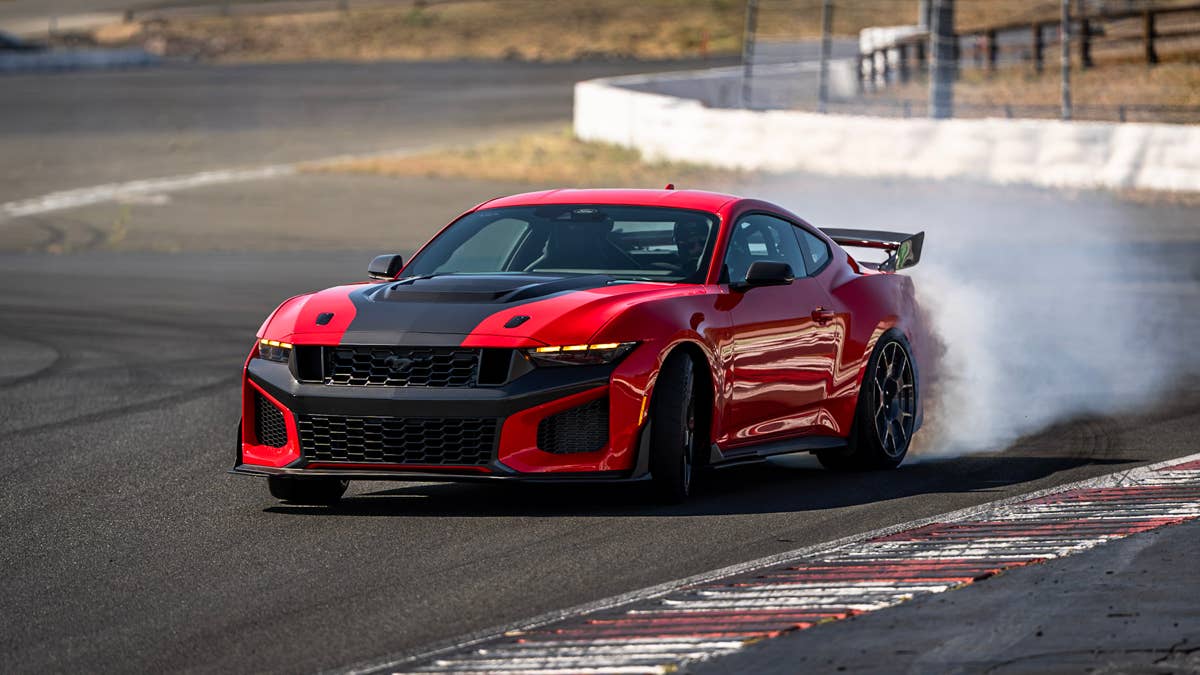
Even a flawless internal pitch can get entirely derailed. The legal team frequently steps in to kill names over trademark disputes or translation issues. Recently, Ford almost used “Mustang Dark Horse Boss” before realizing it sounded ridiculous and deciding to go with “Dark Horse SC.” Getting a word past the legal department is often the hardest part of the job.
The process forces naming teams to keep dozens of backup options locked and loaded. A sudden veto from the top means starting over entirely, which makes launching special editions a massive logistical headache. Hauman admits the constant rejection stings, but finding the exact word that resonates with buyers makes the brutal gauntlet worthwhile.
Ford
The Appeal and Pitfalls Of Alphanumeric Naming
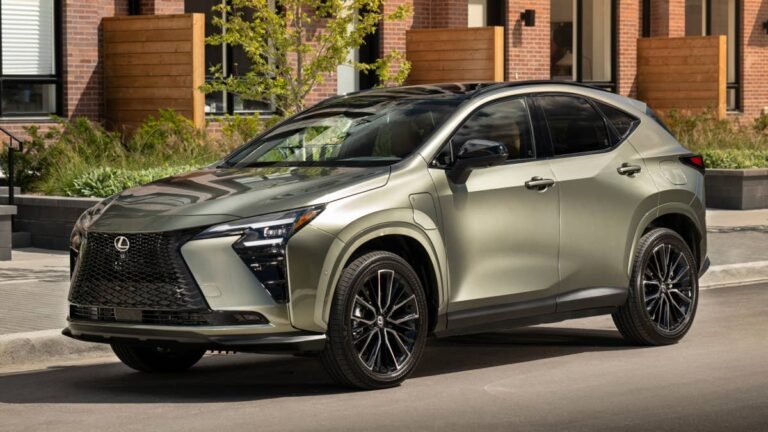
Watching mainstream brands agonize over adjectives makes you realize why luxury cars stick to letters and numbers. Brands like BMW and Mercedes sell more than the nameplate; they sell the badge itself. Their alphanumeric codes instantly establish a clear hierarchy on the road, telling everyone exactly how much you spent without needing a flashy title.
However, that strategy can easily backfire if the lineup gets too bloated. Several Infiniti executives admit their current naming structure is confusing buyers and actively hurting brand recognition. There needs to be a balance. Whether you use a math equation or an aggressive animal name, the badge on the trunk only matters if people actually know what it means
Infiniti