Refusing to Go Full-Time V8
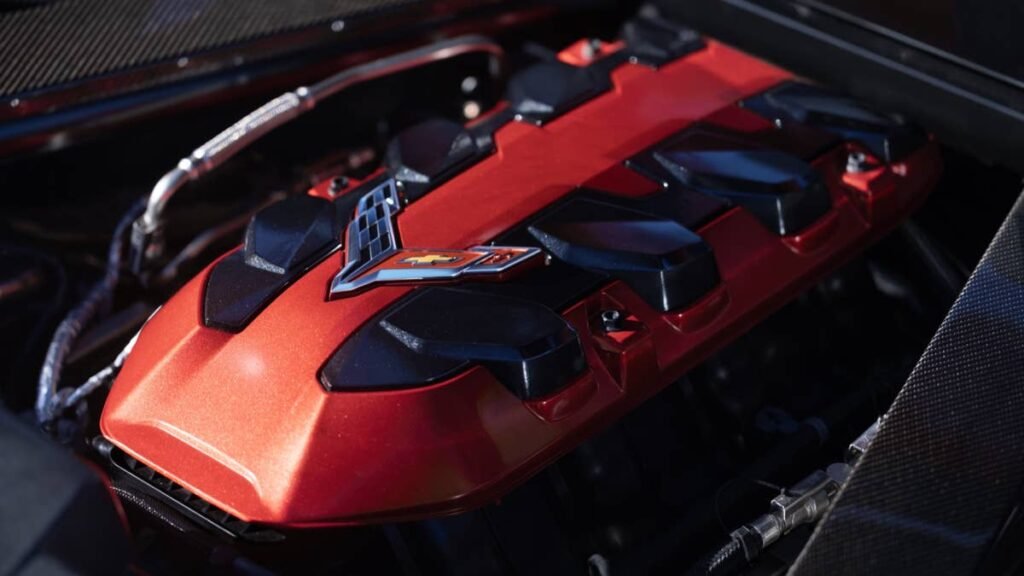
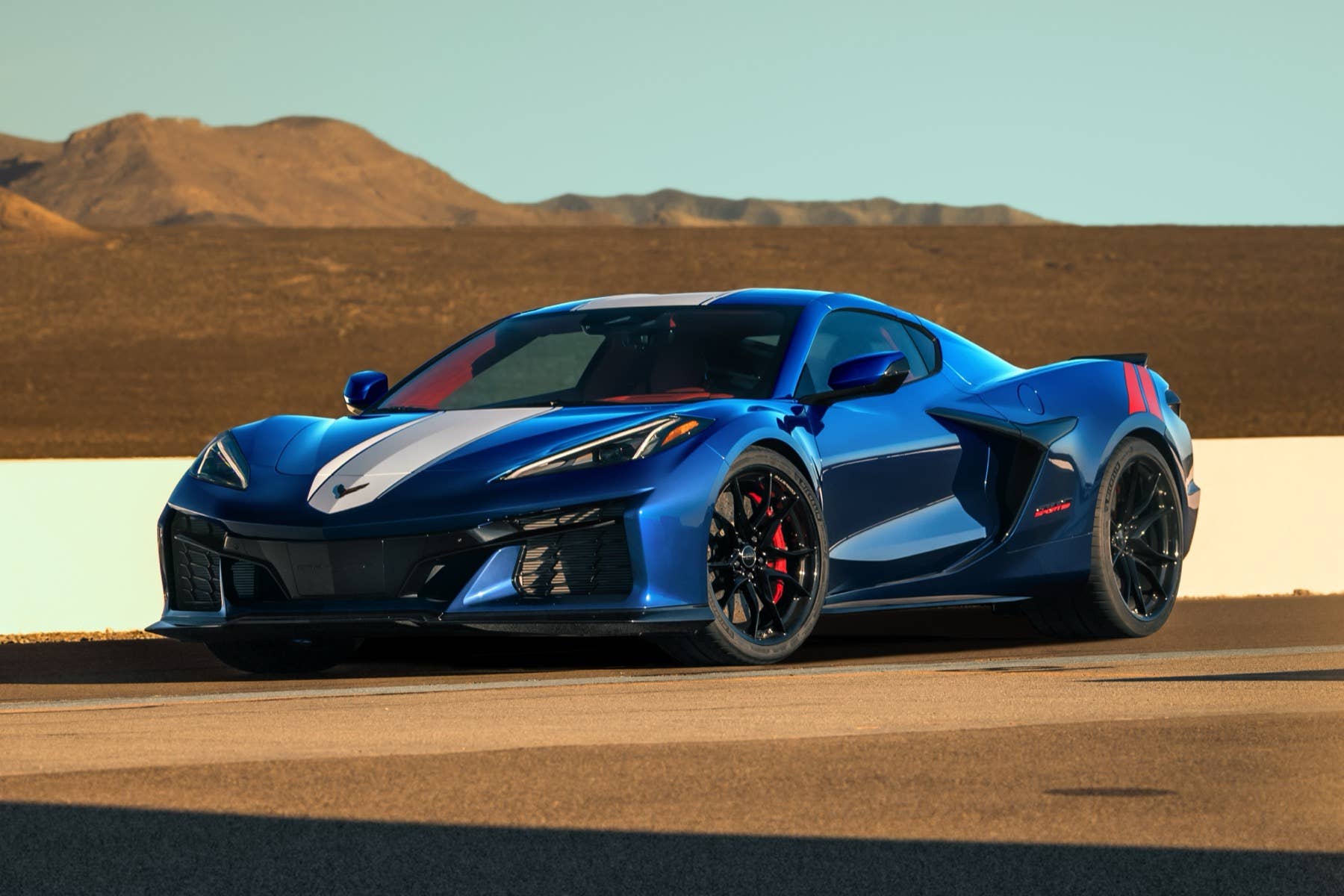
One of the most significant updates to the 2027 Chevrolet C8 Corvette is the addition of a new small-block V8 called the LS6. While the 6.7-liter LS6 provides a horsepower bump over the outgoing LT2, it retains the fuel-saving technology known as Active Fuel Management (AFM) instead of switching to Dynamic Fuel Management (DFM).
Both AFM and DFM are cylinder-deactivation technologies designed to improve fuel efficiency. However, some owners disable or remove them because the systems add complexity and have been associated with potential reliability issues, particularly involving their specialized lifters. DFM is the more sophisticated version, capable of deactivating between one and seven cylinders depending on driving conditions, while AFM shuts down a fixed set of four. The LS6’s use of the simpler AFM system could reduce complexity compared with DFM.
The MPG Bill Arrives
AFM should help the Corvette conserve fuel, which may not sound as important in a high-performance sports car as it does in a mass-market model like the Toyota Camry. Still, it could be useful for owners looking to save at the pump – especially since the 2027 model’s EPA ratings are lower than those of its predecessor.
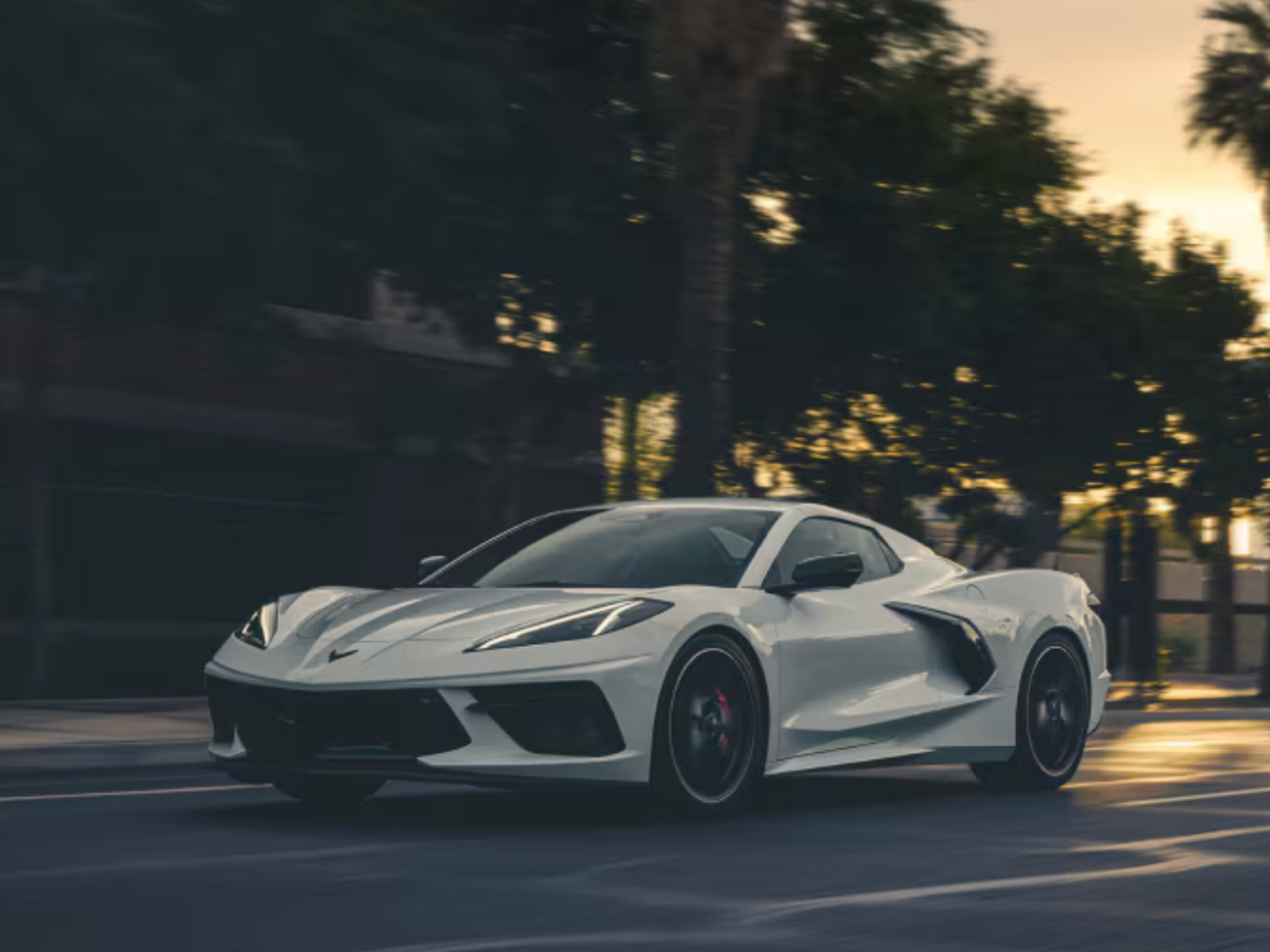
The EPA rates the 2027 Stingray at 15 mpg city, 1 mpg lower than the 6.2-liter LT2 model. Consequently, its combined rating falls from 19 to 18 mpg, despite the highway figure remaining at 25 mpg. The agency’s calculator estimates that the LS6 will cost approximately $1,250 more to fuel over five years than its predecessor. Its estimated total range also falls by 22 miles, from 352 to 330 miles. Natural Resources Canada reports similar figures, rating the new Corvette at 12.9 liters per 100 kilometers combined, equivalent to about 18.2 mpg.
Meanwhile, the Grand Sport, which adds track-focused upgrades and widebody styling, is EPA-rated at 15 mpg city, 23 mpg highway, and 17 mpg combined.
On the bright side, the LS6 produces 535 horsepower, 40 hp more than the LT2. The added power allows the base Corvette Stingray to reach a top speed of 200 mph. The engine also features a 13.0:1 compression ratio, a larger 95-mm throttle body, and a tunnel-ram intake to improve airflow and performance.
General Motors
The Hybrid Wild Card
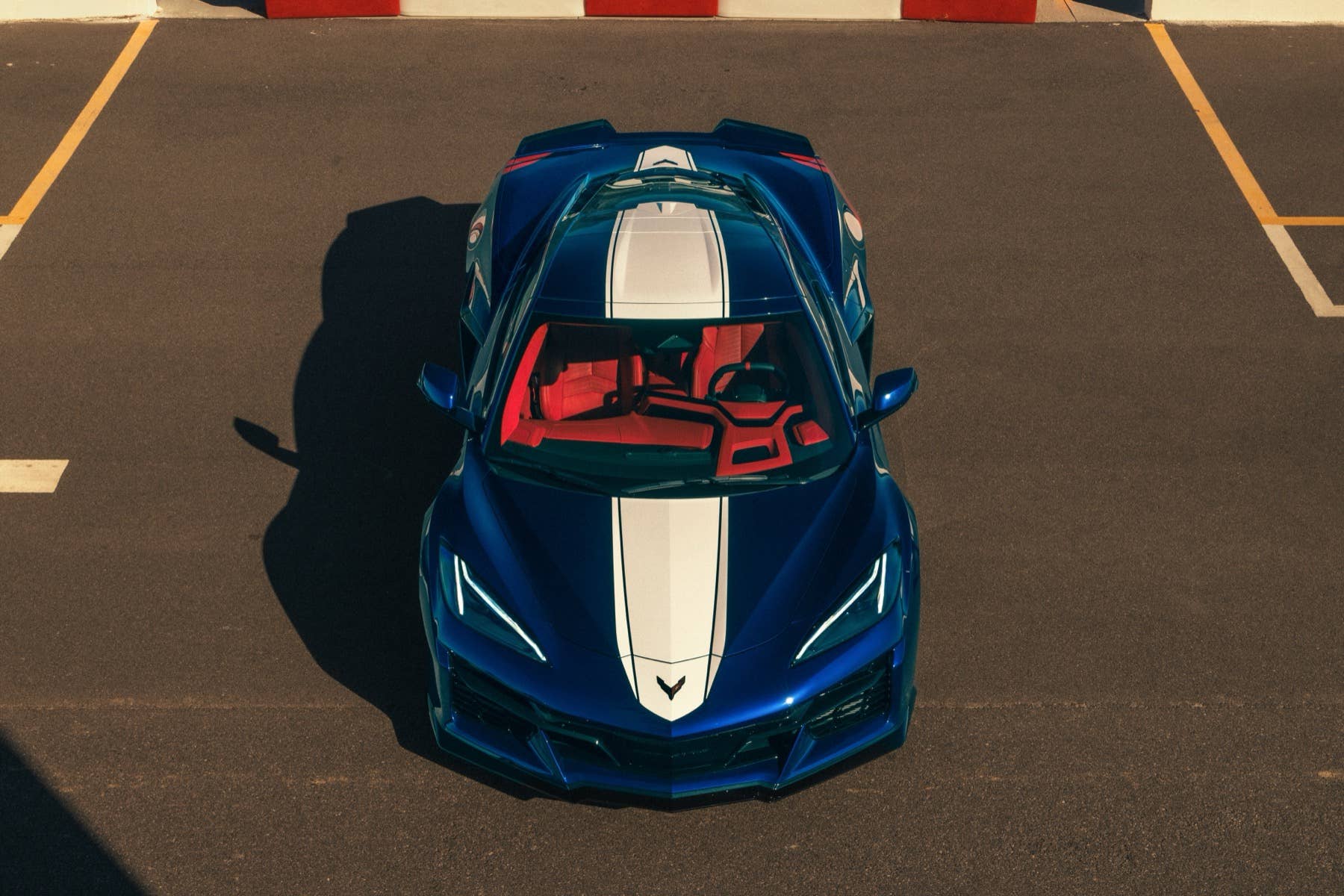
For those interested in an electrified Corvette, there is the Grand Sport X, which pairs the LS6 with a front-mounted electric motor. However, the EPA has yet to release fuel-economy figures for the new hybrid variant, which effectively replaces the E-Ray. Perhaps dropping “E-Ray” may help prevent buyers from mistaking it for a non-existent all-electric Corvette.
Despite the reliability concerns surrounding cylinder deactivation, the technology can help offset fuel consumption as the latest Corvette gains considerably more power.
Chevrolet