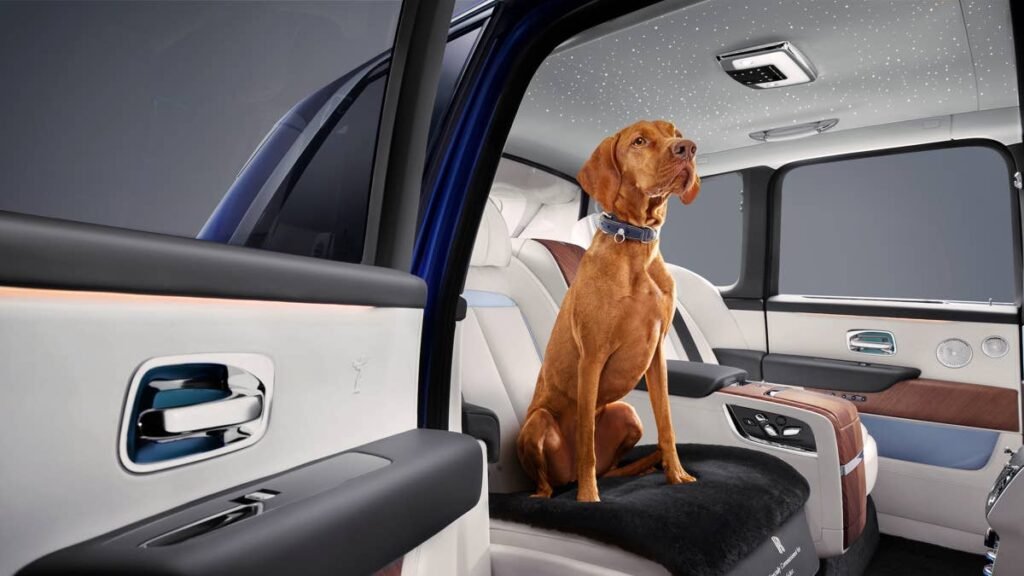
For many Americans, choosing a car isn’t just about fuel efficiency, performance, or passenger space. Their four-legged companions are becoming part of the equation, too. A new survey commissioned by Subaru of America and conducted by Talker Research found that 73 percent of respondents were more likely to drive than fly so they could bring their pets along. The findings suggest that pet-friendly features are becoming an important consideration for people who want their animals to join them on everyday drives and longer road trips.
Pet-Friendly Features Are Becoming A Priority
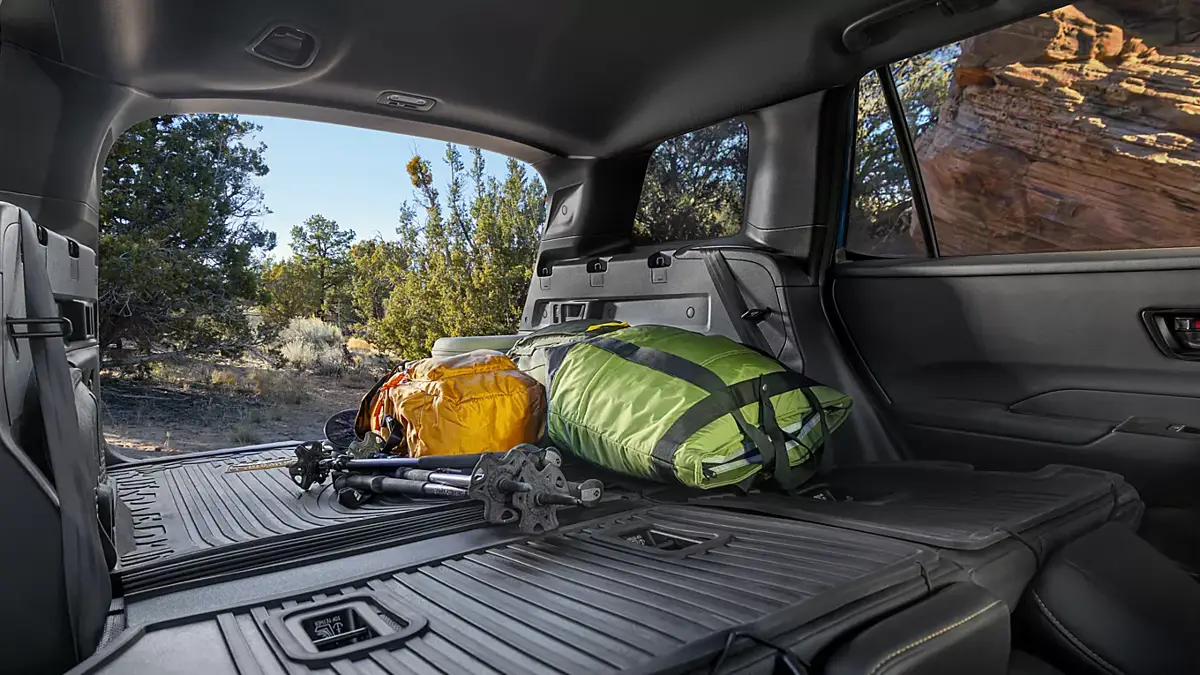
When pets travel in a car, space matters. According to the survey, 32 percent of respondents prioritized having enough room for pets, passengers, and luggage. Good visibility to keep an eye on their animals ranked next at 29 percent, followed by easy-to-clean seats and cargo areas at 27 percent. Another 26 percent said cargo space for crates, carriers, pet beds and other essentials was important.
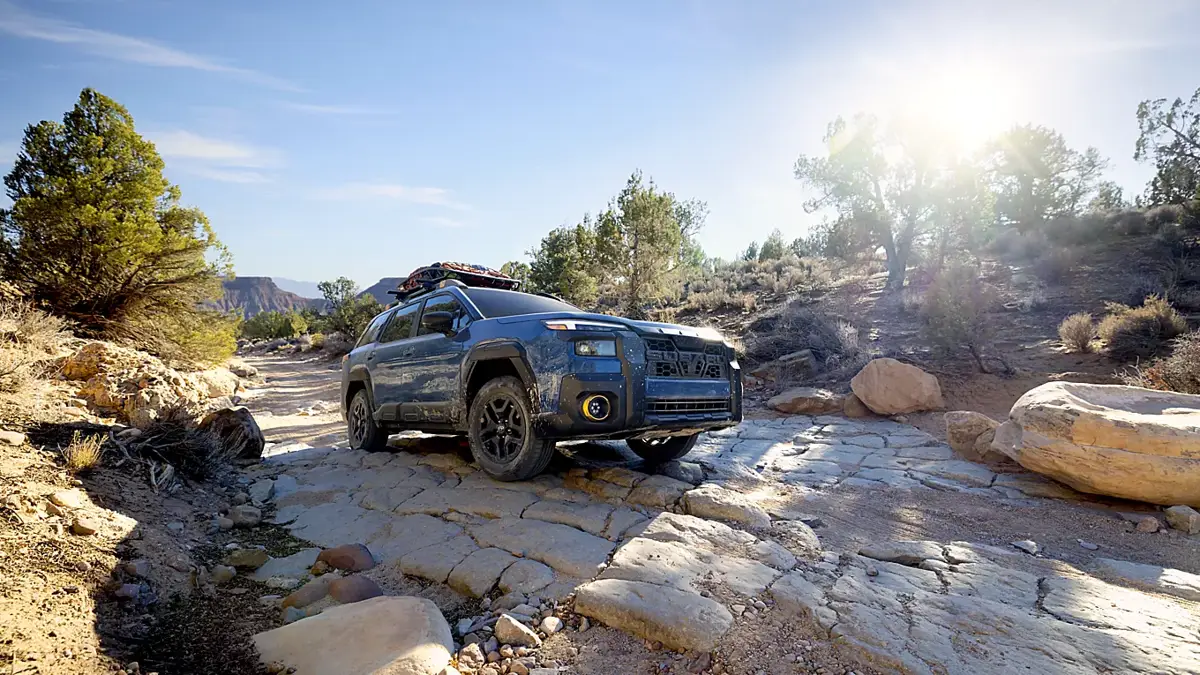
These preferences help explain why thoughtfully designed interiors and cargo areas can make a difference to pet owners. Subaru’s redesigned 2026 Outback, for example, features a multifunctional cargo cover that can serve as a pet barrier and help protect the rear bumper from scratches. It’s a practical example of how automakers can accommodate pets without compromising everyday usability.
Pets Are Influencing More Than Just The Car Itself
The survey suggests that pets affect travel decisions as well as the features drivers look for in a vehicle. More than two-thirds of respondents, or 68 percent, said their pets would influence their holiday travel plans, while 45 percent had turned down travel opportunities that couldn’t accommodate their animals. Among respondents who had traveled with pets, younger generations were more likely than older ones to have taken their animals on road trips in the past five years.
There are limits to what the findings tell us. The online survey covered 2,000 US adults who drive and own cats or dogs, and it was commissioned by Subaru, an automaker with an established pet-friendly brand identity. It measures travel preferences and desired vehicle features rather than proving that pet ownership directly determines which cars people buy. Still, as automakers compete on everyday practicality, designing vehicles that accommodate pets could give them another way to appeal to buyers.