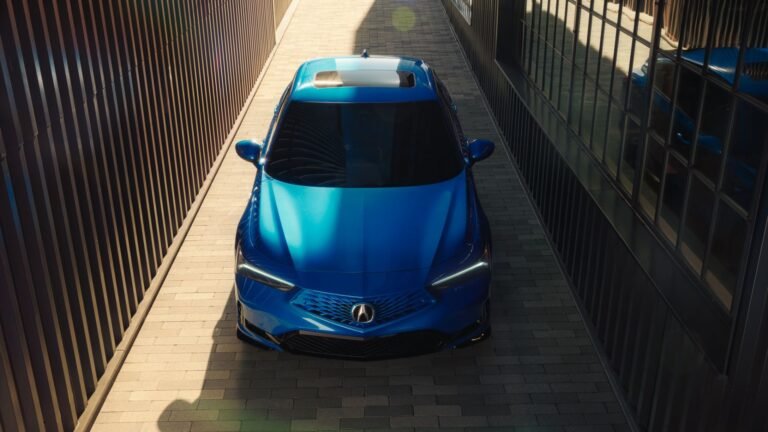
California Governor Gavin Newsom has formally launched the state’s massive $1 billion rebate program specifically targeting electric medium and heavy-duty trucks. Framed aggressively as a countermeasure to federal subsidy rollbacks, the initiative shows that California is willing to unilaterally subsidize the domestic commercial EV market to promote fleet adoption. Authorized retailers are now offering point-of-sale rebates ranging from $7,500 to an enormous $120,000 per vehicle.
Tesla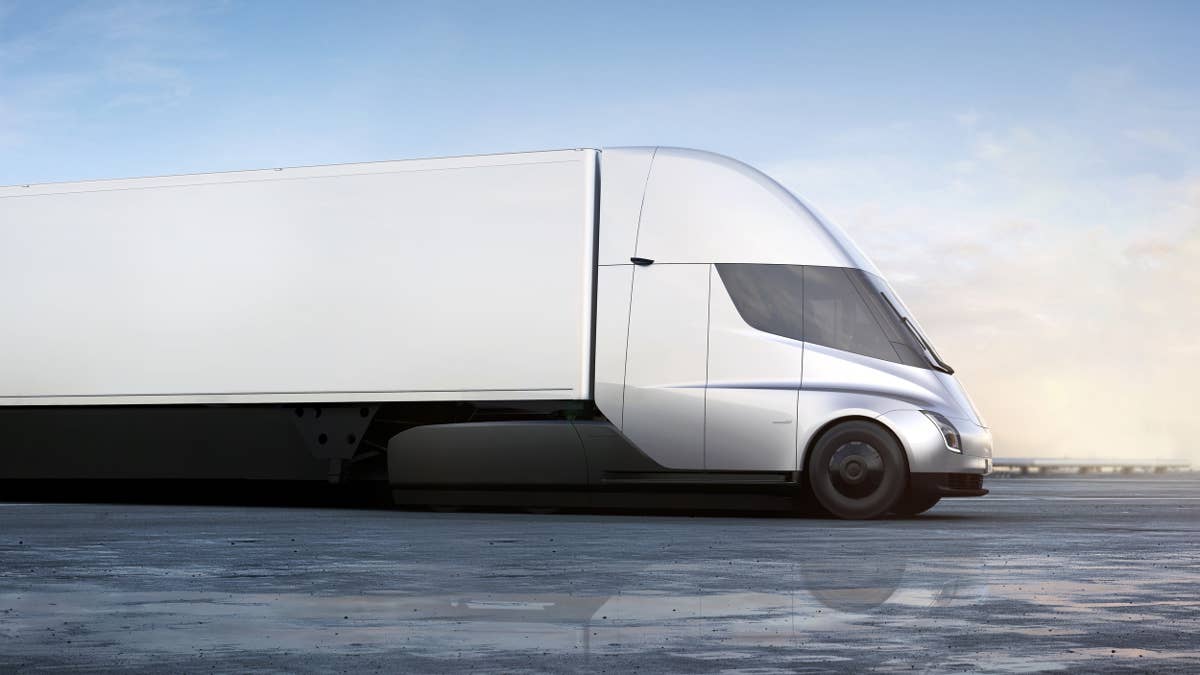
Subsidy Overview
California’s new subsidy targets everything from localized delivery vans to massive Class 8 electric semis. However, a look at the balance sheet reveals the economic barrier this program is desperately trying to mask. Today, a traditional internal combustion (diesel) Class 8 semi-truck carries a baseline acquisition cost of roughly $150,000 to $180,000. In stark contrast, a comparable battery-electric Class 8 rig—such as a Freightliner eCascadia or Volvo VNR Electric—commands a paralyzing sticker price averaging between $400,000 and $450,000. Even with California throwing the absolute maximum $120,000 rebate at the transaction, the electric semi still costs a fleet operator between $280,000 and $330,000. The heavily subsidized electric truck remains nearly double the price of its diesel counterpart, leaving private fleets and independent owner-operators to absorb the additional – and totally avoidable – expense.
Volvo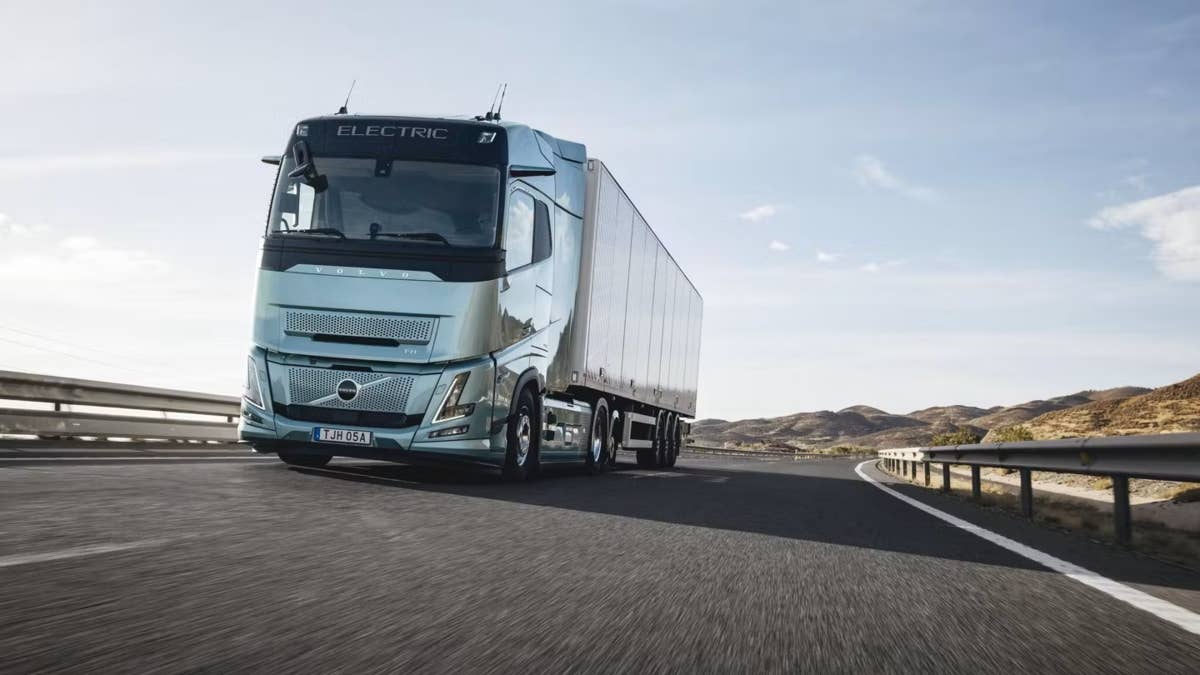
What Californians Will Feel
For the ordinary citizen of California, this billion-dollar initiative is a quiet, unavoidable tax. The funding mechanism relies heavily on the state’s Low Carbon Fuel Standard (LCFS) system, which generates its revenue by forcing carbon-heavy fuel producers to buy compliance credits. That is a massive corporate expense immediately passed down to the consumer at the pump. Furthermore, while the state champions cleaner air along freight corridors, the aggressive push to mandate wildly expensive electric trucks inherently raises the logistical overhead for every business operating within state lines. Every day, Californians are left carrying a dual financial burden: paying inflated fuel prices to fund the massive rebate pool, while simultaneously absorbing the higher costs of groceries and delivered goods as fleets pass along the premium of electrification. The state may be running on borrowed fiscal time.
The takeaway for the broader automotive market is that state governments are no longer simply setting emission mandates; they are directly financing the businesses that align with their values. If California intends to cement its status as the standard for clean transportation, it must prove that a billion dollars can actually build a self-sustaining electric logistics network, rather than just temporarily mask the crippling costs of the hardware.