For electric vehicle enthusiasts, the global EV race has increasingly become a two-horse sprint between hometown hero Tesla and Chinese juggernaut BYD. While BYD remains a dominant force in the international market, even without a passenger car footprint in the United States, recent data indicates that BYD might be lagging behind the targets they set. Yes, BYD sales are rising, but it is still way off its ambitious 2026 annual target.
The Numbers Are In
Denza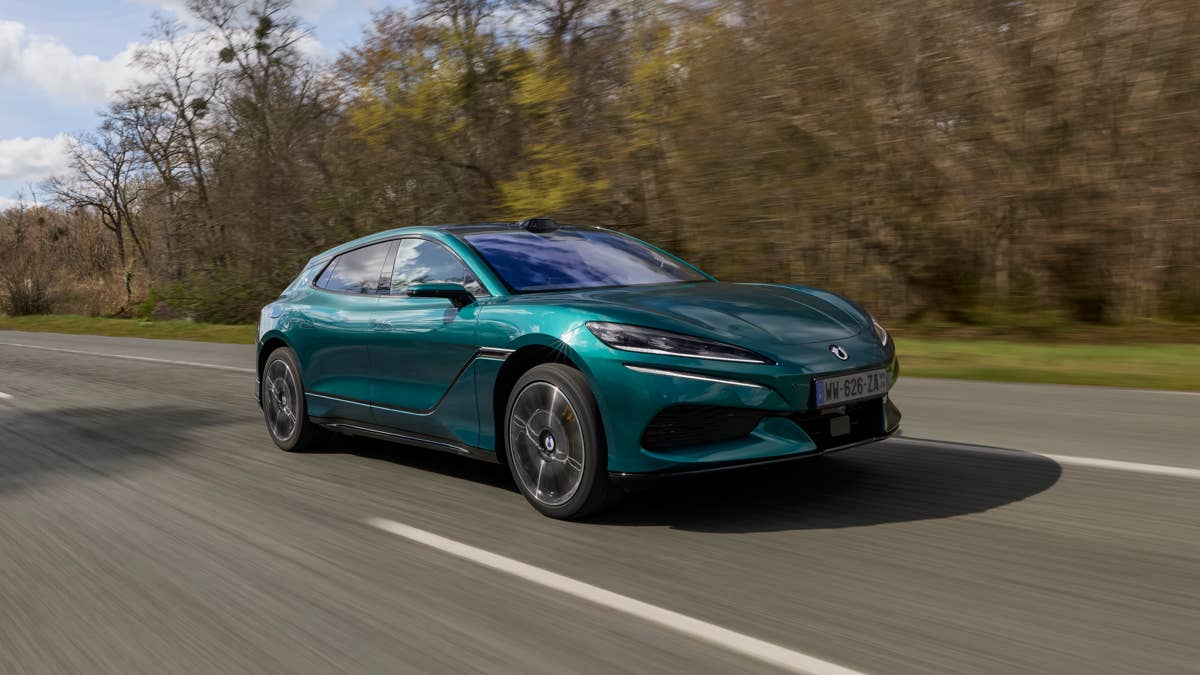
According to recent mid-year reports, BYD has demonstrated undeniable volume-heavy growth. In July alone, the automaker saw its vehicle sales climb 22 percent year-over-year, moving approximately 420,000 cars. This capped off a robust first half of the year where the company successfully delivered 1.81 million vehicles globally. To put that in perspective for an American audience, BYD’s six-month output heavily dwarfs the combined annual EV sales of traditional Detroit legacy automakers like Ford and General Motors.
However, context is everything in the global auto industry. According to The Business Times, despite this impressive double-digit growth, BYD is currently falling behind the aggressive pace required to meet its massive 2026 goals. Management previously set a staggering annual delivery target of 5 million to 5.5 million vehicles. To reach even the conservative lower boundary of that 5-million-unit goal, the automaker needs to average roughly 530,000 sales per month for the rest of the year. That represents a steep increase from its current 420,000 monthly run rate, which itself is heavily catalyzed by its growing export businesses as newer markets open up to BYD’s products – America aside, of course.
BYD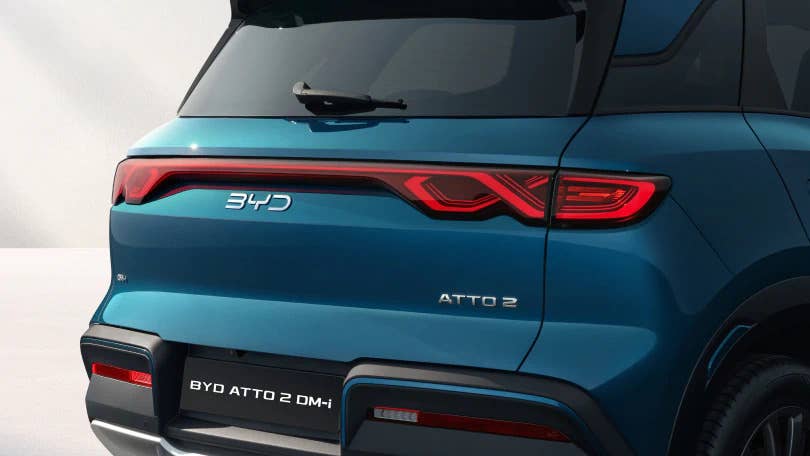
What Does The Future Hold For BYD?
Several headwinds could complicate BYD’s path forward. The Chinese domestic EV market is heavily saturated and currently engaged in a brutal price war that threatens profit margins. Furthermore, aggressive expansion into markets like Europe and Latin America faces mounting geopolitical pushback, including steep new tariffs designed to protect local manufacturing.
Ultimately, while BYD’s year-over-year growth remains the envy of much of the automotive industry, missing a highly publicized production target could rattle consumer and investor confidence. For American competitors watching closely from the sidelines, this slight bottleneck might provide a crucial window of time to recalibrate their own EV strategies before BYD attempts its next global push.