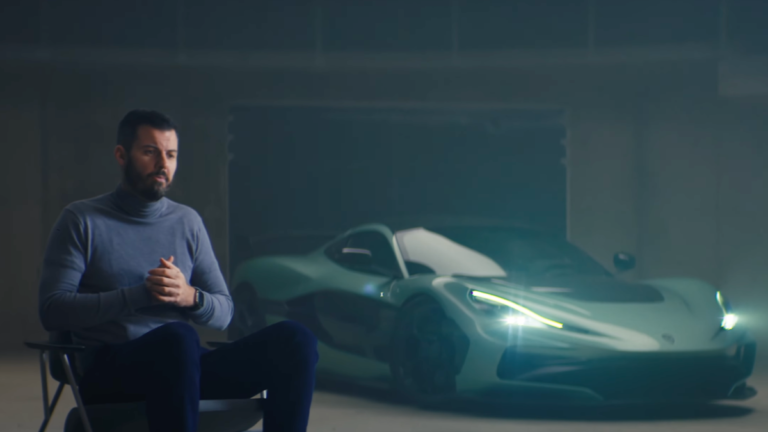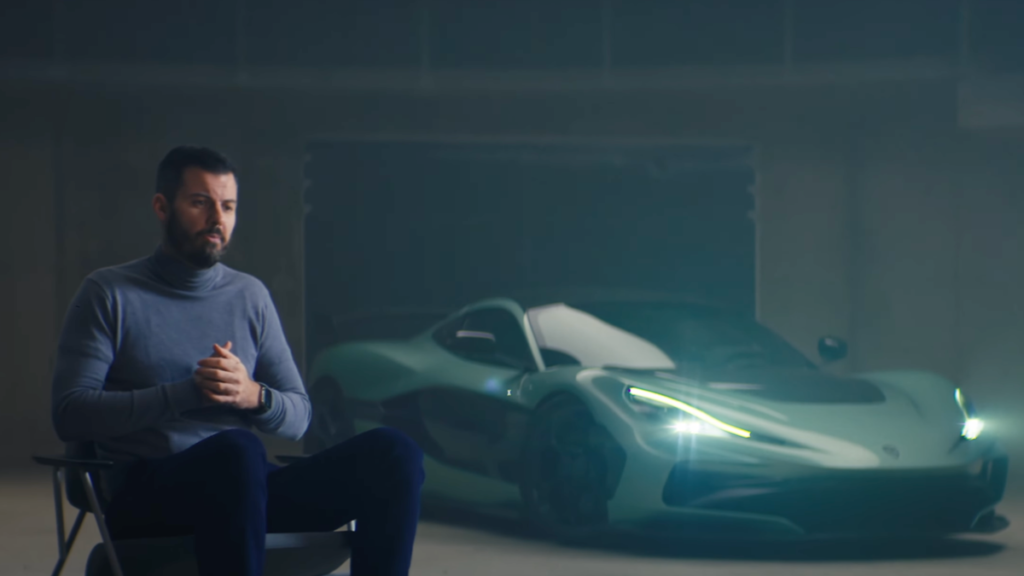
Bugatti CEO Mate Rimac believes internal combustion engines will dominate the high-end supercar market for decades to come. The 38-year-old executive stated that ultra-wealthy buyers are turning away from battery-electric options in favor of mechanical complexity and acoustic drama. The pivot marks a notable shift for a founder whose career began with a broken BMW converted to electric power.
Speaking with CNBC, Rimac outlined a structural split in the automotive industry, comparing supercars to Swiss mechanical watches. While high-volume electric vehicles dominate everyday commuting, elite performance cars occupy an emotional tier where digital utility matters far less than tactile craftsmanship. He noted that although smartwatches offer superior functionality, consumers still pay premium prices for traditional Swiss timepieces—a dynamic now defining high-end automotive sales.
The Bugatti Tourbillon and Hypercar Market Realities
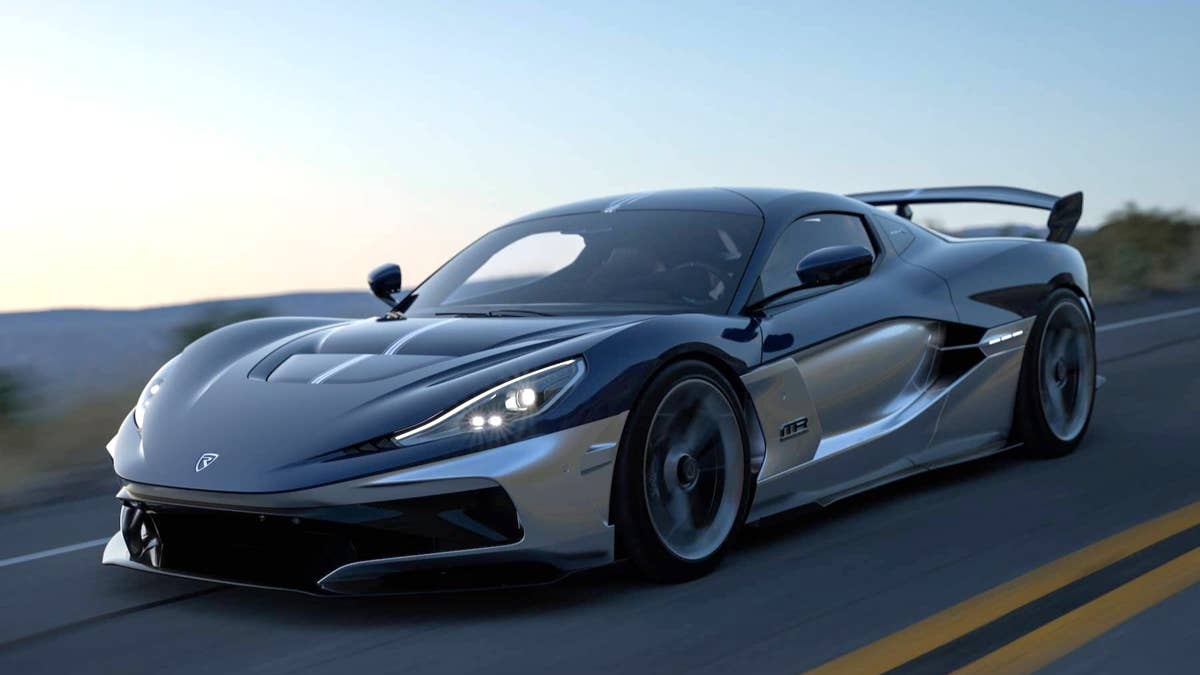
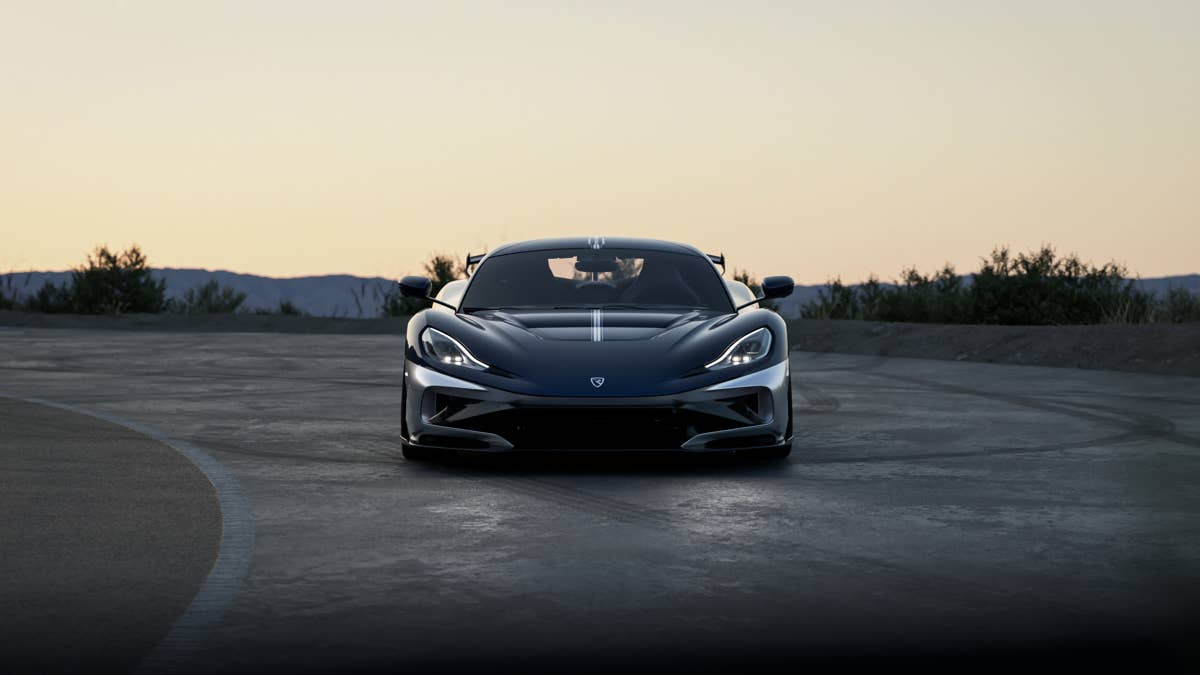
Demonstrating this philosophy, Bugatti Rimac bypassed an all-electric powertrain for its new flagship, the Tourbillon. The hybrid hypercar features an 8.3-liter naturally aspirated V16 engine producing 1,000 horsepower, paired with electric motors to achieve a combined 1,800 horsepower. At the company’s Croatian facility, this massive combustion powerplant is assembled alongside the all-electric Nevera on the same production line.
Commercial demand confirms Rimac’s thesis. Bugatti capped Tourbillon production at 250 units with a starting price near $4.5 million, and the entire run sold out immediately. Bespoke customization adds an average of $600,000 to $700,000 per vehicle as buyers seek distinct mechanical items. To further capitalize on personalized demands, Bugatti recently showcased one-off projects like the track-focused Destrier at Monterey Car Week.
Financial performance reflects the viability of this strategy. The company reported €200 million ($233 million) in earnings last year while maintaining controlled production volumes in the low three digits. Following Porsche AG’s agreement to transfer its 45 percent stake to a consortium led by HOF Capital, Rimac indicated the company’s valuation sits well above $2 billion as it targets maximum profitability.
Gasoline Soon a Luxury Commodity
Rimac’s stance is a pragmatic recognition of shifting consumer values rather than an anti-EV crusade. Mass-market performance has been democratized by rapid electric acceleration, making straight-line speed cheap and ubiquitous. Yet Rimac continues developing commercial electric tech elsewhere, pursuing an autonomous robotaxi project for urban transport while supplying high-voltage systems to power BMW models.
For supercars, raw numbers no longer define prestige; human artistry and mechanical character do. While electric powertrains suit daily commuter vehicles, hypercars operate as functional art objects capable of 250 mph. As mainstream transportation shifts toward quiet autonomy, Bugatti’s strategy proves that ultra-luxury buyers will pay top dollar to preserve the visceral noise and soul of the combustion engine.
Rimac