EREV Over PHEV
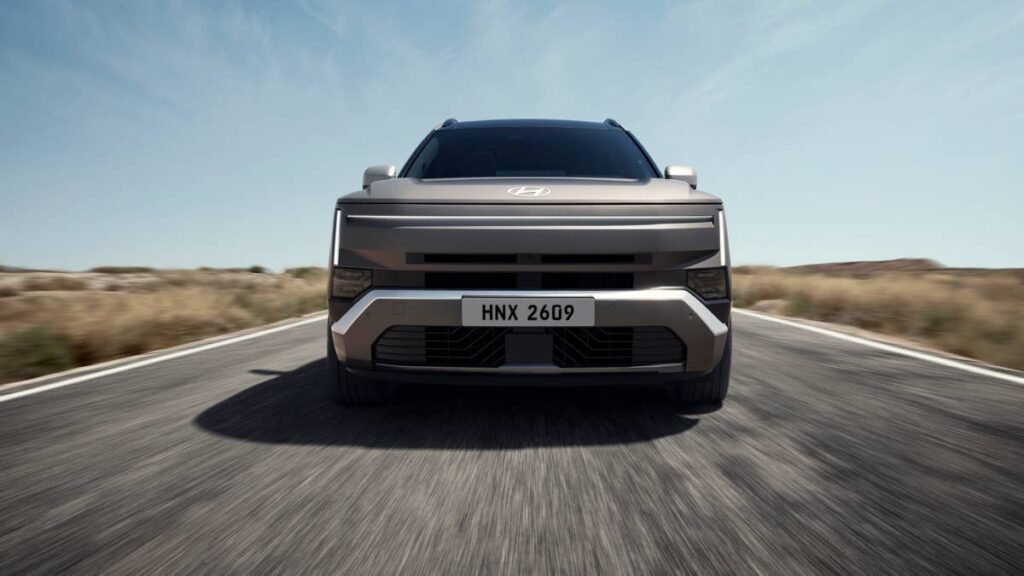
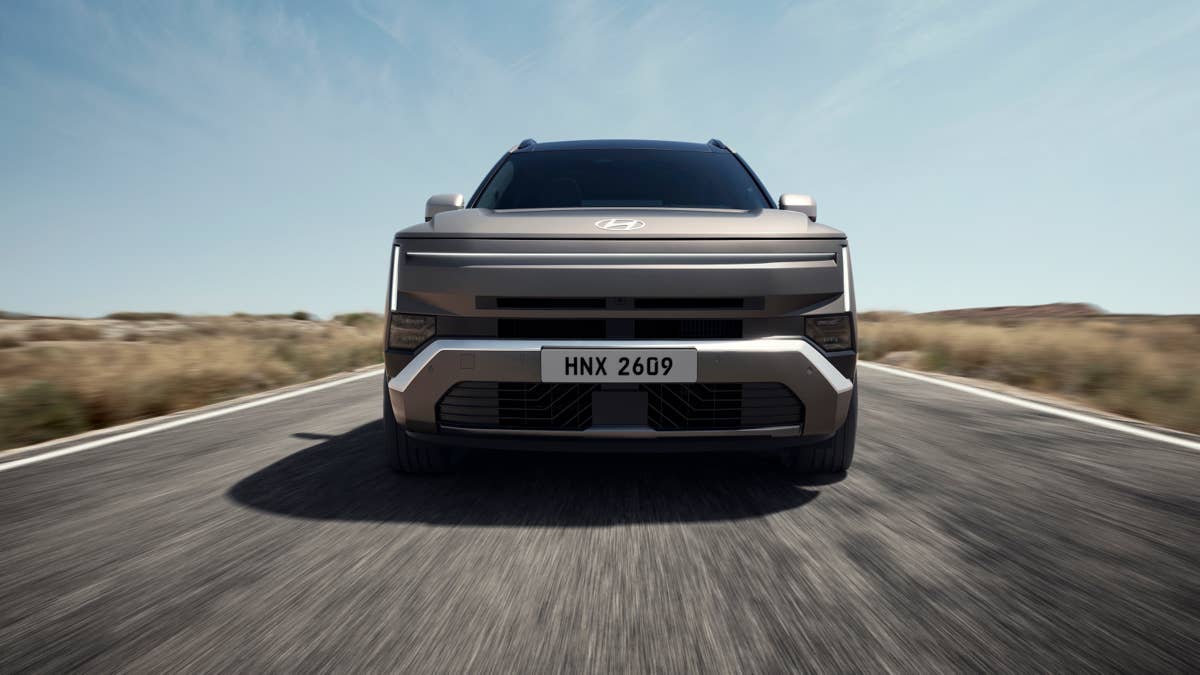
After being shown on a global stage, the 2027 Hyundai Tucson just made its North American debut, sporting the same aggressive styling, fresh technology, and updated powertrains. The United States will get a new turbocharged gas engine and a more efficient hybrid, but the more potent plug-in hybrid will not be available in our market. Speaking with Hyundai at a media backgrounder, Autoblog learned why the PHEV won’t be offered in the US.
Hyundai
“All these people tell me to get a PHEV, and nobody ever plugged in,” said Olabisi Boyle, Senior Vice President, Product & Mobility at Hyundai Motor America. “If you ask any [competitors] about their PHEV mix, it’s almost nothing,” in terms of sales numbers.
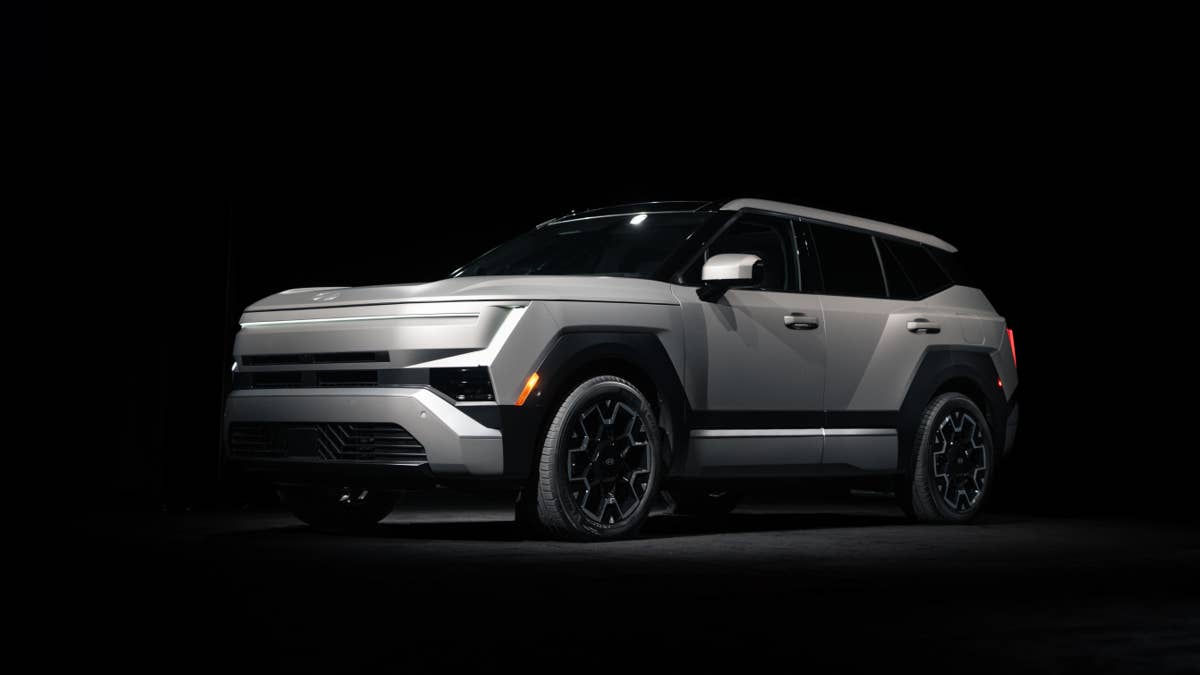
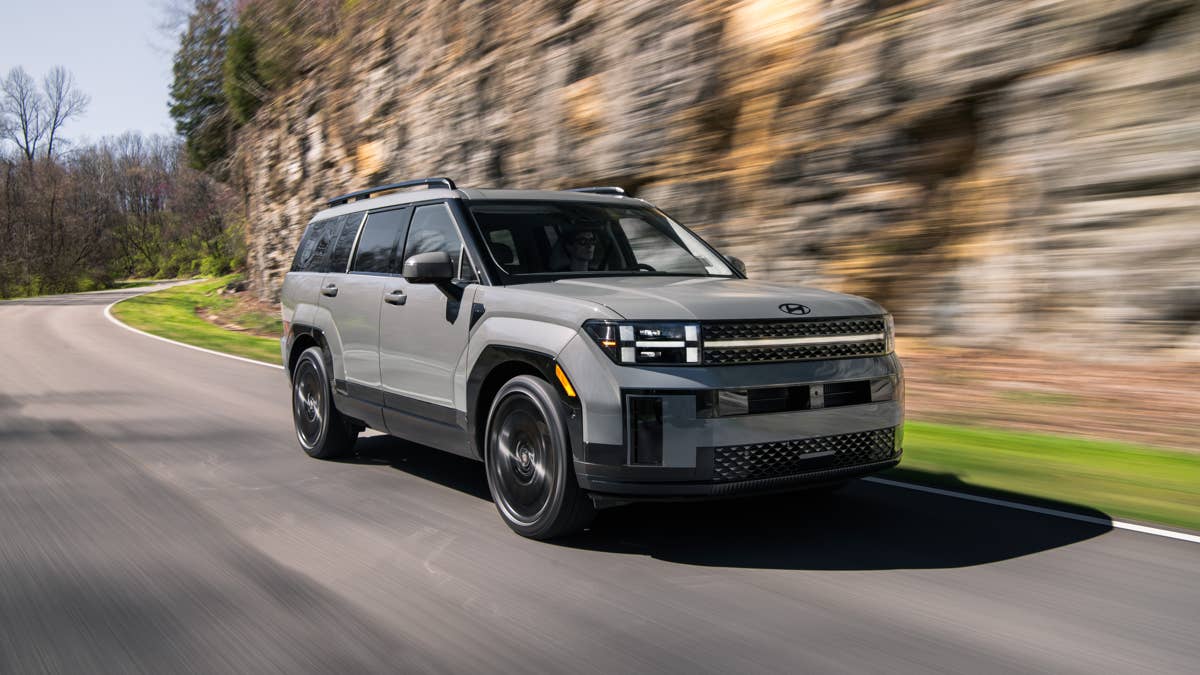
Boyle pointed out that extended range electric vehicles (EREVs) might be the better fit for the American market. Hyundai has announced two upcoming EREV models, the first of which will be the three-row Santa Fe. Though it’s not officially confirmed, the Tucson could be the second one to arrive.
Why An EREV?
The current Tucson PHEV can travel 32 miles on battery power, while the gas engine extends the total range to around 388 miles. Hyundai says its EREV models like the Santa Fe will target 600 miles of range and far greater usable electric range with a larger battery.
Hyundai
“An EREV is an EV that has an onboard generator. So now I’m not telling you can get 30 to 50 miles on your PHEV, you may get 100 to 150 miles (of electric range),” Boyle explained. “For those who are just joining the electric revolution, they’re getting to drive an EV – instant torque and acceleration – but maybe they can go two or three days without having to recharge.”
Unlike a PHEV, which uses a gas engine and electric motors to drive the wheels, an EREV is powered purely by electricity with gasoline being used solely to recharge the batteries. With no transmission or connection from the engine to the wheels, EREVs are smoother than PHEVs. They also pack batteries that are larger than PHEVs but smaller than battery electric vehicles (BEVs), delivering a larger percentage of driving silently before kicking on the gas engine.
Hyundai Will Have A Monopoly
As of this writing, there are no EREVs on sale in the US. Several automakers are working on them – including Ford, Jeep, Ram, and Scout – but they are all going to be large trucks or SUVs. Hyundai is the only company that has announced EREV crossovers, starting with the Santa Fe and the more luxurious Genesis GV80. If EREVs are going to start becoming more common in the US, Hyundai’s smaller approach might be the best option.
2026 Hyundai Santa Fe
Hyundai
Hyundai hasn’t released any specs for its upcoming EREV powertrain, but based on what we know from the upcoming Ram 1500 REV (the EREV theoretically closest to production), it will use a sizable 92 kWh battery plus a 3.6-liter V6 gas generator. That battery is much larger than any PHEV, but smaller than the 212 kWh pack used in its all-electric rivals from General Motors. Batteries are not cheap, so packing more usable capacity will likely bring up the price compared to an HEV or even a PHEV.
It will be interesting to see how Hyundai prices the Santa Fe EREV, as that could be the determining factor of whether customers will choose it over a full BEV like the Ioniq 9.