Not in Trouble, but There’s Concern
Among the German luxury big three, it’s BMW that appears to be the healthiest. It’s still the world’s best-selling luxury brand, and it’s even pulled away from Lexus so far this year in the U.S. But there’s still a lot of pressure on the folks from Munich, and it’s not just because they want to stay on top.
BMW recently reported that sales, and more crucially, profits went down for the first half of the year. That’s according to the company’s new CEO Milan Nedeljković, and that’s making BMW reevaluate its future plans. Mind you, this doesn’t mean BMW is in deep trouble, but rather, Munich is taking cautionary steps now.
What Models Could be Canned?
While Nedeljković didn’t mention specifics on which models or projects may be canned, the executive said: “We are reevaluating which technologies, model variants, and drivetrains we will need in the future.” If anything, that hints at a lot of consolidation to streamline production that will ultimately save costs in the long run.
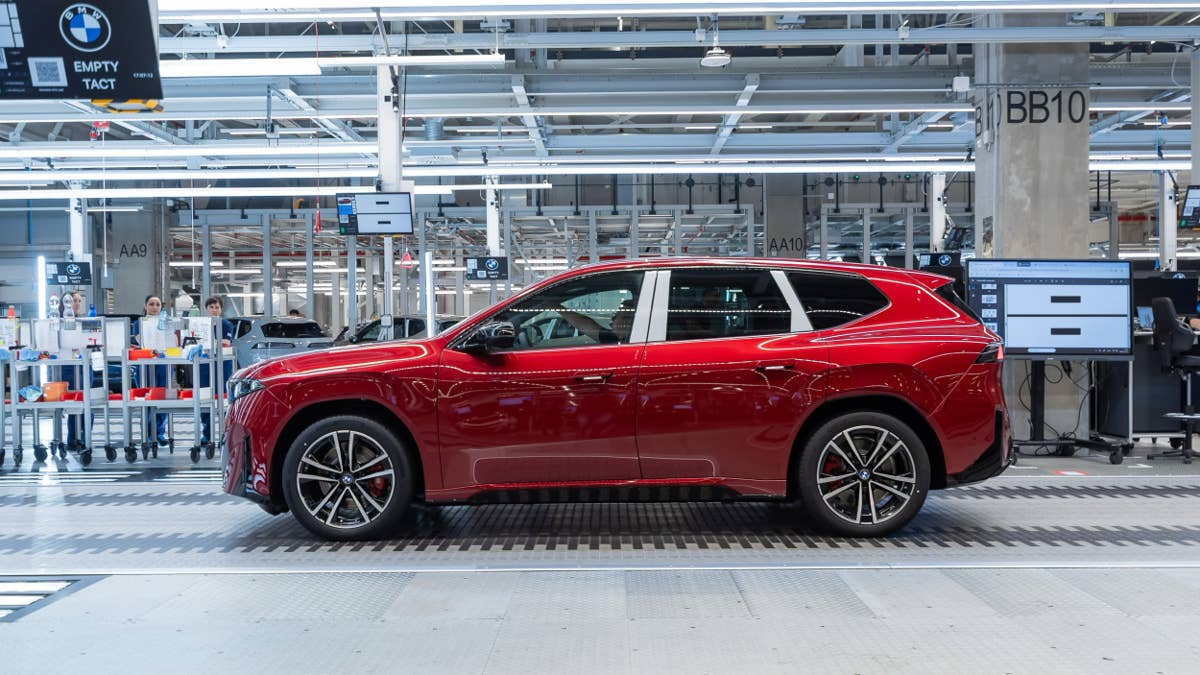
So, what’s at risk? BMWBlog reports that the iX might not see a new generation, and the same goes for the XM, which probably comes as no surprise. The XM has practically been anchored to showroom floors ever since 2023, and has consistently been BMW’s slowest seller for years. Another model facing the axe is the 2 Series Active Tourer mini-MPV, which isn’t offered in the U.S.
There have been reports that plans for the off-road-focused model are on ice. Also, there doesn’t appear to be plans for a combustion-powered 4 Series for now, although the i4 will live on and even include a convertible version. Slow-selling trims may be removed, but that’s hard to determine right now without knowing each model’s sales breakdown worldwide. Lastly, don’t expect successors for the recently retired Z4 and 8 Series in the immediate future.
BMW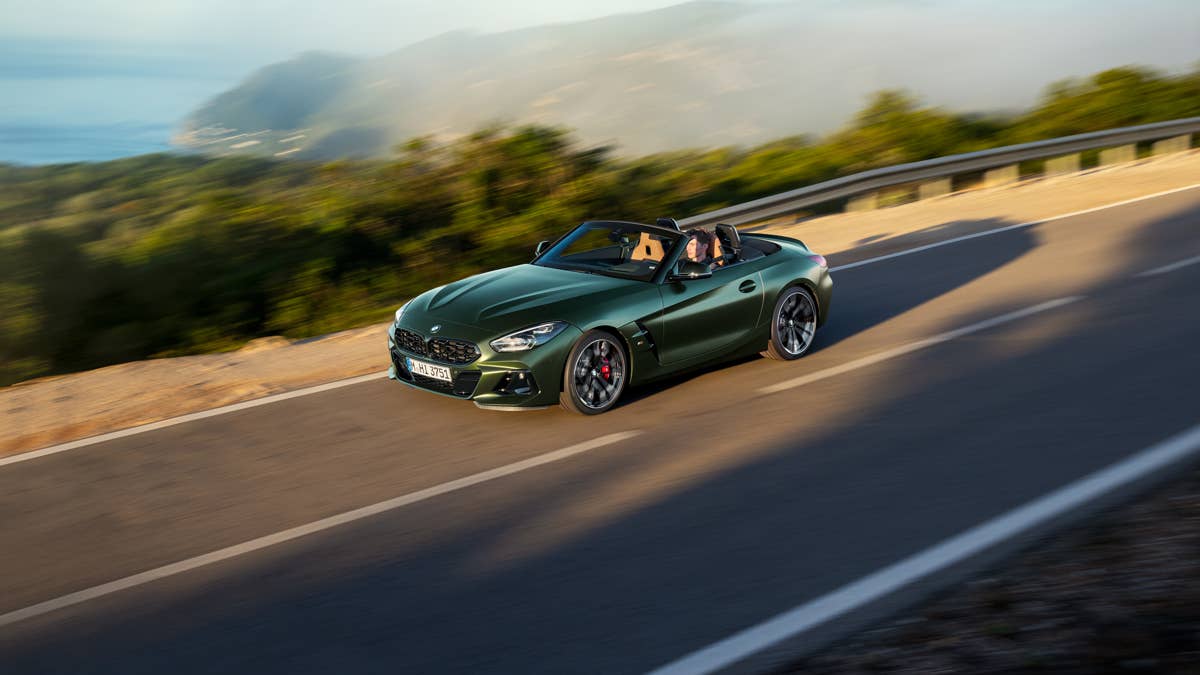
Shuffling Around
Of course, model cancellations are not final unless confirmed by the company. We’re not planning to reduce the portfolio or cut individual offers. Nevertheless, it’s about the profitability of the derivatives on a global level. That is what we also focus on. We also look at the drivetrain variants and the product models; individual market forces will be reanalyzed,” said Nedeljković.
With that in mind, there is a distinct possibility of some specialty models wearing an Alpina badge instead of a BMW roundel. Alpina needs a strong roster of cars for what’s effectively its reboot, while it seems BMW is seeking to simplify its model range. Those two can go hand in hand, all while maintaining the BMW Group’s expansive product portfolio.
All in all, BMW Group’s cost-saving measures aren’t as extreme as other automakers at the moment. And as it reconvenes to tweak its future plans, the company is pushing more and more into common platforms and parts, AI assistance in development, as well as increasing its use of recycled and sustainable materials to drive down costs. One can say that the Bavarians are nipping it in the bud as early as possible to avoid extreme course corrections in the future.
BMW Group