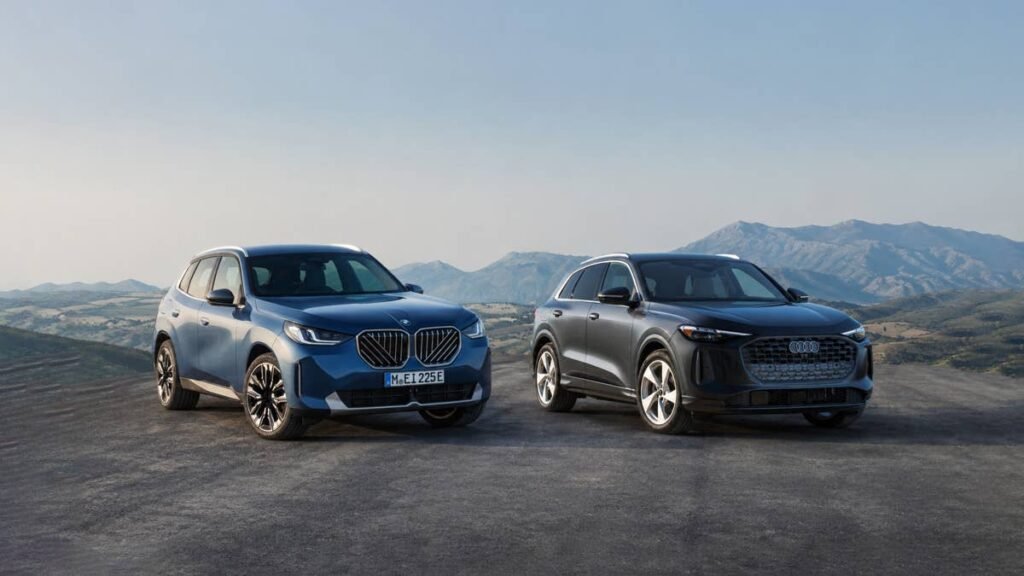
BMW is well on its way to securing the luxury sales crown in 2026, which would extend its current seven-year streak at the top in the United States. BMW’s growth has outpaced its key rivals once more this year, allowing it to open up a substantial lead over Lexus and Mercedes-Benz. But what about Audi? The four-ringed German automaker has just released its own year-to-date results, and the Q5 SUV remains its best-selling model. Here, we’ll see how it has performed when matched up against its direct BMW rival, the X3.
BMW X3 Extends Lead Over Audi Q5
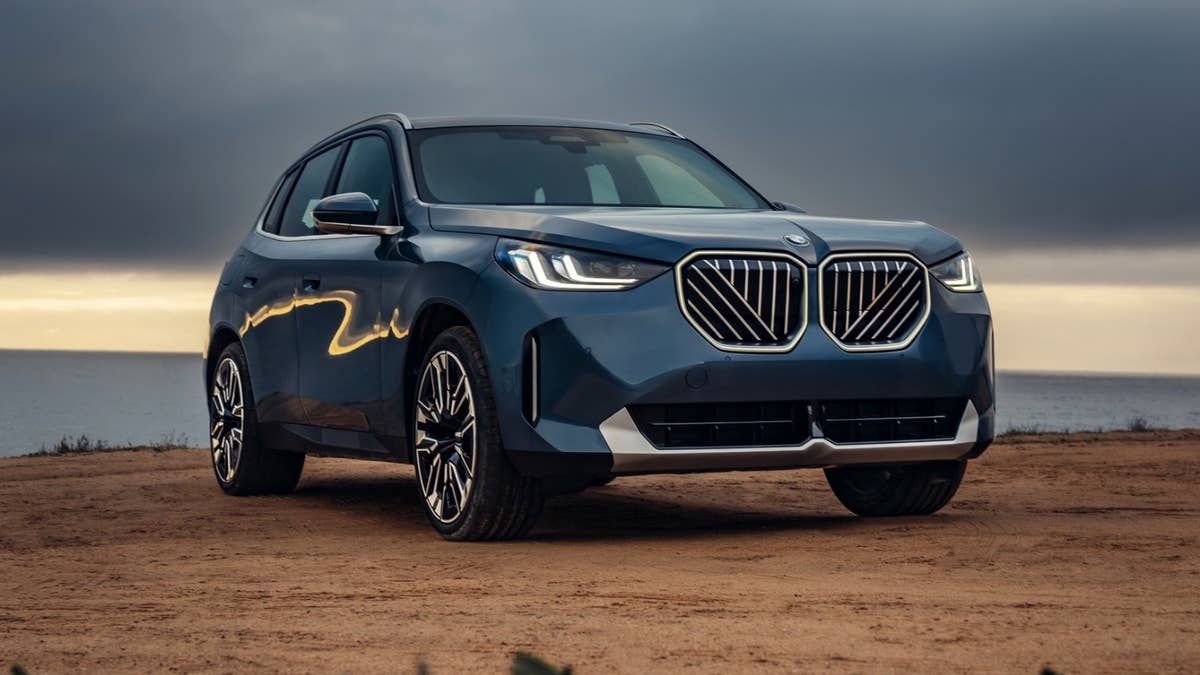
2026 BMW X3 30 xDrive in Arctic Race Blue
BMW
The compact crossover segment is one of the largest in the United States, with these vehicles offering many buyers the ideal blend of practicality, performance, and value. The X3 has historically outsold the Q5 in the U.S., but the gap between the two rivals has widened considerably over the last year.
|
2026 Year-to-Date |
2025 Year-to-Date |
% Change |
|
|
BMW X3 |
60,128 |
50,009 |
+20.2% |
|
Audi Q5 |
33,509 |
32,633 |
+3% |
Over the first three quarters of 2026, BMW has sold over 60,000 X3 units, almost double the volume of the Q5. It’s now ahead by 26,619 units; a year ago, the X3’s lead was 17,376 units. That’s a large gap, and underlines not only the market’s preference for the X3, but also the decline of Audi as a brand.
Over the first three quarters of 2026, BMW has sold 287,154 vehicles, up by 4.3%. Audi has sold 107,667 vehicles, down by 16%. Audi’s struggles are part of a bigger shift for the Volkswagen Group, as VW and Porsche also reported lower sales in the third quarter.
Related: Porsche Records a Massive Sales Slide As It Devises a Turnaround Plan
Which SUV Should You Buy?
2026 BMW X3
BMW
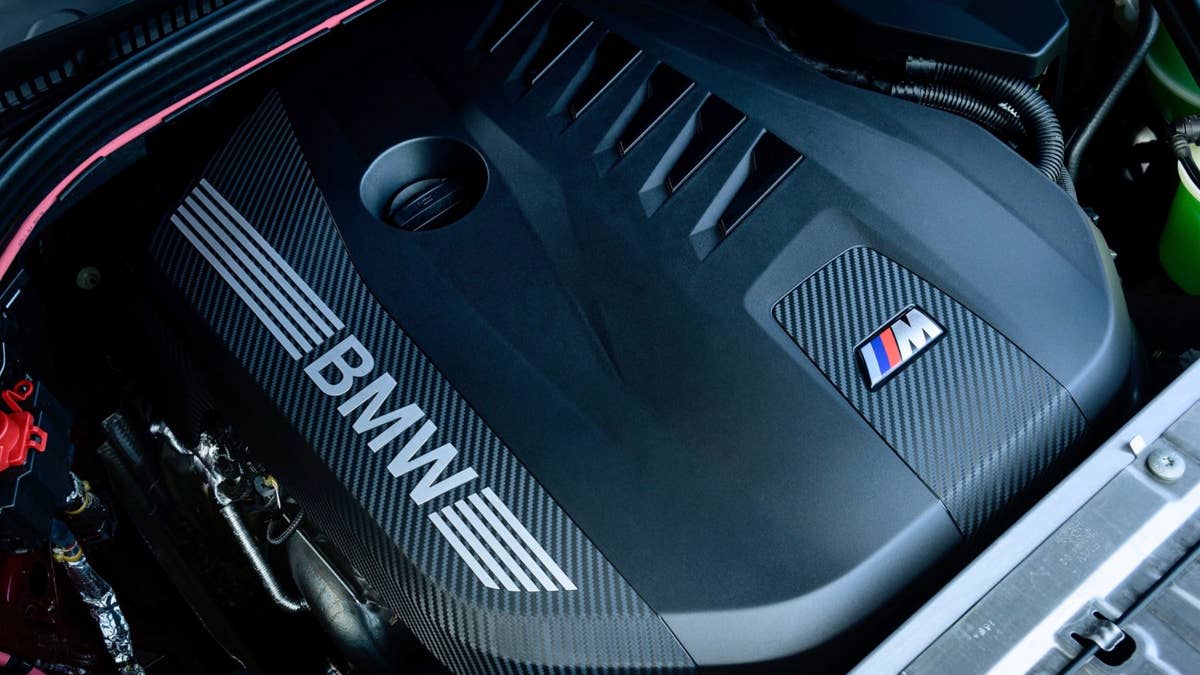
These are both refined, comfortable crossovers with ample performance. They’re also fresh, with both vehicles having entered new generations not too long ago. They each start with four-cylinder engines, with powerful six-cylinder models available if you’re willing to spend $65,000 or more.
Both vehicles leave something to be desired in terms of their new designs, though. The Q5 can get a bit lost in the parking lot unless carefully specced, and while the X3 is more interesting, not all of its lines are as cohesive as its predecessor’s.
The Audi is a little more comfortable on the highway, while the BMW feels a touch more athletic when the road starts to turn. The base Q5 is quicker than the base X3, but the six-cylinder BMW edges ahead of the V6 SQ5. It’s close, though, and drivers of each vehicle will have no trouble passing slower traffic.
BMW
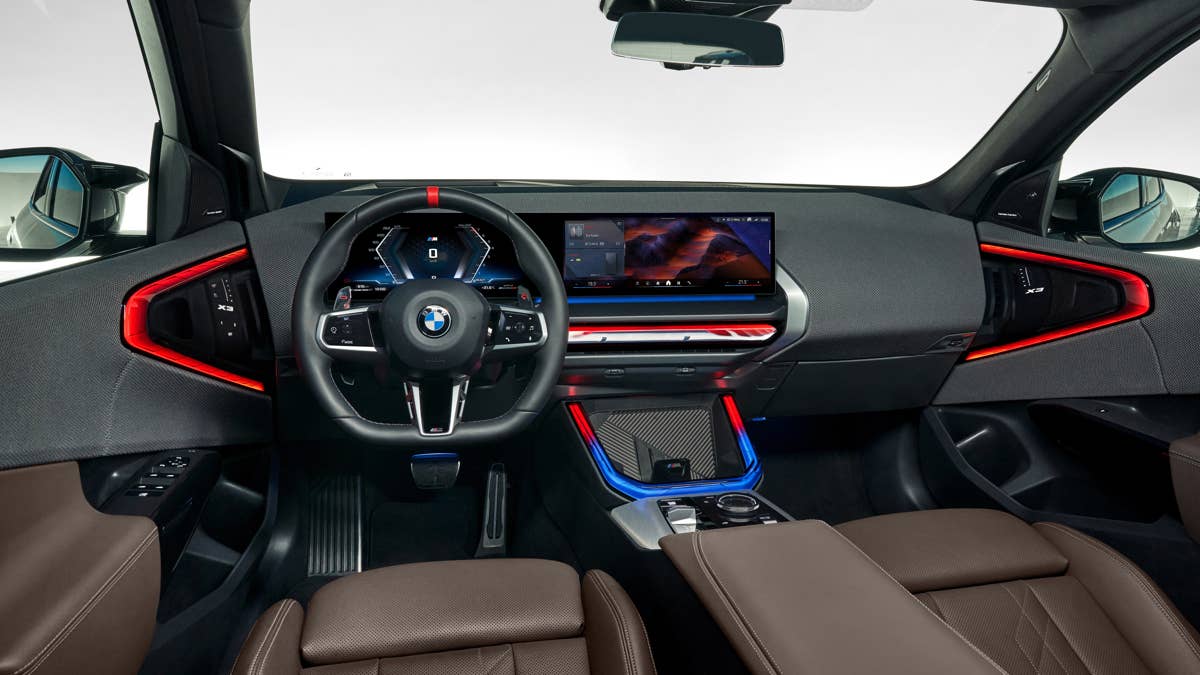
This era of German car design has leaned more heavily into tech but also made cost-cutting measures more visible, which is obvious when you get behind the wheel of each vehicle. While build quality is still strong, the X3’s plasticky door switches are a step down from the previous model’s. In the Audi, if you order one without the passenger-side screen, all you get is a chunk of black plastic ahead of the passenger, which does the ambiance no favors. The lack of physical controls is common to both, but at least the infotainment systems are fast. Practicality is also good, with generous cargo and passenger space.
We’d choose the Audi for comfort and refinement, but the BMW is a more engaging SUV and has more personality.
Related: BMW vs Audi Reliability: The Winner Isn’t Even Close
Final Thoughts
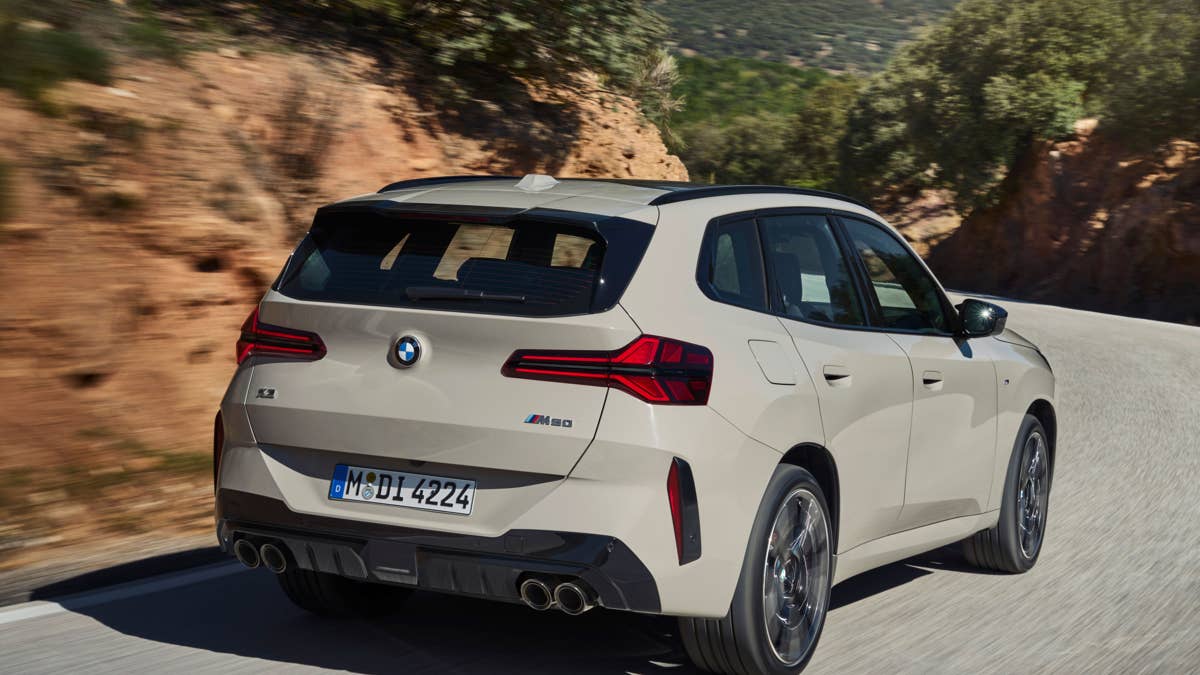
2026 BMW X3 M50 xDrive
BMW
BMW and Audi are still close rivals on the road, but the sales data tell a clear story. From sedans to SUVs, BMW’s current lineup is outpacing the overall luxury segment, while Audi has much work to do to get back to the sales volumes it once enjoyed. Fortunately, all-new models like the Q7 and Q9 have been launched, and these spacious SUVs are expected to do well in America. For now, BMW’s domination over its key rival looks set to continue.
Related: BMW X3 Vs. Audi Q5: Which One Wins?