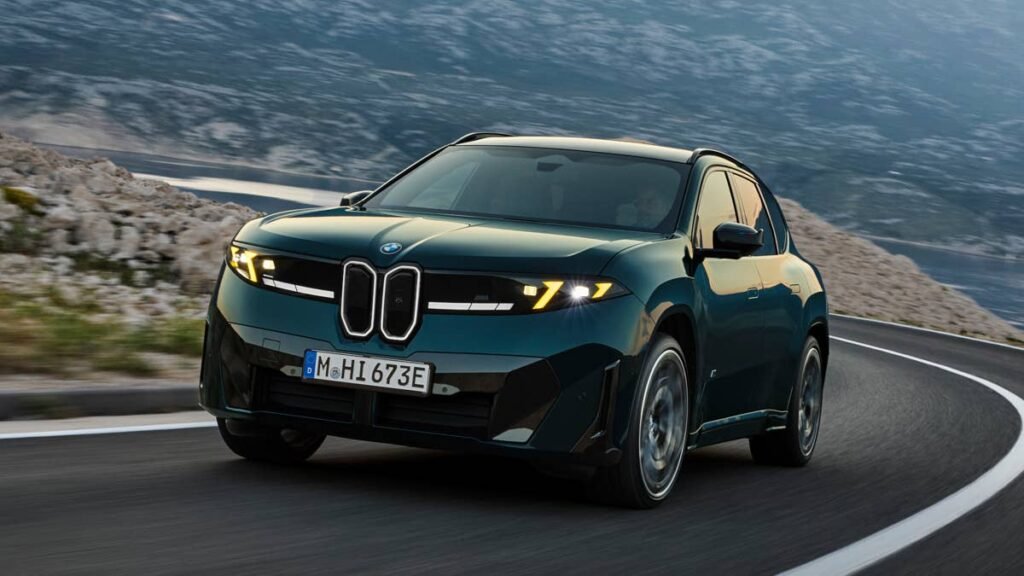
The BMW Group has released the results of a new U.S. survey on consumer sentiment towards EVs, and it reveals some interesting findings about range, performance expectations, and charging preferences. The survey comes as Reuters reports a 30.7% decline in U.S. EV sales in 2026 through September, as consumers increasingly choose hybrids.
The key finding relates to range, with the study showing a large gap between the total driving range consumers want and what they actually need. Expectations regarding fast charging have increased, while pricing was cited as the main barrier to EV ownership.
Range Remains Highly Debatable
BMW
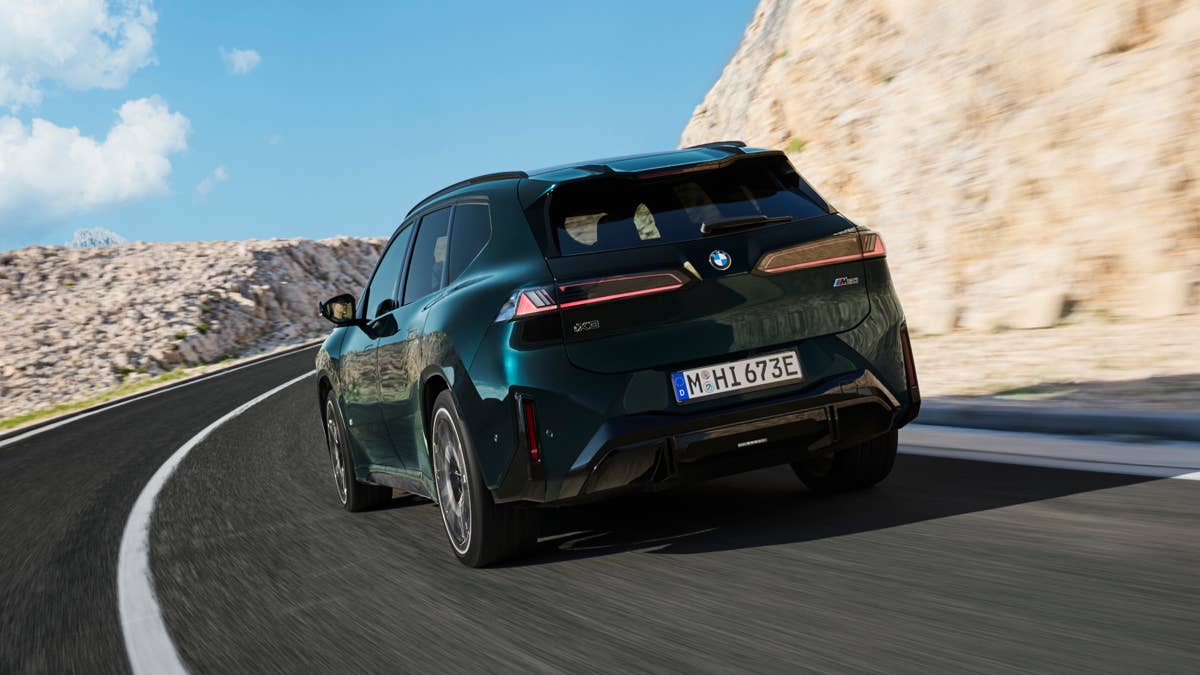
In the study, BMW found that 72% of respondents said that the minimum driving range of an EV could be the deciding factor when choosing such a vehicle. 42% want 300 or more miles of range and 18% want over 400 miles, yet 73% said their daily driving routine only covers 25, 50, or 75 miles in total. This shows that consumers want much more range than they need, but the issue is more nuanced than that.
Someone driving 50 miles per day may lack access to home charging, so a longer total range becomes more important. That same person may want the flexibility to occasionally tow or go on a longer trip, so a longer range will undoubtedly come in handy.
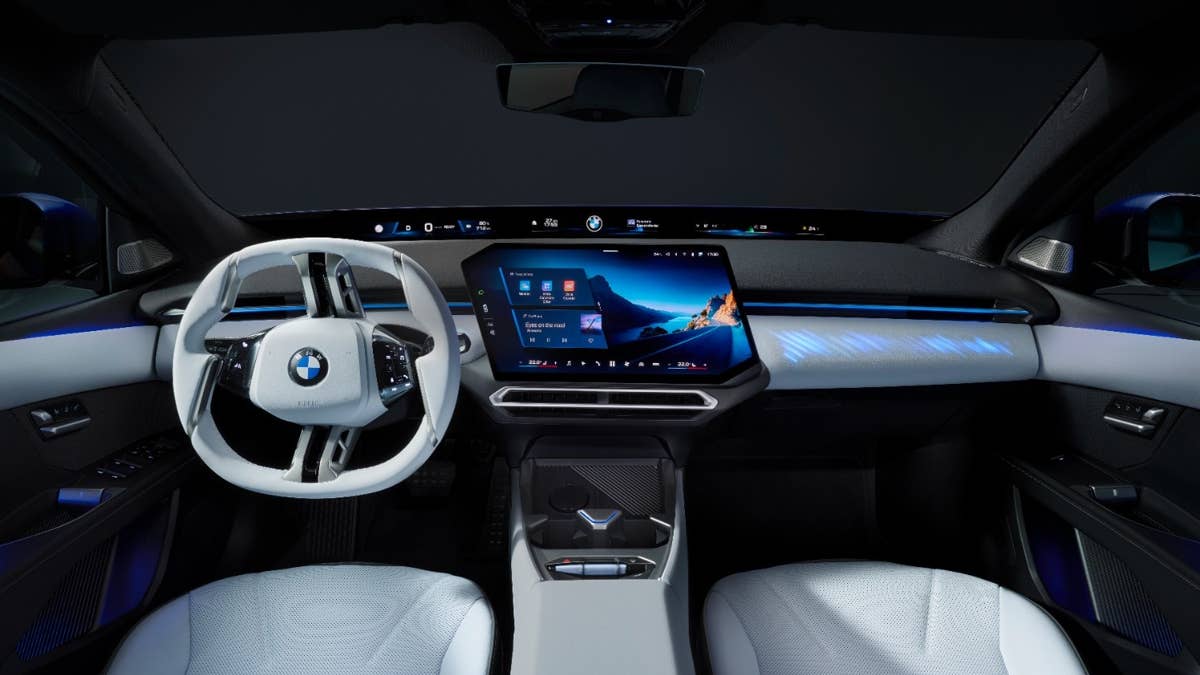
The latest generation of BMWs easily meets the requirements expressed by most survey respondents. The new iX3 SUV has a range of between 383 and 434 miles; deliveries for this particular EV begin in fall 2026. The i3 sedan arrives in early 2027, but its range estimates are even better at between 446 and 468 miles, depending on the trim.
Related: The EV Sales Slump Has Three Surprising Winners
Opinions On Charging Times and Purchase Price
BMW
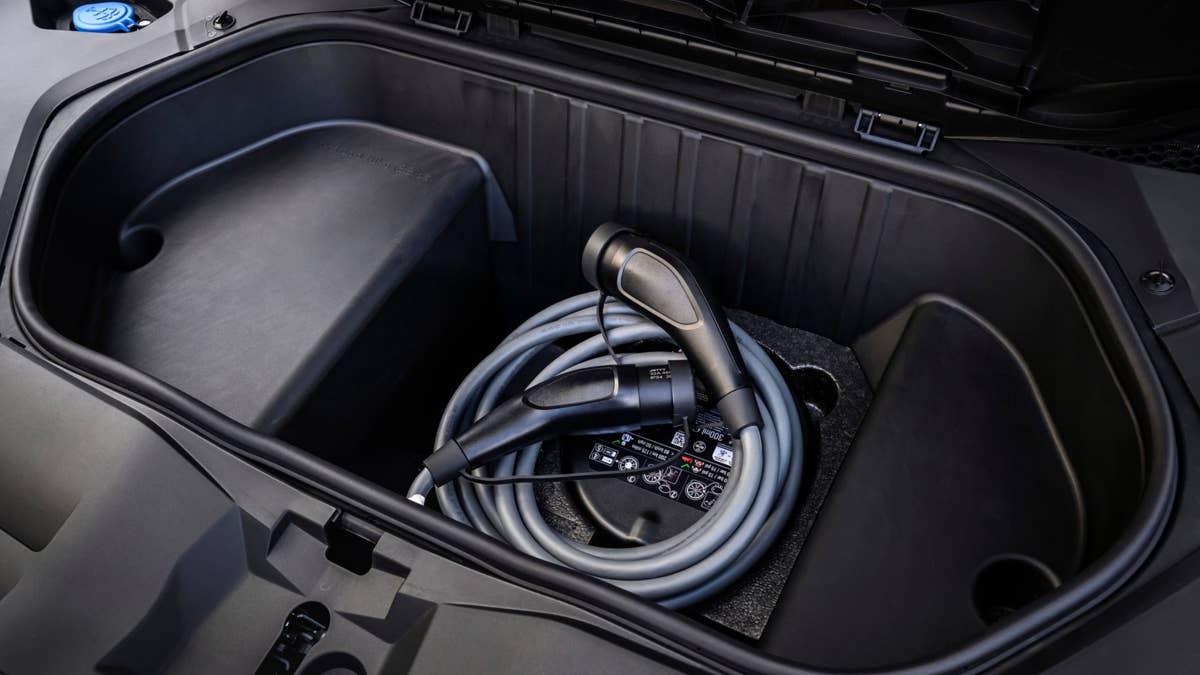
Charging times are nearly as important as range for many prospective EV buyers. In the study, 53% said that adding around 150 miles during a 10-minute fast-charging stop would make them more likely to consider an EV. This is especially true for younger buyers, with 70% of Gen Z respondents saying such charging capabilities would increase the desire for an EV versus just 30% of Baby Boomers. 55% of consumers now think of 30 minutes or less as an acceptable charging time, up from 48% in 2025.
Again, the latest BMW EVs meet these expectations. The iX3 can add around 185 miles of range in 10 minutes at an 800V DC fast-charging station.
BMW
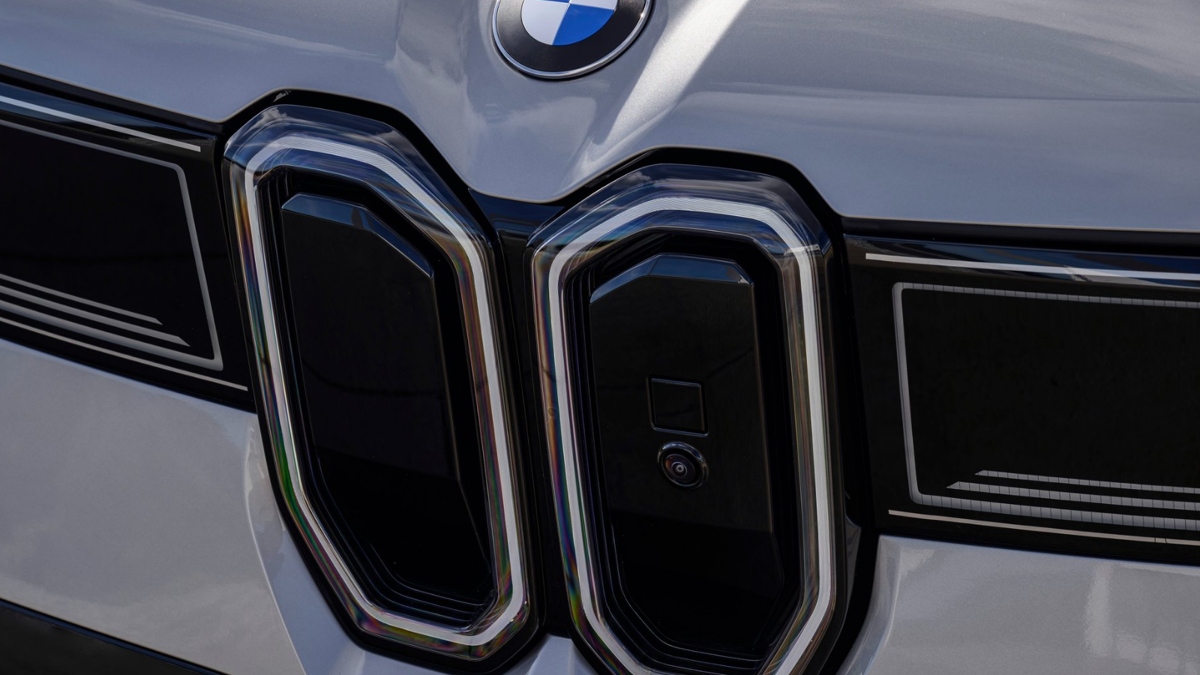
But despite the advances in range and charging, purchase price remains the main barrier to EV ownership, cited by 51% of respondents. This was followed by battery longevity and replacement cost concerns (31%), charging time (26%), and driving range (24%). The new iX3 will start at $61,500 when it arrives, which is over $10,000 more than the base gas-powered X3. Cheaper derivatives may change this picture in the future, though.
Other key findings in the EV study are as follows:
- 45% say their opinion of EVs has changed over the past year, up from 38% in 2025
- 34% feel more positively about EVs and 11% feel more negatively
- Only 47% know where their nearest public charging station is located
“As range and charging capability continue to advance, we’re seeing consumers evaluate EVs the same way they’d evaluate any other vehicle: on performance, features and value, not on outdated assumptions about range,” said Alexander Schleicher, Head of E-Mobility, BMW Group North America. “This survey confirms what we’re hearing directly from customers: EVs are mainstream now, and the brands that win deliver real range, fast charging and the driving experience people expect.”
Related: 5 Big EV Deals for October, Including Up to $37,500 Off
How The Survey Worked
BMW
The survey was conducted online between September 11 and 13, 2026, using a sample of 1,005 U.S. adults aged 18 years and older. This group was weighted to be representative of the U.S. adult population. According to BMW, portions of this survey were conducted in 2019, 2020, 2021, 2022, 2023, 2024, and 2025, while year-over-year comparisons are based on a survey run in May 2025.
While EVs may have become more mainstream, the same concerns expressed by consumers years ago are just as relevant today: Range anxiety, charging speed, and the initial cost of an EV. Understandably, many buyers think beyond their everyday needs and also want a car that can feasibly be used as a long-distance vehicle, which hybrids and ICE cars can. Achieving that comes down to total range, efficiency, and the charging network, and automakers are always not in control of the latter.
Related: US vs China EV Readiness Index: It’s Not Even Close