The BMW Group has just released its quarterly statement, reflecting the company’s global performance over the first three months of 2026. Some aspects of it come as little surprise, such as a 20.1% overall decline in EV sales relative to 2025. This trend has been mirrored by many other automakers. BMW’s overall sales also declined, with nearly all models selling fewer units than a year ago. However, the X3 jumped out as a bright spot for the automaker, with an overall increase in sales and a surprising percentage of those being for the new, fully electric iX3. Let’s take a deeper dive into the numbers.
X3 Lineup Puts in Strong Showing
BMW
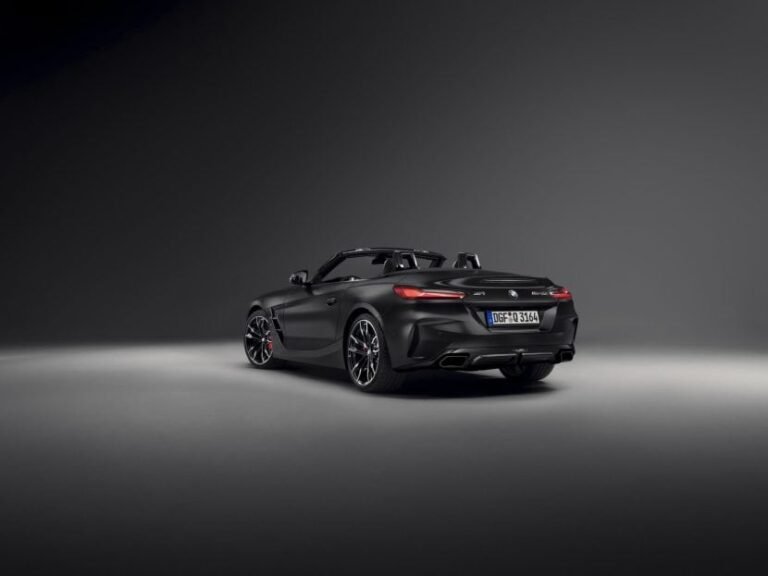
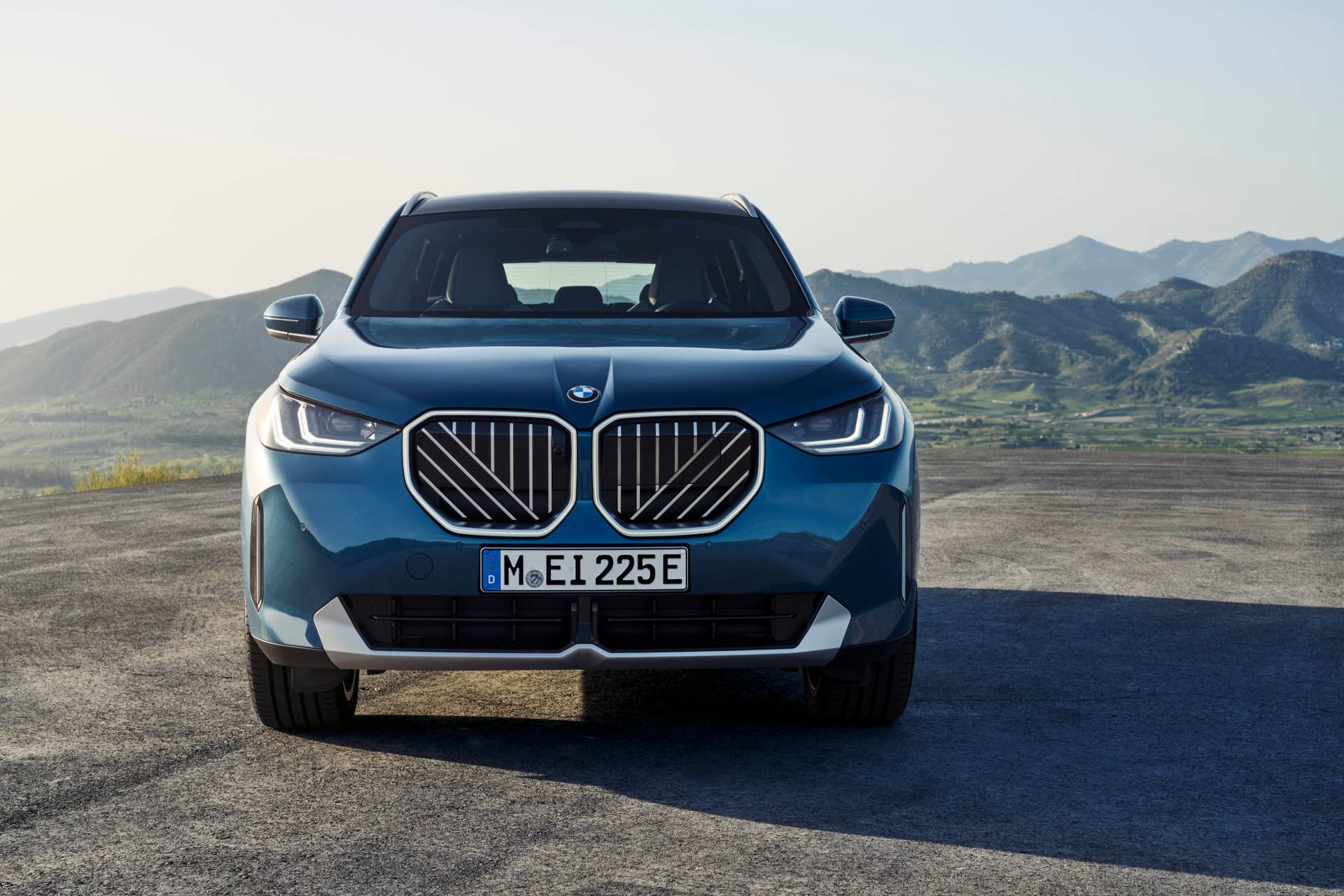
In Q1 2026, BMW sold 496,006 vehicles globally, excluding sales of Mini and Rolls-Royce. Sales of all models were down besides the Z4 (+4.9%) and X3/X4 (+8.9%). BMW groups similar models together, so X3 and X4 sales are reported as a combined figure. However, it’s well-known that the X3 is the more popular vehicle, so it will have accounted for the majority of the 77,500 units sold between the two.
BMW
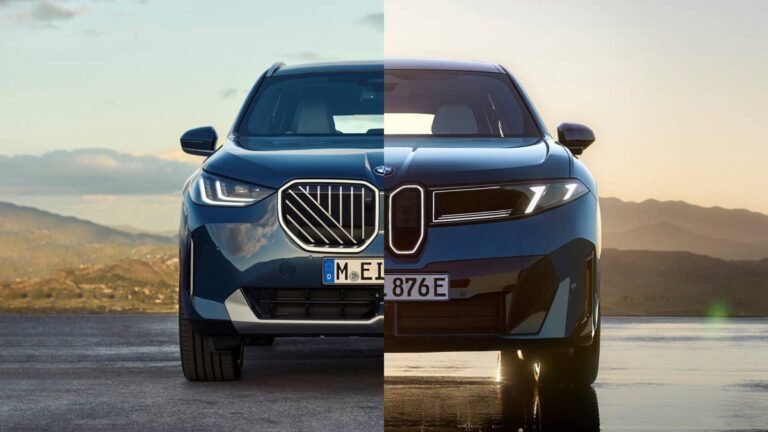
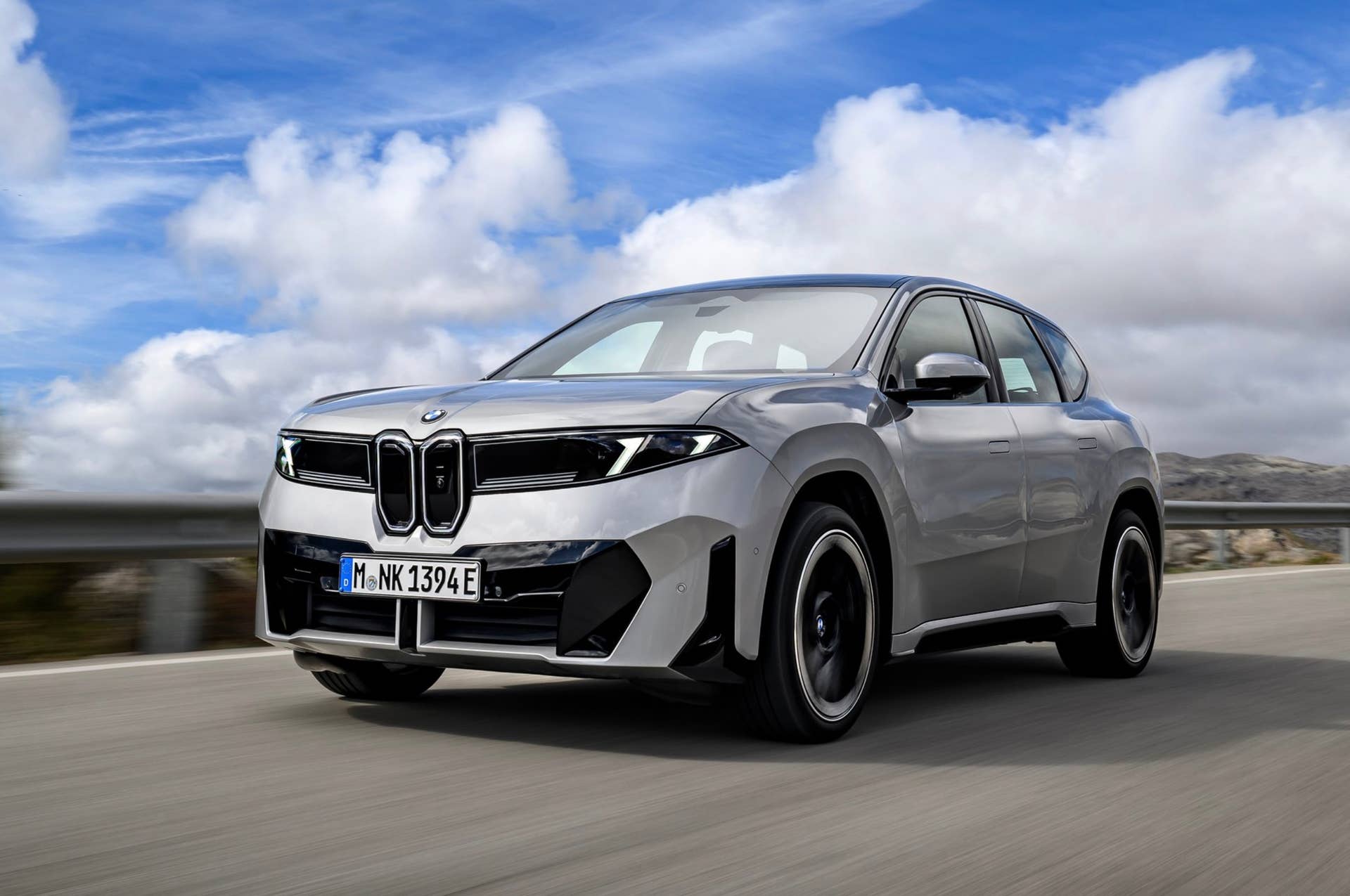
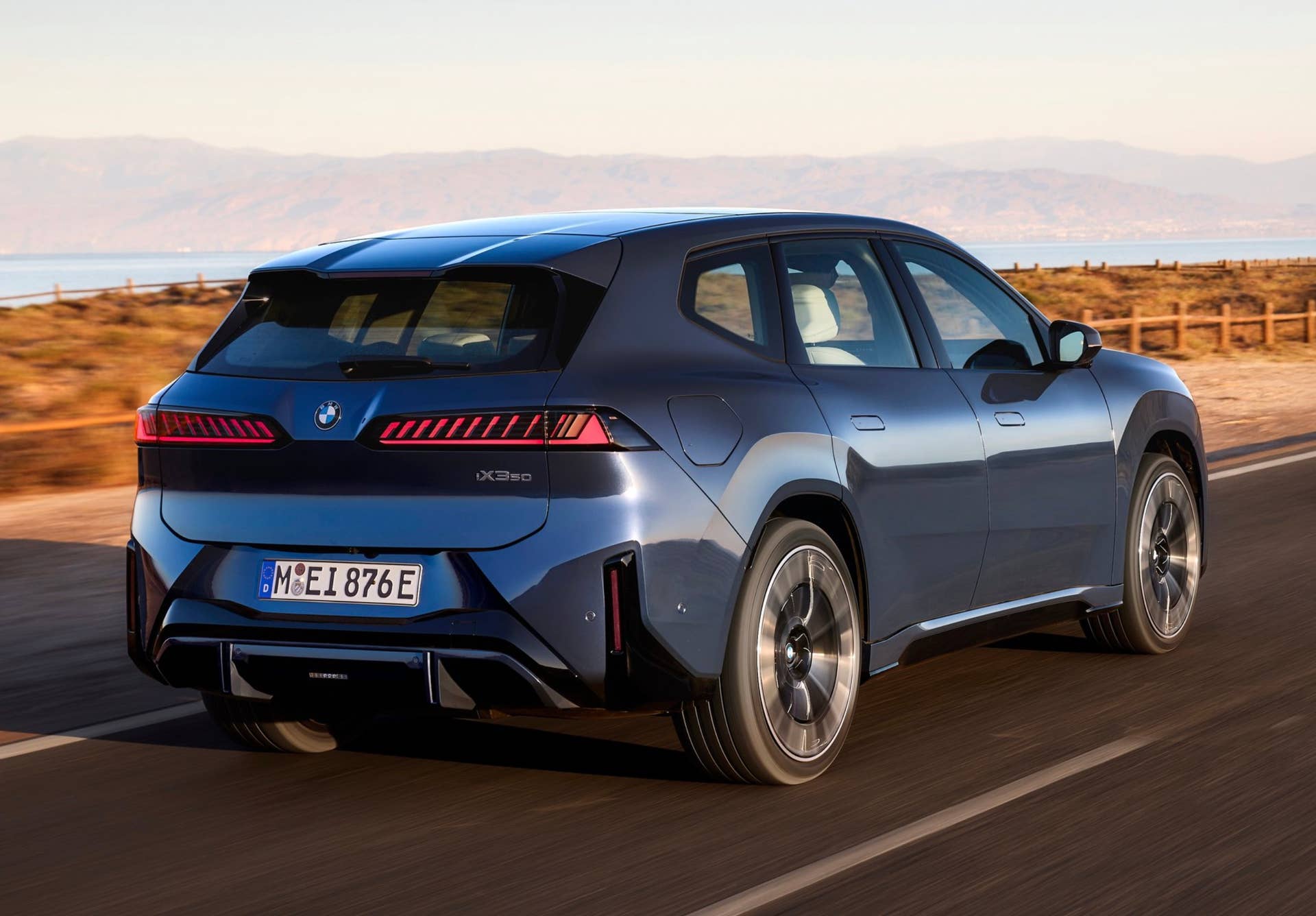
But what’s even more interesting is the fact that over half of all current orders for the X3 are for the new, all-electric iX3. They may share the ‘X3’ badge, but these are two vastly different vehicles. The newer iX3 was the first EV from BMW’s Neue Klasse lineup and introduced a new design language and control interface for the brand. The fact that orders for this model already exceed those of the normal X3 is significant. The X3 has been one of the company’s most popular individual models for years now, but there are signs that its electric sibling could overtake it globally.
The iX3 has not yet arrived in the U.S., so once sales begin here, expect this EV’s strong start to be further bolstered. In the U.S. specifically, BMW sold 17,767 X3s in Q1, so it will be fascinating to see how those numbers will be impacted by the arrival of the iX3 later this year.
Related: BMW Had a Great 2025 by Breaking Yet Another US Sales Record
Larger Electrified BMW SUVs See Steep Declines
2026 BMW iX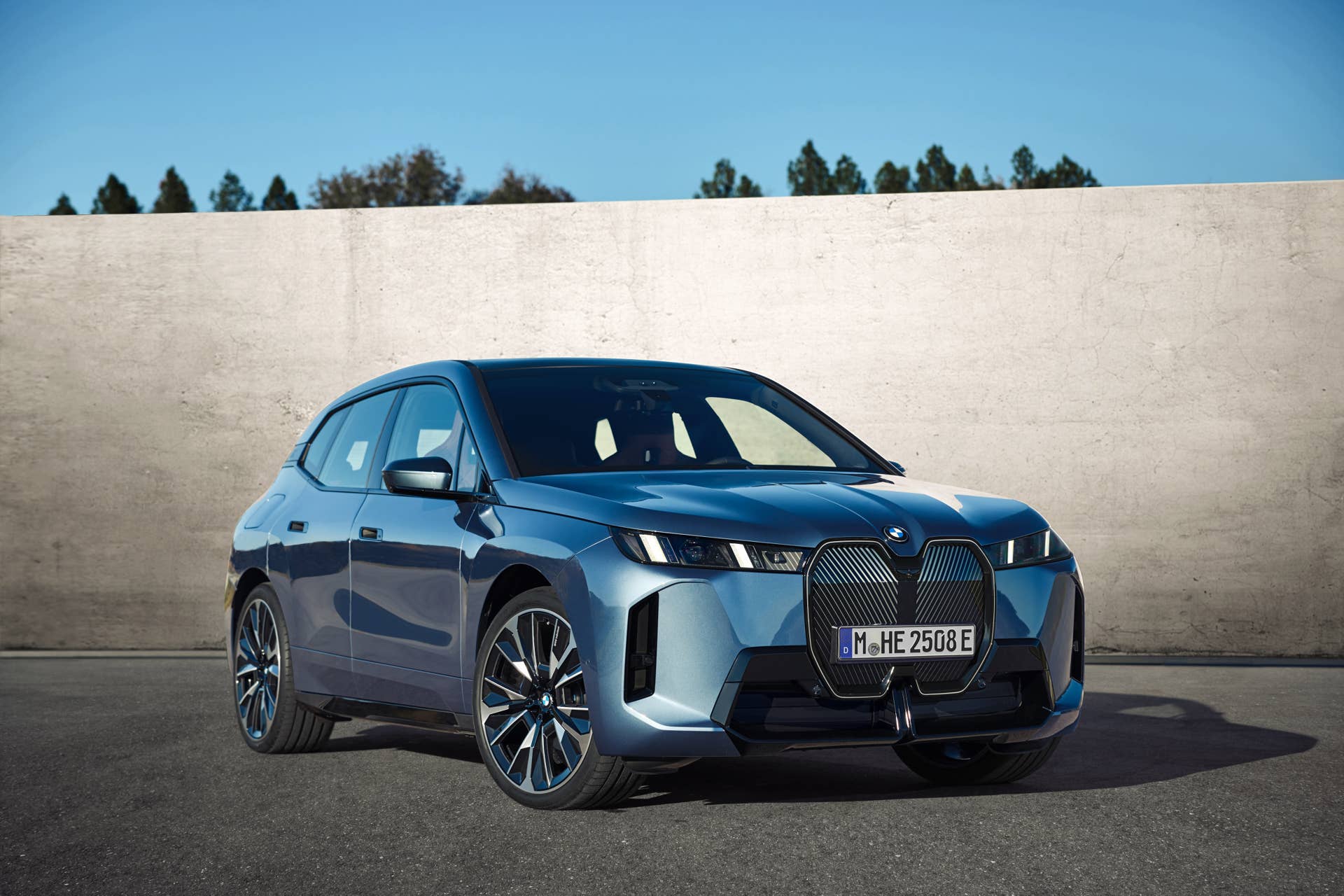
The iX3 may be off to a great start, but the same can’t be said for the brand’s larger electrified SUVs. The company sold 6,319 iX models in Q1, a year-over-year drop of 20.3%; it doesn’t help that the iX will be discontinued in the USA. The XM plug-in hybrid has never sold as strongly as expected, despite being the brand’s SUV performance flagship. Only 1,458 of these were sold in Q1, down by 17.6%. At a starting price of around $60,000, the new iX3 is far cheaper than both these options, which broadens its appeal considerably.
Elsewhere in BMW’s lineup, the 3 Series and 4 Series accounted for the most sales at 103,814 units, but this was down by 11.8%. They were followed by the X1/X2 SUVs on 101,831 combined units, down by 4.4%. Overall, BMW sold 4.6% fewer vehicles over this period than it did last year. The U.S. market was slightly more resilient, with a 3.9% drop in sales.
Related: BMW Hits 2-Million EV Milestone, But Later Than Planned
What It Means
BMW
The X3 has often been the best-selling global model for BMW over the last few years. The fact that BMW is presently receiving more orders for the iX3 than the normal X3 is massive, and underscores how pivotal the first Neue Klasse model is for the brand. If the EV market once again stabilizes after a chaotic few months—which is expected as high gas prices motivate more people to switch to electric propulsion—the iX3 could become one of BMW’s most significant cars in the second half of this decade.