In the world of automotive manufacturing, automation has traditionally referred to massive robotic arms bolted to the floor, safely enclosed in steel cages, performing strictly defined duties. These machines are fast and precise, but also immovable and rigid. As automakers pivot toward these robo-friendly production methods, old-school rigidity is becoming a bottleneck.
BMW is looking to lead the way in the context of robotic implementations of AI in manufacturing processes. After a successful pilot program at its Spartanburg, South Carolina plant, the German automaker is deploying a new generation of AI-powered humanoid robots—called AEON, designed in collaboration with Hexagon Robotics—directly into its production lines in Leipzig, Germany.
BMW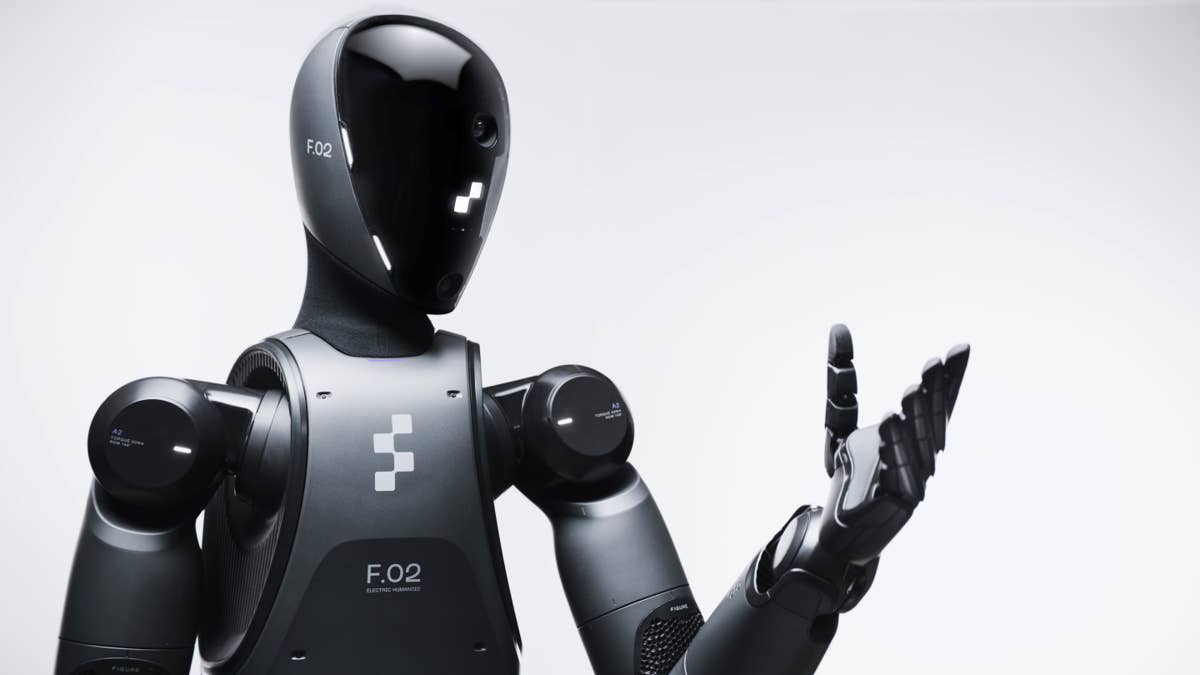
Machine Discipline with Human Reasoning
Unlike the stationary robots of the past, the AEON units are designed to move, operate, and solve problems much like we do. Standing at roughly human height and utilizing advanced AI-based motion control, these robots don’t just follow a pre-programmed path; they perceive their environment and work according to a set of constantly updated production models managed by the back-end of the design. This back-end, also known as project “Insight”, was designed by doctoral candidates at the University of Zagreb in Croatia, aimed at optimizing battery production at the Leipzig plant, which is rapidly becoming the hub for BMW’s EV production. The robots combined with the production models designed by the University of Zagreb produce robots that do not simply freeze when an expected parameter changes; they assess the current status of the production line, and move on to an appropriate job.
BMW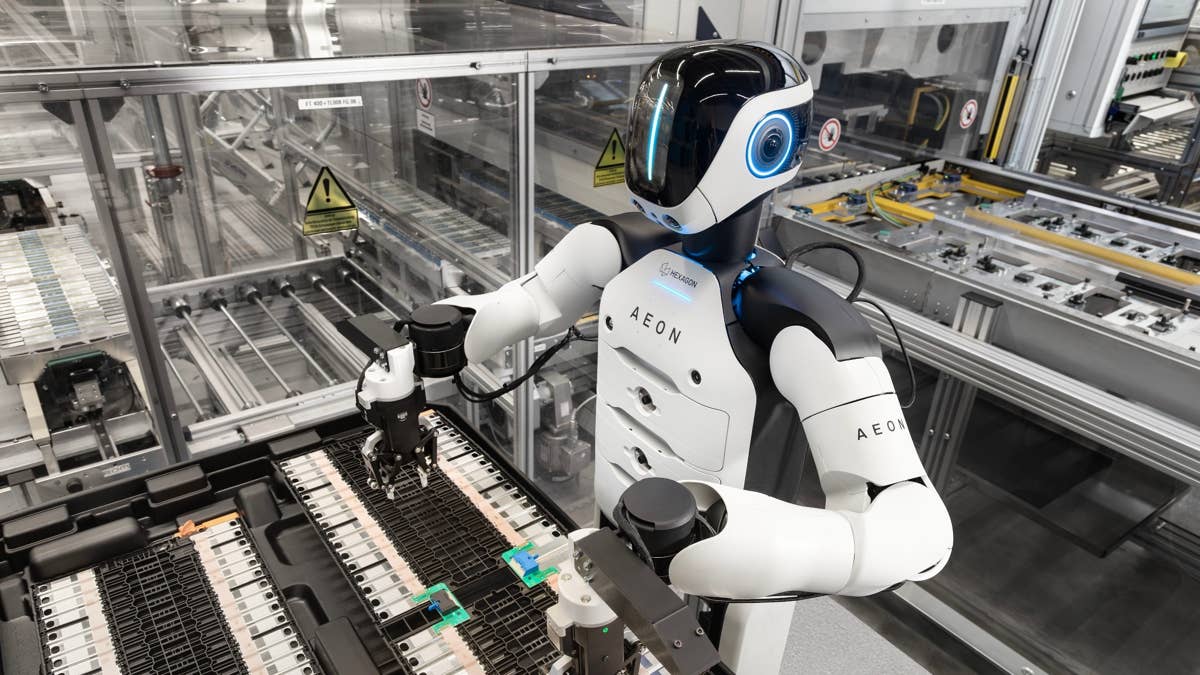
The push for humanoids is a calculated response to the homogeneity and planned obsolescence that often plague the EV market. American consumers are increasingly vocal about their desire for soul and variety. To stay competitive, manufacturers need to keep costs down while maintaining the ability to update designs rapidly – here’s where the robots come in. BMW claims that they have reduced production material wastage by a claimed 50 percent, as well as reduced production time per vehicle by a significant amount. Standard automation is expensive to move and slow to adapt. A humanoid robot, however, can theoretically perform any task a human can. For robots to move from the production of one model to another, they just need a software update, or essentially a new set of instructions.
The iFactory Initiative
This rollout is a cornerstone of BMW’s iFACTORY initiative, a global strategy focused on making production “lean, green, and digital.” By successfully integrating these robots into a real production environment—one that has already contributed to the building of over 30,000 vehicles—BMW is proving that AI in manufacturing is moving out of the lab and onto the floor. As we see the industry undergo a profound correction, the winners will be the companies that can produce high-tech vehicles with the leanest, most adaptable infrastructure. BMW is betting that the future of the assembly line isn’t larger facilities, it is smarter coworkers.