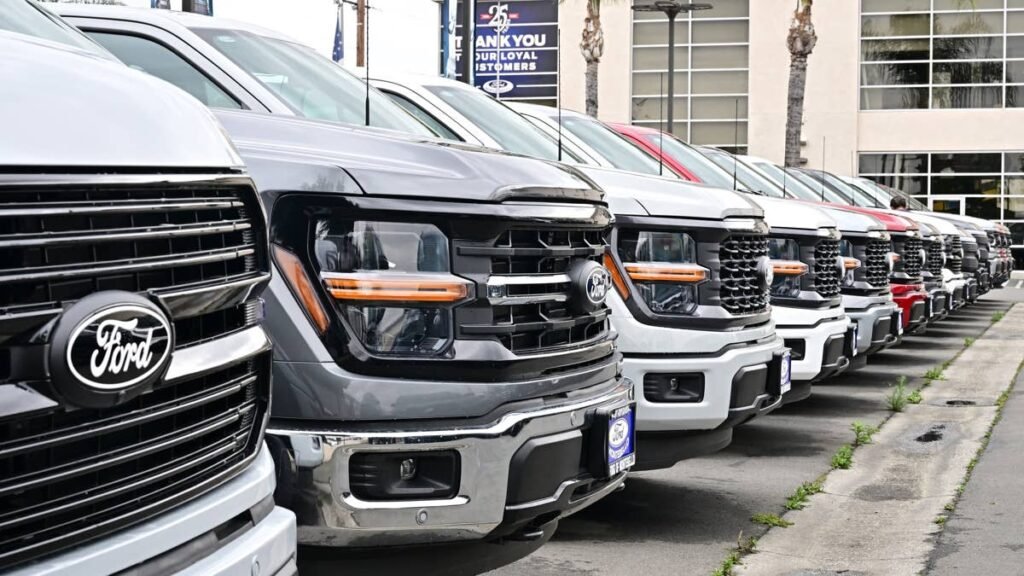
American buyers’ penchant for big SUVs and pickup trucks has several negative consequences like rising greenhouse gas emissions, increasing fuel consumption, ballooning new car average transaction prices, higher road wear, the overcrowding of city parking spaces, and more.
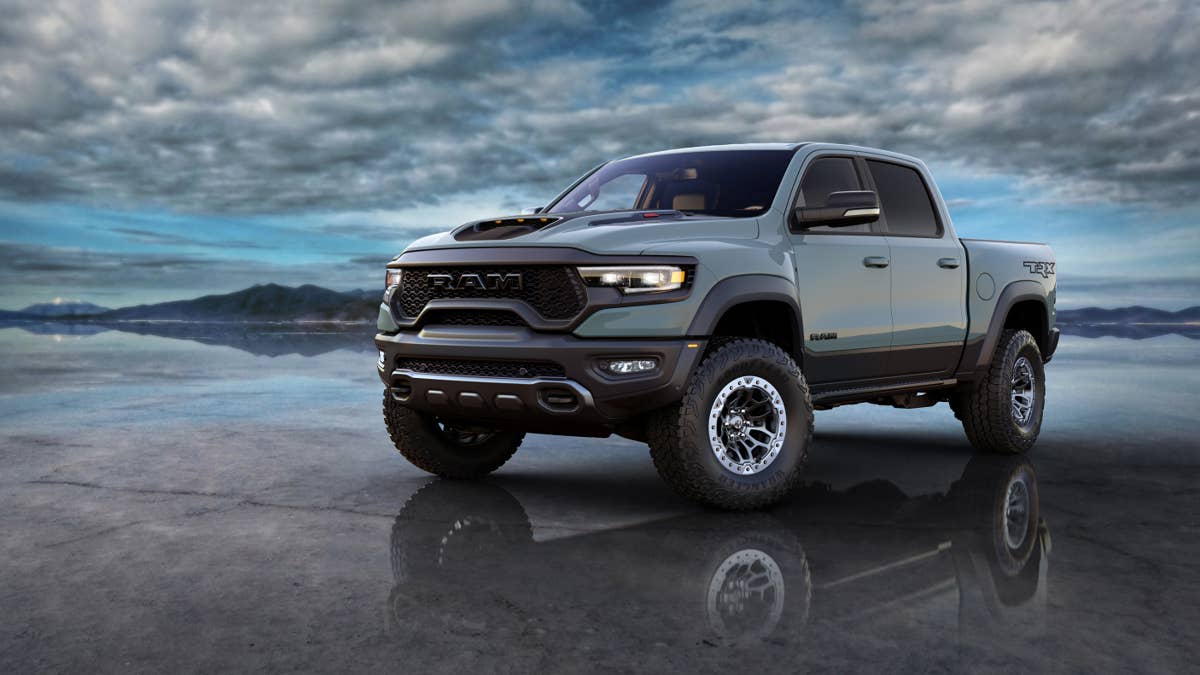
But the effect these supersized vehicles have on safety is the most worrying aspect of all. Their higher hoods and upright A-pillars create extensive forward blind zones, making it harder for drivers to spot small children, cyclists or objects directly in front of their bumper. Furthermore, modern trucks’ tall, flat front ends often strike pedestrians and cyclists directly in the head or torso, increasing the likelihood of fatal injuries, according to the National Safety Council.
And that’s not all. Due to their higher mass and inertia, large SUVs and trucks put smaller sedans and hatchbacks at a massive disadvantage in multi-vehicle collisions, resulting in a much higher likelihood of severe or fatal injuries for passengers of regular cars when they collide with big SUVs or trucks.
Big SUVs And Trucks Are More Dangerous For Everyone Else On The Road
Ram
Unfortunately, U.S. road fatalities statistics accurately reflect all these factors. A new analysis by The New York Times (subscription required) and the Insurance Institute for Highway Safety found that pedestrian deaths have risen 75% since 2009 and there’s a direct correlation between the fatalities and the hazards big trucks and SUVs present due to their weight, height and blind spots.
Why was the year 2009 picked as a reference point? Well, it’s because pedestrian fatalities have been steadily increasing since that year after decades of declines. One can’t attribute that exclusively to the SUV and truck boom, though, as that began way earlier in the 1990s. Still, the financial crisis in the late aughts put a pause on that, albeit for a brief period; soaring gas prices also affected sales of SUVs and trucks at the time.
Then something else happened, as The Drive points out. Shortly after 2008, the U.S. introduced stricter emission standards, leading people to buy more fuel-efficient vehicles, which often were passenger cars. Not long after that, the Cash for Clunkers program started, wiping off nearly 700,000 cars from the used market and forcing buyers into newer, more fuel-efficient models.
The EPA’s new rules also had unintended consequences as they allowed carmakers to pollute more if their cars were larger, leading to the rise of the crossover, which has since replaced the midsize sedan as America’s favorite family car.
At Least 3,000 Deaths From 2016 To 2024 May Be Attributable To Vehicles With Higher Hoods
Chevrolet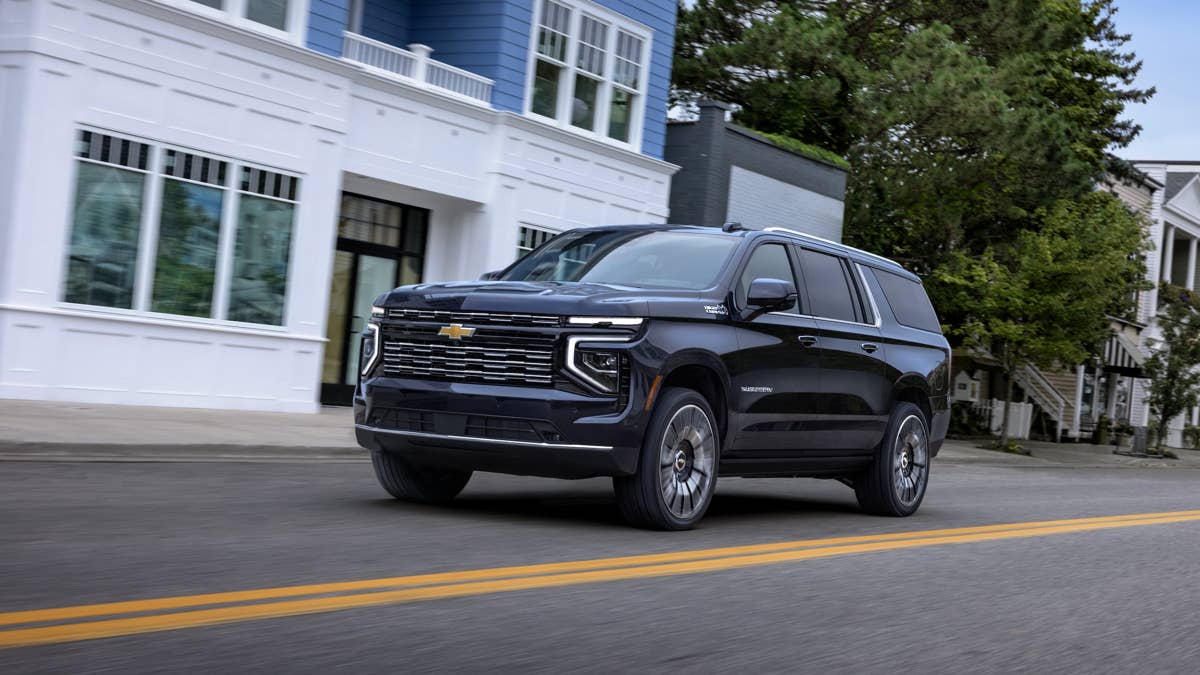
Taking all these factors into account, the NYT analysis found that thousands of deaths could have been avoided over the past 16 years if vehicles had not become so tall and heavy.
“After analyzing federal and industry records, including never-before-examined data on vehicle dimensions, we found that the rise of large pickups and S.U.V.s is an important factor,” the Times report said. The paper estimates that “about 200 to 400 pedestrians a year would not have died if vehicles had remained approximately the same size over the past quarter-century.” That’s about 10 percent of the recent increase in pedestrian deaths.
And it gets worse. From 2016 to 2024, the study estimates that about 3,000 deaths can be attributed to the shift to vehicles with higher hoods. As shocking as that number may be, the NYT considers it likely conservative since crashes are complex and it’s hard to identify precisely every data point for each accident. Furthermore, the estimate doesn’t include crashes that took place in parking lots, driveways or private roads as they fall outside federal crash databases.
The study is much more comprehensive and we recommend you to check it out in detail. Now, while vehicle size is a big factor in the increase of pedestrian fatalities, it’s obviously not the only one. Smartphone sales also started to boom around the late aughts, so pedestrian and driver distraction is likely a big factor as well in the increase of fatalities.