
California’s New Privacy Battleground
California is currently facing a tense standoff between state regulators and the automotive industry. A landmark law aimed at protecting domestic violence survivors from being stalked through vehicle technology has hit a major regulatory roadblock. Automakers are threatening a complete freeze on new and used car sales in the state unless the government immediately delays the upcoming compliance deadline.
The critical safety law requires companies to quickly revoke remote vehicle access for abusers when a victim provides an official restraining order. It also mandates a simple, accessible in-car feature allowing drivers to disable location tracking entirely from the dashboard. While the industry has adapted to the online reporting requirements, executives claim that engineering a universal in-car location switch across hundreds of models is impossible before July.
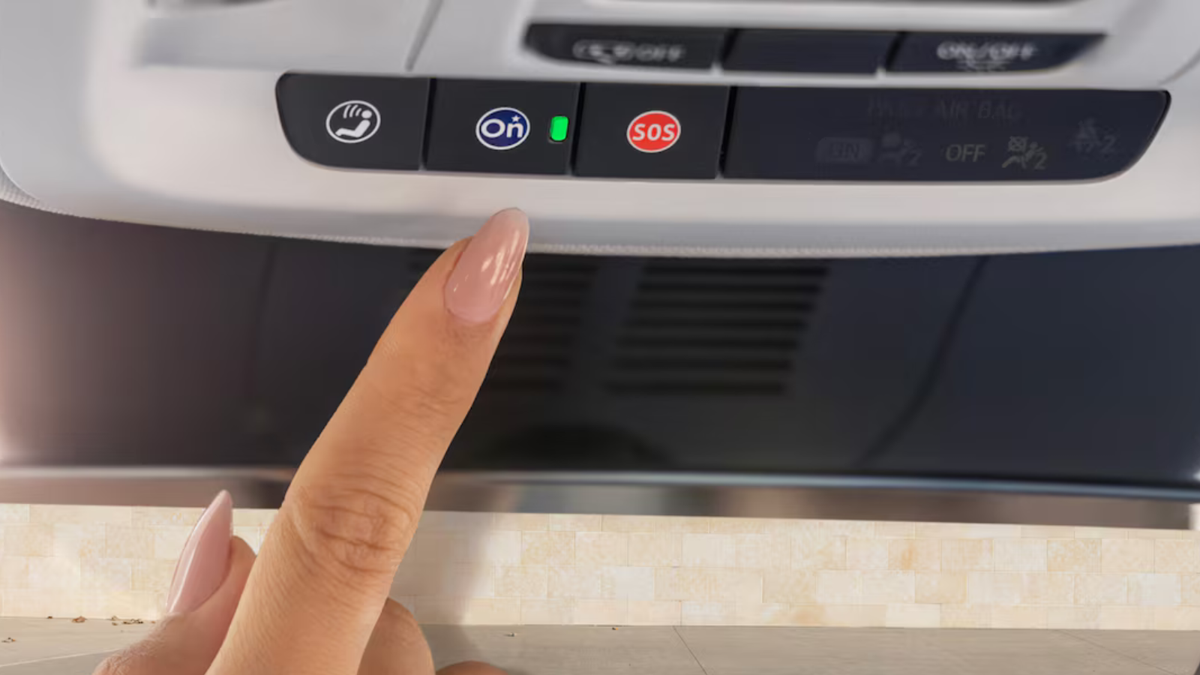
The Automotive Industry’s Ultimatum
According to Reuters, the Alliance for Automotive Innovation warned that vehicle sales could halt entirely on July 1 without immediate legislative intervention. The lobbying group represents major manufacturing powerhouses, including General Motors, Toyota, and Hyundai. A proposed compromise bill is currently moving through the state legislature to extend the engineering deadlines, but time is running out for the governor’s formal signature.
This corporate pushback occurs as public anxiety over automotive surveillance reaches an all-time high. Consumers are increasingly discovering that even unconnected vehicles can harvest location data through built-in technology systems. In separate legal battles, brands like Toyota face lawsuits over covert vehicle tracking after owners realized their daily movements were being tracked without explicit consent.
Honda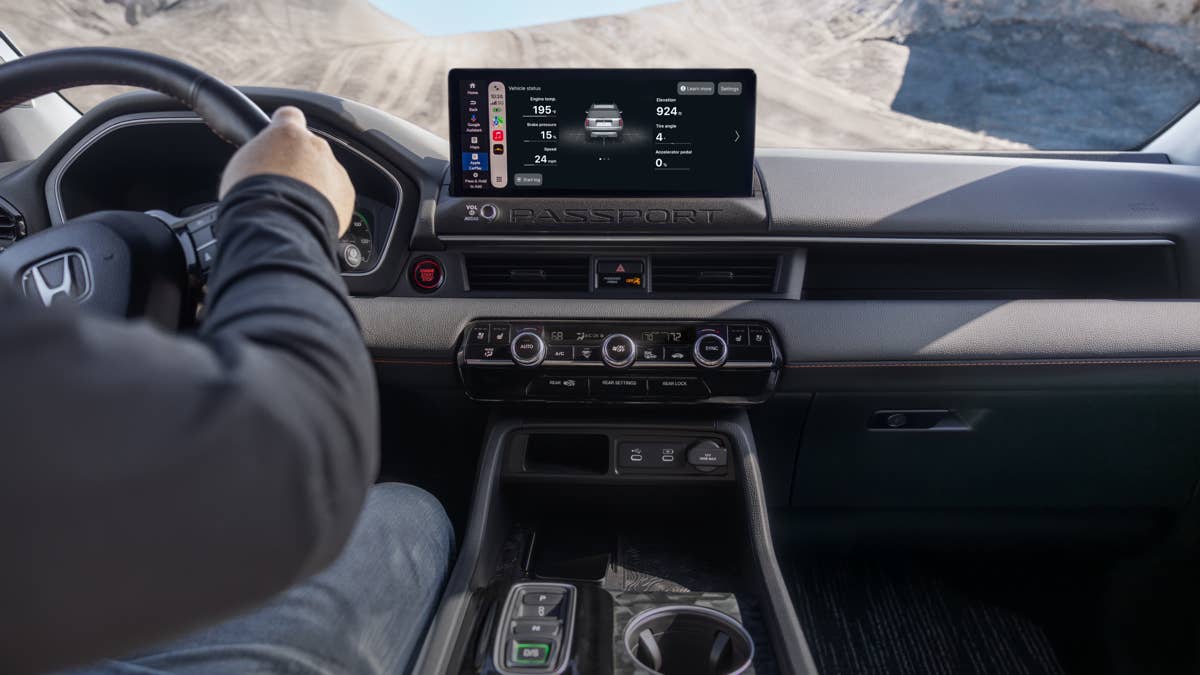
Corporate Profits Over Passenger Safety?
The sudden panic from automakers over California’s safety deadlines feels less like a technical limitation and more like a defense of profitable telemetry data. For years, the industry has quietly commodified driver habits under the guise of digital navigation and user convenience. This invasive practice became undeniable when GM faced massive legal blowback for selling driver data to insurers, which secretly spiked consumer premiums.
Despite corporate attempts to dismiss these allegations, a recent court ruling forced General Motors to fight driver-data claims out in the open. The automaker ultimately agreed to a massive financial settlement, proving that GM paid millions for selling private driver data after promising total confidentiality. If car companies can seamlessly organize digital tracking for corporate profit, they can find the resources to protect domestic violence survivors.
Honda