Policy Changes Stifle EV Demand
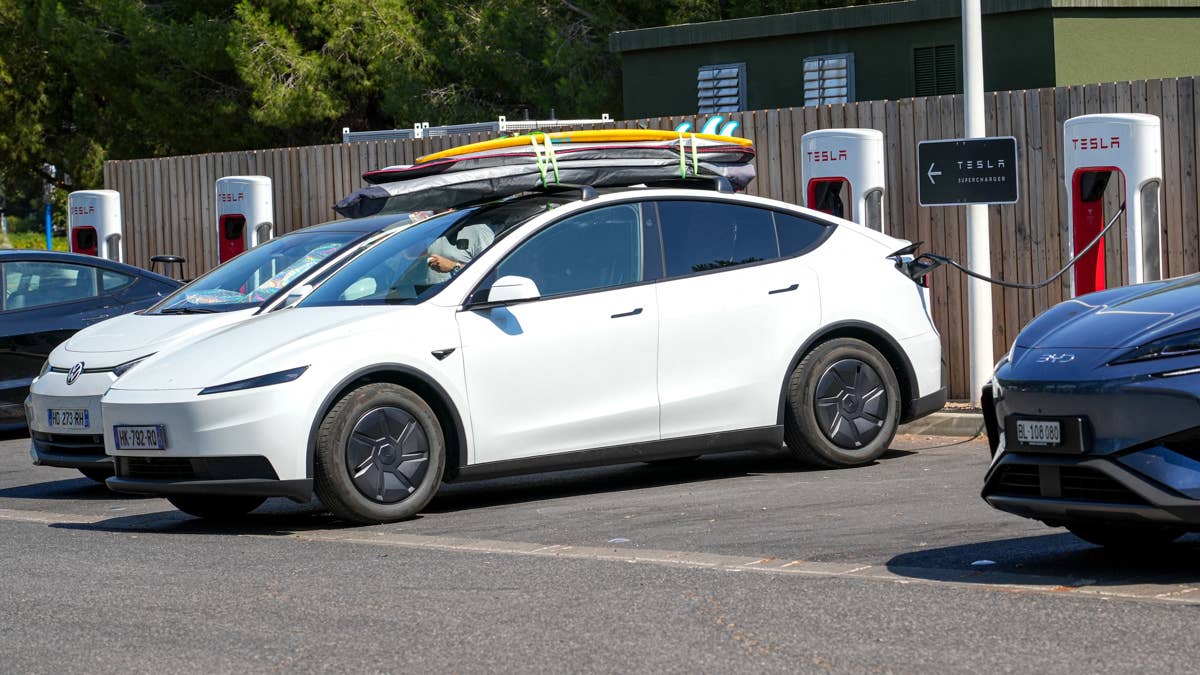
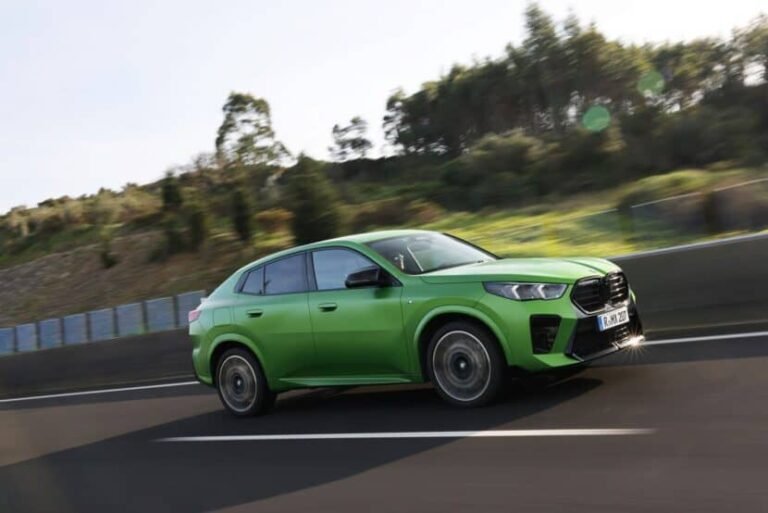
The U.S. electric vehicle market faces a steep recovery nearly a year after the repeal of federal EV tax credits triggered an initial buying surge followed by a prolonged slump. With incentives gone and the Trump administration relaxing fuel-economy standards, automakers are recalibrating their powertrain strategies. Instead of forcing battery-electric lineups, manufacturers are expanding hybrid production and reinvesting in combustion engines to match market demand.
Industry analysts view the pivot as a pragmatic move to curb billions in EV program losses. As Karl Brauer of iSeeCars noted, manufacturers are embracing actual consumer demand rather than speculative targets. The shift offers financial relief to carmakers while benefiting consumers through accessible hybrid models that avoid high price premiums and charging obstacles.
Honda
EV Sales Plummet, Hybrids Surge
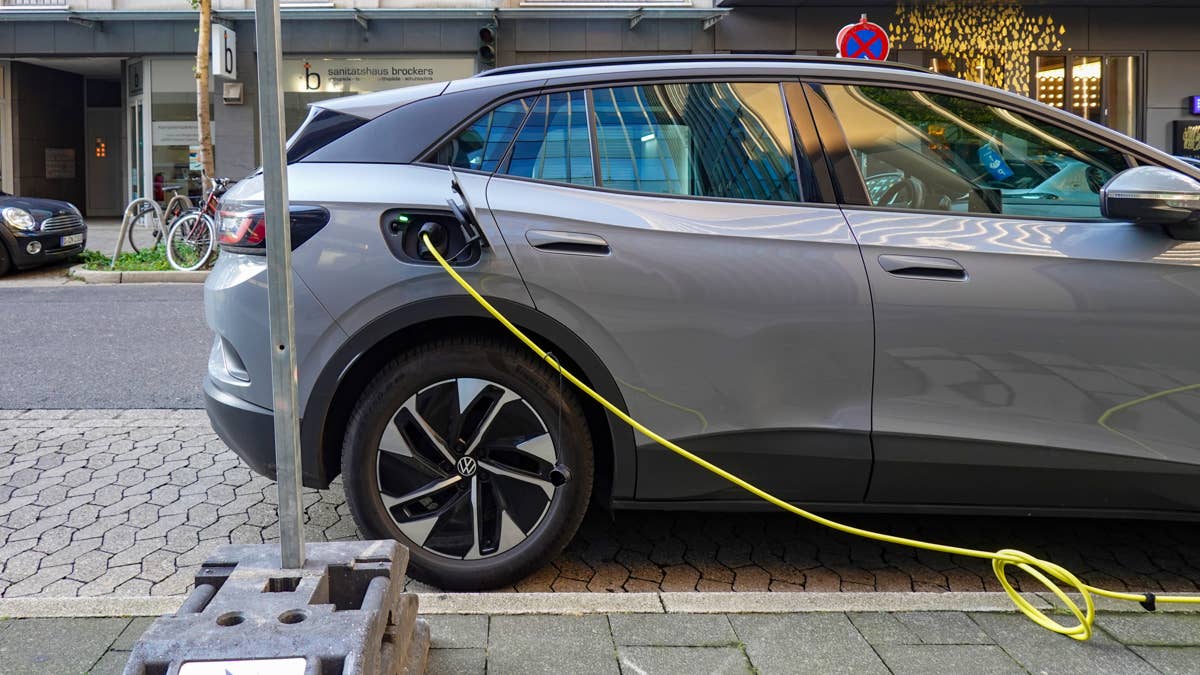
According to a report from Automotive News, Mobility Global data underscores the trend, with July marking the tenth straight month of declining EV registrations. Volume fell 31 percent to 85,714 units, dropping EV market share to 6.2 percent from 8.9 percent a year earlier. Chevrolet and Ford led the slump with EV registrations dropping 72 percent and 69 percent respectively as government incentives expired.
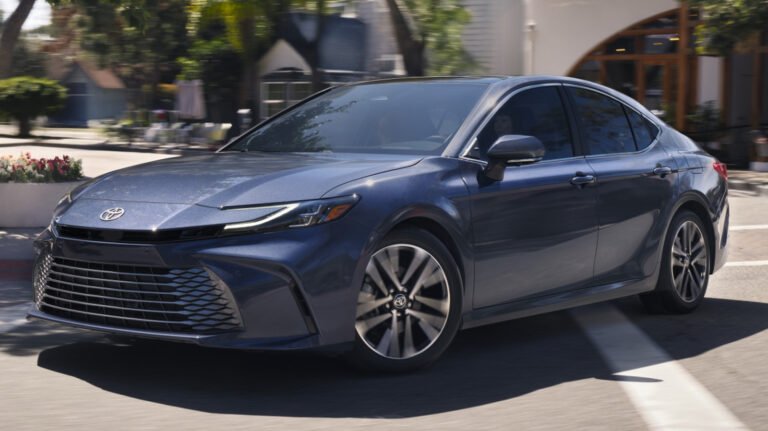
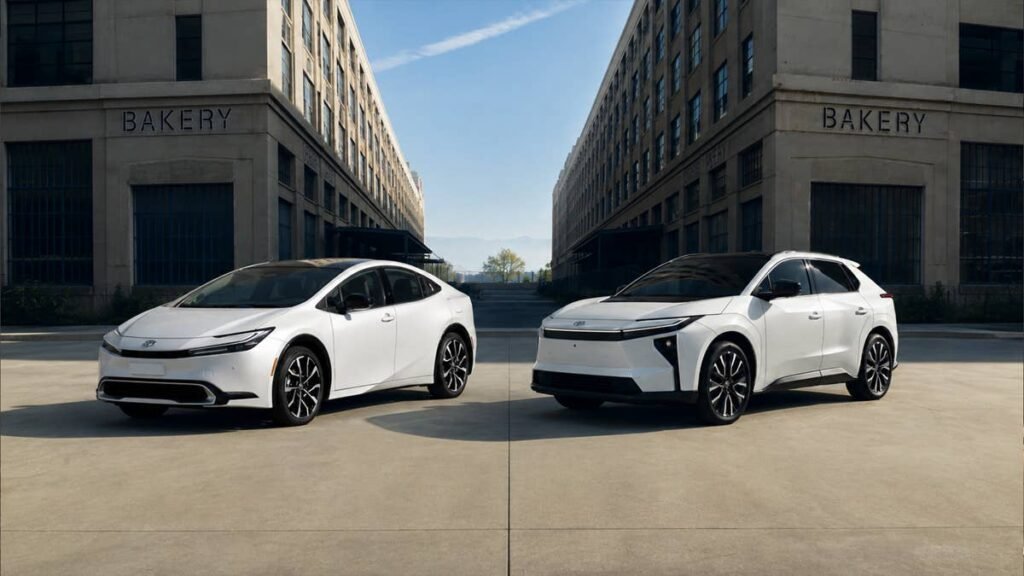
Conversely, automakers prioritizing hybrids are seeing strong results. Toyota recorded an 86 percent jump in July EV registrations behind its new C-HR, while its broader alternative-powertrain lineup continues to thrive. The automaker’s strategic plug-in hybrid strategy is capturing efficiency-minded buyers, and Toyota’s hybrid lineup now outpaces its gas-only sales across the country.
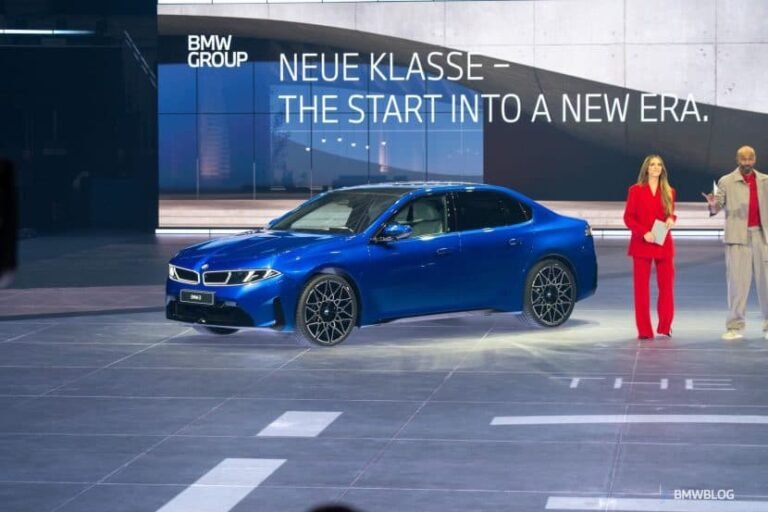
These shifts are forcing broad strategic delays. In response to consumer demand and altered emissions rules, brands are extending EV timelines. A recent Mazda schedule change pushed its first EV debut to 2029 to prioritize hybrids. With hybrid market share reaching 16.4 percent in July, gas-electric models are clearly dominating the current transition phase.
Getty Images
Policies and Market Demand Force a Reset
The industry’s retreat from aggressive EV roadmaps marks a necessary market realignment rather than a retreat from innovation. For years, regulatory mandates pushed production goals ahead of charging infrastructure and buyer readiness. Removing artificial policy support forces automakers to deliver vehicles aligned with consumer lifestyle realities and financial willingness.
Hybrids serve as the ideal bridge technology, delivering immediate fuel efficiency without requiring habits to change. By stabilizing profits through gas and hybrid vehicles, automakers secure the capital needed to engineer truly affordable EVs long-term. For now, market dem and not just government mandate, is rightfully dictating the pace of automotive progress.