A Gas-Powered Twist?
One of the latest shifts in the car industry is that some automakers are bringing back combustion powertrains, with Ram reviving the 1500 TRX and its Hemi V8. However, market preferences still vary, with the U.S. remaining more receptive to combustion-powered performance vehicles than some other regions.
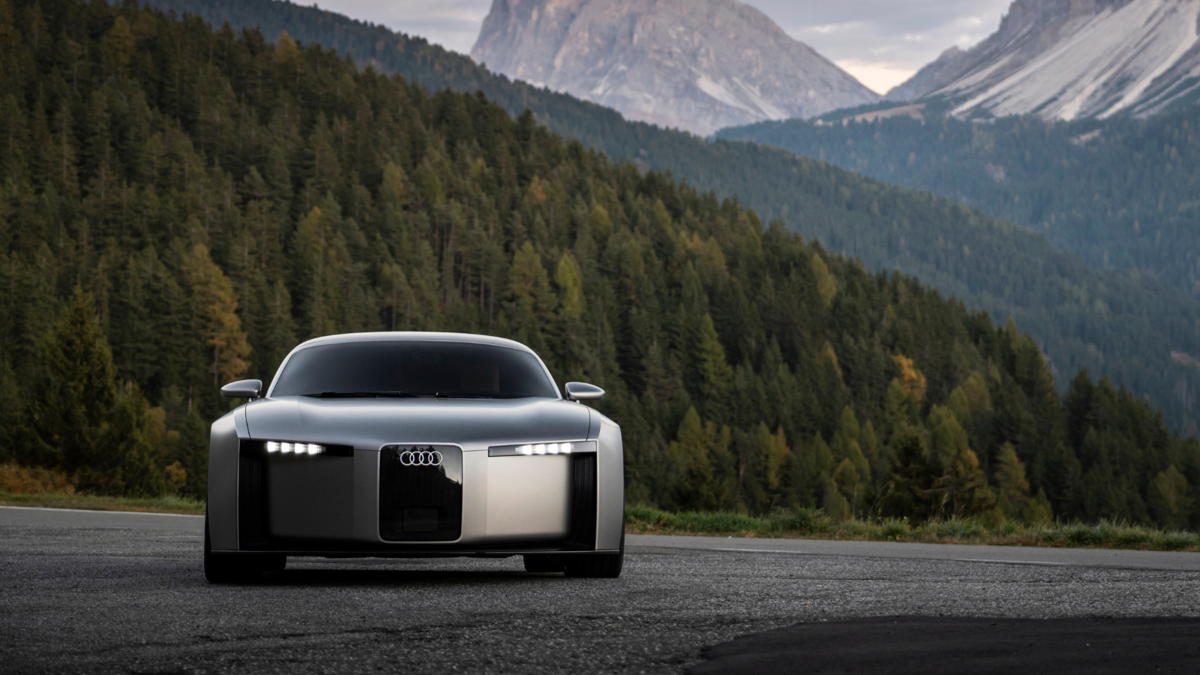
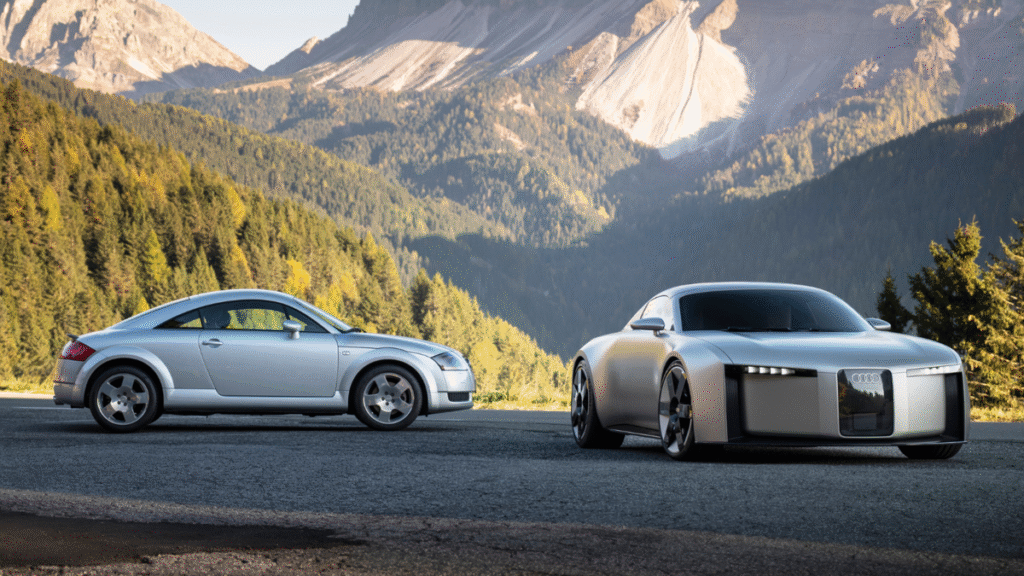
That raises the question of whether the production version of the Audi Concept C, seen as the spiritual successor to the TT, could get a combustion powertrain to cater to American buyers. After all, it is related to the planned all-electric Porsche 718, which is reportedly being re-engineered to accommodate a combustion engine. Thanks to CarBuzz, which asked Audi CEO Gernot Döllner directly about the matter, the Concept C’s direction is now clearer.
Audi Draws The Line
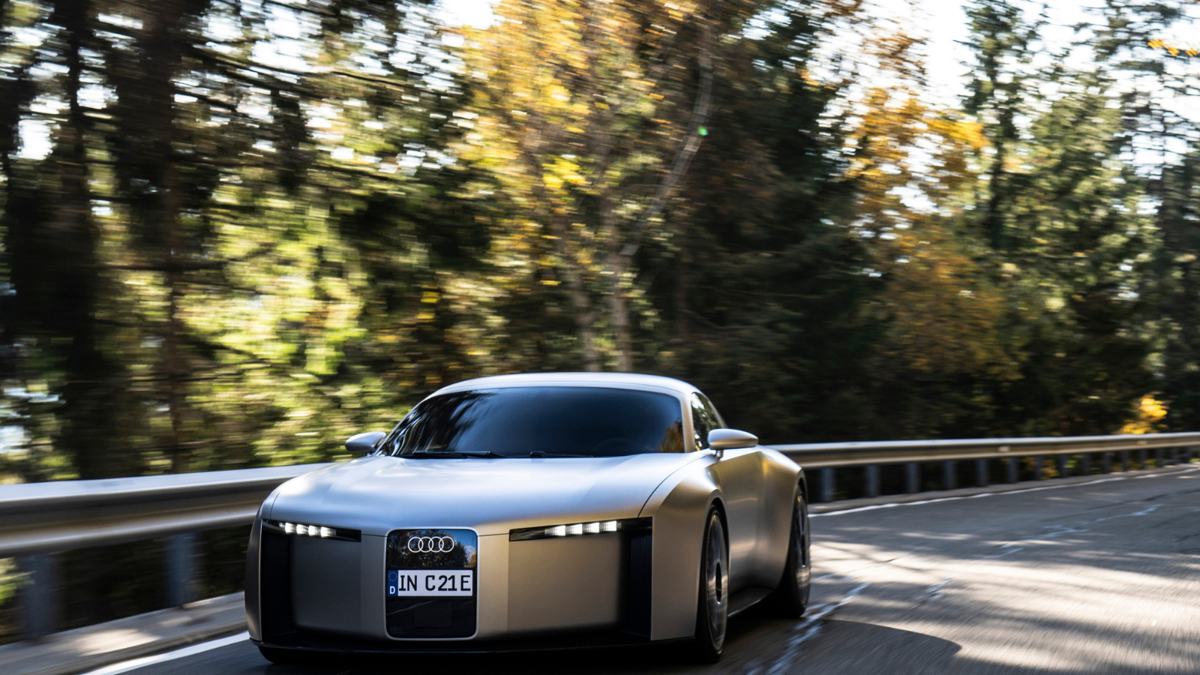
Audi’s boss confirmed the Concept C will stick to its original plan as an all-electric sports car. He told the publication, “Asking for that specific model, it will definitely be battery-electric only. We are not thinking about flexibility [for that model] because the global volume we are planning for [it] is quite small.”
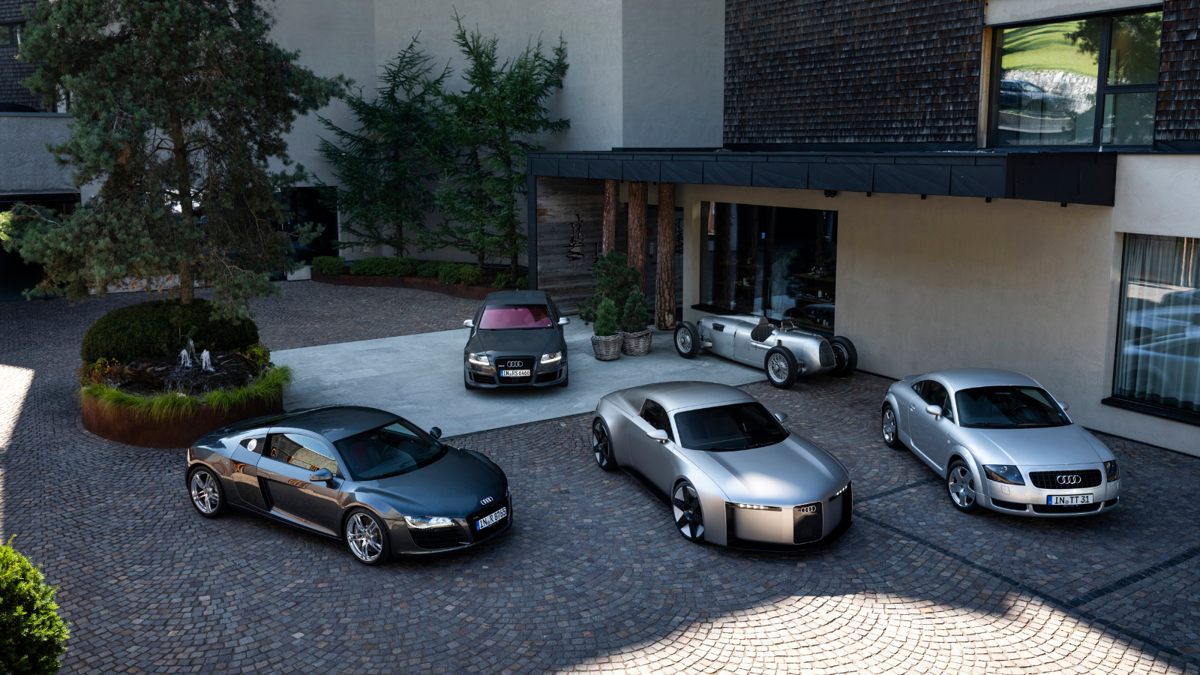
The confirmation may be underwhelming for enthusiasts and longtime Audi fans, especially since the German marque has not offered a dedicated combustion-powered sports car like the R8 since its discontinuation in 2024. Yes, RS-badged models still deliver serious performance, but the automaker currently lacks the kind of dedicated sports car once represented by the TT and R8. The Concept C – expected to start production in 2027 – seemed poised to fill that gap, but as Döllner stated, the production version will run exclusively on electricity.
Batteries Carry The TT Legacy
Despite ruling out a combustion alternative, Döllner anticipated stronger demand for the new all-electric sports car in certain parts of the U.S., particularly on the East and West coasts. Those regions generally support EV adoption more than others, with California even facing a federal lawsuit over its zero-emission vehicle rules, including its push to phase out new gas-powered car sales by 2035.
Given recent developments, Audi appears to be prioritizing profitable segments over enthusiast-focused projects, which do not always deliver the strongest financial returns. That approach is even clearer as the automaker continues to face U.S. tariff pressure on imported vehicles. Its latest move is the planned launch of the Q9, an all-new flagship three-row SUV that will debut in the U.S. before reaching other markets.