The Plot Thickens
The third-generation Toyota Tundra arrived in 2021 with a 3.4-liter V35A twin-turbo V6, which has been subject to reliability issues currently being addressed through recalls. But aside from the safety campaigns filed with NHTSA, Toyota sent an email to an engine builder, Eric, who had torn down a failed V35A on his YouTube channel, I Do Cars, and attributed its failure to catastrophic bearing damage.
Toyota disputed that explanation, claiming the failure stemmed from an oil filter that was somehow loose or removed from the vehicle. That’s different from the common culprit identified in the recalls, which is machining debris left inside the engines during production. As such, the engine builder got hold of another failed engine of the full-size truck to get to the bottom of it.
Third Time’s The Charm?
This particular example was a replacement engine manufactured on September 20, 2025, for a 2023 Toyota Tundra. It was estimated to have accumulated between 12,000 and 15,000 miles, fewer than the previous engine, which suffered a catastrophic bearing failure.
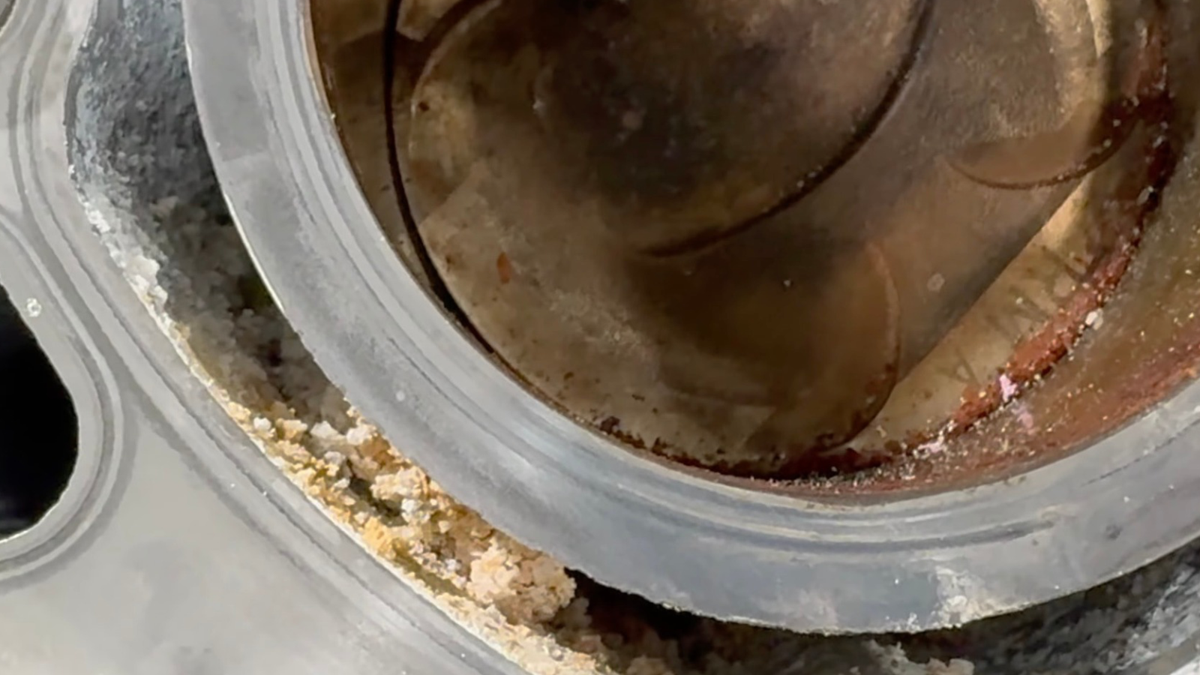
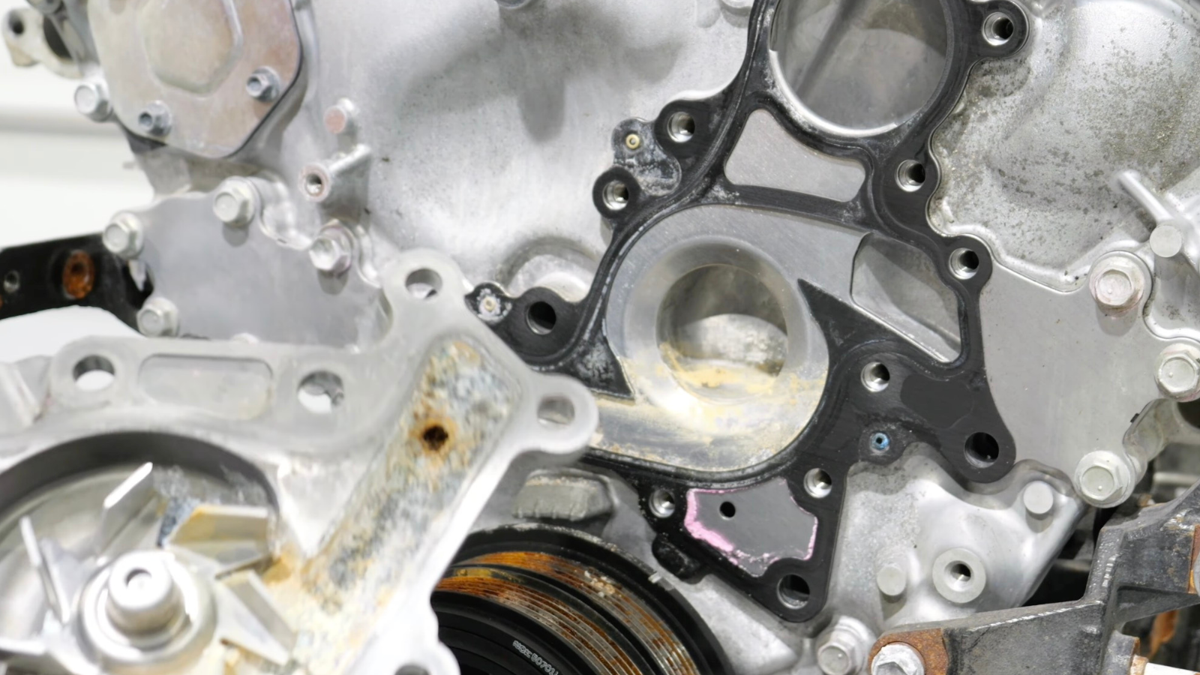
What set this latest engine apart was that the crankshaft turned easily during the manual rotation test, suggesting it hadn’t suffered a catastrophic bearing failure. But as the teardown progressed, Eric found crusty deposits in the cooling system. The head gasket was also breached, potentially allowing combustion gases to enter and pressurize the cooling system. The cylinder heads showed signs of severe overheating, including warping.
After inspecting the oil filter and oil pan, Eric found no large metal debris that could explain a catastrophic bearing failure. The main and rod bearings, however, showed uneven wear, although they weren’t destroyed like those in the previous V35A engines he had torn down.
A Hot Mess
While severe overheating was evident, it’s unclear exactly what caused it. Eric offered a few possibilities, including assembly issues or external factors, such as the engine being left running after an accident. That said, some measures to help avoid overheating include following proper maintenance schedules, maintaining coolant levels, and avoiding prolonged heavy engine loads without adequate cooling.
This replacement engine may not have suffered from the machining debris problem Toyota is addressing through recalls, but it gives Eric another opportunity to investigate the V35A’s reliability issues. He said the engine offers a narrow window for inspection before catastrophic bearing damage occurs. With plans to send components and oil samples for further analysis, his investigation into the Toyota engine isn’t over.