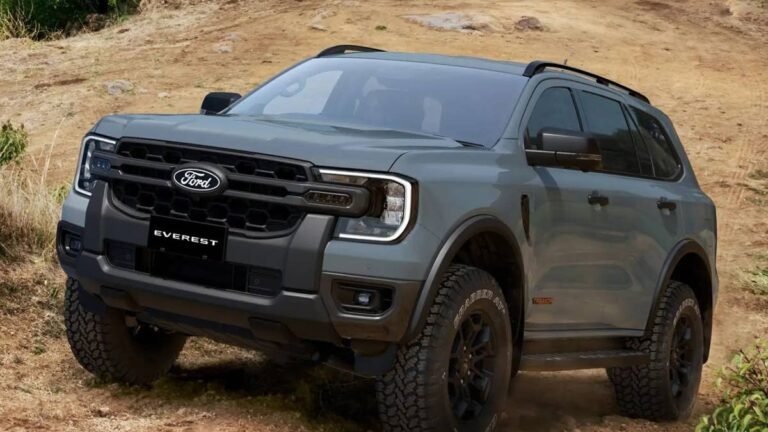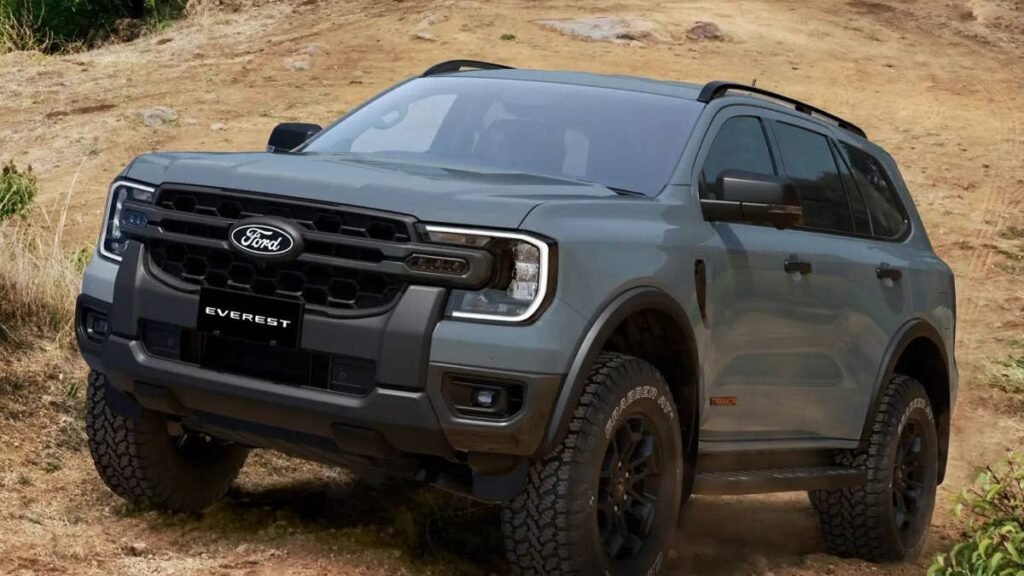
Stateside gearheads spend an unhealthy amount of time begging automakers for the cool metal sold overseas. We constantly demand affordable, rugged utility vehicles that don’t cost the equivalent of a second mortgage just to get into the backcountry. It is absolutely no secret that we love the Ranger, sometimes even arguing it makes a vastly superior daily driver than the bloated full-size trucks clogging our suburban driveways.
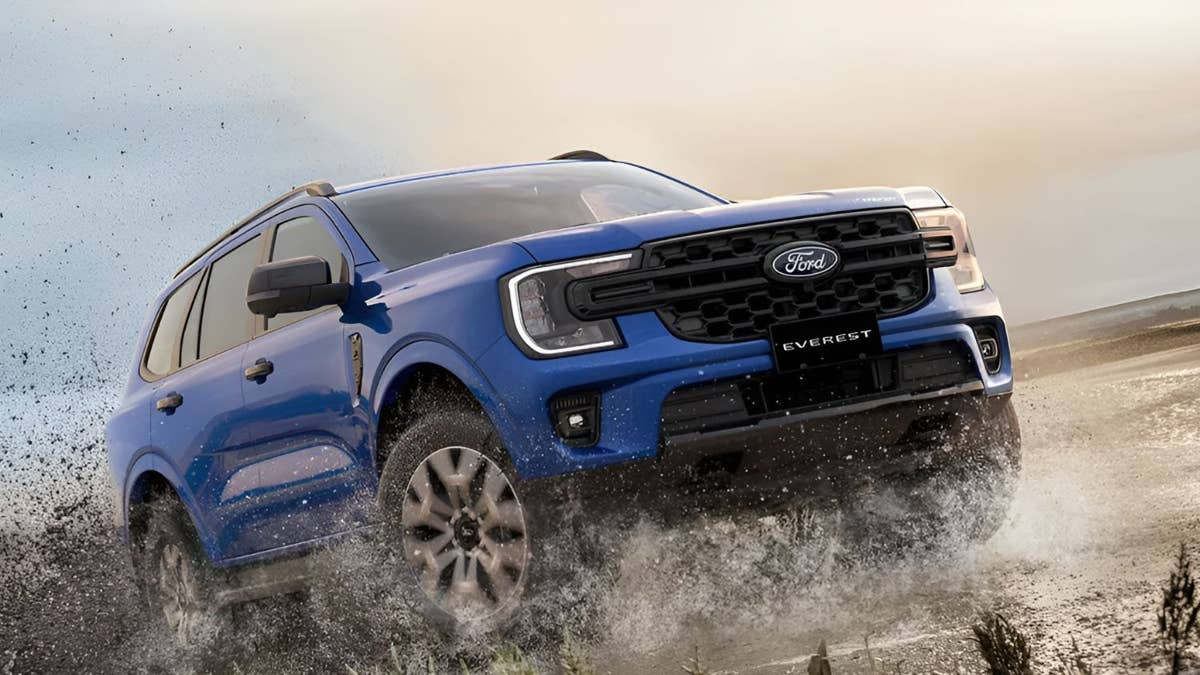
However, recent reports pouring out of the Australian market might make you reconsider your intense jealousy. A glaring manufacturing defect is currently plaguing the heavily hyped 3.0-liter turbo-diesel V6 variants of both the Ranger pickup and the Everest SUV. Suddenly, being denied these specific global powertrains by corporate brass feels less like an unfair snub and more like a stroke of incredible luck for American buyers.
Ford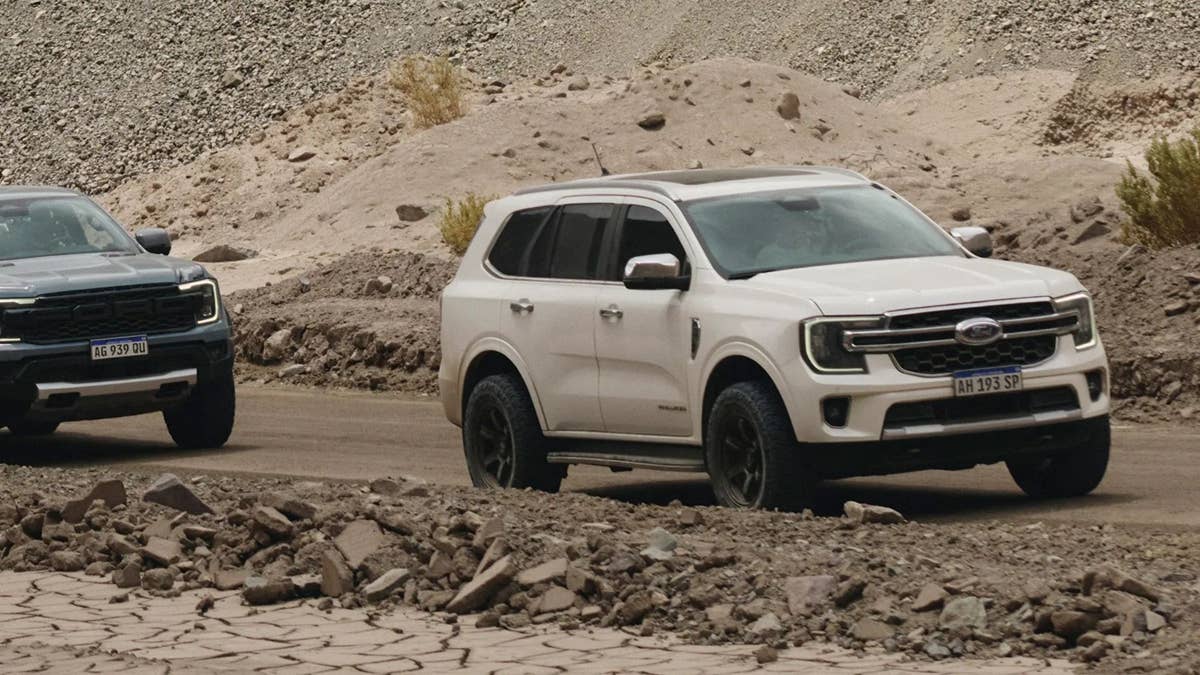
Can’t Stop Leaking
According to a report from Drive, the core of this mechanical nightmare boils down to a botched turbo oil return line. A fragile rubber O-ring is reportedly failing under sustained operational stress, causing critical engine oil to bleed out from the bay. Some unfortunate owners are experiencing these catastrophic leaks with barely a few thousand miles on the digital odometer, leaving their prized off-roaders completely stranded in the repair shop.
Ford has officially acknowledged the massive blunder, estimating that up to 140,000 global units hit the streets before a permanent factory resolution was finally implemented late last year. That is a staggering number of potentially defective vehicles roaming the Outback and beyond. To mitigate the active bleeding on existing models, dealerships are now retrofitting affected rigs with an elongated, redesigned drain tube that thankfully bypasses the need to completely extract the turbocharger housing.
Interestingly, this exact same controversial diesel block powers the global VolkswagenAmarok pickup truck. While Volkswagen executives claim they are only monitoring a handful of isolated warranty claims and deny a widespread product crisis, the shared powertrain architecture naturally raises serious long-term reliability questions for anyone heavily invested in this platform.
Ford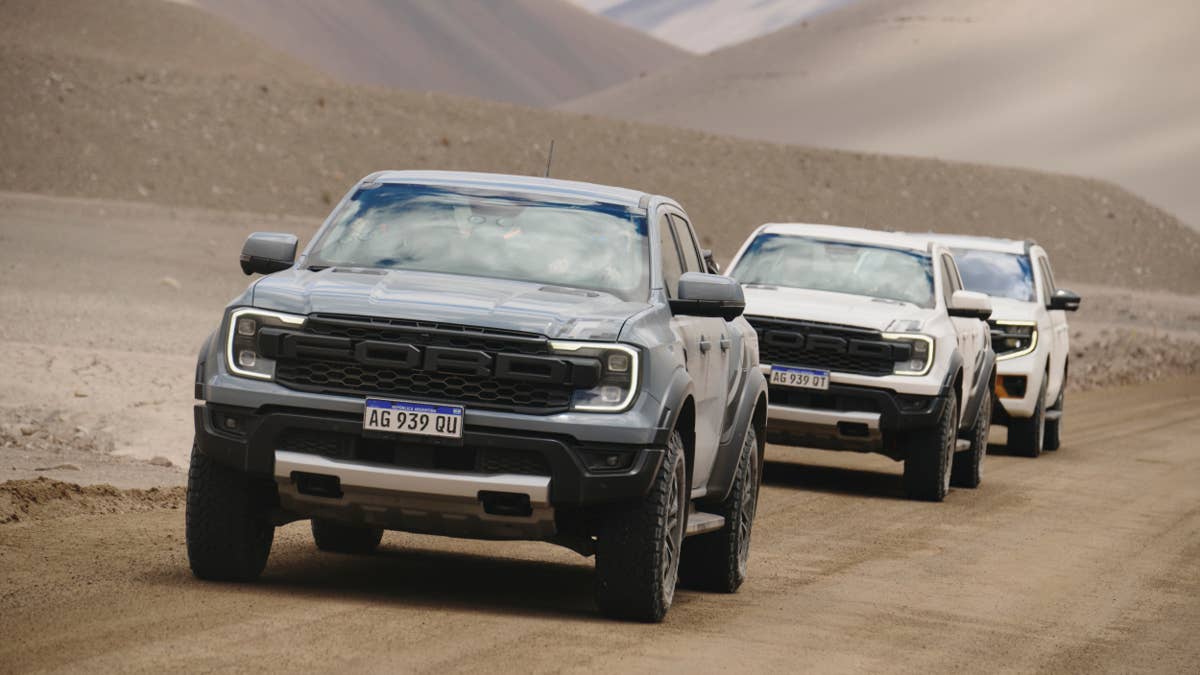
Looks Good From Far Away
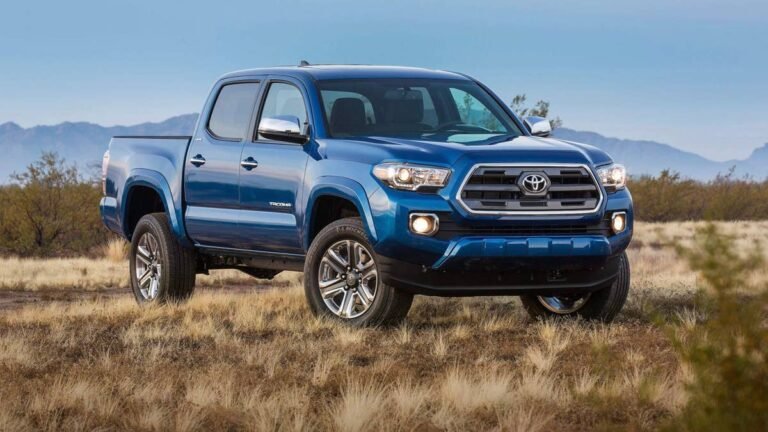
For several years, hardcore off-road enthusiasts have relentlessly petitioned executives to bring the Everest stateside. It represents the ultimate truck-based rival that could genuinely threaten Toyota’s absolute iron grip on the midsize utility segment. But watching tens of thousands of these highly touted international rigs face severe factory defects completely shifts the narrative and gives American consumers major pause.
Maybe missing out on this specific diesel powertrain isn’t a tragic loss after all. If the Blue Oval ever decides to finally crash the party on American soil with a proper midsize SUV, they must ensure the engine bay is entirely bulletproof. Until then, we will gladly stick to our tried-and-true domestic gas engines and watch the messy oil spill drama unfold from a very safe distance.
Ford