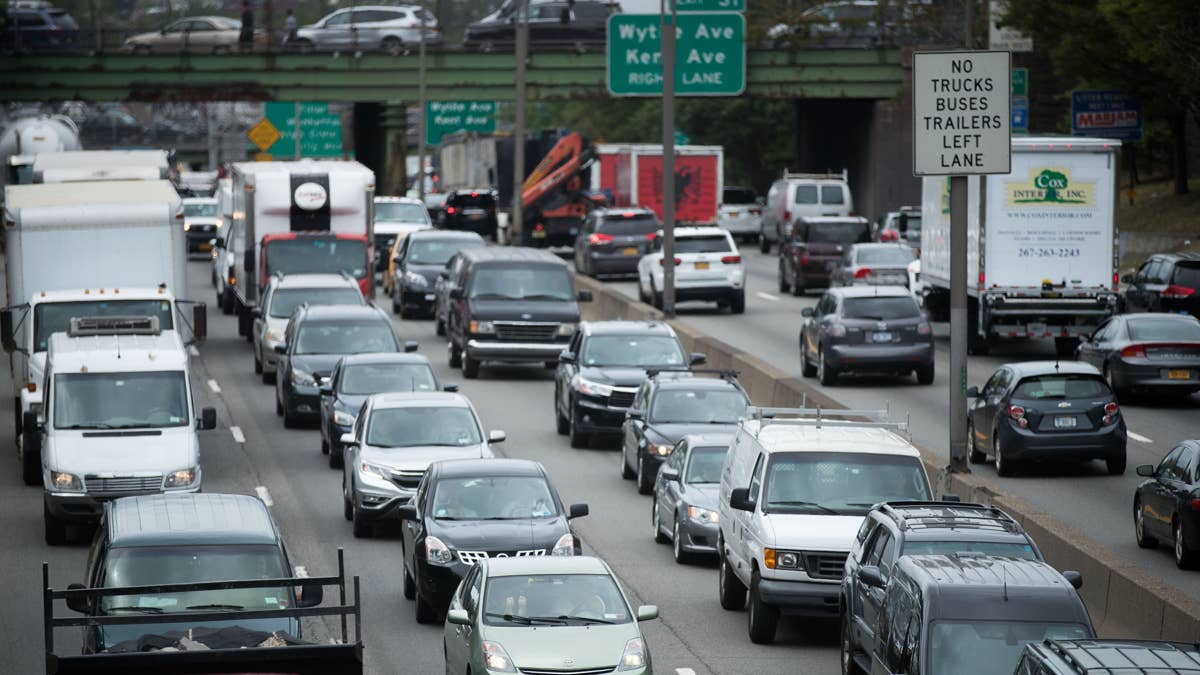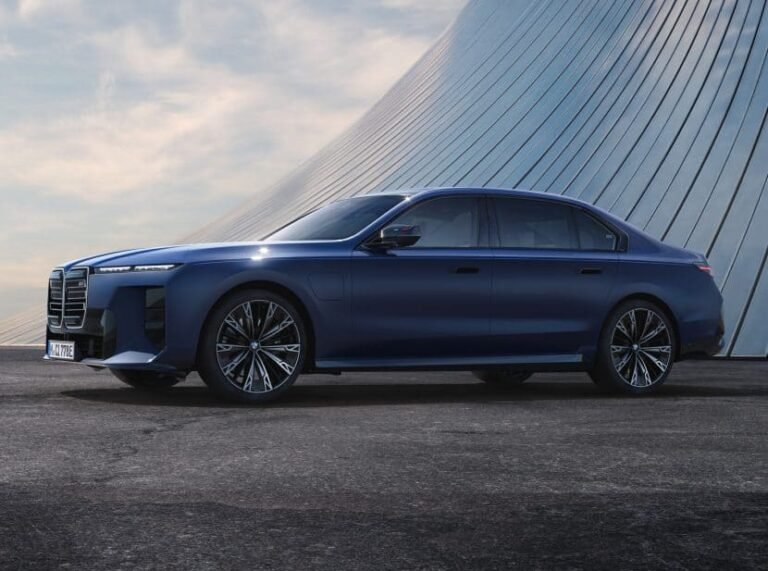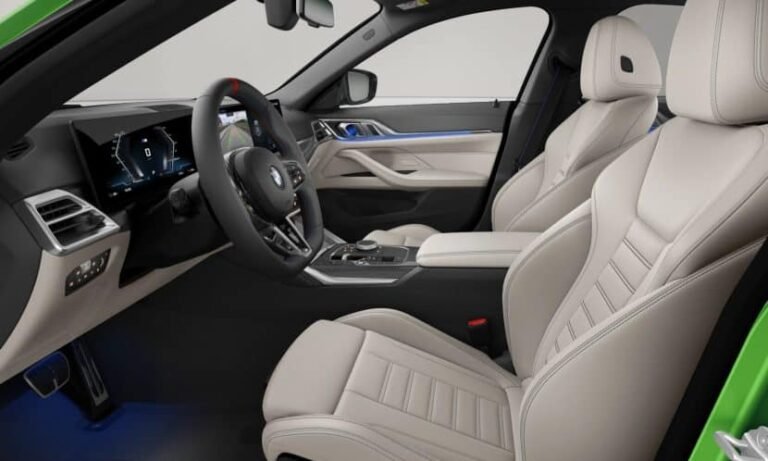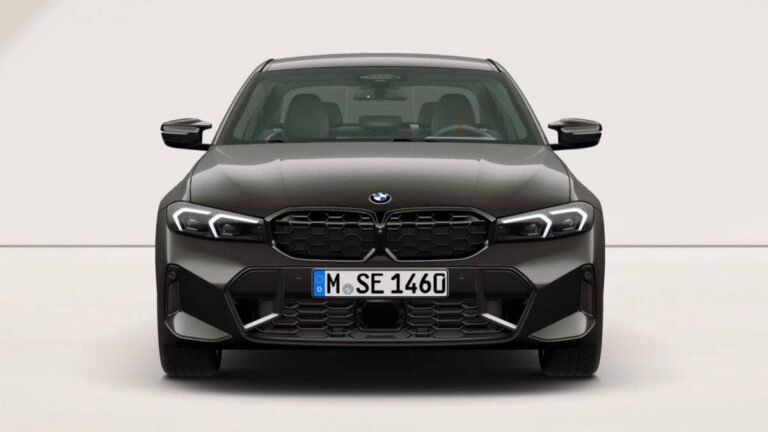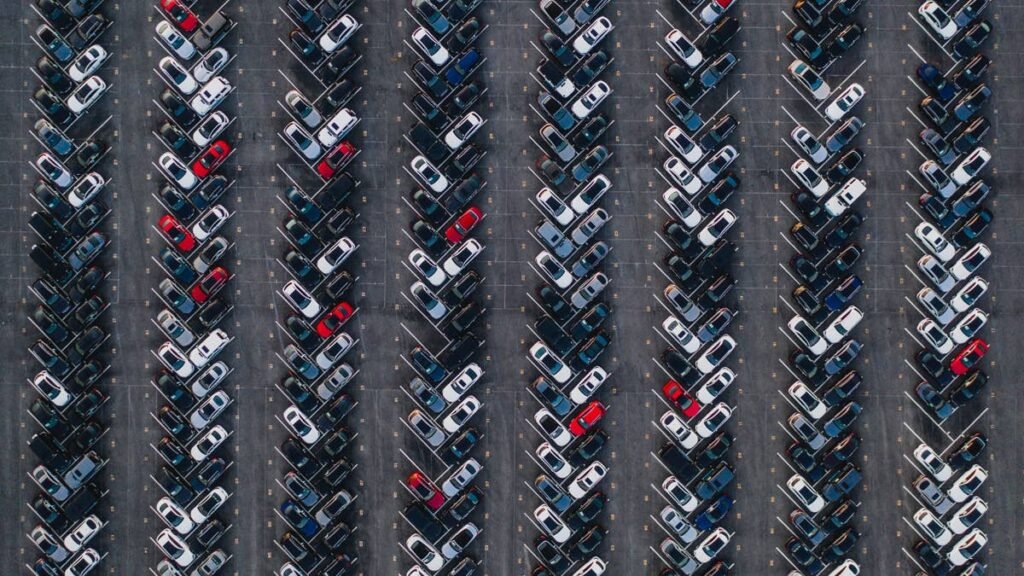
The U.S. auto market has lost some one million prospective buyers in only six years, going from around 17 million new cars and trucks sold per year before 2020 to about 16 million or fewer projected for 2026.
So how was it even possible to lose one million new car buyers in only half a decade? The Wall Street Journal looked at this phenomenon in a new report and the conclusions are quite depressing for car buyers.
Until recently, the general consensus used to be that U.S. new-car sales were on the way to reach the levels last seen before factories shut and global supply chains were disrupted by the pandemic. But that doesn’t seem to be the case anymore.
Automakers Expect New-Car Sales To Shrink Or Stagnate This Year
Ford
Automakers like General Motors, Ford and Toyota are planning for sales of new cars to shrink or flatline in 2026 as consumers are finding it increasingly difficult to afford the average new-car price of around $50,000.
And you can’t blame buyers for that when their wallets are taking hits on multiple fronts, including persistent inflation, rising fuel prices aggravated by the Iran war, and high interest rates. Industry analysts don’t expect the U.S. market to return to 17 million yearly vehicle sales until the end of the decade or later, the report notes.
“This is a real threat to the whole industry,” Erik Severinson, Volvo’s chief commercial officer, told WSJ. “It’s a proof point of something more fundamental which is wrong in the general economy—that people are not able to buy new cars.”
That’s despite the fact that around one-quarter of vehicles on sale in the U.S. are priced between $25,000 and $35,000, according to data from car-shopping website Edmunds; to be fair, an even bigger share tops $55,000.
Some automakers have pledged to launch more affordable models to cater to buyers who can’t afford new cars nowadays, but the situation is not expected to improve anytime soon.
Some Carmakers Are Making Big Profits Moving Fewer Vehicles
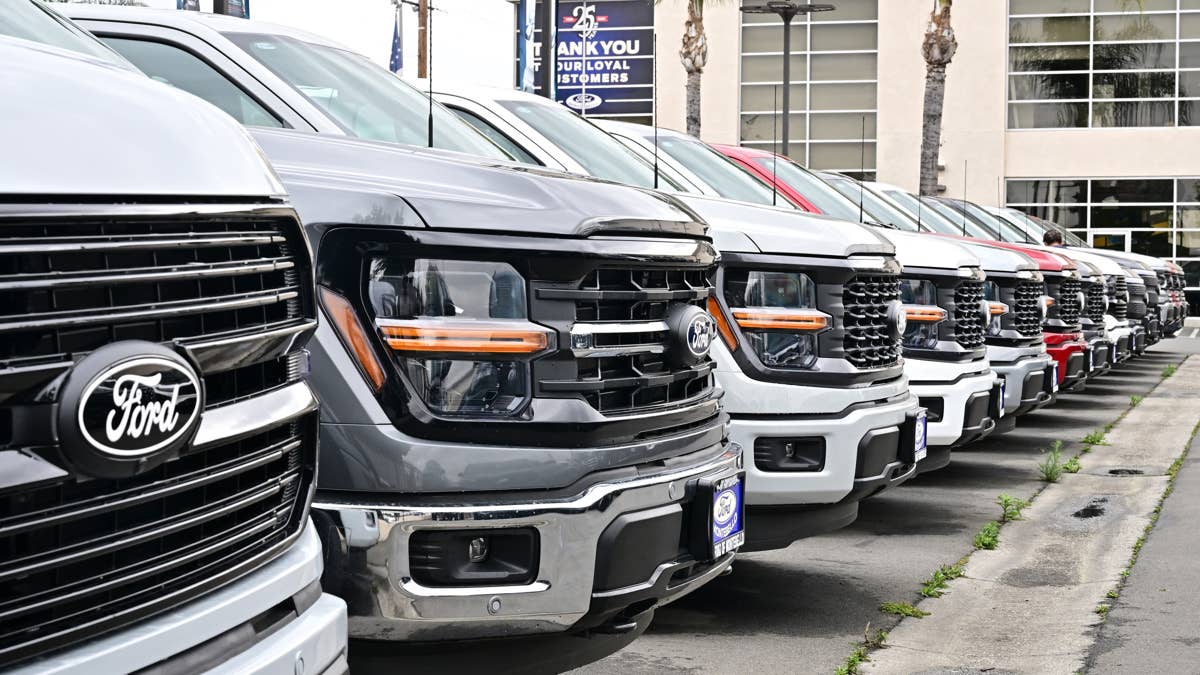
Interestingly, despite stagnating sales, some major automakers like GM and Ford are making big profits moving fewer vehicles. That’s because they are focusing on selling expensive models like big trucks and SUVs with healthy profit margins.
Doing so is more lucrative than selling larger volumes of cheaper cars, so why bother offering deals and incentives to buyers? This puts another wrench in some customers’ plans to buy new cars.
The current situation may suit some automakers, but if the U.S. economy hits a recession things could change dramatically. One thing is certain: U.S. car buyers are getting stung in more ways than ever, with even used-car prices staying near record highs due to tight inventories and soaring new car costs.
The average transaction price for a used vehicle in the U.S. was between $25,300 and $31,548 in the first quarter of 2026, depending on the age and reporting metric (according to Cox and Edmunds).
This leaves many buyers with only one solution—to hold on to their current vehicles for longer. With the average car on U.S. roads currently about 13 years old, a record high according to S&P Global, this carries additional economic, safety and environmental implications.