The electric vehicle revolution was supposed to conquer the elements; instead, the elements conquered it. The industry has spent billions optimizing aerodynamics and fast-charging curves, but the latest data from the AAA exposes a significant problem: electric and hybrid vehicles are still fundamentally failing the temperature test.
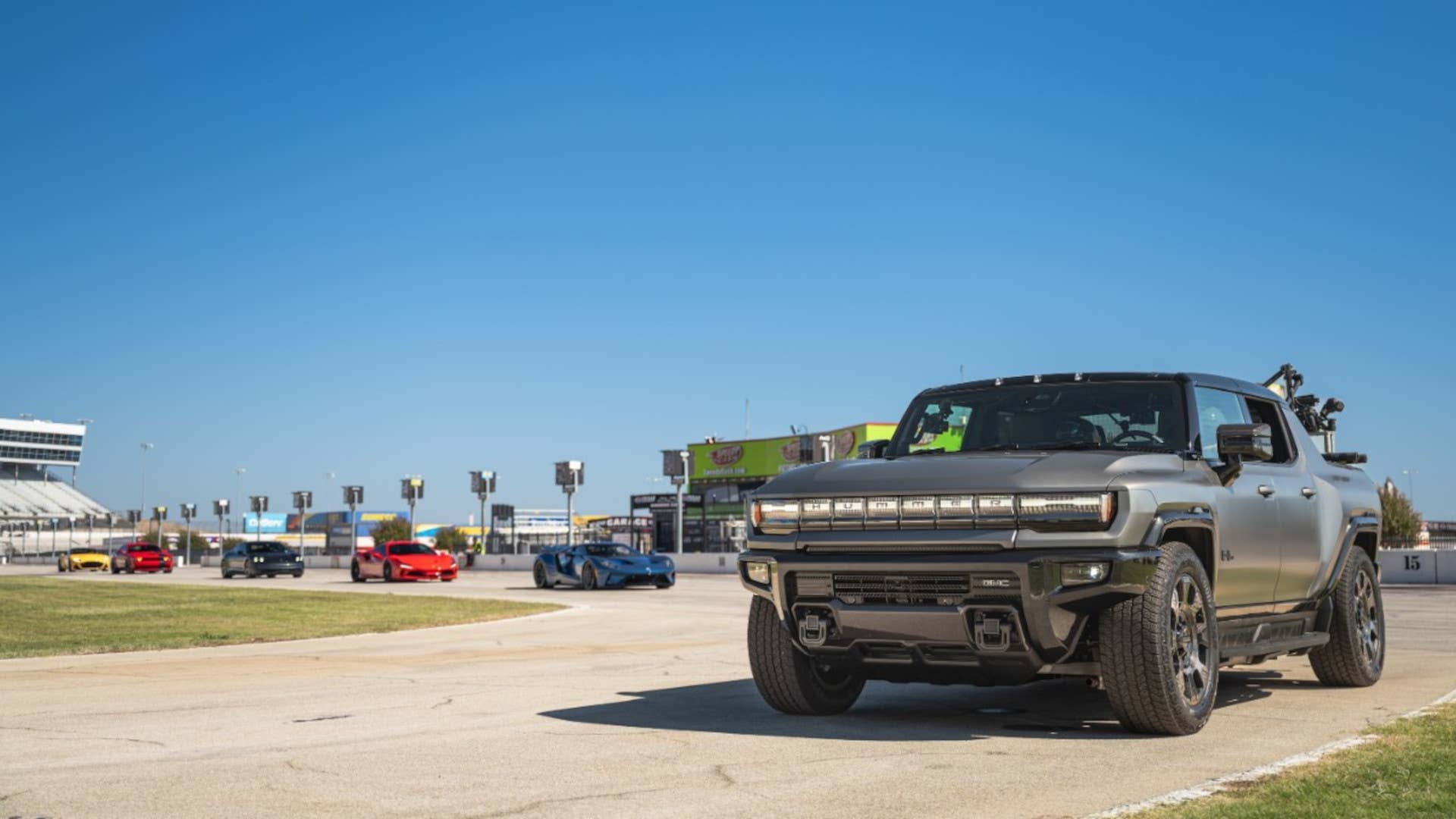
AAA Temperature Study
In an expansive May 2026 study, AAA engineers strapped modern electrified powertrains to climate-controlled dynamometers – simply put, automotive treadmills operating in extreme temperatures ranging from 20°F to 95°F. The results shatter the narrative of consistent range and robust drivetrains. While automakers have successfully engineered a defense against summer heat by using advanced liquid cooling and heat pumps, the cold weather penalty remains significant.
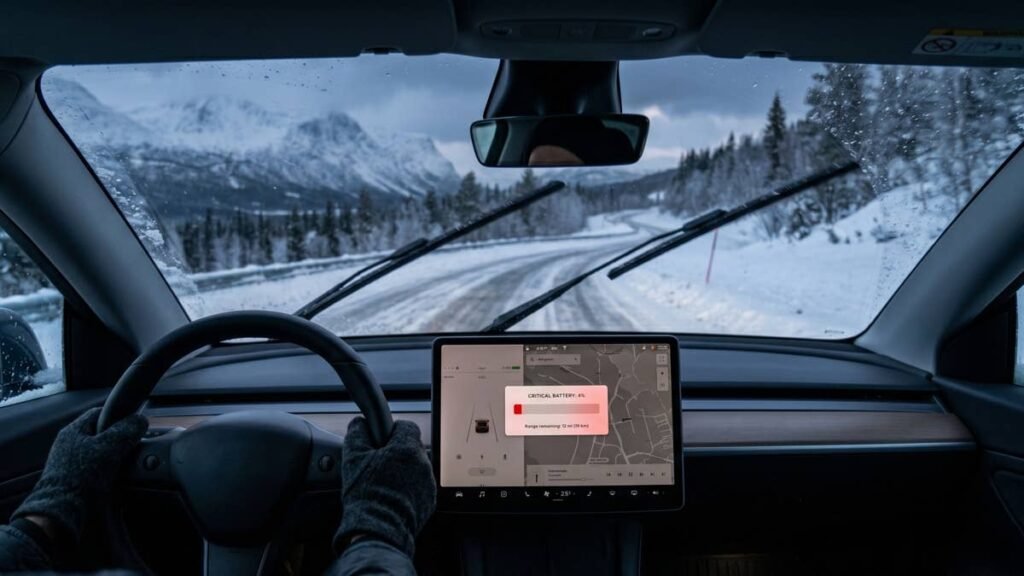
When the mercury drops to 20°F, electric vehicles lose an agonizing 39 percent of their driving range and suffer a 35.6 percent collapse in overall efficiency. For the everyday commuter, this is not merely a logistical headache; it is a direct financial penalty. AAA calculates that winter EV operating costs surge by $32.11 per 1,000 miles when charging at home. If a driver is forced into the wild to rely on public charging infrastructure, that cold-weather penalty skyrockets to an extra $76.93 per 1,000 miles.
General Motors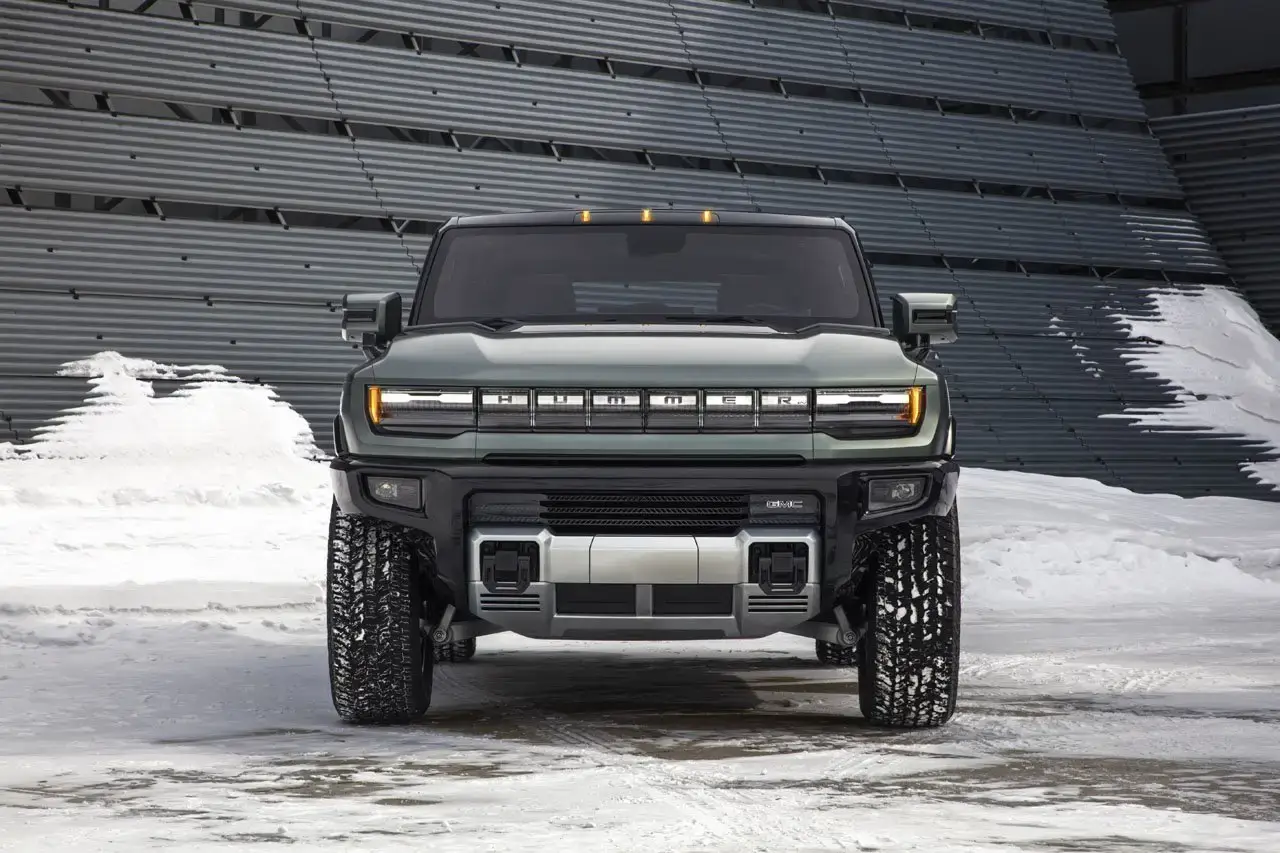
Hybrids are not immune to the freeze. Vehicles utilizing internal combustion engines alongside battery packs saw fuel economy plummet by 22.8 percent at 20°F, adding an extra $28.44 per 1,000 miles to the operational burn rate. However, because hybrids can harvest engine heat to warm the cabin, their drop in efficiency remains far less catastrophic than their fully electric counterparts.
Does the EV Buyer Care?
According to AAA’s accompanying survey data, 35 percent of prospective buyers are currently pivoting toward hybrid platforms. If you live in a region that regularly sees winter weather, the EPA-estimated range is hugely inaccurate. Until industrial battery chemistry can robustly withstand the elements, buying a modern BEV means accepting that nearly 40 percent of your range—and a larger chunk of your wallet—will simply vanish into the cold.