Still Singing
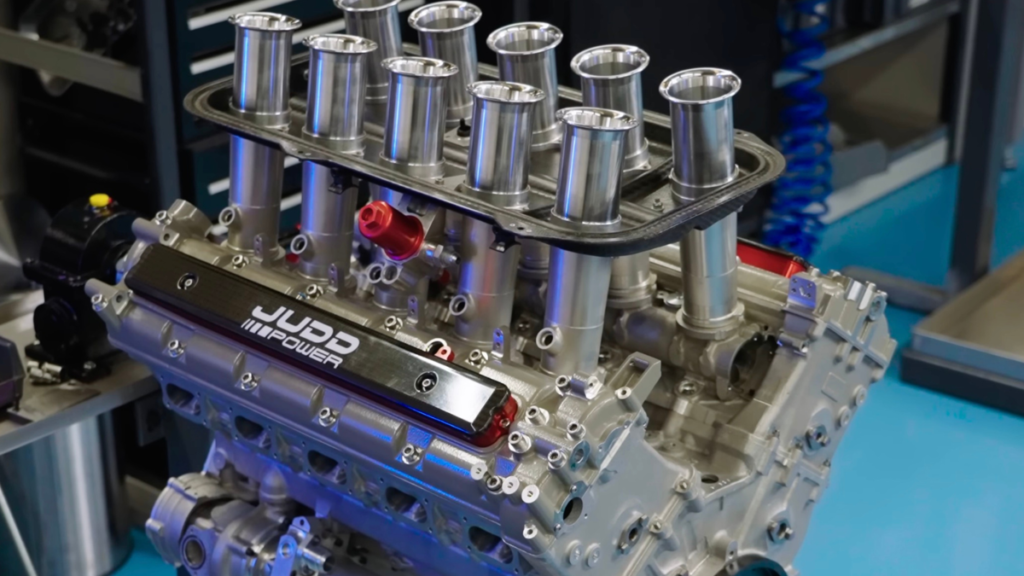
With the Audi R8 and Lamborghini Huracán gone, the V10 has effectively disappeared from new mass-production cars. Automakers have moved to smaller engines, often with electric motors that help not only with propulsion, but also with meeting emissions regulations. But in motorsports, the layout is not dead, and Judd Power’s GV V10 is one of the standout examples.
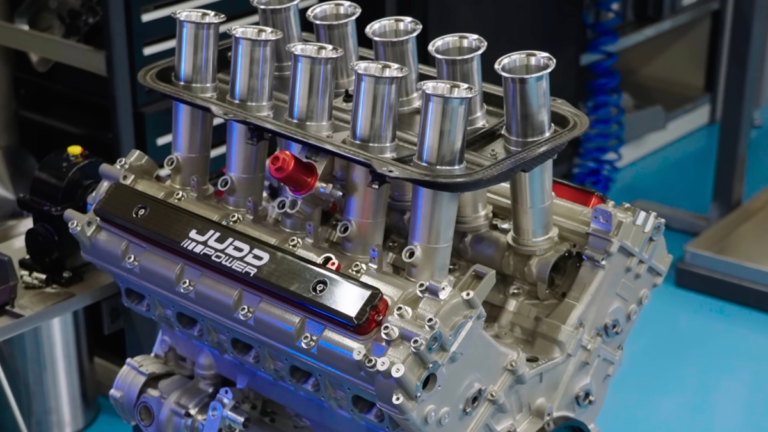
YouTuber Mike Fernie visited Judd Power’s shop and worked on a 5.5-liter GV V10 engine, which is rated at 800 horsepower and can rev up to 9,000 rpm. Judd Power has long supplied high-performance racing engines, including engines used in Formula 1. It was also involved in the McLaren Solus GT, a track-only, single-seat hypercar inspired by McLaren’s Vision Gran Turismo concept. It uses a Judd-built 5.2-liter V10 that revs to 10,000 rpm, with only 25 examples built.
Every Thousandth Counts
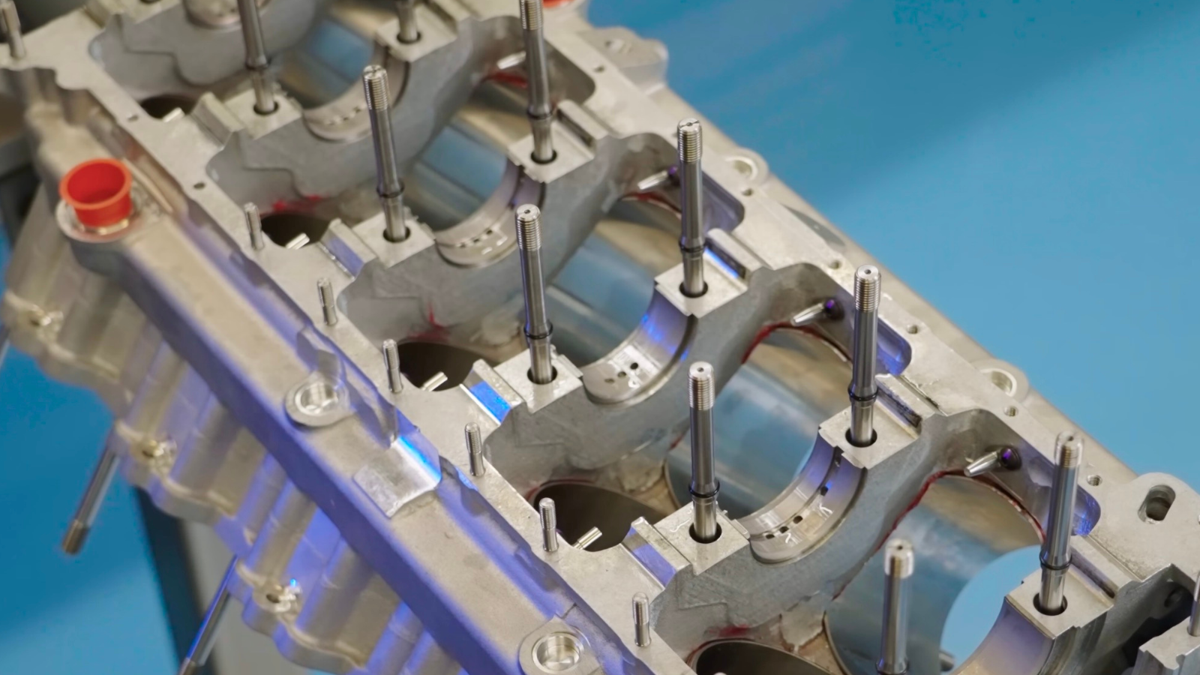
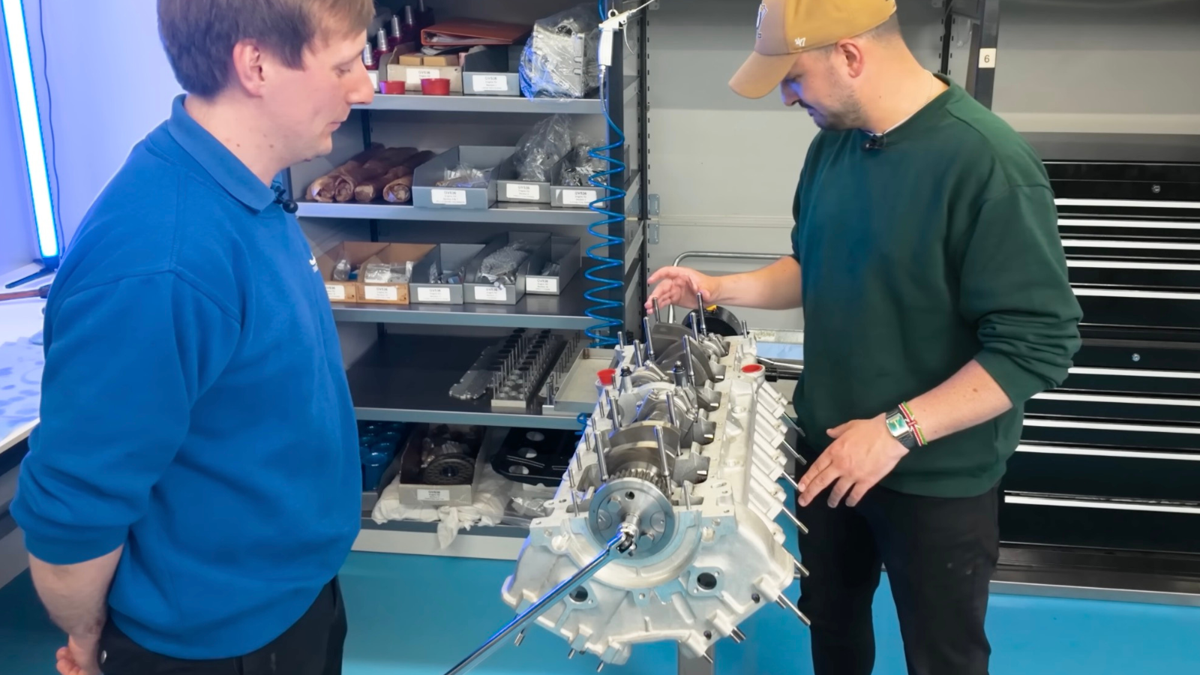
That makes Fernie’s visit more than just another build video. It started with lubricating the bearings before installing the crankshaft, which Fernie, who recently worked on a Subaru flat-four and Jaguar AJ16, described as lightweight. The team then measured the end float and used a custom micrometer to check the stretch of the connecting rod bolts.
Precision matters. Endurance engines sit at high rpm for long periods, and heat makes parts expand. Wrong clearance can result in friction, bearing wear, or overheating. The V10 also uses a dry-sump layout to keep oil supply consistent under hard cornering, braking, and acceleration. Its machining is so precise that it does not need a traditional head gasket, using O-rings to seal the oil and coolant passages instead.
After the engine block was done, the team installed the pumps, gears, cylinder heads, and camshafts. As a finishing touch, the Judd V10 inlets were installed to help smooth airflow and feed more air into the engine.
Icons Under One Roof
A quick walkaround also showed some of the engines at the shop, including a Ford-Cosworth DFV, considered one of the greatest racing engines of all time, along with a Nissan prototype V8, a Peugeot F1 V10, and a Mugen Formula 3000 engine.
Road-car V10s may be gone, but in motorsports, the layout still has some life. Many major racing programs have moved to V6 and V8 engines, including Cadillac, which currently competes in F1 and the World Endurance Championship, where the Michigan-based automaker fields the V8-powered V-Series.R Hypercar.