Running Out
Polestar’s U.S. run is about to end, with the Swedish automaker set to stop sales starting in 2027 because of a ban imposed by the U.S. government. The ban was imposed because of the new Connected Vehicle Rule, which prevents the sale of any car with technologies connected to “foreign adversaries” like China. Chinese automaker Geely owns a majority stake in Polestar, making it vulnerable to the new rule.
With an uncertain future in the U.S., Polestar has been trying to sell off its remaining U.S. inventory. A report just came out showing that the brand has been selling aggressively, and it’s bearing fruit.
Polestar
Up in the U.S. Down Elsewhere
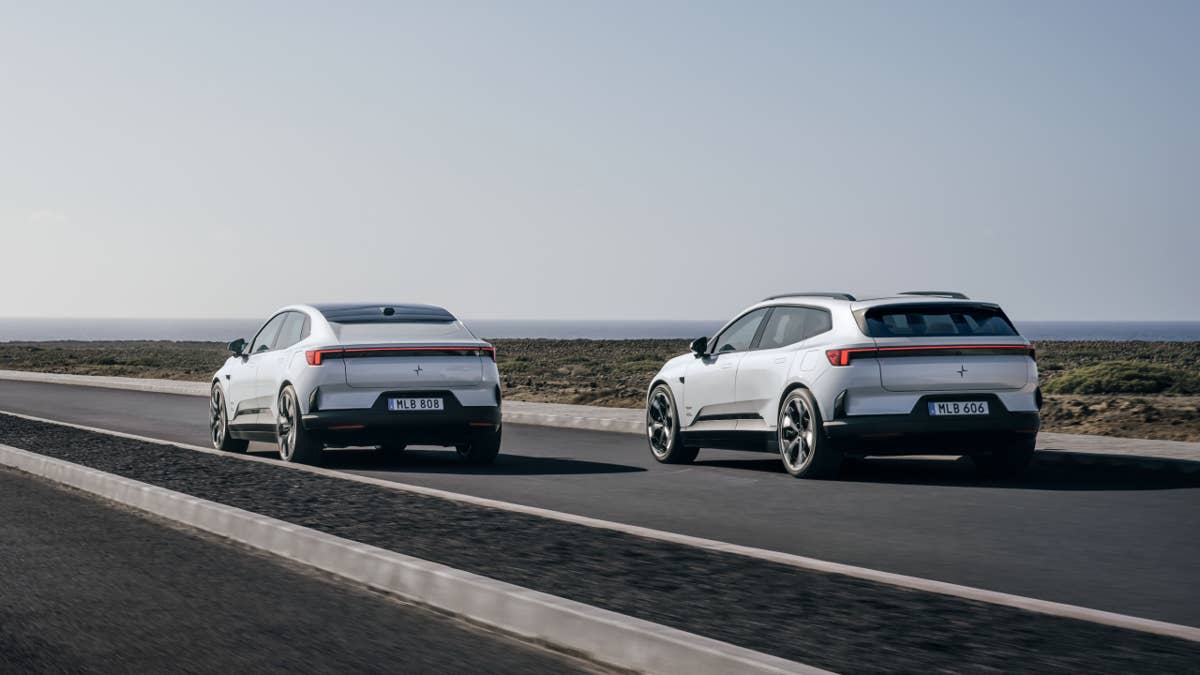
Polestar just released its latest sales bulletin report, which details the brand’s up-to-date sales performance in the U.S. In the 3rd quarter, they sold 14,371 units and an estimated 44,790 cars in the first 9 months of the year. Both figures represent 1% year-on-year growth.
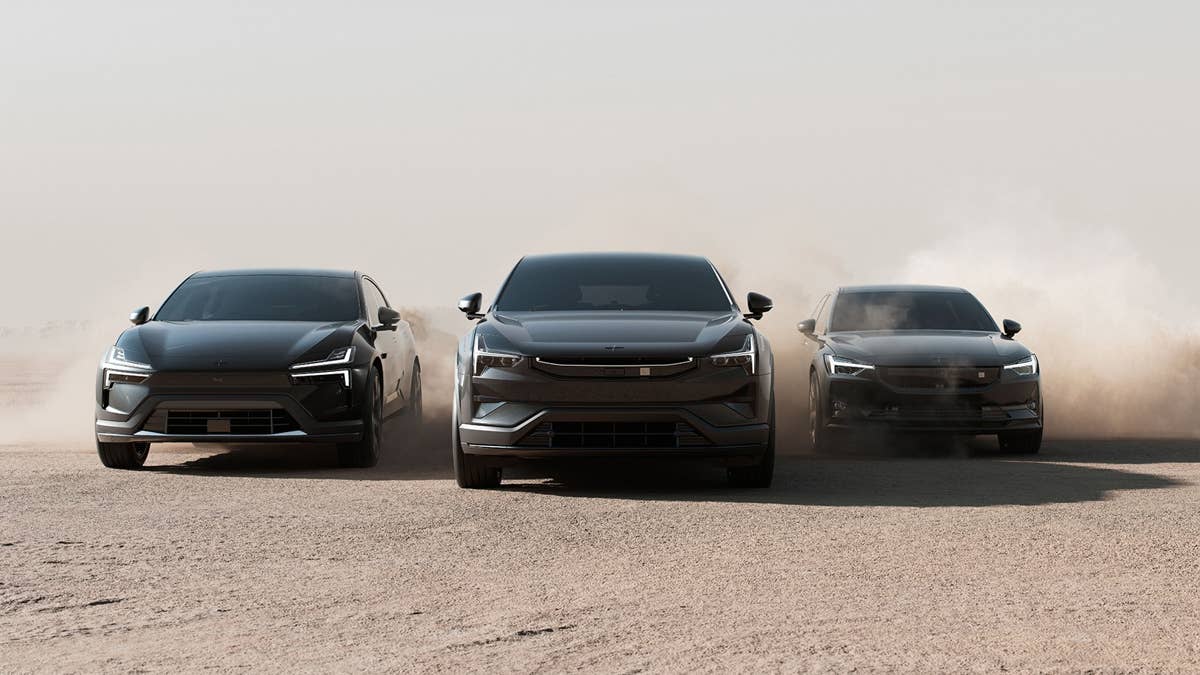
The good news is marred by the upcoming ban, with Polestar CEO Michael Lohscheller telling Reuters that the latest sales performance means the brand is close to selling out its entire 2026 U.S. inventory. Specifically, Polestar is selling out the 3 and 4 models before the ban begins, but the brand will continue to service the vehicles and maintain its used-car sales.
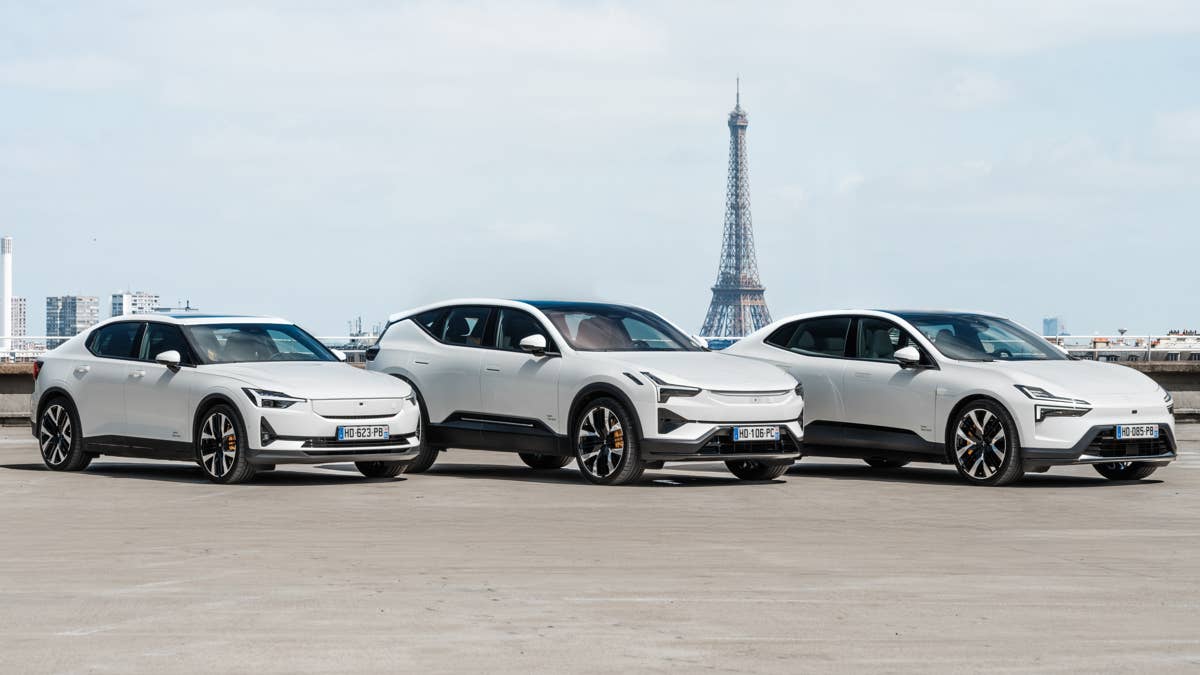
Looking elsewhere, Polestar’s retail sales fell 8% globally in the same period as U.S. growth. With the U.S. ban coming, Polestar plans to pivot its focus to the European market and is keen to build a new compact SUV, the 7, in Slovakia. Lohscheller acknowledges the current decline but believes sales will rebound as the new models begin customer deliveries in Europe. He noted that Polestar 5 and 4 have started arriving at European ports and will soon be transferred to retailers. Lohscheller also pointed out that demand for Polestar models is growing in the U.K., Germany, and Scandinavia.
Polestar
Connected Vehicle Rule
The U.S. Department of Commerce finalized the Connected Vehicle Rule, catching Polestar off guard. At the heart of the legislation is a focus on national security and private security, and the government believes “foreign adversary” owned companies like Polestar pose a risk of sharing customer data. Furthermore, the U.S. government believes these cars are vulnerable to hacking by unsavory actors.
Surprisingly, Geely-owned Volvo was granted an exemption from the ban because the Swedish automaker showed that its data management and software can be cleaned and separated from its parent company. The same wasn’t true for Polestar, which is why the ban persists.
Polestar