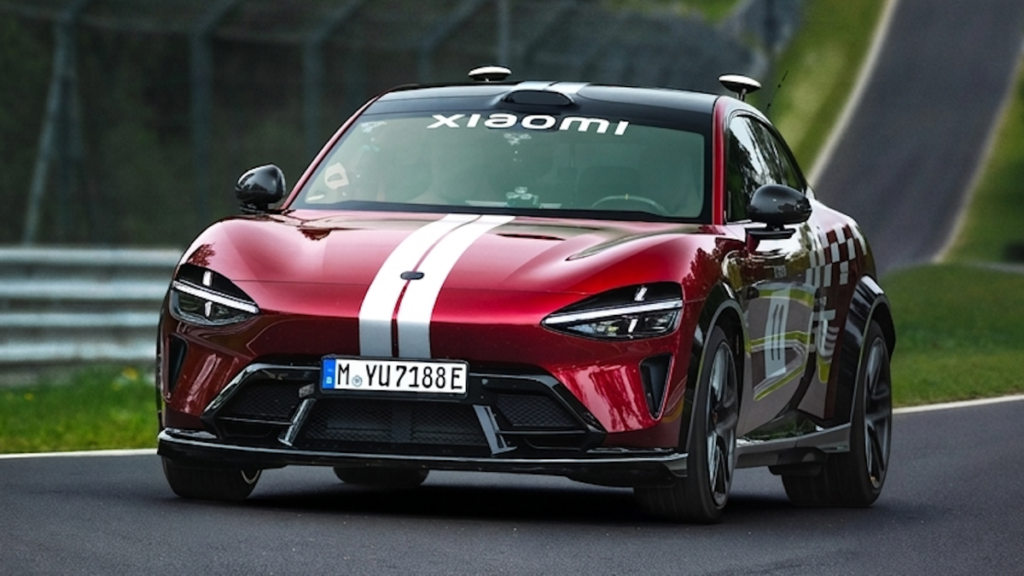
The Green Hell’s Latest Record Comes Without a Driver
The Nürburgring Nordschleife is the world’s ultimate proving ground. Winding for 12.9 miles through the Eifel mountains, it’s where carmakers go to prove their mettle and chase bragging rights with ever-quicker lap times.
So, a lap time of 10 minutes and 29.483 seconds? On paper, that’s nothing special. Plenty of cars have blitzed the ‘Ring much faster. But here’s the twist: nobody was in the driver’s seat.
Xiaomi claims its YU7 GT with the Track Package just became the first car to set an official driverless lap record at the Nürburgring. Announced via the company’s Weibo account (China’s Facebook), the SUV did the whole thing on autopilot, laying down a new marker for production-based self-driving tech at one of the world’s toughest tracks.
Xiaomi Auto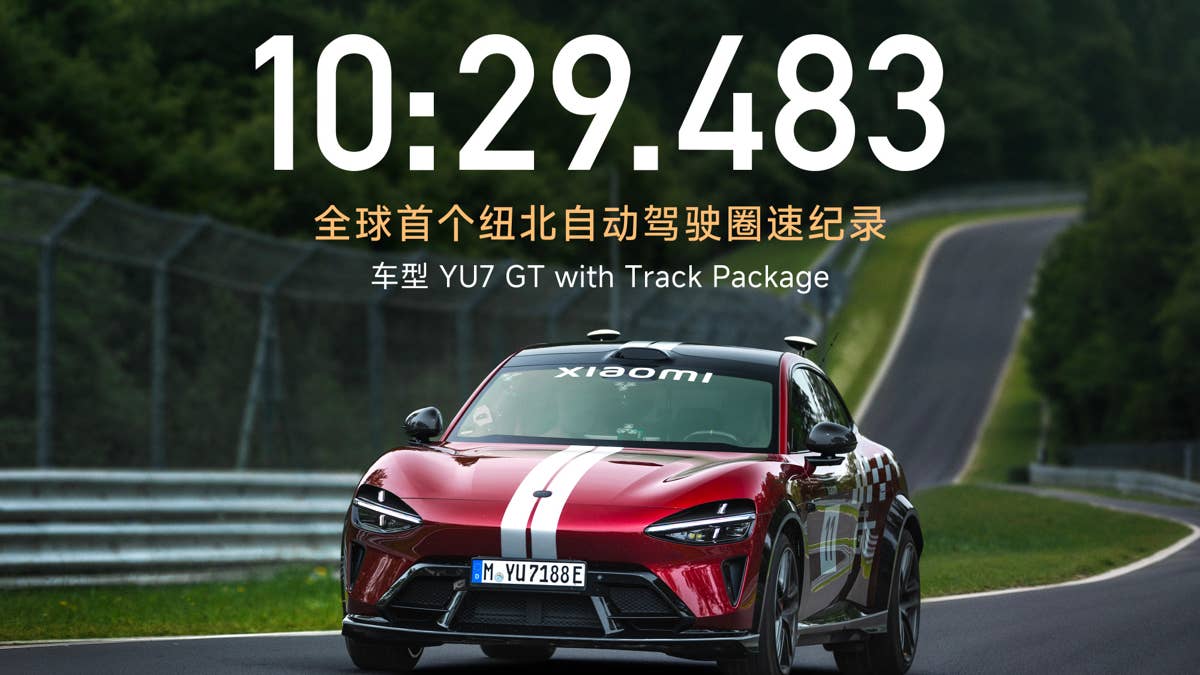
More Than Just a Fast Electric SUV
The YU7 GT is Xiaomi’s new electric flagship, loaded with all the hardware you’d expect from a modern performance EV. Under the skin, you get an 897-volt silicon-carbide setup and a beefy 101.7-kWh battery. The Super Motor V8s EVO system cranks out a wild 1,003 horsepower.
That means serious speed: Xiaomi says the YU7 GT will rocket from 0 to 62 mph in just 2.92 seconds and top out at 186 mph. Range? Up to 438 miles on a full charge, at least if you base it on the Chinese CLTC cycle. Charging is just as wild. Thanks to the high-voltage setup, Xiaomi says you can add up to 354 miles of range in only 15 minutes – if everything goes perfectly.
Xiaomi also cooked up a trick cooling system to keep things from melting down during hot laps. It’s not just about wrangling all that horsepower – it’s also key for keeping the car steady and predictable when the robot is calling the shots at the ‘Ring.
To put things in perspective, the YU7 GT lapped a record run at the Nürburgring just a few months ago at 7:22.755 (a faster record than what was initially set), outpacing Audi and Porsche high-riders. The driverless lap was over three minutes slower, but that’s what you get when the car’s brain is playing it safe.
Xiaomi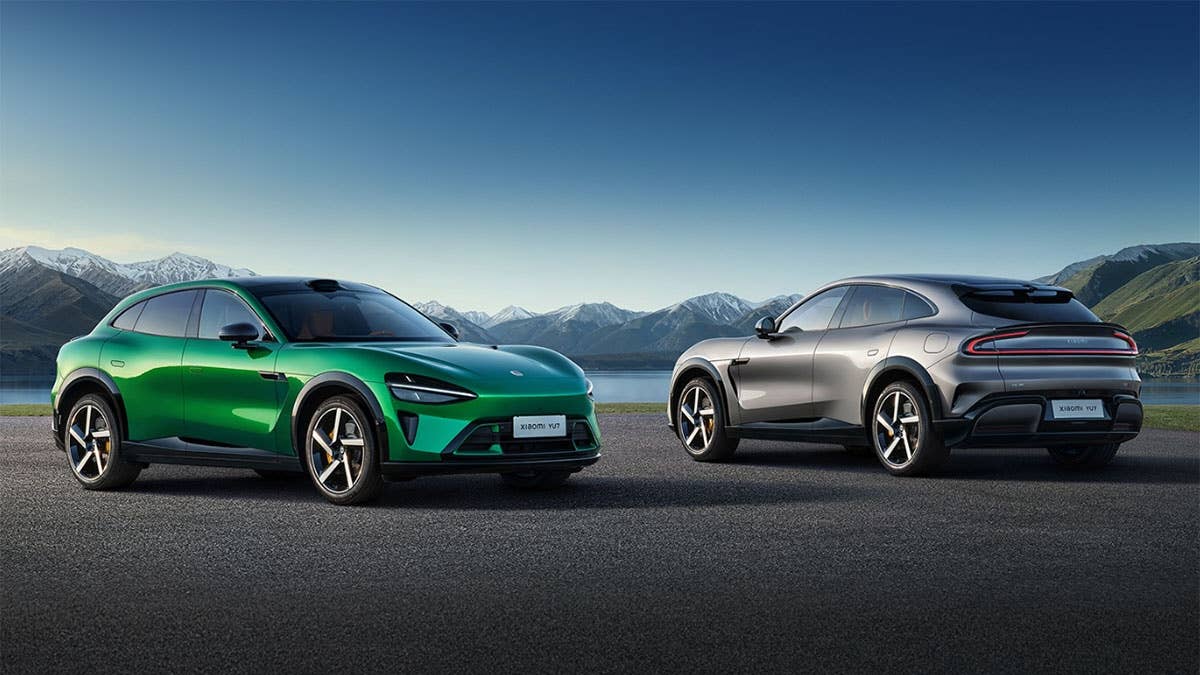
A Nürburgring First, Not a Global First
Xiaomi might have bagged the Nürburgring’s first driverless lap record, but it can’t claim the global crown. That distinction belongs to NIO, which demonstrated the concept nearly a decade ago. In 2017, the Chinese EV startup sent its EP9 electric hypercar around the Circuit of the Americas in Austin, Texas, without a driver behind the wheel. The autonomous run produced a lap time of 2:40.33 while reaching speeds of up to 162 mph.
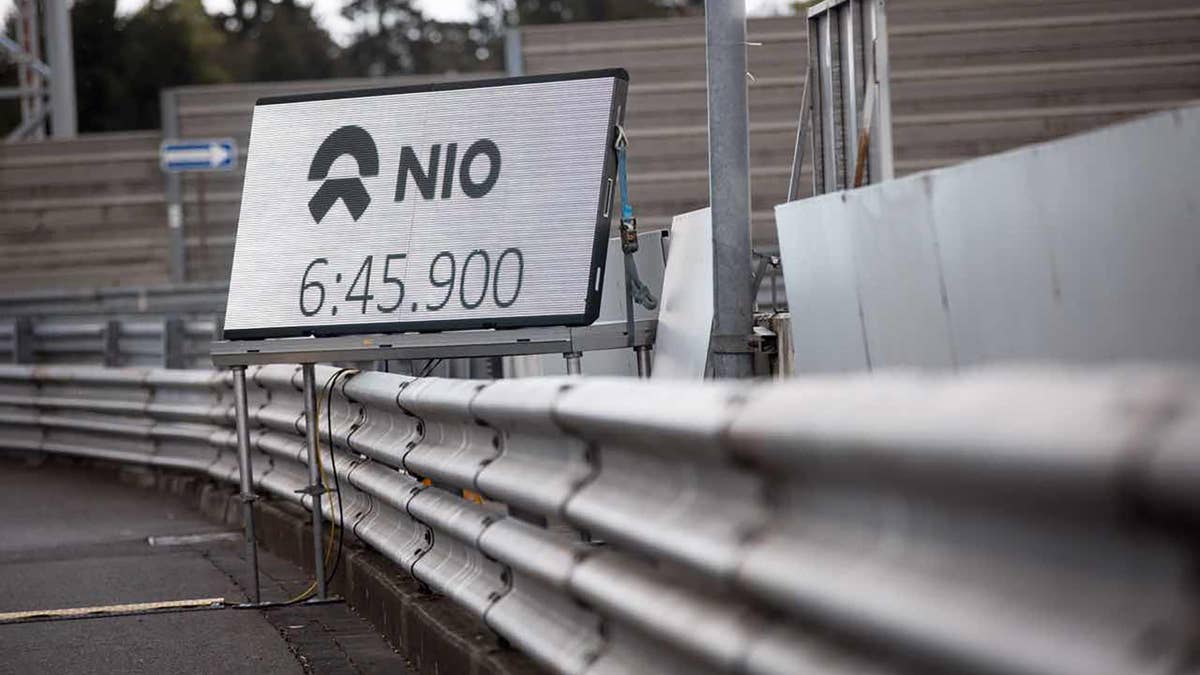
The EP9 had already proven its speed with a human driver, setting a production-car lap record at the same track. It later gained even more attention by recording a 6:45.900 lap at the Nürburgring, establishing itself as one of the quickest electric vehicles of its era.
Nio