- A battery software fault can cut motive power without any warning.
- Drivers keep steering and brakes, but the car stops driving itself.
- Engineers ruled the glitch out in 2025, then found it in April 2026.
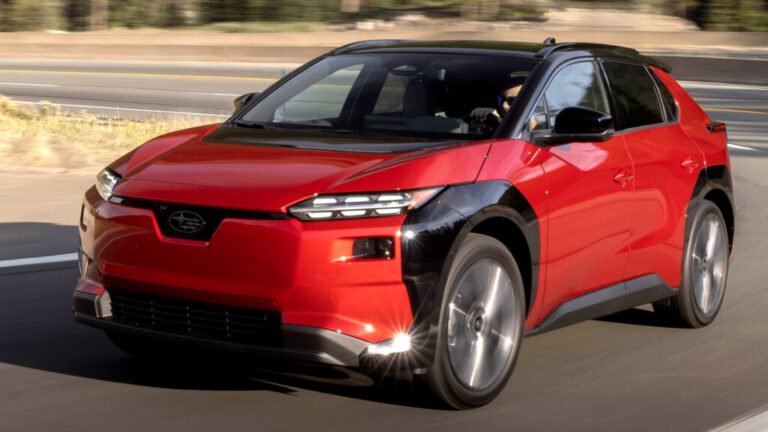
When a gas car dies unexpectedly, there’s often a roadside fix that gets it limping again. When an EV quits on you unexpectedly, call a tow truck. That’s what tens of thousands of Toyota, Subaru, and Lexus drivers might be forced to do. Those automakers just issued a recall covering almost 21,000 electric cars that could flatline without warning.
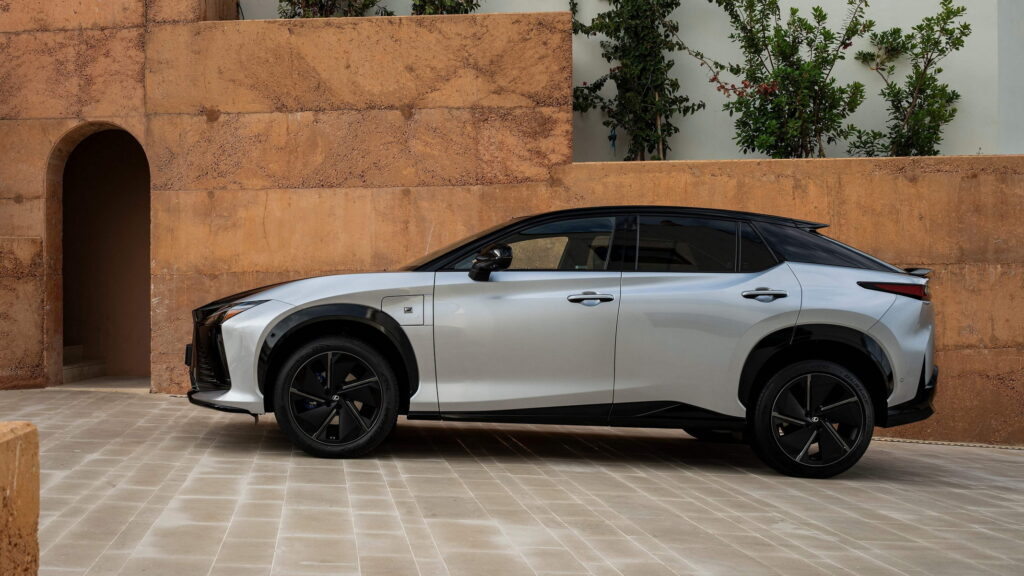
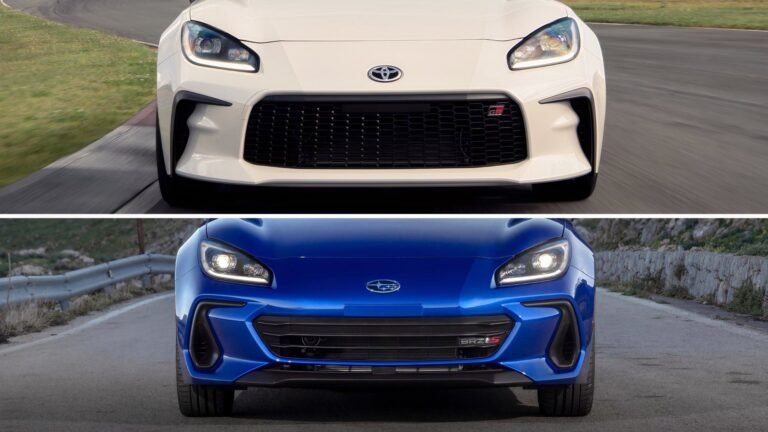
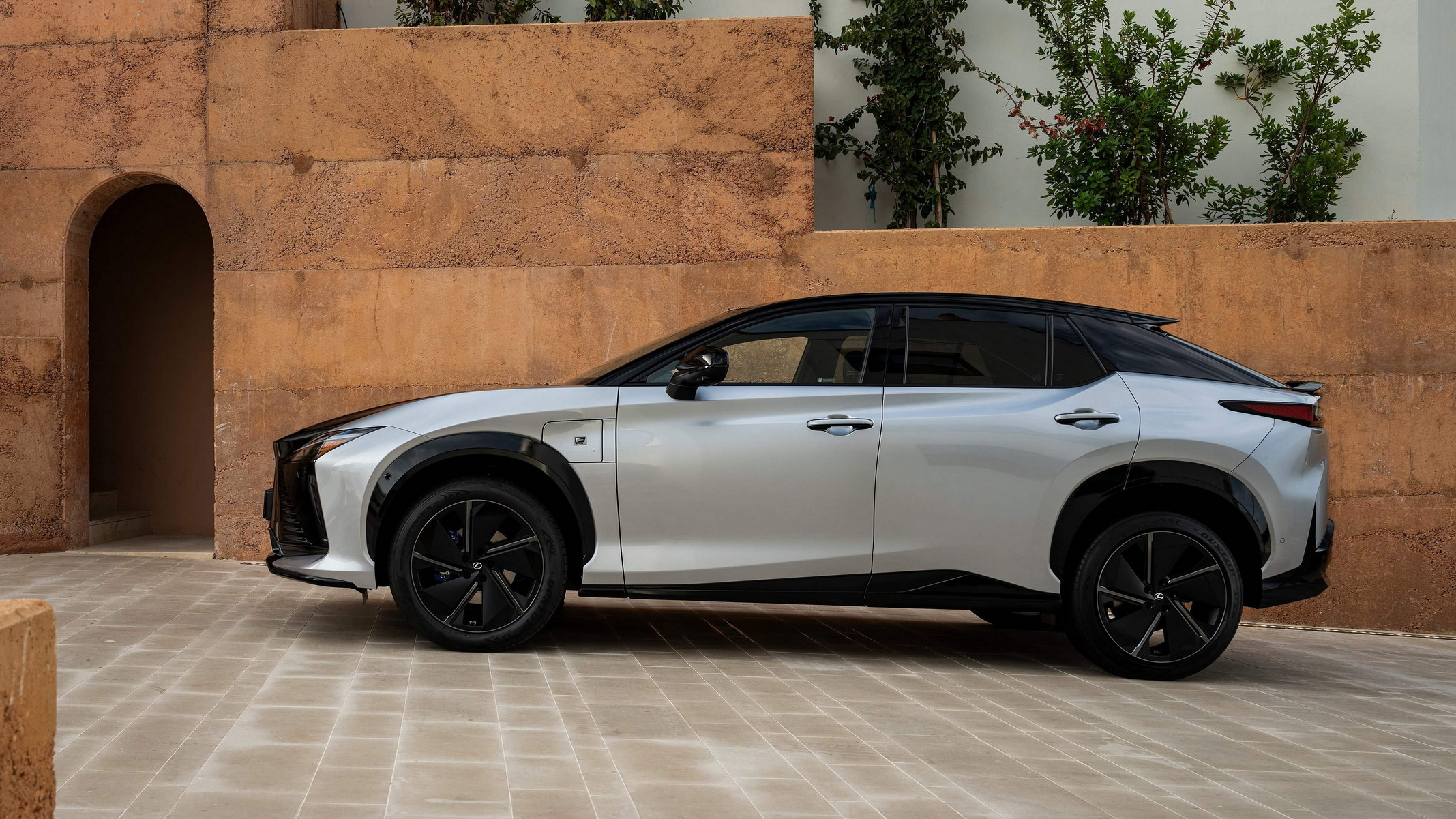
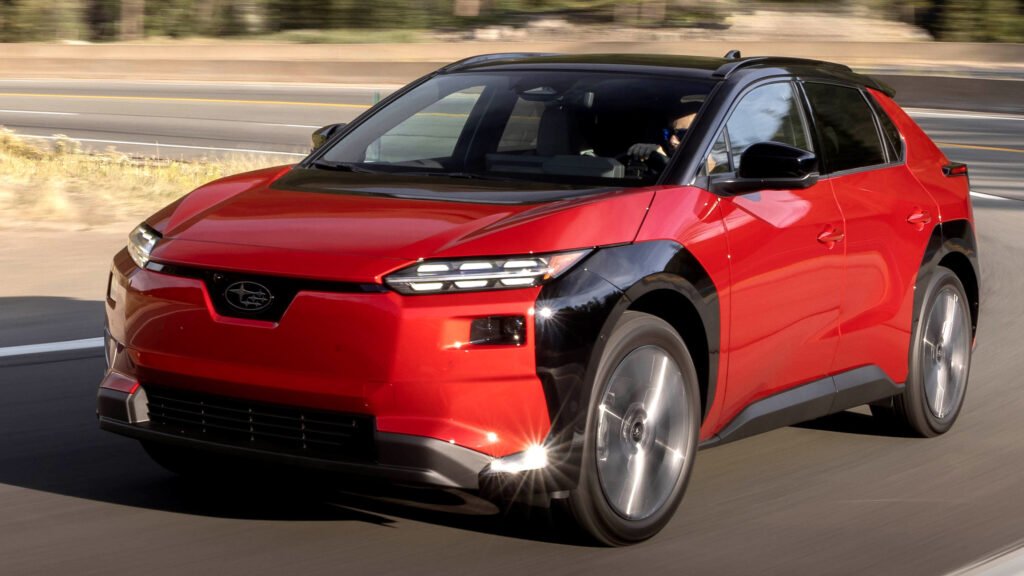
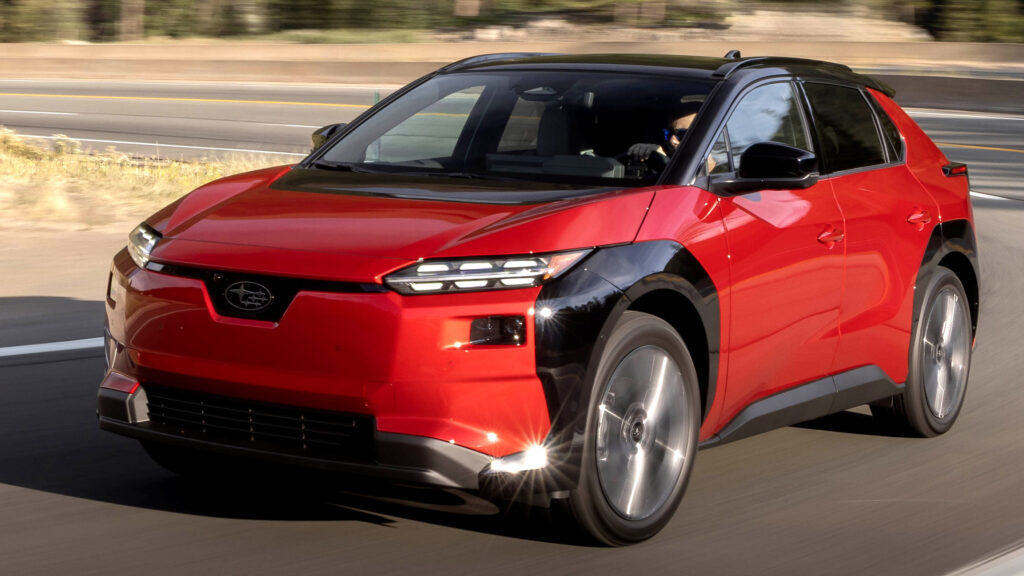
Specifically, the recall covers 20,991 vehicles in the States, including 11,495 Toyota bZ models, 4,739 Lexus RZs, and 4,757 Subaru Solterras built between April 2025 and April 2026. According to Toyota’s Part 573 filing with NHTSA, all affected vehicles use a battery ECU supplied by Denso and equipped with specific software that can trigger the defect.
Read: Over A Million Toyotas Recalled After Drivers Report Seeing Absolutely Nothing
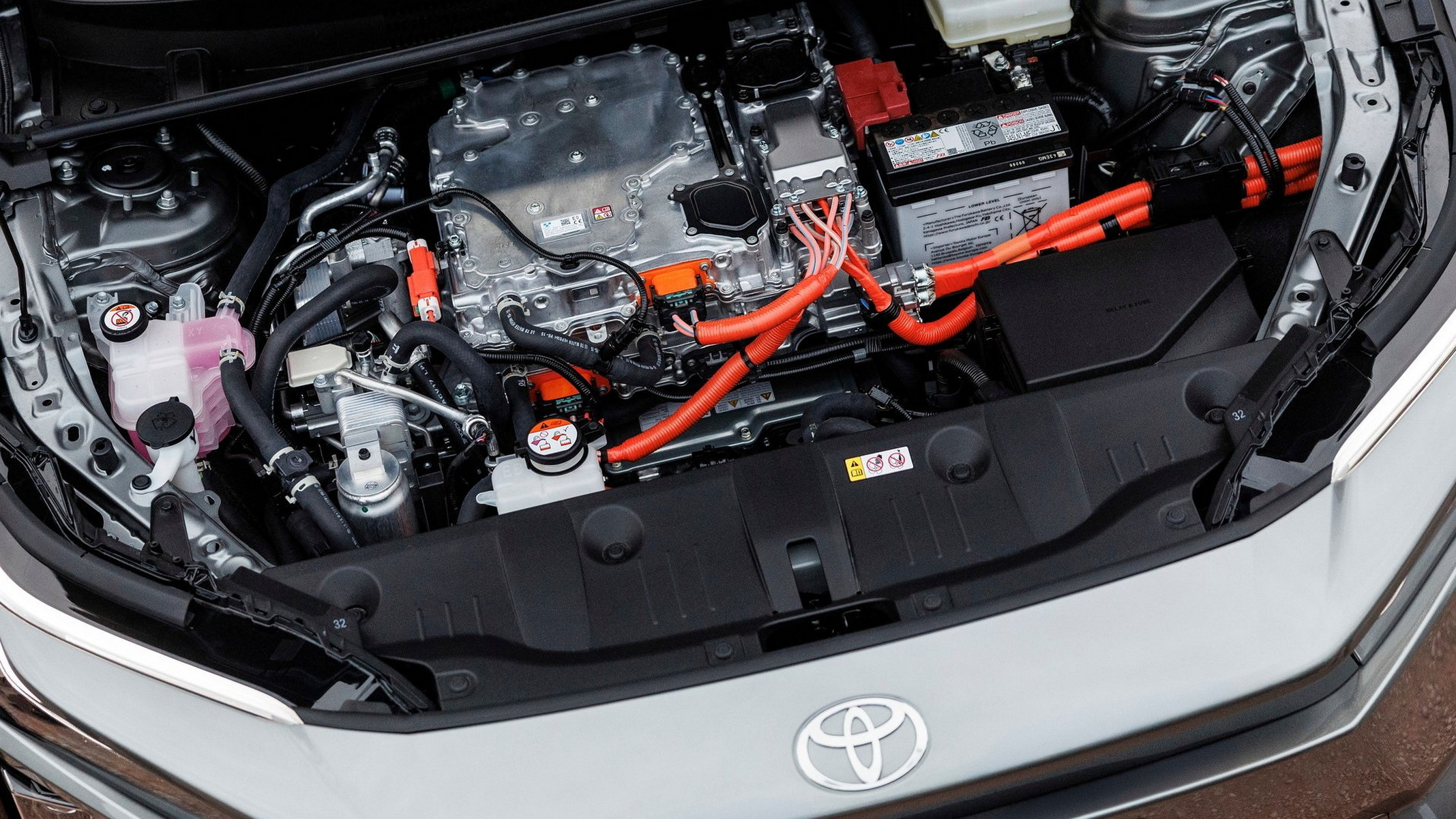
At the center of the issue is the battery management system. Toyota says the battery ECU contains two integrated circuits that can occasionally overwrite data in the same memory location. When that happens repeatedly, the ECU can fail an operational check.
The Warning Signs
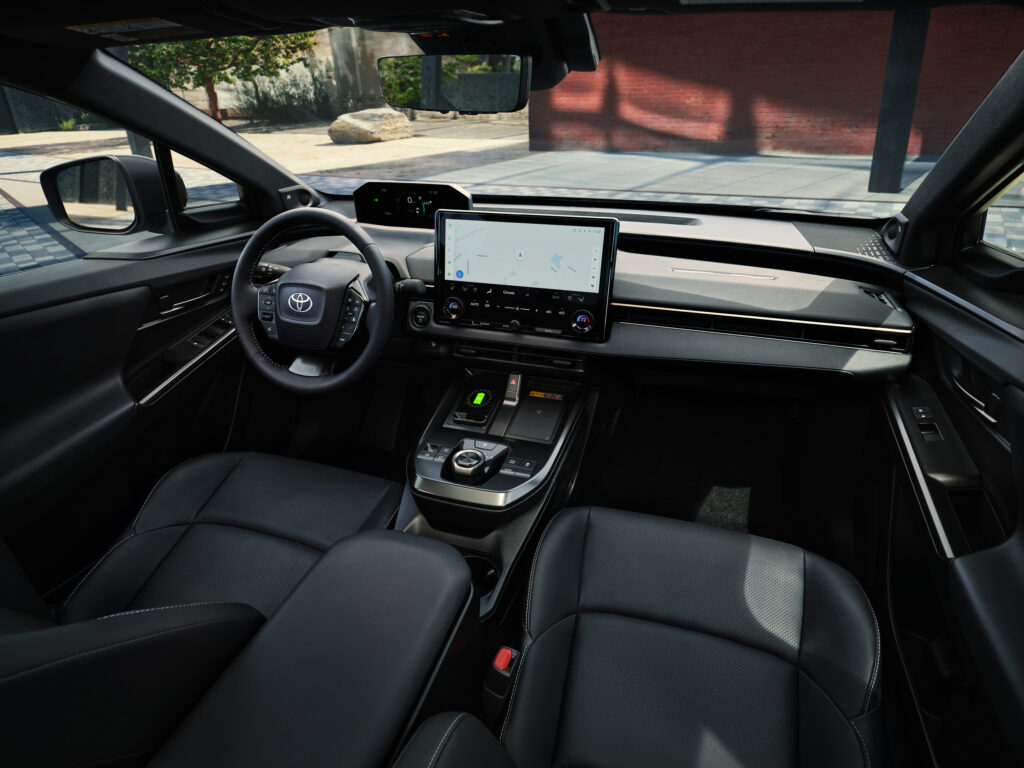
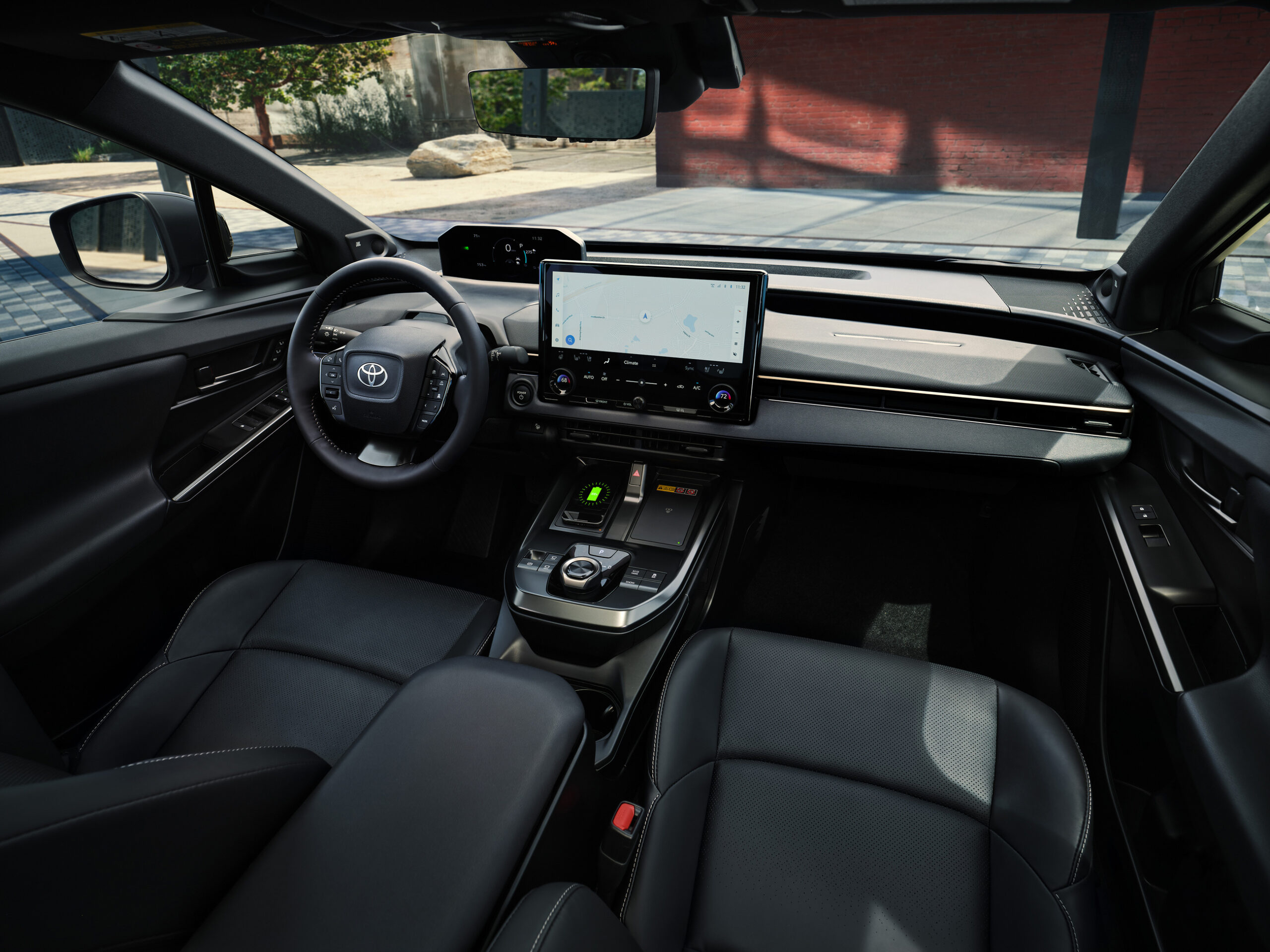
Drivers would first see an “EV System Malfunction” warning message along with multiple warning lights, but if enough failures occur, the electric drive system can shut down entirely. Power steering and brake assist remain functional, but propulsion does not.
The timeline is also interesting. During development work on a plug-in hybrid model in 2025, Toyota identified a similar memory-overwrite condition but concluded that the same issue wouldn’t affect its battery-electric vehicles because their operating cycles were different.
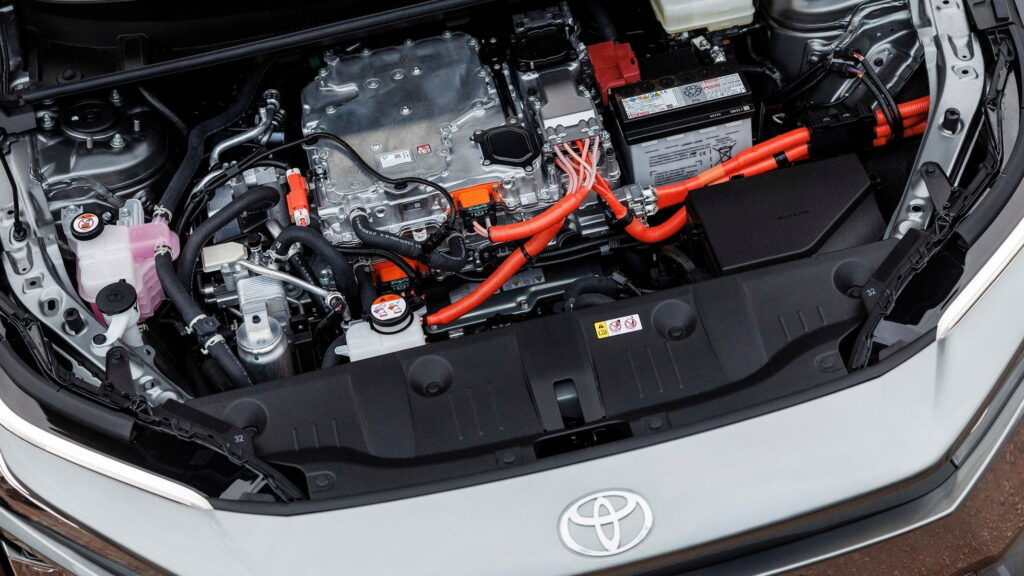
Then, during a planned review of remote diagnostic data in April 2026, engineers found evidence suggesting otherwise. Additional testing revealed that under certain conditions, including increased CPU load that can occur at low battery state-of-charge, the memory conflict could happen.
Toyota’s testing found that the resulting malfunction could occur at any speed and might also affect systems such as Pre-Collision System (PCS) and Vehicle Stability Control (VSC). The automaker says it has received one related warranty claim in the U.S. but no field reports connected to the issue. Owners don’t have to stop driving or park outside or anything of that nature, but they will need to go to a dealer to get a software update.