The Used Car Squeeze
Shoppers scouring the secondary market are quickly realizing their dollars simply do not go as far as they did a few years ago. The pre-owned lot, once a reliable haven for budget-conscious buyers, has transformed into an intensely competitive arena. Consumers are spending months aggressively monitoring dealership websites just to find acceptable models under 50,000 miles, illustrating the extreme lengths people must go to secure basic transportation today.
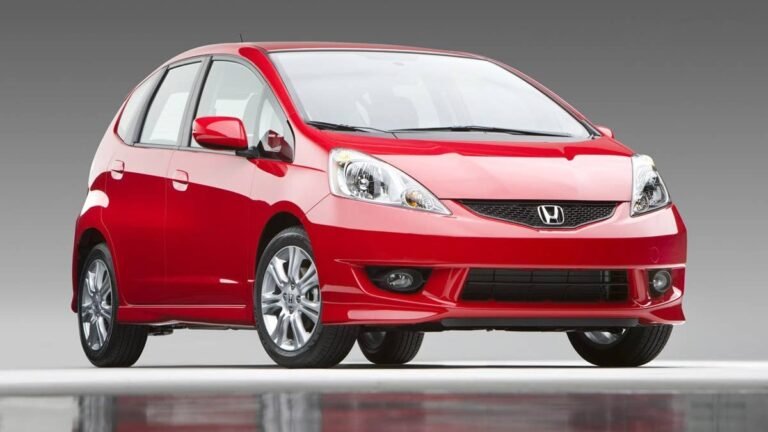
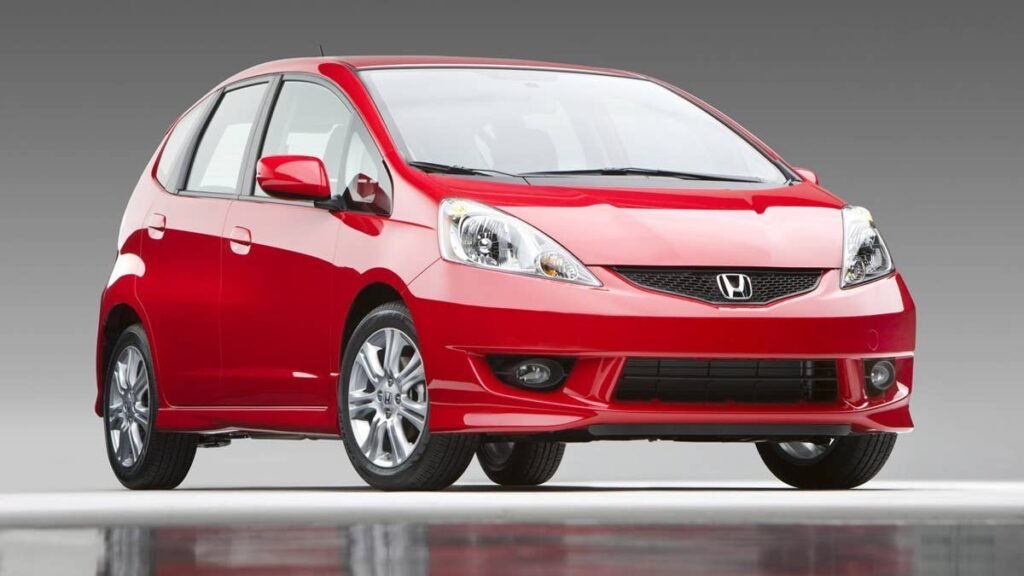
The metrics for a budget purchase have shifted dramatically. According to a Bloomberg report citing Edmunds research, a used vehicle priced between $10,000 and $15,000 is now nearly nine years old on average and carries roughly 98,000 miles. Back in 2019, that exact same budget comfortably secured a reliable car under five years old with about 58,000 miles, highlighting how steep the entry price for mobility has become.
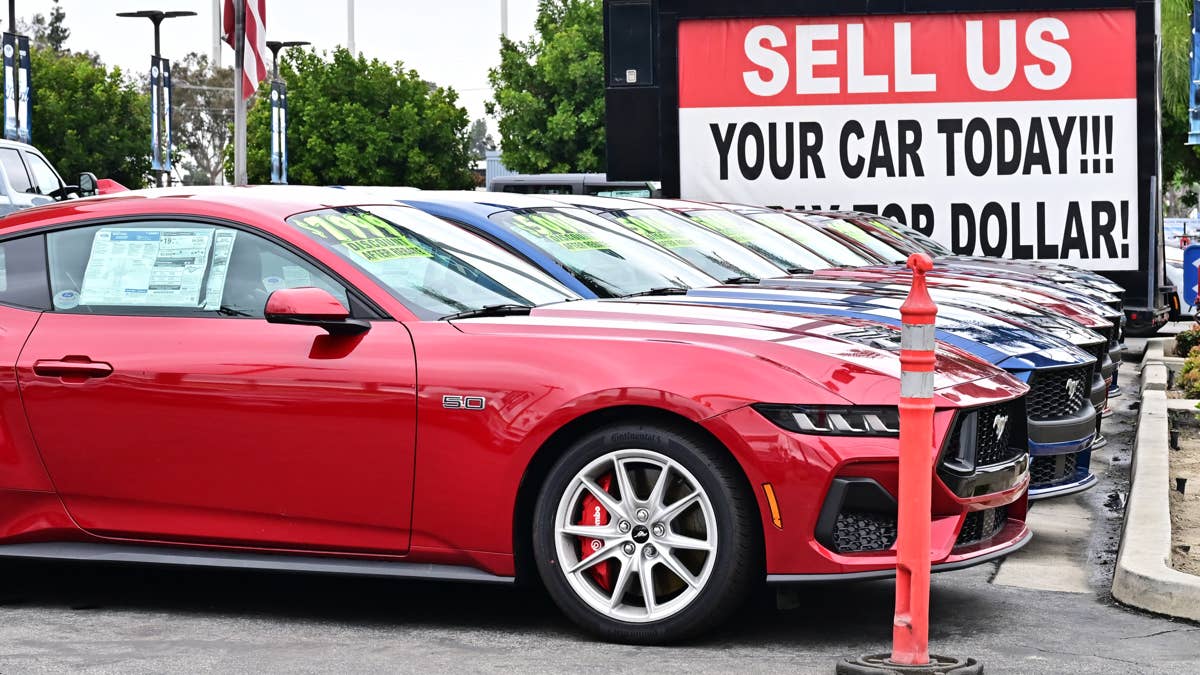
FREDERIC J. BROWN/AFP via Getty Images
Profits Choke Vehicle Supply
This massive supply bottleneck originates directly on the new car showroom floor. Automakers realized during the pandemic that prioritizing fewer, highly-priced models yields stronger profit margins and greatly rewards stock investors. Because new car prices remain stubbornly out of reach for the average wage earner, consumers are pushed directly into the secondary market, creating immense demand for an increasingly limited stock of cars.
This shift in corporate strategy has severely disrupted the natural churn that historically supplied used lots. For decades, affordable lease deals pumped a steady stream of well-maintained, low-mileage vehicles into the pre-owned pipeline. Today, expensive incentives have dropped annual industry leases from four million down to roughly 2.5 million, choking off the vital supply of quality used inventory and forcing dealers to pay premium wholesale prices.
Broader macroeconomic factors are simultaneously compounding this supply chain disruption. Recent Federal Reserve policies aimed at cooling stubborn inflation mean auto loan rates will place a substantially heavier burden on shoppers who need financing. Combined with geopolitical tensions driving up the diesel fuel costs necessary to ship parts and vehicles, the financial barriers to acquiring a reliable vehicle continue to climb aggressively.
A Broken Mobility Model
This structural shift in the automotive market presents a troubling reality for the average worker. Buyers who are forced to settle for older, high-mileage vehicles take on the immediate risk of expensive mechanical failures shortly after purchase. Normalizing massive premiums for vehicles teetering on the edge of major structural repairs places a dangerously heavy financial burden on working-class families.
Despite these steep financial barriers, Americans remain heavily dependent on personal vehicles for their daily livelihoods. For many desperate buyers, essential living budgets are now being drastically slashed just to maintain a monthly auto payment. When citizens must sacrifice basic necessities simply to afford aging, high-mileage transportation, it signals a fundamental crack in the traditional American model of upward mobility.

Getty Images