Tracing the Roots of ‘ReVolvolution’
It was in the ’80s when Volvo began exploring a more adventurous side, fitting turbochargers into its engines. First, it was the 240 that got a healthy amount of boost, even spawning a touring car version that actually proved successful in motorsport. Not content with that, Volvo proceeded to do the same thing for the 900 Series with the 940 Turbo, better known as the 940 SE in the U.S.
Into the ’90s, the 850 gained a T-5 model that further enhanced the brand’s sporting credentials. It was subsequently joined by even more powerful iterations with the T-5 R and 850R, and even saw a fair bit of success on the track.
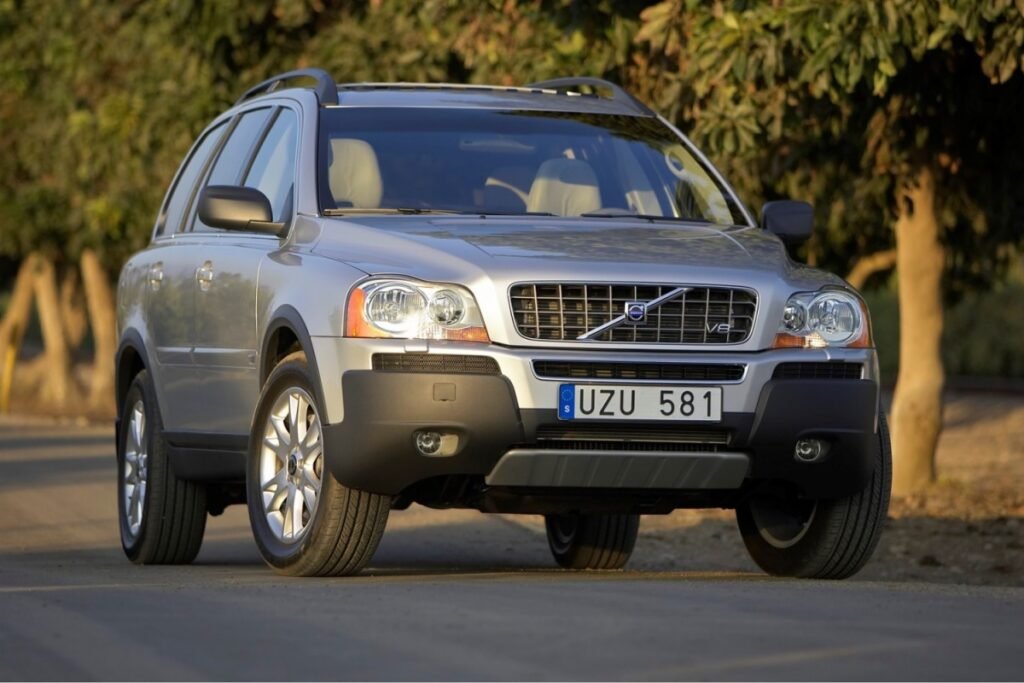
As for design, the company was entering a bold new direction. Previewed by the ECC concept car from 1992, it looked nothing like the boxy models from that time and presented a sleeker, swoopier design language from the typically conservative Swedes. That all came to fruition in 1998 when Volvo released the S80, followed by the S60/V70 in 2001, and the XC90 in 2002. It was a ReVolvolution, indeed, as the old ads say.
Volvo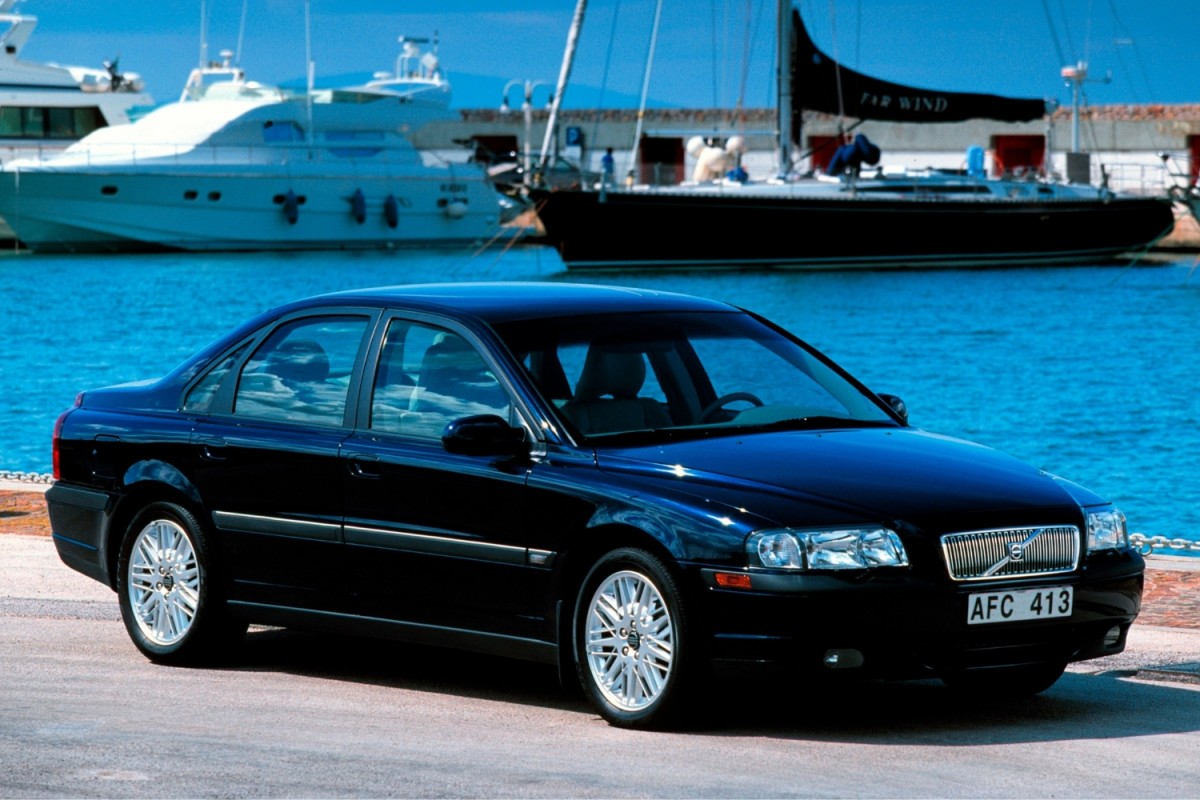
‘Let’s Stick a V8 in it’
By the mid-2000s, Volvo had pretty much changed its image but not its identity. The cars looked more contemporary, and even though Volvo didn’t (and still doesn’t) compete directly with the Germans, it was proving to be a very viable alternative to the usual suspects. ‘Where do we go from here?” said the Swedes, and the answer was the very American solution of shoving V8s in its flagship models.
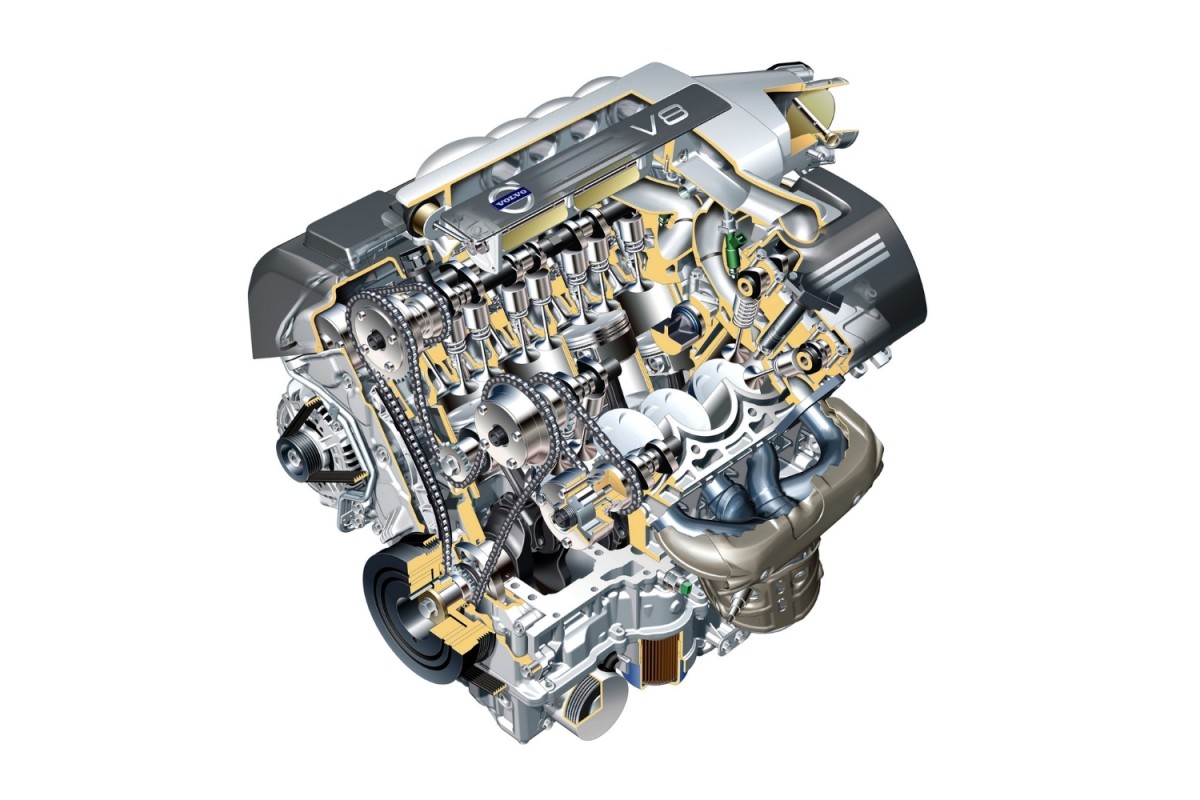
Meet the B8444S, and it’s not just a collection of alphanumerics. B stands for benzene or gas/petrol, 8 is for its cylinder count, 44 stands for its 4.4-liter displacement, the other 4 meant four valves per cylinder, and the S stands for standard or naturally-aspirated.
Contrary to popular belief, the B8444S is not related to any Ford engine from the same era. It’s a pure Volvo design in collaboration with Yamaha. That’s the part that made some folks think it was an upsized version of the Taurus SHO’s 3.4-liter V8.
Volvo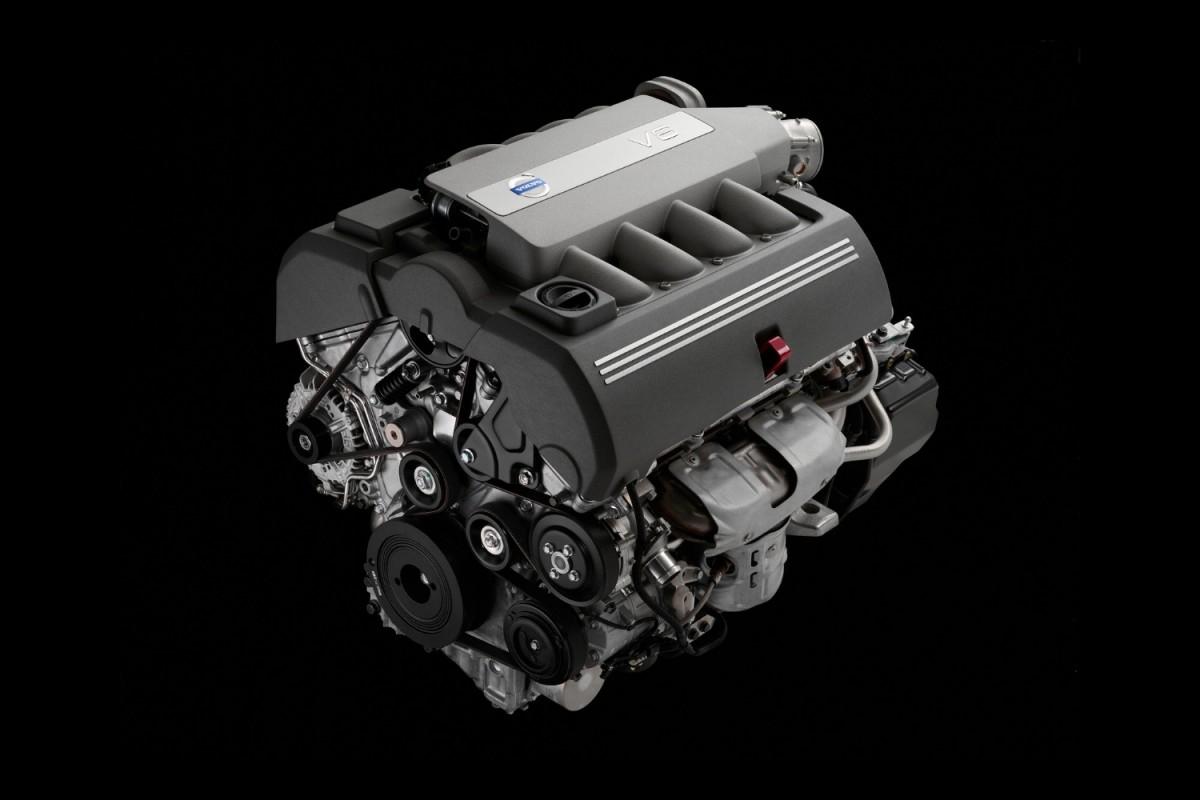
Why Volvo Made it
The Yamaha-built V8 first appeared in the XC90 in late 2004 for the 2005 model year. The reason why this whole thing happened in the first place? Hans Wilkman, then Volvo’s vice president for the large car line, explained, “An SUV in the premium segment needs a V8, especially on the North American market where we sell about 60 percent of all the XC90s we make.”
The 4.4-liter V8 produced 311 hp and 375 lb-ft of torque, competitive figures at the time. For comparison, the BMW X5 4.4i put out 315 hp and 330 lb-ft, while the Mercedes-Benz ML500 had 306 hp and 299 lb-ft. The Volvo was in the right company.
At the time, Volvo said it was tailor-fit for the XC90, but there was more to come.
Volvo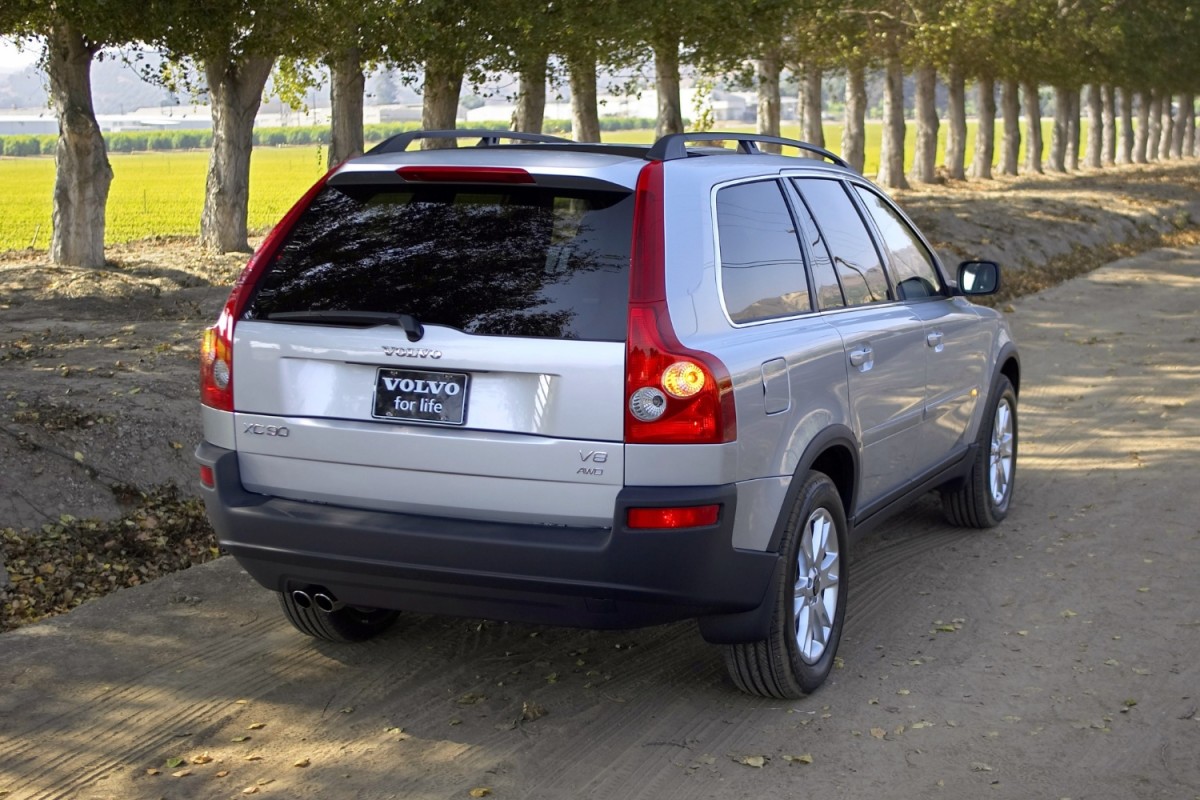
Finally, a V8 Sedan
The second-generation Volvo S80 made its world premiere in 2006 for the 2007 model year. It had the usual range of engines, consisting of turbocharged four-, five-, and six-cylinders, with a mix of gas and diesel. But the Swedes dropped a bombshell when it was introduced, and it too became available with the same 4.4-liter V8 from the XC90.
Power figures were exactly the same, but the S80’s lighter body meant it got to 60 mph about half a second quicker and knocked the time down from 7.0 seconds to 6.5. It also got the same Haldex all-wheel drive system from its SUV sibling. That said, it was more about reducing torque steer than giving it a sharper, more dynamic edge.
Volvo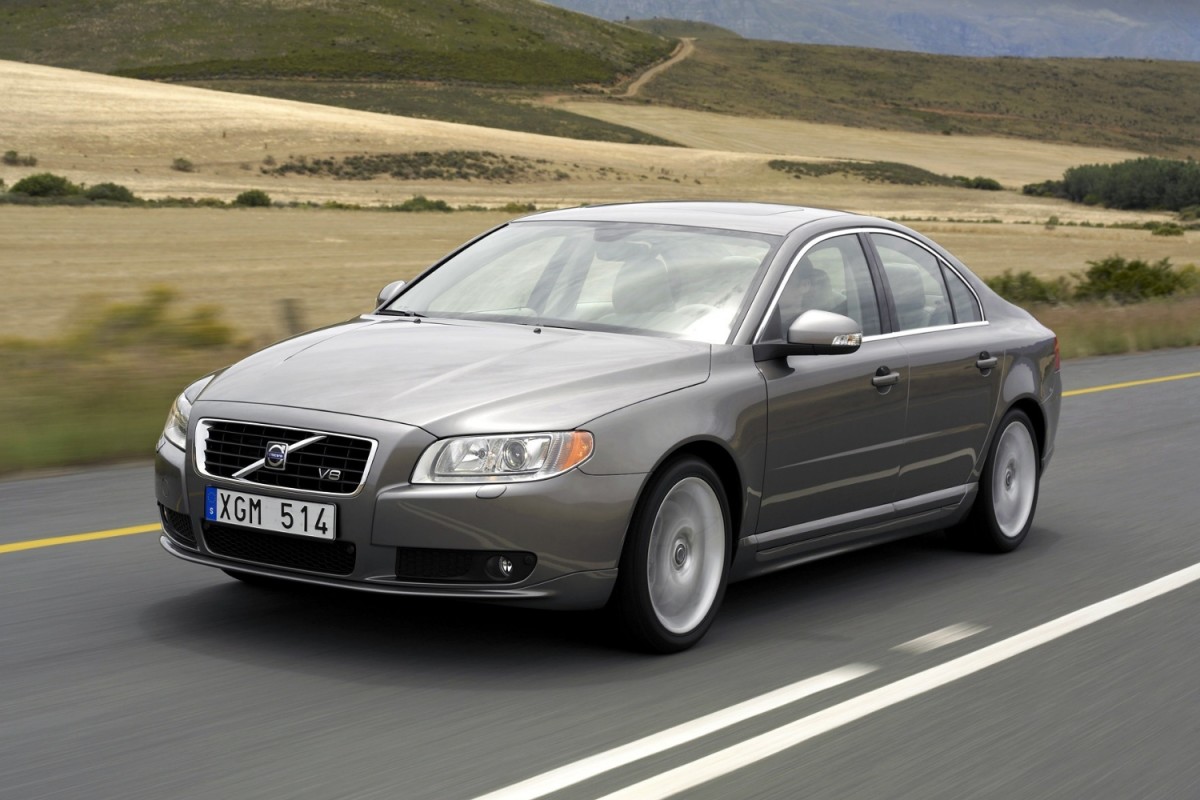
Smooth Operators
The thing about the V8 Volvos is that these were never marketed as sporty or outright exciting. The company’s press release even went so far as to say these were clean and environmentally friendly V8s, and while there was mention of the Four-C suspension system, Volvo pitched it more as a selectable drive mode to adapt to conditions rather than as something that would turn the XC90 or S80 into corner carvers.
So, these cars weren’t sporty, and their designs reflected that, too. At most, you get a V8 badge on the grille and another at the back. They’re virtually indistinguishable from their lower-powered counterparts, especially if you take out the badges. The V8-powered XC90 and S80 were smoother, capable cruisers with vast power reserves from the understressed engine. In the case of the S80, it’s basically the result of telling Volvo to build a Swedish Crown Victoria. We do wish it had kept the same engine in the V70 wagon, though.
Volvo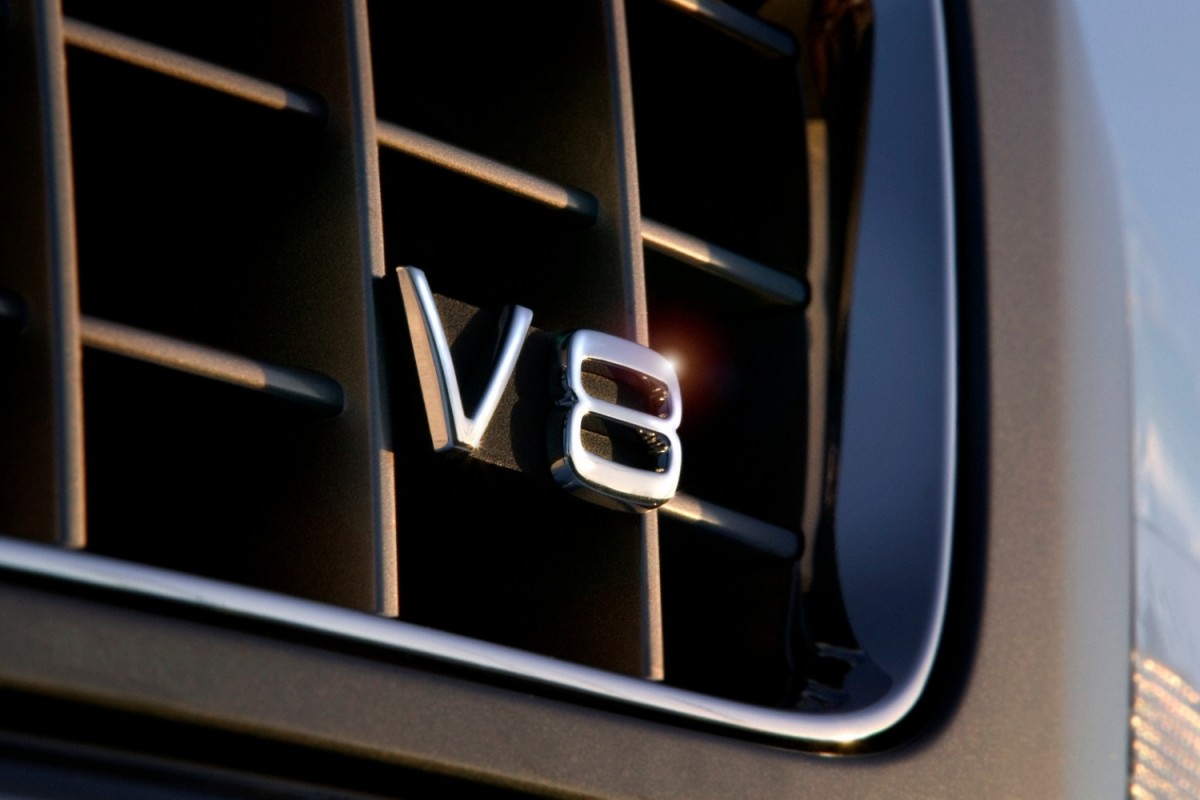
The Party Didn’t Last Long
Unfortunately for Volvo, it was in trouble by the late 2010s. The global financial crisis meant Ford, which owned the company at the time, had to tighten its belt. Either way, Ford’s Premiere Auto Group experiment had failed by then, so it had to sell off Aston Martin, Jaguar, and Land Rover, along with Volvo, to survive. Aston Martin was sold off to a consortium, Jaguar and Land Rover ended up with Tata Motors, and Volvo went to Geely.
Under new management, Volvo streamlined its powertrain department by building on just one engine. In this case, it was with a turbocharged 2.0-liter engine, and the company still does this today. The inline-fives were dropped, so were the straight-sixes, and yes, even the V8. In the end, an overwhelming majority of eight-cylinder engines wound up in XC90s, although a fair number did reside under the hoods of S80s.
Volvo stopped putting the B8444S in its road cars in 2010, but it lived on in the Noble M600 with a unique engine management system and two turbos strapped to it. A bored-out 5.0-liter version was also used in Volvo’s short but triumphant career in Australia’s V8 Supercars championship for the S60 V8, with Scott McLaughlin wringing out the best from it.
There’s no chance of Volvo ever revisiting V8 power, given its push towards electrification, but the brief period it offered eight cylinders is always worth revisiting. At least it hasn’t stopped building sleepers, as the XC90 T8, XC60 T8, and V60 T8 of today offer genuine sports car-rivaling acceleration times in the lap of comfort.
Volvo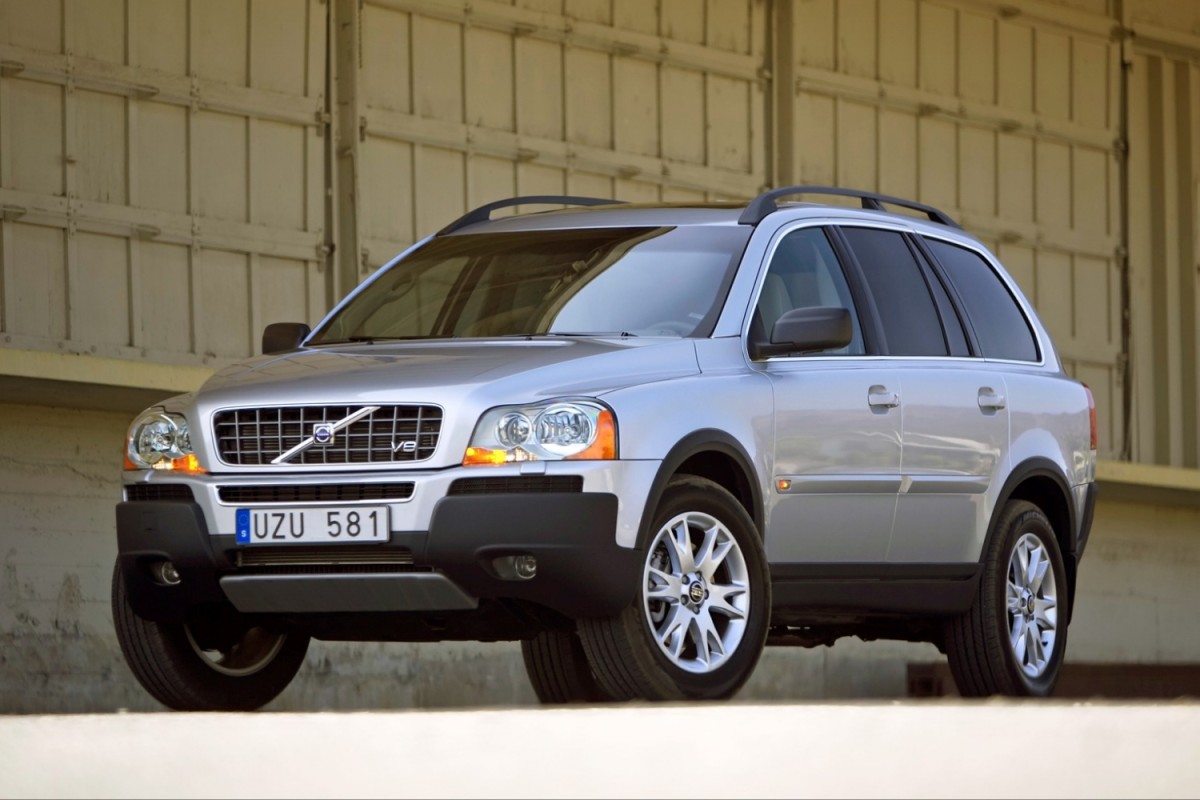
Volvo