The Good News
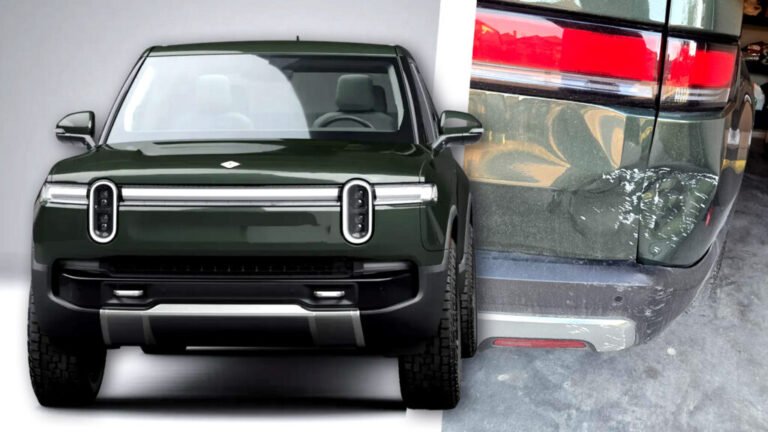
A report by Mitchell found that repair costs for EVs have dipped slightly. That should give current owners a little more confidence, should the unfortunate happen. In the U.S, it’s down to $6,395 from $6,707 or about $400 less than last year. Okay, it still sounds pricey, but it’s still something.
But that’s pretty much where the good news ends, because EVs are still more expensive to repair than ICE-powered vehicles. The complexity of these vehicles isn’t doing it any favors, either.
Tesla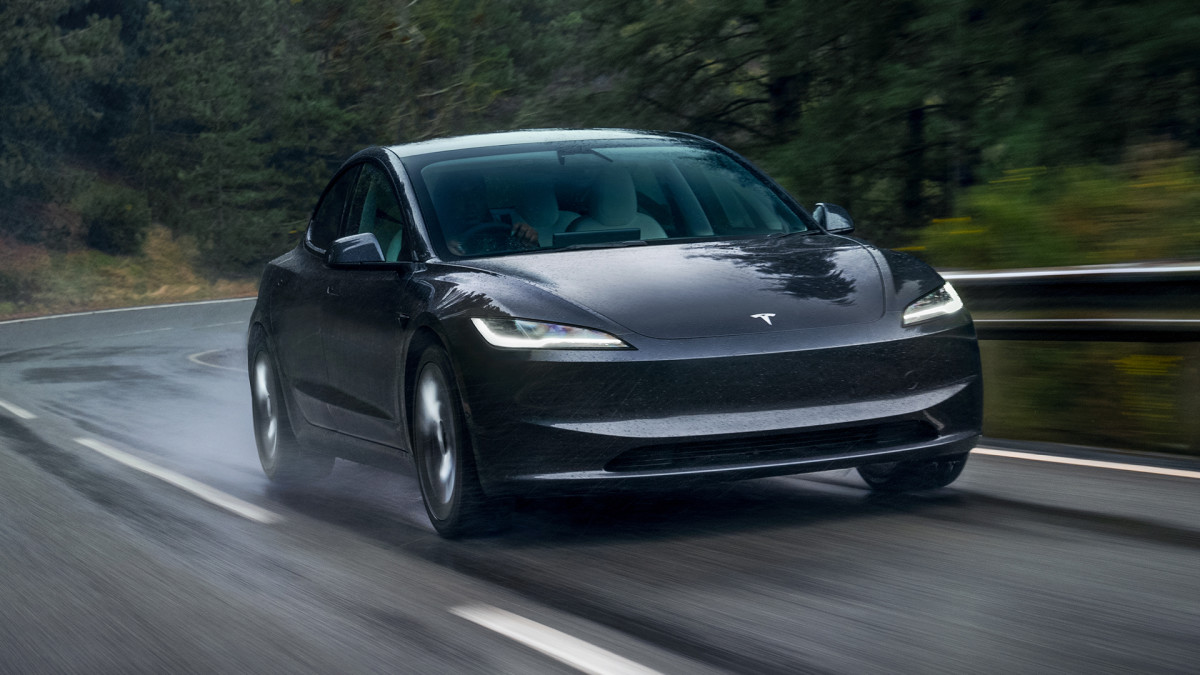
They Can’t Fix Them Like They Used To
According to the collision management software provider, repairable claims in the U.S. went up by 14 percent. Claims for PHEVs also went up by 6 percent, mild-hybrids by 20 percent. As more and more electrified vehicles join the roads, coupled with the additional sensors and radars modern cars have, the repair industry is facing several challenges.
“Due to their dense electrical architectures, software-driven systems and interconnected, sensor-heavy designs, these vehicles require additional diagnostic and calibration operations when damaged that can add cost, complexity and cycle time to each repair,” said Ryan Mandell, Mitchell’s vice president of strategy and market intelligence.
Getty Images
Costly Recalibrations
EVs and hybrids aren’t the only ones guilty of having heaps of sensors, lasers, and cameras on board. That said, there are more of them to be found in electrified vehicles to keep more things in check. You have software for battery management, drivetrain, motor position, pressure sensors, and much, much more.
After an accident, all those sensors have to be recalibrated. Sure, it’s fitted with new sensors and the like, but it won’t work properly unless there is a baseline of sorts. It’s not just a one-time job, either; it often requires a second, or even a third, visit to the repair shop to get things back to where they once were.
For reference, EVs need 1.70 recalibrations, 1.63 for hybrid vehicles, and 1.54 for combustion-powered models. It doesn’t help that some automakers use proprietary software and hardware in their EVs, further increasing complexity and delaying repair times.
Fabian Kirchbauer Photography
Two Sides to the Coin
There is a bright side, though. A study conducted about a year ago revealed that EVs are indeed cheaper to maintain and keep on the road than anything with an engine — whether hybrid or not. EVs do require fluids, but those motors are practically maintenance-free. Also, depending on electricity rates, it’s cheaper to charge up than to gas up, per mile.
But, again, it’s the complexity that makes repair times longer. According to CDK Global, EV owners have waited 34% longer for their vehicles to come back to them, unless it’s a Tesla. It’s better for them, but it’s still a wait, nonetheless. According to the same study, Tesla owners waited 23% longer than non-EV owners.
EVs are mainstream now, but there’s still a long way to go in simplifying repairs. There are some attempts to make that happen, but it might take a while before certain methods are applied industry-wide. Of course, we’re not saying don’t buy an EV, but be wary nonetheless.
Chevrolet