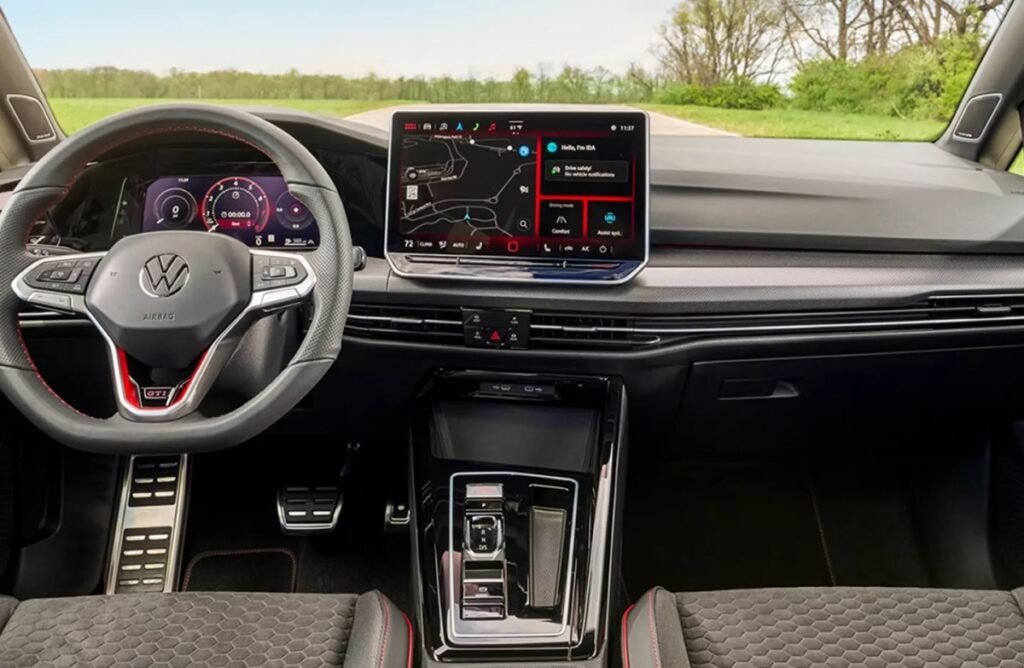
Volkswagen likes to think of itself as the creator of the “People’s Car,” yet it followed the industry into the over-digitalization of car interiors, a mistake it’s now fixing with a new generation of cars that will bring back physical buttons. Several factors were at play for this misstep, one of which appears to have been VW’s old CEO, Herbert Diess, who had a different impact than some of his predecessors. Fortunately, current CEO Thomas Schäfer seems to have a better grasp of what customers really want, telling Top Gear that physical door handles and buttons “are absolutely non-negotiable” under his supervision, and explaining why the Wolfsburg-based automaker made the ill-advised detour into touch-capacitive and haptic feedback-operated controls in the first place.
VW Made Mistakes Because of Trends, Pricing, and Its Old CEO
Cars & Bids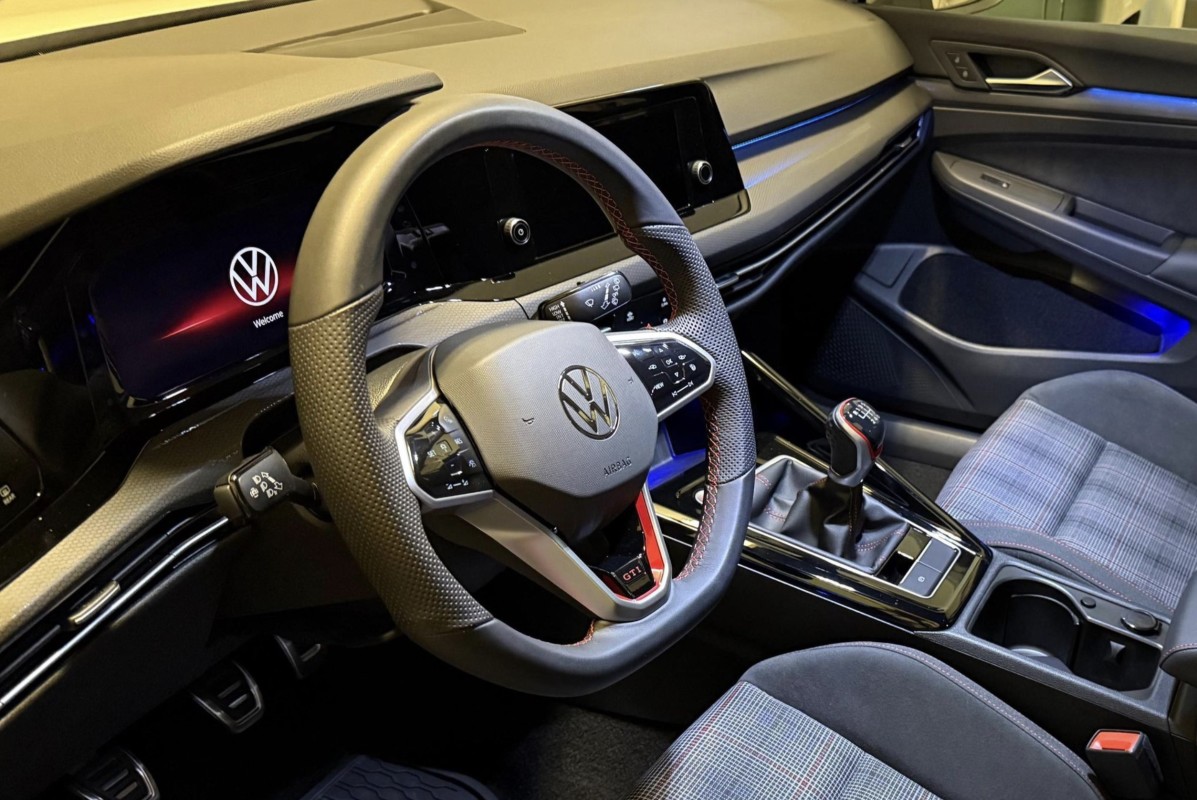
“It was clear we were losing our core,” Schäfer told the publication. “VW has always been about cars that became part of people’s lives: reliable, easy to understand. Yes, geopolitics, supply chains, and competition [had an effect], but we also had to change our mindset.” The idea that EVs were the next big market encouraged automakers to create what they felt were futuristic interiors, and as this shift was perceived by suppliers who were already at the forefront of touchscreen technology, it became simpler and cheaper to go with digital interfaces, something even Ferrari fell afoul of. With automakers and their rivals all going the same route, the economies of scale for such controls seemed even more and more sensible, but it was also apparently a choice driven by old leadership.
Related: 2027 Volkswagen Atlas Shows Bold New Look Ahead of March 31 Reveal
It was difficult to change the “iPhone-ish kind of design” mindset of VW’s designers, to whom Schäfer said, “Listen, [there are] two things that are absolutely non-negotiable for me: door handles and buttons.” He added that deciding to use touch-sensitive sliders is confounding to him, but it wasn’t entirely the design team’s fault. VW technical development chief Kai Grünitz said, “I’ve worked for Volkswagen for roughly 30 years now. Every Volkswagen has been made for the board, and especially for the CEO. Luckily, [Ferdinand] Piech and [Martin] Winterkorn had a feeling for what the customer wanted. Changing the CEO means that everyone follows the new one. And if he says, ‘hey, we need sliders…’ they argued a little bit, but they’d style [it as requested].” So how will VW ensure future products are more aligned with customer desires?
Volkswagen Is Actively Considering Customer Needs
Volkswagen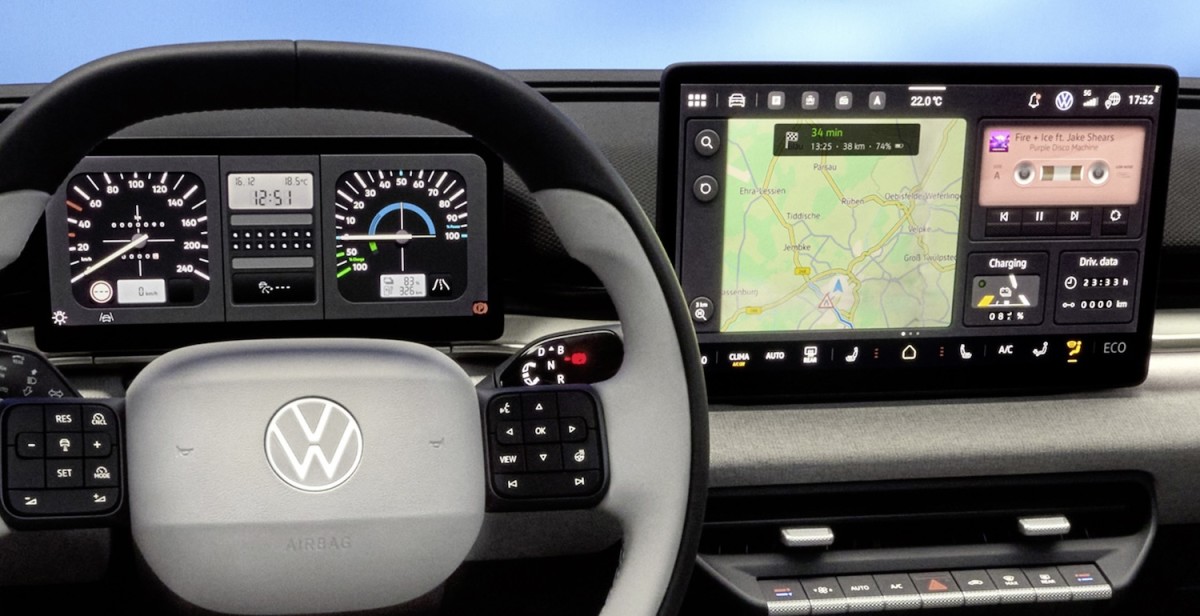
Schäfer explained that VW used to make a long list of requirements and features before starting work on a new car, “but people didn’t feel comfortable using [the end product].” Now, VW considers the user first, thinking about who the car is for and how they’re using it. “A VW should have a friendly face. A door handle must be intuitive—easy to use when you arrive at the car with hands full of shopping,” the CEO said. “And we will bring back real buttons and real names, for cars you can understand immediately.”
Grünitz added that the automaker is holding plenty of customer clinics: “[We’re] asking ‘what do we need a button for?'” In these clinics, VW uses cameras inside the prototype car “to see what the customer uses and where they are looking,” and it’s also taking into consideration customer feedback and reviews like those published here.
BMW held similar clinics before introducing its controversial new interior, and immediate responses have been both positive and negative, so VW’s future cars may not appease all, either, but considering what the inside of the upcoming ID. Polo looks like, Volkswagen seems to be on the right track. Hopefully, the next Golf GTI won’t be as disliked for its interior as the current eighth-generation has been.