- DOJ says California cannot set its own fuel economy rules.
- Lawsuit claims EV quotas force production shifts nationwide.
- The case may decide how far states can push EV mandates.
For decades, states like California have written and enforced their own environmental rules. Now the federal government argues that the Golden State has pushed those powers too far. It claims California’s EV mandate is unlawful and has filed a lawsuit aimed at overturning it. If the challenge succeeds, the decision could reshape the U.S. automotive market.
The announcement also included sharp criticism of California’s policy from federal officials.
“I was proud to stand alongside President Trump to unveil our plan to eliminate the Biden-Buttigieg EV mandate and allow auto manufacturers to produce cars American families actually want to buy at a more affordable price. But Gavin Newsom is determined to continue pushing Democrat’s radical EV fantasy, even if doing so is illegal,” said U.S. Transportation Secretary Sean P. Duffy.
More: US Stops Going After People Who Emissions-Delete Diesel Trucks
“Newsom may not care about lowering costs, but President Trump does. I want to thank Attorney General Bondi for fighting to protect consumer choice and stop activist governors from destroying our manufacturing sector,” he added.
The legal core of the case comes down to two main factors. First, whether or not California can limit CO2 emissions. Currently, it sets a fleetwide CO2 emission limit for automakers selling in the state. The federal government says that doing so is “effectively identical to a rule that limits fuel consumption.”
California ZEV Sales Mandates
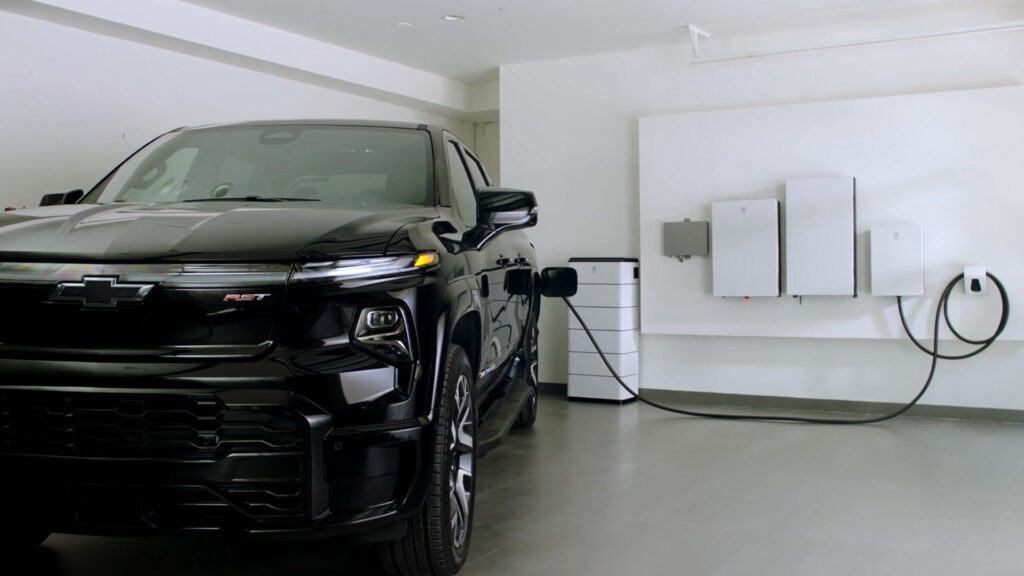
Second, the lawsuit targets California’s ZEV mandates. Those require automakers to sell a certain percentage of zero-emission vehicles within their fleet. For 2025, roughly 22 percent of the cars sold by any automaker in California had to be ZEVs.
The Department of Justice says this also interferes with CAFE rules and forces EV sales. Until now, the state has adopted an emergency rule to keep these first two rules active. The DOJ is also targeting that emergency rule in this case.
A Widespread Impact
No matter how the lawsuit unfolds, the outcome could have sweeping consequences. California has long led efforts to cut smog and pollution, something that has measurably improved air quality in the densely populated state. But many others have followed its lead. To date, at least 17 other states, including New York, Colorado, Nevada, and Virginia, have adopted similar rules to the ones that the DOJ is targeting.
That means automakers selling vehicles in the US must account for how regulations in these states influence their sales. They must do this alongside compliance with federal emissions guidelines. If the court sides with the federal government, it could limit how aggressively states push EV adoption beyond federal standards.
On the other hand, if California prevails, the divide between state and federal policy could widen even further. And expect automakers to keep juggling two very different visions of the future at the same time.