Behind Closed Doors
A report from Car Complaints provides an update on the lawsuit accusing Toyota of illegal data sharing. A federal judge has sent the case to arbitration after determining that plaintiff Philip Siefke had agreed to resolve disputes through arbitration.
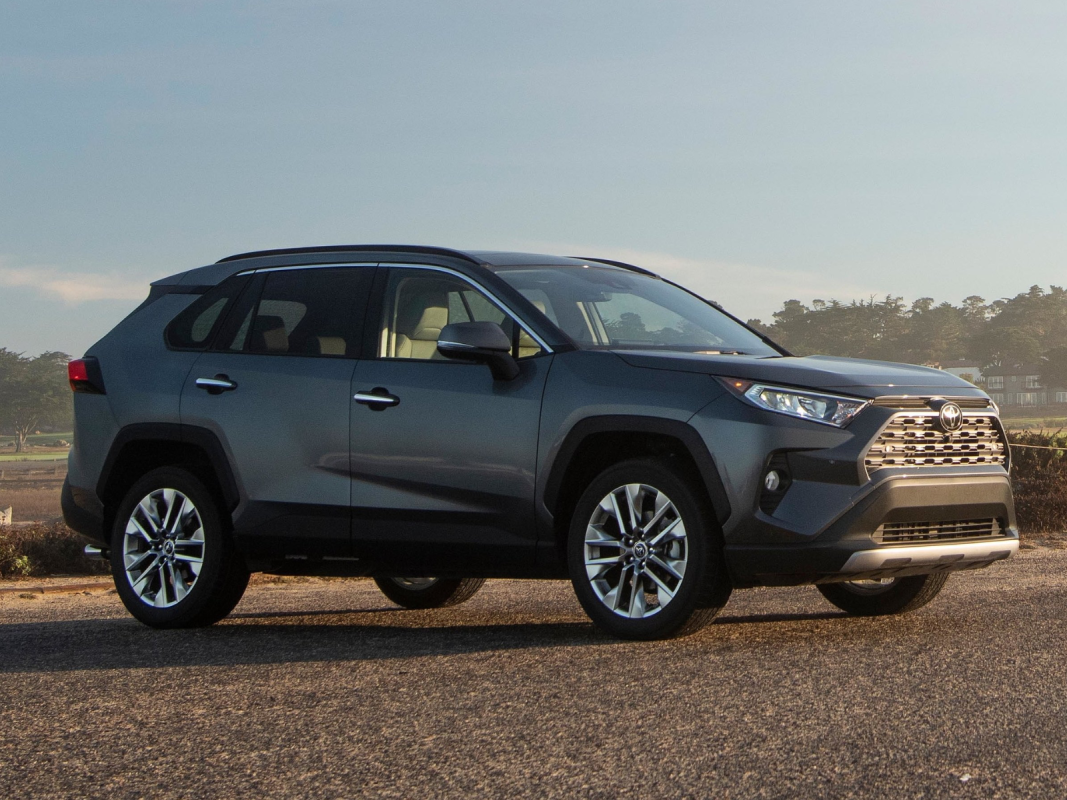
Siefke, who owns a 2021 RAV4, discovered that Toyota had been collecting his data after learning he already had a comprehensive driving profile while applying for insurance. He then filed a class action lawsuit against Toyota, the insurer Progressive, and the data firm Connected Analytic Services (CAS), alleging violations of the Federal Wiretap Act, the Computer Fraud and Abuse Act, and invasion-of-privacy laws. The suit alleges Toyota illegally collected, sold, and shared drivers’ behavioral data from vehicles dating back to the 2018 model year.
In the Fine Print
The arbitration clause is embedded in Toyota’s terms of use, and the automaker argues that disputes over driving data must be handled through arbitration. Toyota also said it gathers data only from customers who consent to its Connected Services agreement.
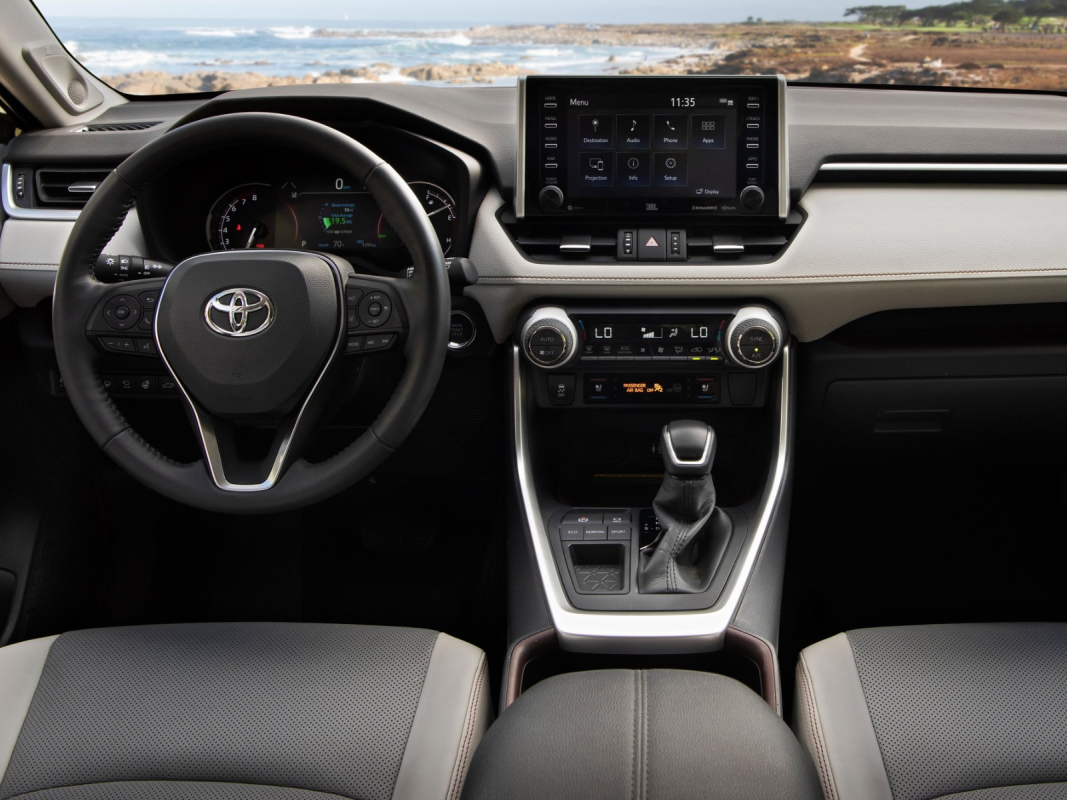
However, the case underscores the scope of Toyota’s Connected Services, which offer features such as remote vehicle controls, navigation, and in-car connectivity. Under the system described in court, customers who decline to share their data cannot access these connected features. While that arrangement may seem off-putting to some, Judge Amos Louis Mazzant noted that customers have the choice to enroll in Connected Services – and consent to data sharing—or decline them altogether.
The judge referenced the terms agreed to by the plaintiff, which state:
“By continuing, you agree to Toyota’s handling of vehicle data according to the Connected Services Terms of Use and Connected Services Privacy Notice. The terms ‘Connected Services Terms of Use’ and ‘Connected Services Privacy Notice’ are in red, boldface text, and they provide a hyperlink sending the User to digital copies of Toyota’s Terms of Use and Privacy Notice.”
The Data Dilemma
The court also granted the motions to compel arbitration filed by Progressive Insurance and Connected Analytic Services.
As connected services become increasingly common in modern vehicles, concerns over data privacy are also growing. These concerns have also influenced U.S. restrictions on China-linked connected-vehicle technology, driven in part by national-security and data-security fears.
The adoption of advanced technologies, such as autonomous driving systems, will require vehicles to collect large volumes of data to operate effectively. As such, it will be important to see how regulators balance innovation, safety, and privacy protections.