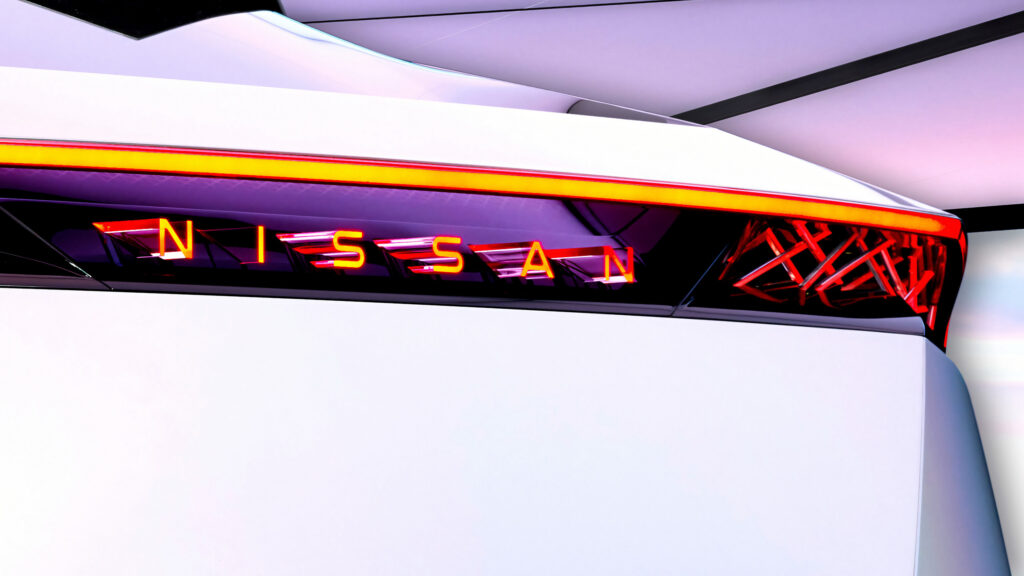
- Toyota reportedly offered help to Nissan after its talks with Honda fell apart.
- Neither Nissan nor Toyota has confirmed any discussions about a partnership.
- Nissan is cutting 20,000 jobs and closing seven out of its 17 production facilities.
A lot can happen in six months. Late last year, Nissan was having serious discussions with Honda about a potential merger, and then, in January, confirmation came that the duo would indeed join forces. However, just as quickly as that deal seemed to materialize, it then fell apart, leaving Nissan to deal with its problems on its own. However, it’s now been revealed that after the merger disintegrated, another Japanese automaker offered a helping hand to Nissan.
A report out of Japan claims that a Toyota executive reached out to Nissan to offer support in February. There’s no word on what kind of support was offered, and neither Nissan nor Toyota has disclosed any potential discussions about a potential partnership. However, Toyota may see Nissan’s struggles as an enticing business opportunity.
Read: All The New Nissan Models Arriving By 2027, From Sentra To Frontier
As noted by Mainichi, Toyota first took a 0.22% share in Daihatsu nearly six decades ago. It then slowly grew its stake in the once-independent car manufacturer to 16.8%, before increasing it to 33.4% in 1995. In 1998, Toyota’s stake grew to 51.2%, and by 2016, Daihatsu had become a wholly owned subsidiary of Toyota.
Toyota has important financial stakes in other car manufacturers. For example, it holds a roughly 20% stake in Subaru and a roughly 5% stake in both Suzuki and Mazda.

Only time will tell if Nissan accepts some kind of investment from Toyota. For what it’s worth, Nissan chief executive Ivan Espinosa says Nissan is open to new partners, although it is focused on fixing its issues from within, at least in the short term.
“This is a very open review that we’re doing, and we are evaluating potential partners that will bring additional corporate value to Nissan,” Espinosa said last week while announcing the brand’s ambitious turnaround plan.
This plan includes cutting 20,000 jobs across its global network, reducing its workforce’s average cost per hour by 20%, cutting parts complexity by 70%, and slashing the number of platforms it uses. Nissan also intends to close seven of its 17 global production facilities.