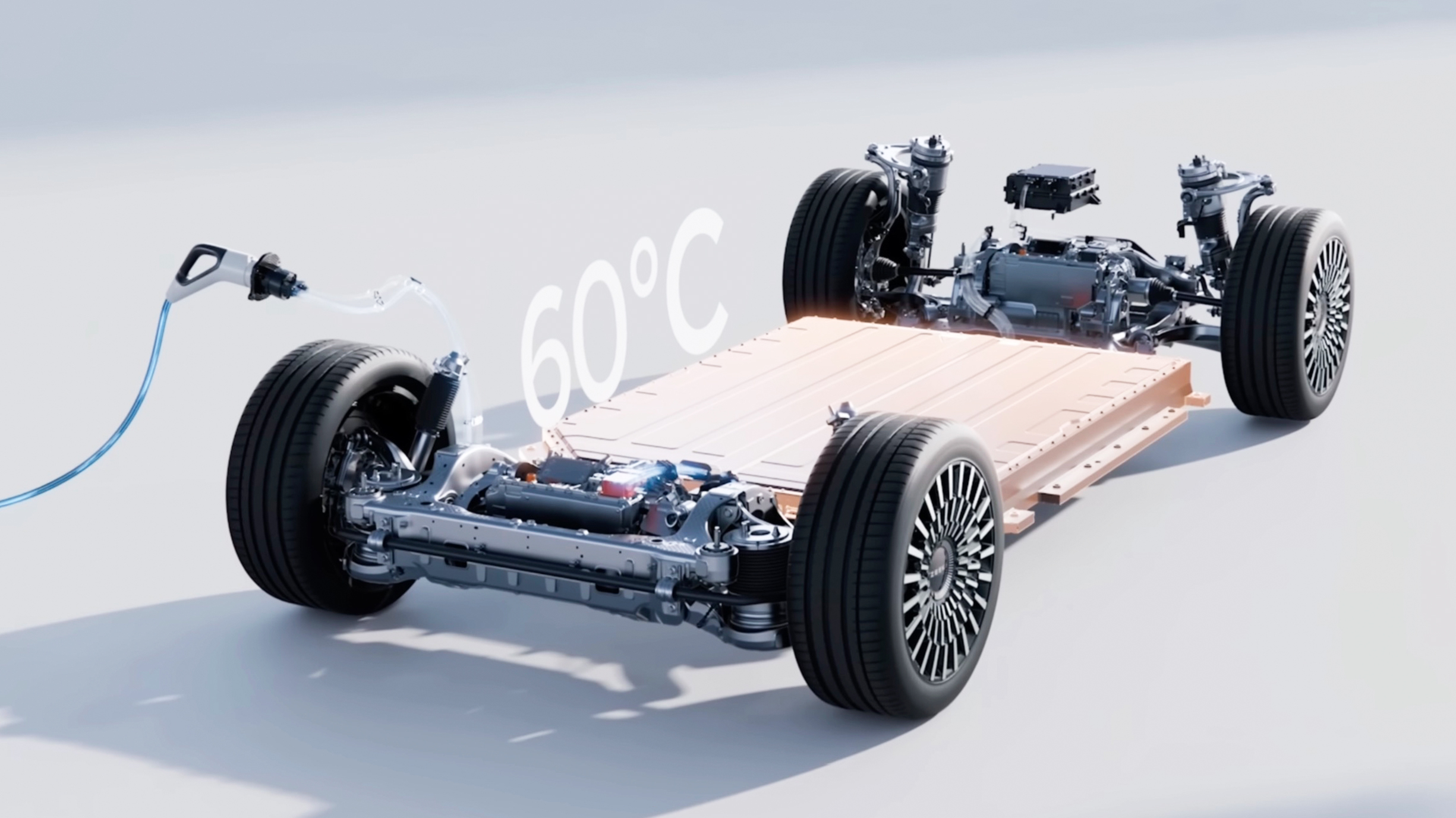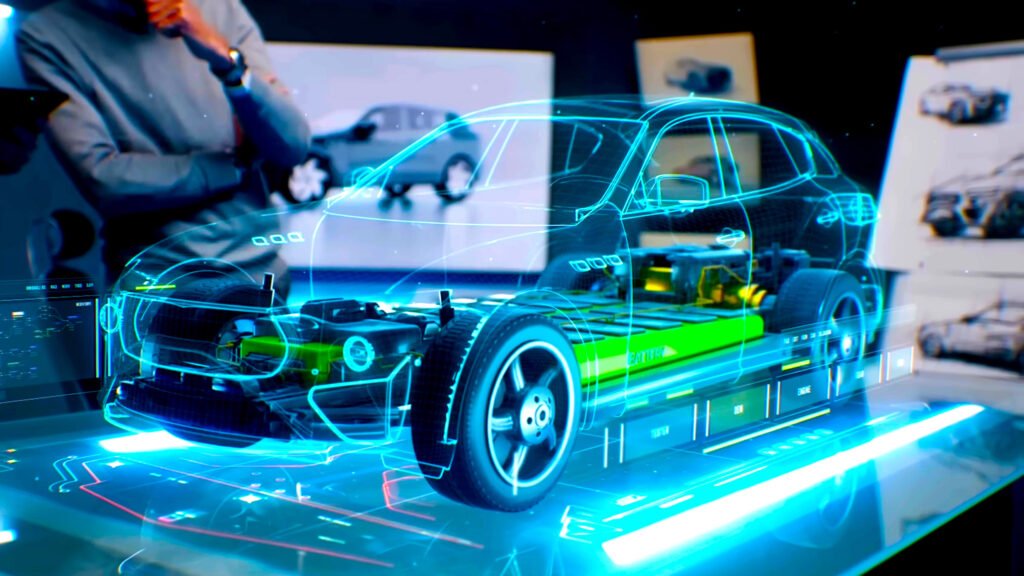
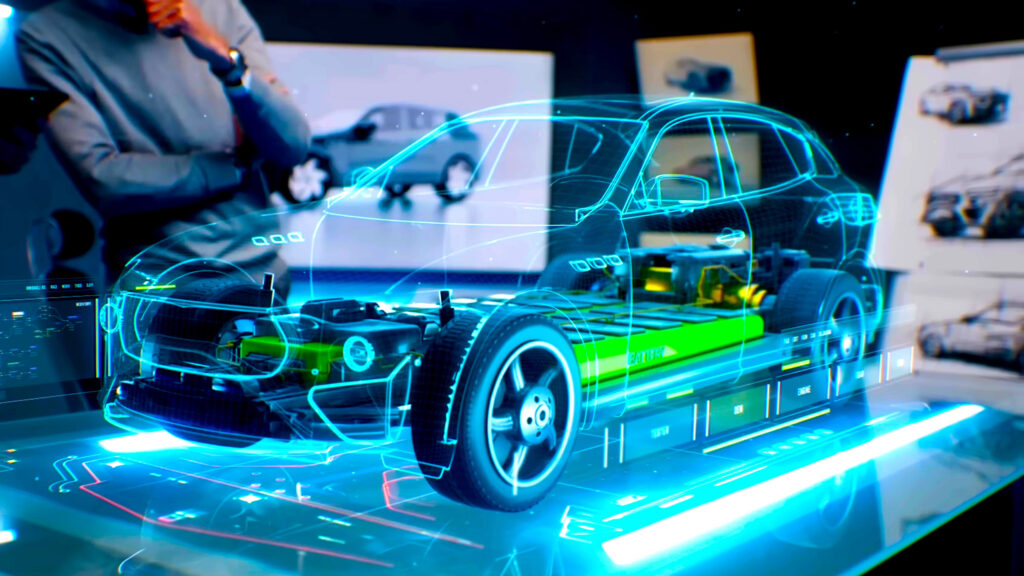
- CATL says its new 5C battery lasts far longer than rivals.
- Delivers 1.1M miles with repeated fast charging at 20 C.
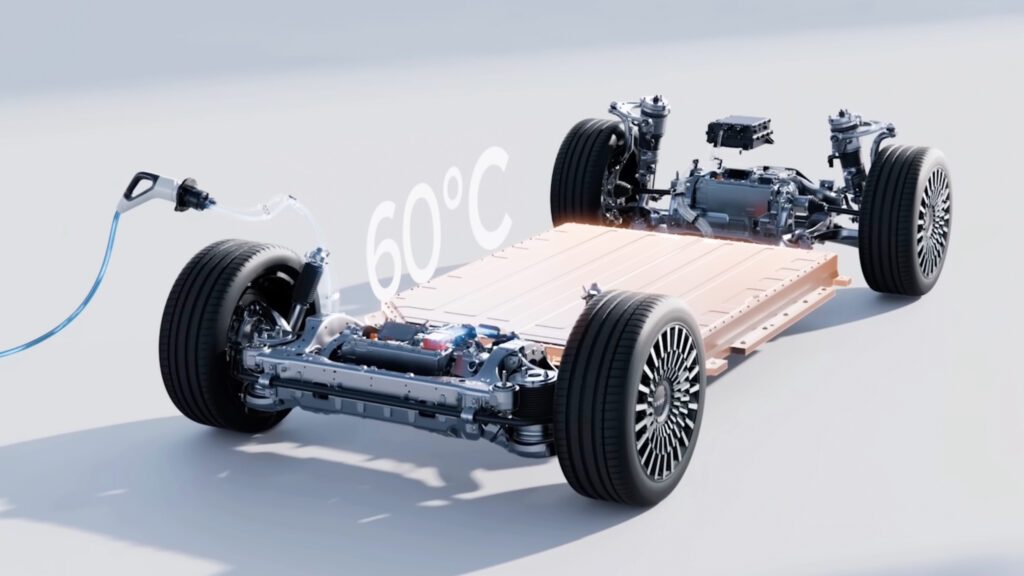
- Withstands 60 C heat and still offers over 500,000 miles.
New EVs come with long battery warranties, but used EV buyers picking one up years later don’t get that same safety net. And the thought that a car spent its early life tethered to a fast charger is a major worry. But according to one major Chinese battery supplier, that may not be the case for much longer.
CATL claims its latest 5C lithium ion pack can retain 80 percent of its original capacity after 3,000 full charge cycles when hooked up to a fast charger under ideal 20 degrees C (68 F) conditions. Do the math and that works out to roughly 1.1 million miles (1.8 million km). That’s taxi driver territory, not school run use.
Related: Tesla’s Battery Upgrade Costs Twice What The Whole Car Is Worth
Even when things get toasty, the numbers still look wild. CATL says that at 60 C (140 F), which it compares to a Dubai summer, the battery still holds 80 percent capacity after 1,400 cycles. That equates to around 520,000 miles (840,000 km), which is still more than many cars ever see.
Charge In 12 Minutes
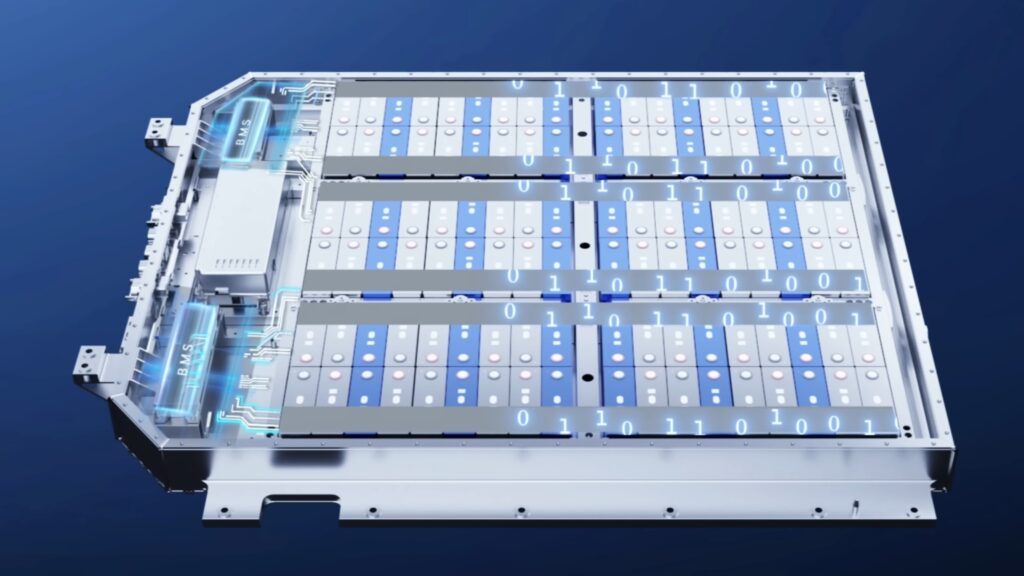
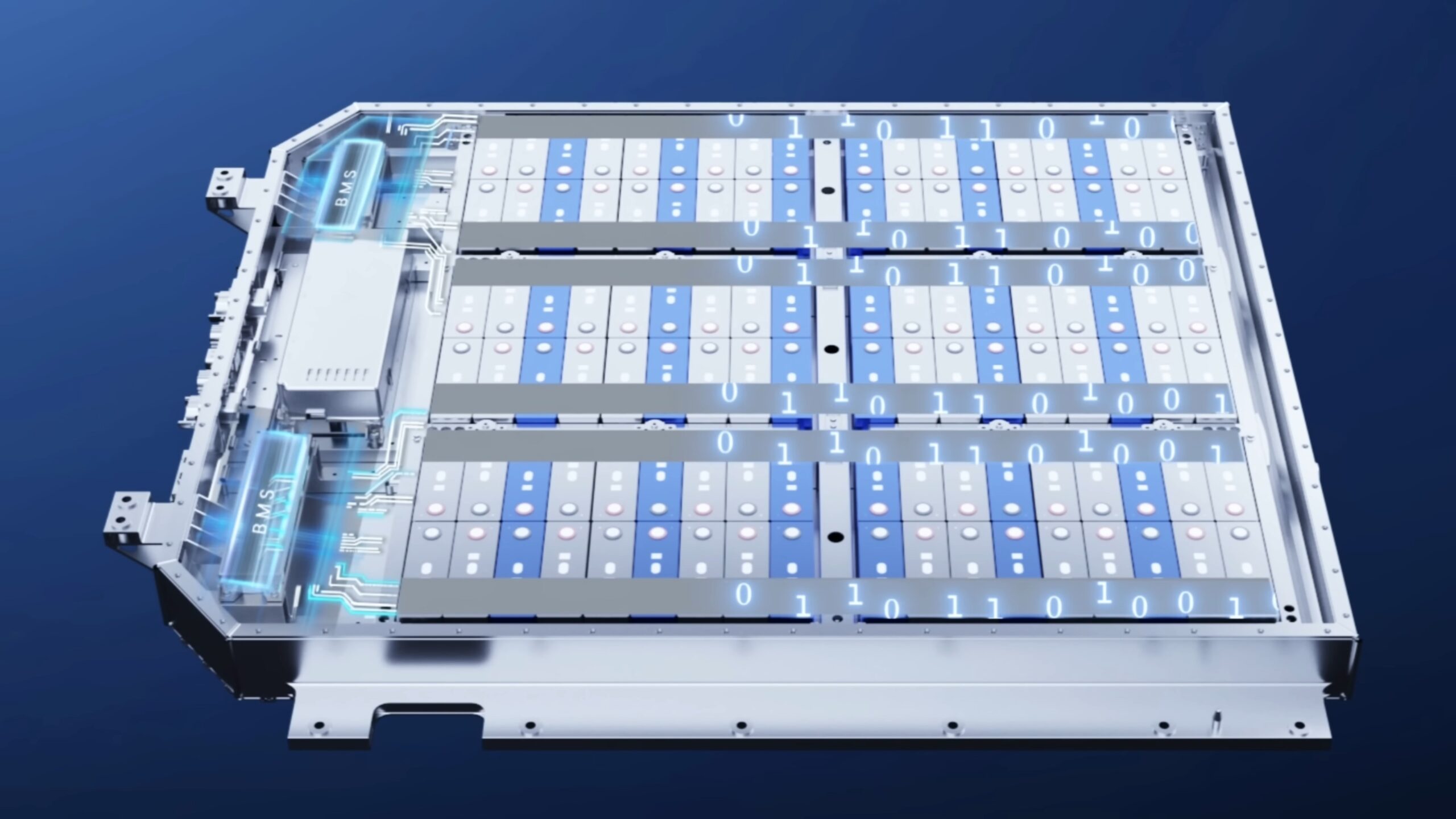
The 5C label refers to charge rate in fills per hour. In simple terms, this battery can theoretically be charged from empty in about 12 minutes. Ultra fast charging like that normally hammers battery longevity, but CATL says clever chemistry and thermal management keep degradation in check.
According to the company, the secret sauce includes a more uniform cathode coating to reduce structural damage, a special additive in the electrolyte that helps repair tiny cracks, and a temperature responsive layer on the separator that slows ion movement if things start getting too hot. The battery management system can also target cooling to specific hot spots inside the pack.
Don’t Fear Fast Charging
All of this is aimed at making fast charging routine rather than something owners try to avoid. That could be a game changer for high mileage users like taxis, ride hailing drivers and delivery fleets, where downtime really is money.
Of course, this is all on paper for now. CATL hasn’t said when mass production will start or which cars will get these long-life packs first. Real world results often look less glamorous than lab numbers.
Still, if even half these claims hold up, the idea that an EV battery might outlast the car wrapped around it suddenly sounds a lot less like science fiction and a lot more like your next used car bargain.
H/t to Inside EVs