A Growing List of Bad Habits
Distracted driving is commonly associated with texting behind the wheel. But a survey from Mercury Insurance suggests there are all kinds of distracted driving behaviors across the U.S., grouped into playful “profile type” categories that may be easier to remember.
Some of these include the Social Butterfly and Daydreamer. The survey noted that identifying the type of distracted driving habit a driver may have could help address it and, ultimately, reduce the risk of crashes. After all, a National Highway Traffic Safety Administration report found that 3,275 people were killed and 289,310 were injured in distraction-affected crashes in 2023, which works out to about nine deaths and 890 injuries per day.
vorDa from Getty Images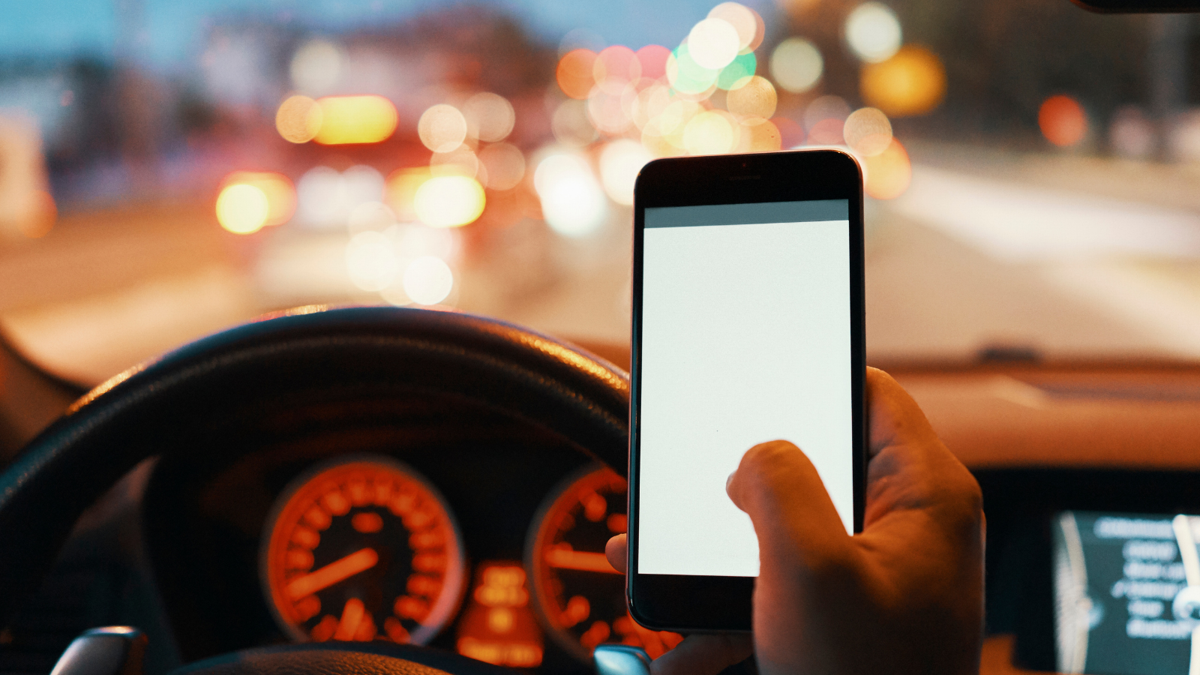
The Behaviors Behind the Wheel
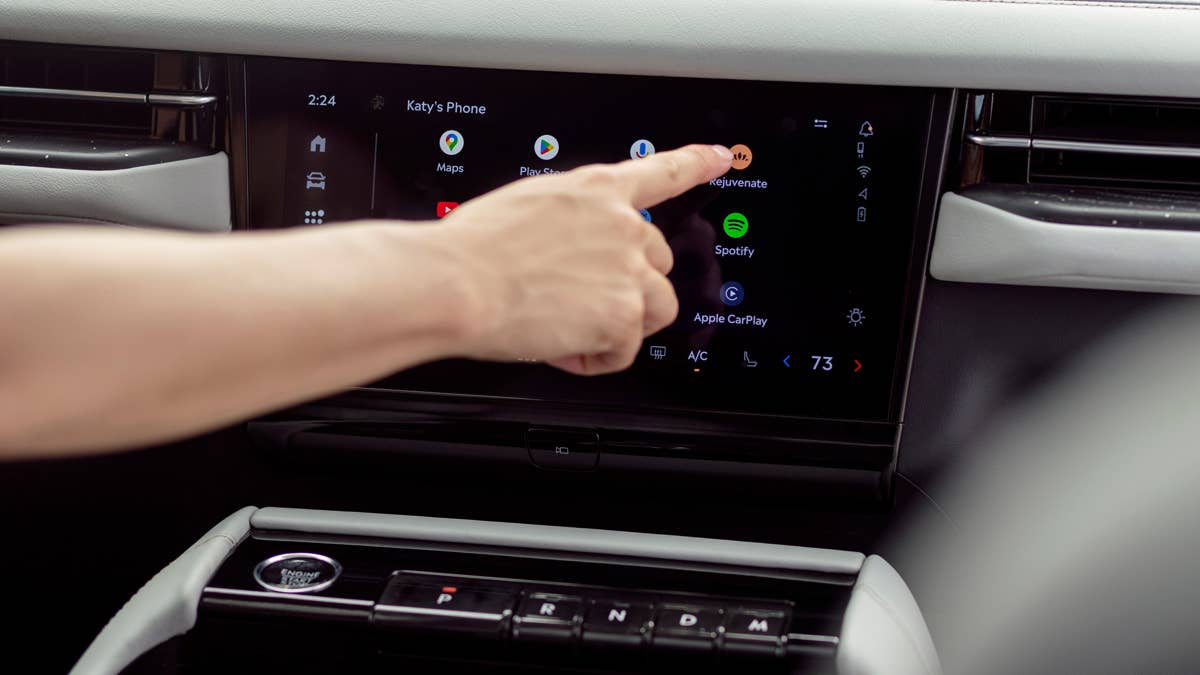
Two of the most common distracted driving profiles are the Stylist and the Navigator. The Stylist refers to drivers who groom themselves behind the wheel, such as fixing their hair or makeup, and is especially common in states like California and Florida. The Navigator, meanwhile, describes those who interact with GPS or map apps on their phones while driving, a habit frequently seen in states such as New Jersey and New York.
There is also the Scroller profile type, which includes drivers who check social media and watch short-form videos – a habit that may resonate more today given the rapid rise of platforms like TikTok. Other profile types include the Multitasker, Foodie, DJ, Shopper, and Yapper, a slang term for someone who talks a lot.
The most commonly reported distracted behaviors include drinking beverages (79% of respondents), adjusting navigation (69%), reaching for something (69%), taking a hands-free phone call (66%), and eating food (61%).
Alabama has the highest average participation rate across the listed distracted driving behaviors at 45%, followed by Georgia and Massachusetts (42%), West Virginia (41%), and Tennessee (40%). At the other end of the spectrum, New Jersey ranks lowest at 29%, followed by Arizona, Colorado, and Kansas (30%), and Pennsylvania (31%).
Of note, Alaska, Delaware, Hawaii, Montana, North Dakota, Rhode Island, South Dakota, Vermont, and Wyoming are excluded due to limited survey responses.
The Psychology of Distraction
The survey, conducted in February 2026 among 2,500 U.S. drivers, found that only 8% abstained from distracted driving behaviors over the past year. One reason many continue to engage in them is confidence in their ability to multitask, with 68% saying they believe they can do so. A lack of past accidents may also give drivers the impression that multitasking behind the wheel is harmless, but Mercury Insurance noted that when distraction becomes a habit, the risk of a crash increases over time.
Aside from the safety risk, distracted driving can also carry financial consequences. A crash linked to it could lead to higher insurance rates, giving drivers another reason to stay focused behind the wheel.