- Rivian R2 launches by June priced from about $45,000.
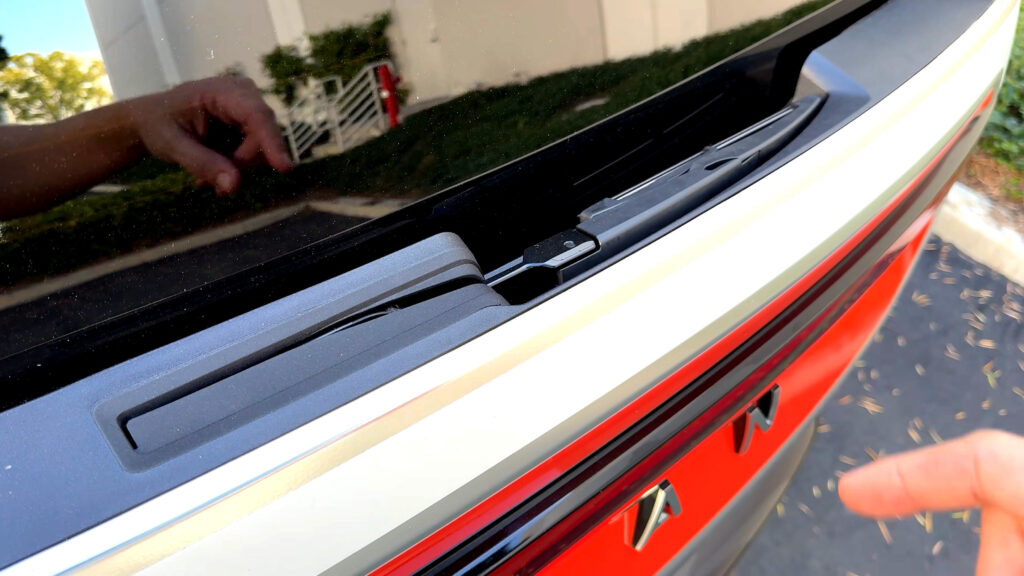
- Sliding rear glass disappears fully into the tailgate area.
- It claims wiper placement improves driving range too.
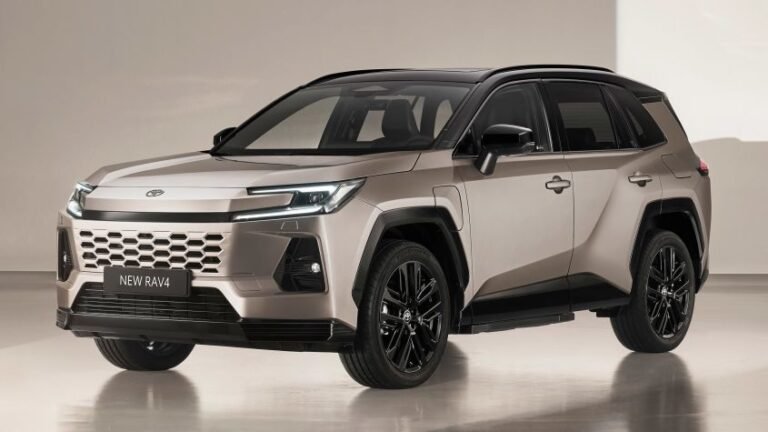
Rivian will begin deliveries of the long-awaited R2 by June this year, finally giving a much larger slice of the public the opportunity to buy one of its EVs. In many ways, it marks a pivotal expansion for the brand into a more accessible segment. Priced to start at around $45,000, it closely resembles the R1S but in a smaller package, and it brings several new features with it.
Read: Rivian’s R2 Still Doesn’t Fix A Critical Flaw That Matters When Seconds Count
One of the highlights is the rear window. Seemingly inspired by vehicles such as the Toyota Land Cruiser, Lexus GX, and BMW 3 Series Touring, Rivian has designed a rear window that opens. However, rather than swinging open like some vehicles, the R2’s rear window rolls down into the tailgate, much like a side window.
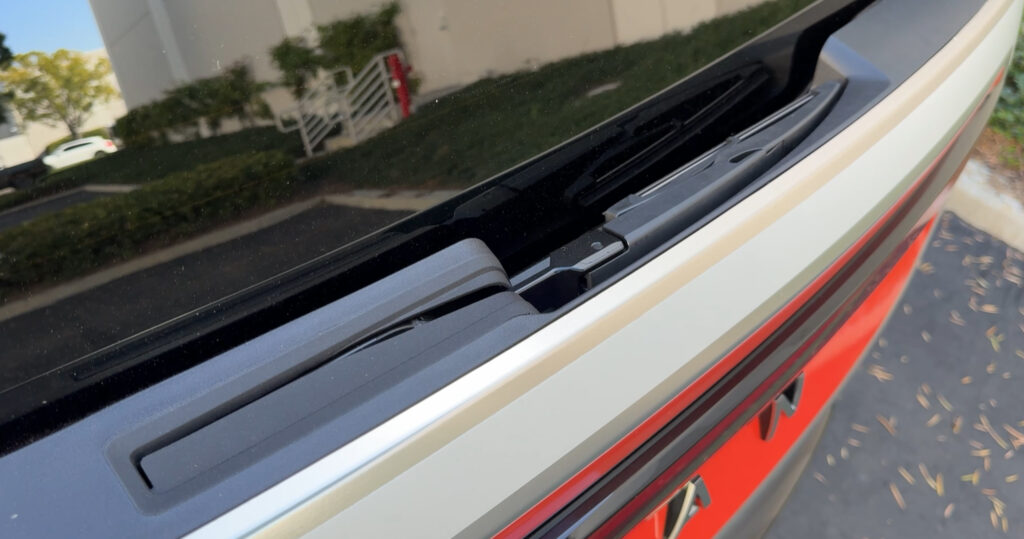
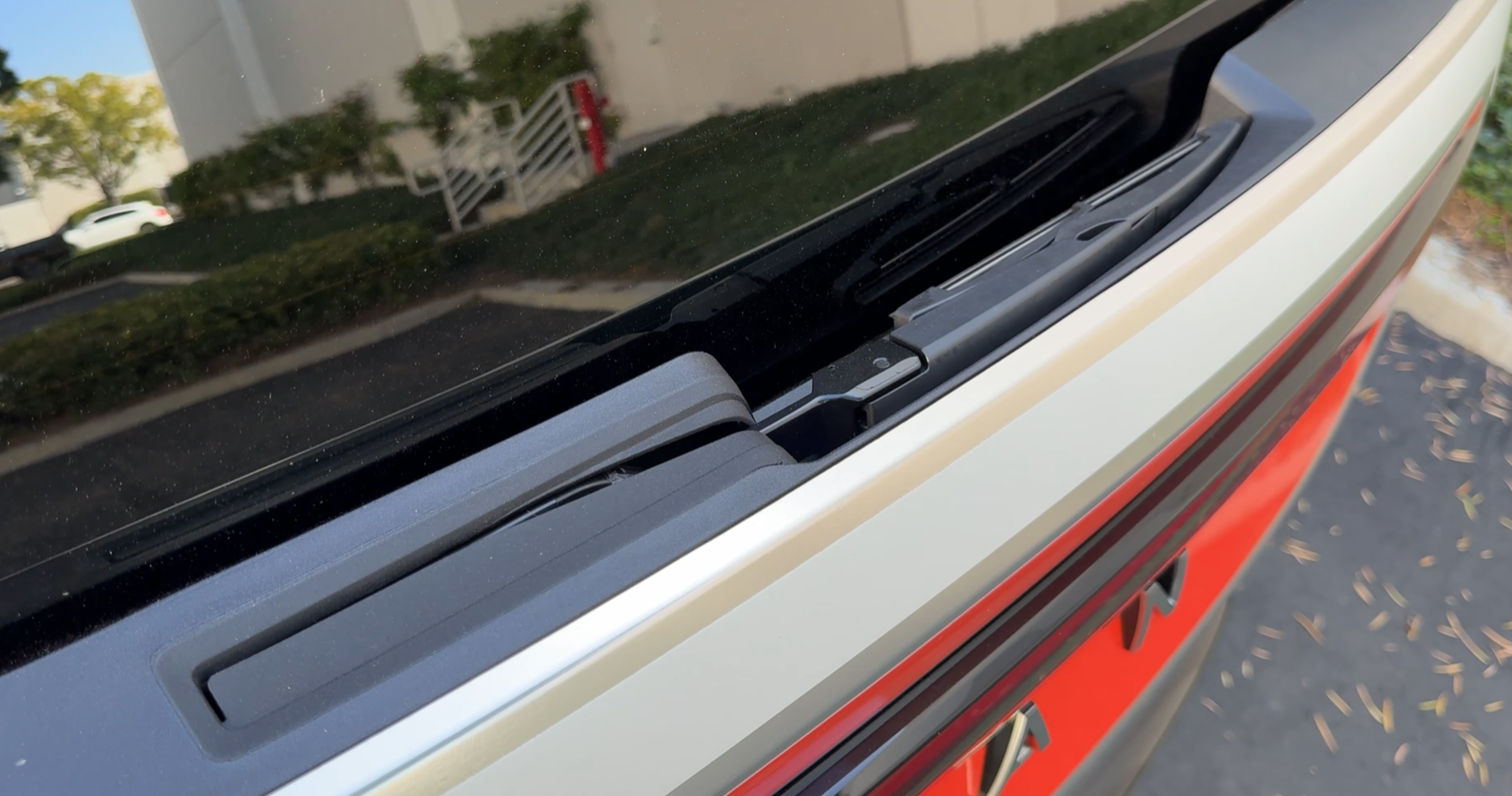
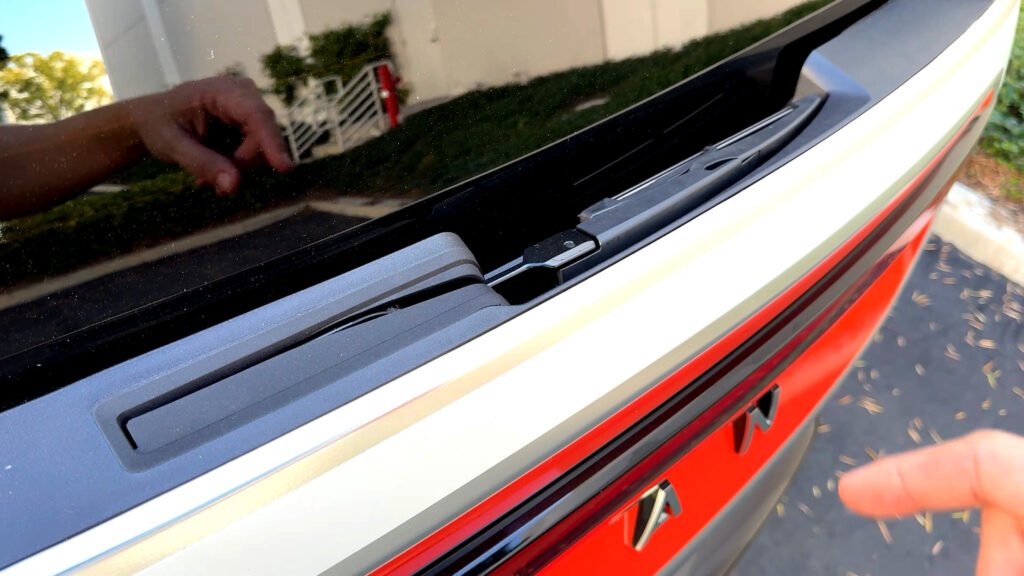
This sliding setup presented a challenge when Rivian needed to develop a rear wiper. Because the glass disappears completely into the tailgate, mounting the wiper directly to it was not an option. The R2’s teardrop-shaped roof and spoiler also ruled out placing the wiper higher up. As a result, the company developed a compact holder for the wiper within the tailgate itself.
Some Reddit users have questioned how this arrangement will function in the depths of winter, when snow and ice could easily build up around the mechanism. Rivian appears to have anticipated those concerns.
According to InsideEVs, the small compartment housing the wiper includes a hidden drain that channels water out from beneath the tailgate, preventing it from pooling. For those in the Northeast already thinking about freezing temperatures, the holder-and-drain assembly also integrates a heating element designed to melt accumulated snow or ice and guide the water away.
Rivian says that by placing the rear wiper in this position, it has been able to boost the R2’s range by a considerable six miles. It no doubt caused headaches for some designers and engineers, but it could prove worthwhile. Here’s hoping it’s adequately tested in winter conditions before customer deliveries begin.