Not Your Usual “Reverse Import”
Toyota has already begun bringing some of its American-built models back to Japan. The Tundra and Highlander are now confirmed for the domestic market, and the Camry is likely next. It’s a slightly odd flow of products, called “reverse importing,” thanks to the trade pressures tied to US President Donald Trump.
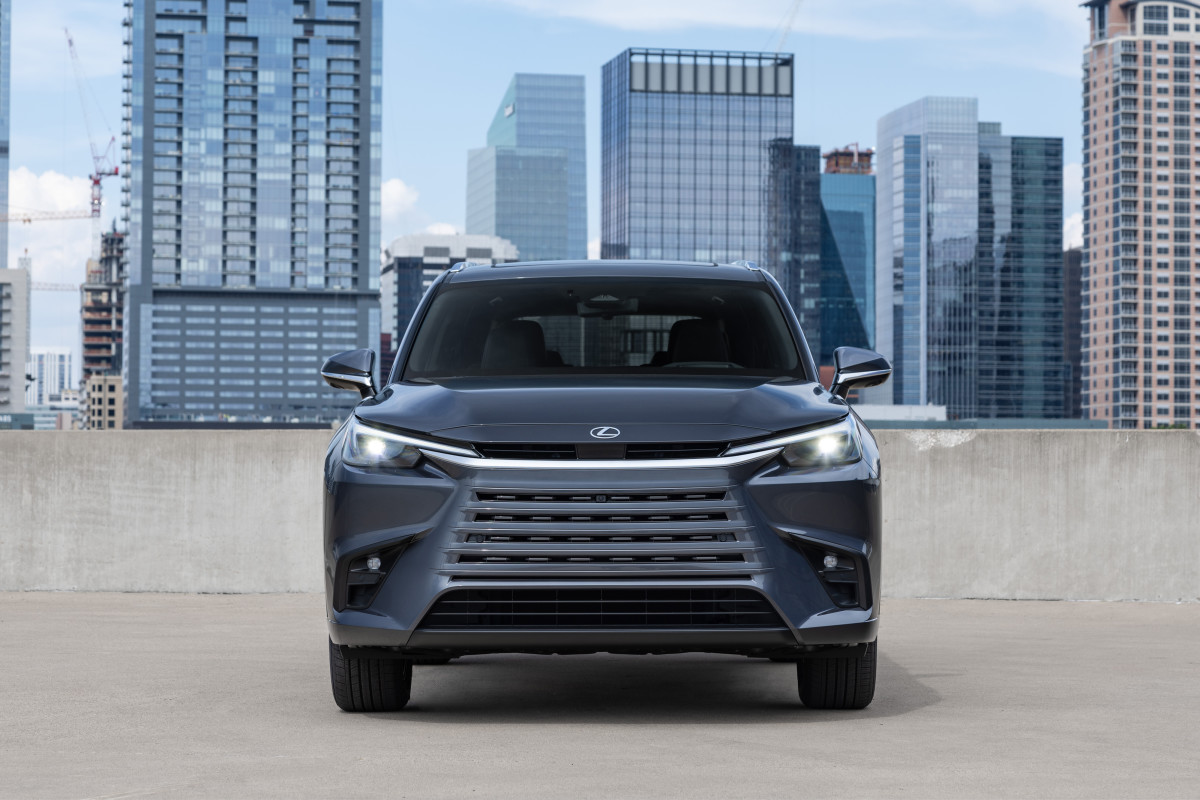
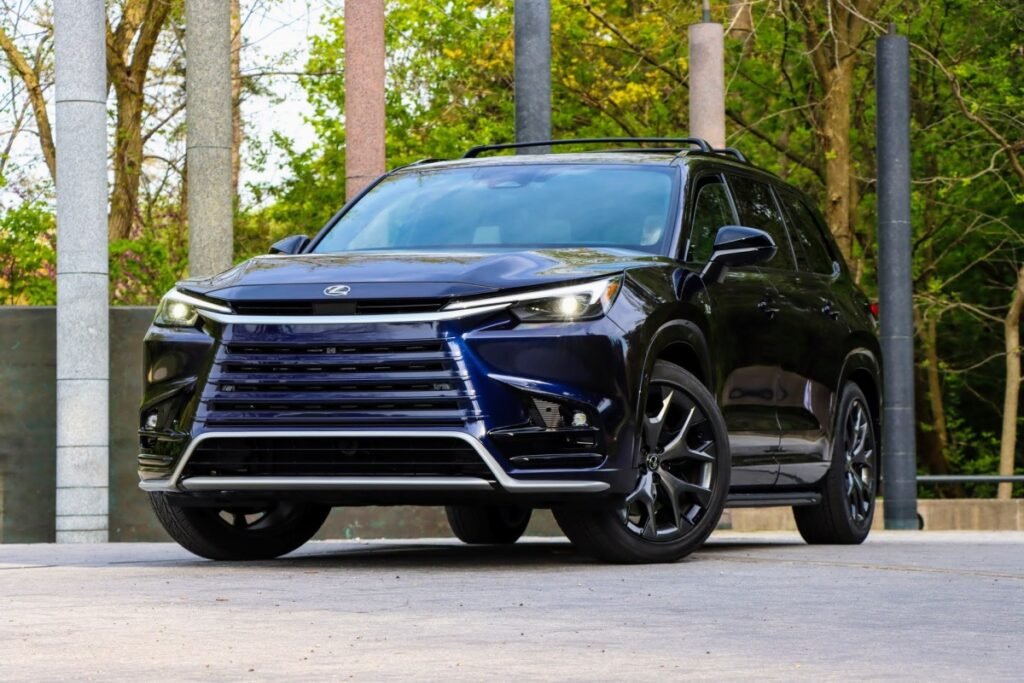
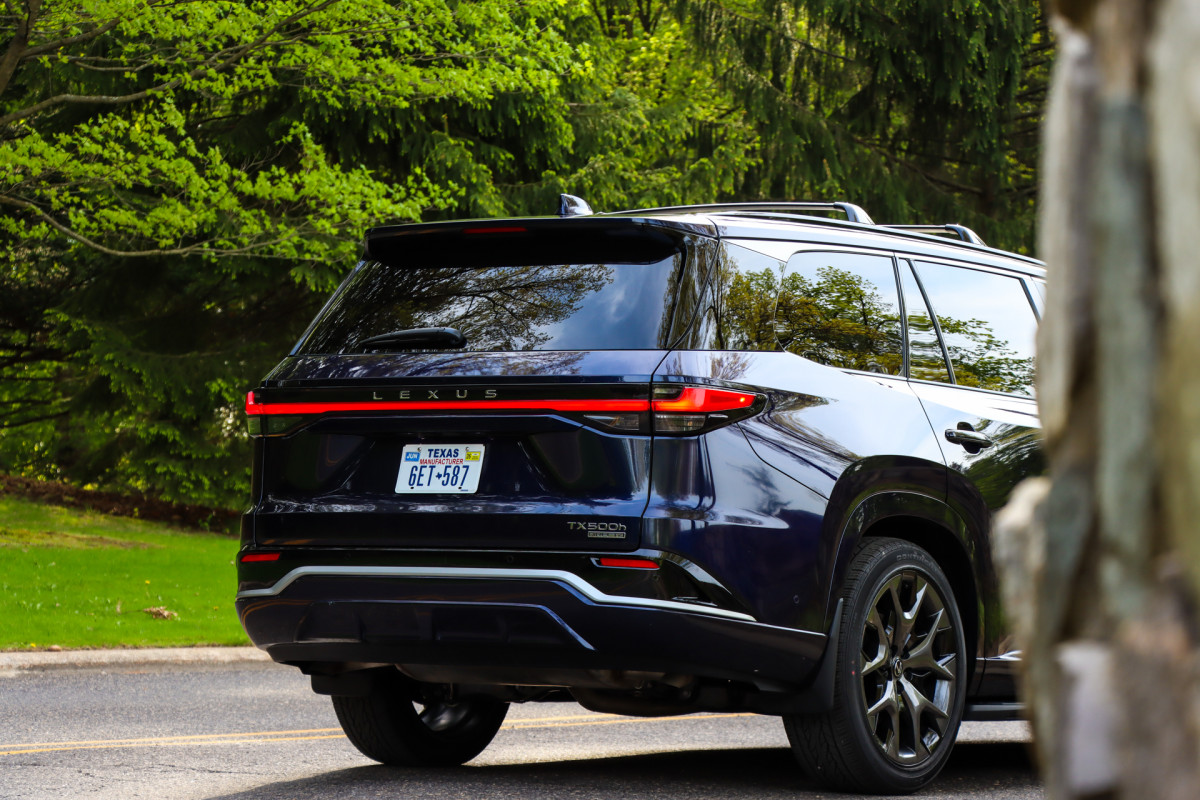
That approach might not be limited to Toyota models. There are signs that the Lexus TX is also headed for Japan, but not as a direct copy of the US version. Instead, Lexus seems to be adapting the TX specifically for Japanese buyers, which sets it apart from how the Highlander and Tundra were handled.
Amos Kwon
A Different Strategy, This Time
The details come from Best Car, so take the news with a pinch of salt. Even so, the direction Lexus is taking with the TX is worth a closer look.
Instead of importing the TX from the US, where it’s currently assembled, Lexus plans to build the Japanese-market version locally. This move means Lexus isn’t just testing the waters in Japan.
Lexus already offers a wide range of vehicles in Japan, from SUVs and sedans to more specialized models like the stunningly luxurious LM minivan, which focuses on rear-seat comfort. The TX would fill the role of a traditional three-row SUV, but with an emphasis on space and refinement rather than off-road ability.
More importantly, the TX remains a large vehicle by Japanese standards, with enough room to make its third row genuinely usable. That alone could give it a unique position in the market.
Likely Specs and Positioning
If these reports are accurate, the Japanese TX will be quite different from its American counterpart. Rather than offering hybrid or plug-in hybrid powertrains, the version for Japan is expected to be fully electric, which fits with Lexus’ ongoing shift toward electrification at home.
Initial specs suggest a dual-motor all-wheel-drive system, a 74 kWh battery, and about 300 horsepower. Since it will be built in Japan, right-hand drive is a given.
Pricing is said to start above 10 million yen, or around $62,600 when converted, which puts the TX squarely in the premium segment. That aligns with its global positioning, but the move to a full-electric setup could make it feel even more like a flagship family SUV than just a big people carrier.
If the TX arrives in 2026 as expected, it will not be just a reverse import. Instead, it looks set to be a reimagined model for Japan, sharing the name but taking a different approach.
Lexus