A Cheaper Leaf that Almost Happened
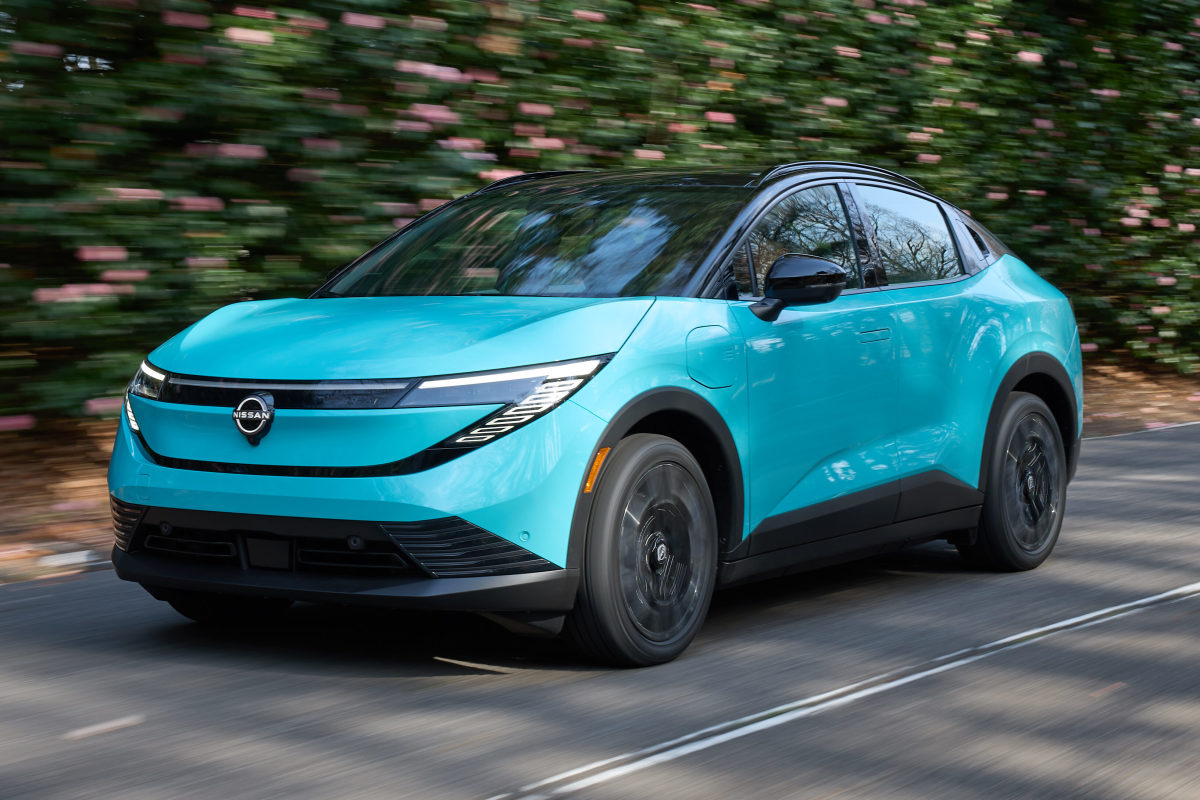
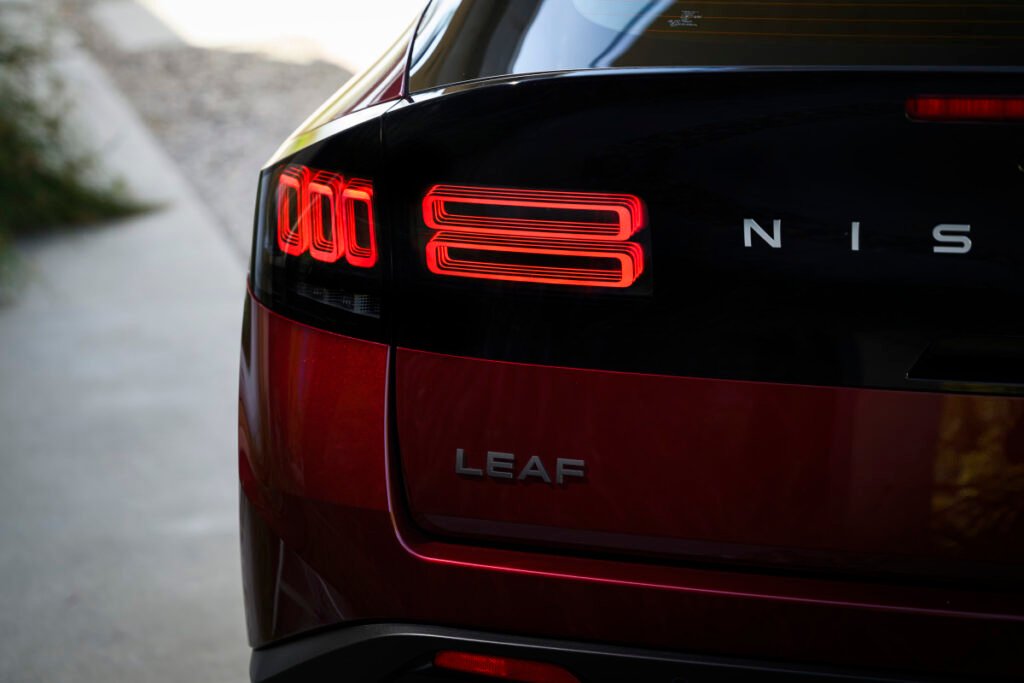
Nissan’s latest Leaf is a clear departure from the model’s no-frills roots. The design is sharper, the tech is up to date, and the price is lower than most expected. Starting just under $30,000, the 2026 Leaf actually costs less than the original 2010 version when you factor in inflation.
That move alone made the new Leaf a step forward for EV accessibility. Nissan even looked set to go further by bringing a cheaper S trim to the US, mirroring what’s already available in other countries. The idea was simple: offer a more affordable Leaf for buyers who don’t need the longest range or extra features.
That plan, though, is now off the table before it ever reached US showrooms.
Cole Attisha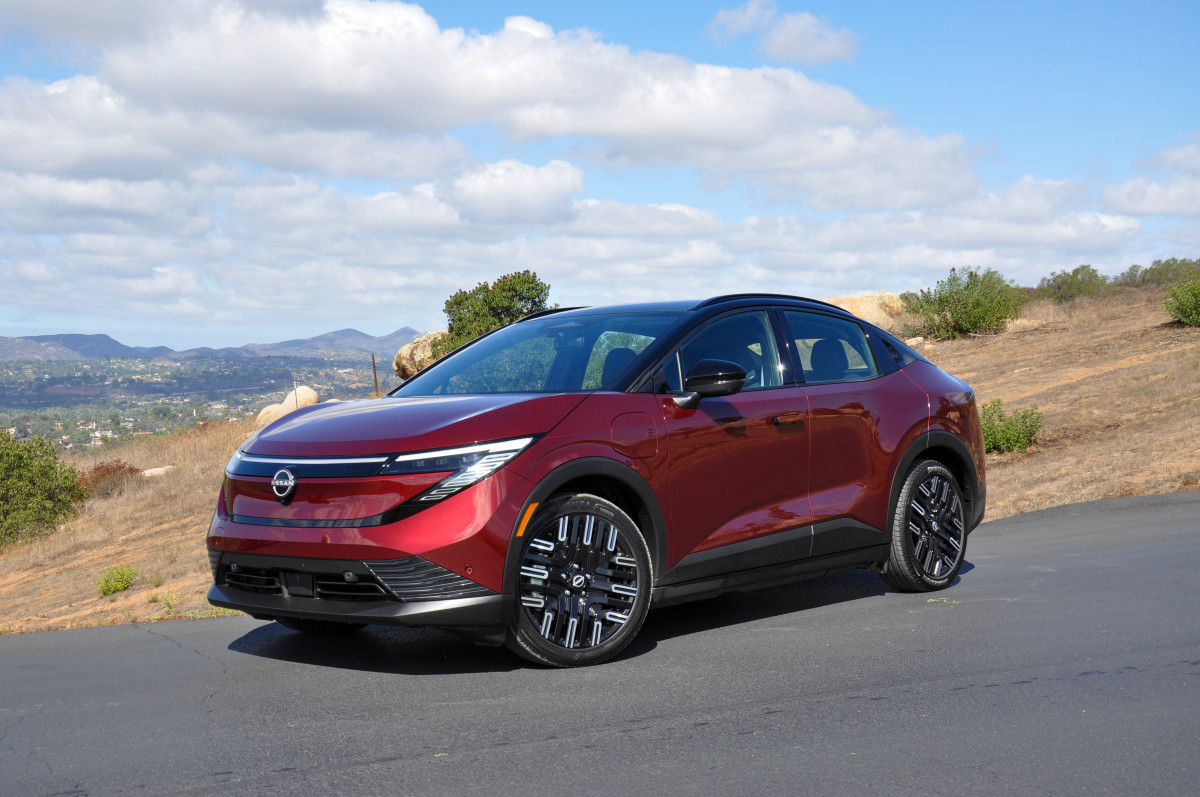
Why Nissan Pulled the Plug
In a statement sent to InsideEVs, Nissan has decided not to bring the smaller-battery Leaf to the US for 2026. The company says it’s shifting focus based on what buyers actually want and where it makes sense to invest.
“Nissan continually evaluates market trends, customer preferences, and the evolving EV landscape to ensure we are focusing our resources where they create the most value. As part of that process, we have decided not to introduce the smaller‑battery variant of the 2026 Nissan LEAF in the US this model year,” said Dominic Vizor, Nissan’s director of product communications for the US.
“We remain committed to delivering the right products at the right time, and we will continue to assess future battery configurations based on customer demand and segment needs,” he added.
The Leaf S, sold in other markets, uses a 52 kWh battery and puts out 174 horsepower and 254 lb-ft of torque. It’s enough for daily driving, but it falls short of the longer 303-mile range of the S+ version that US buyers get.
Nissan never got around to attaching a sticker price to the Leaf S, but it’s expected to be below $26,000. It would have traded at a lower price, making it a true entry-level EV.
Cole Attisha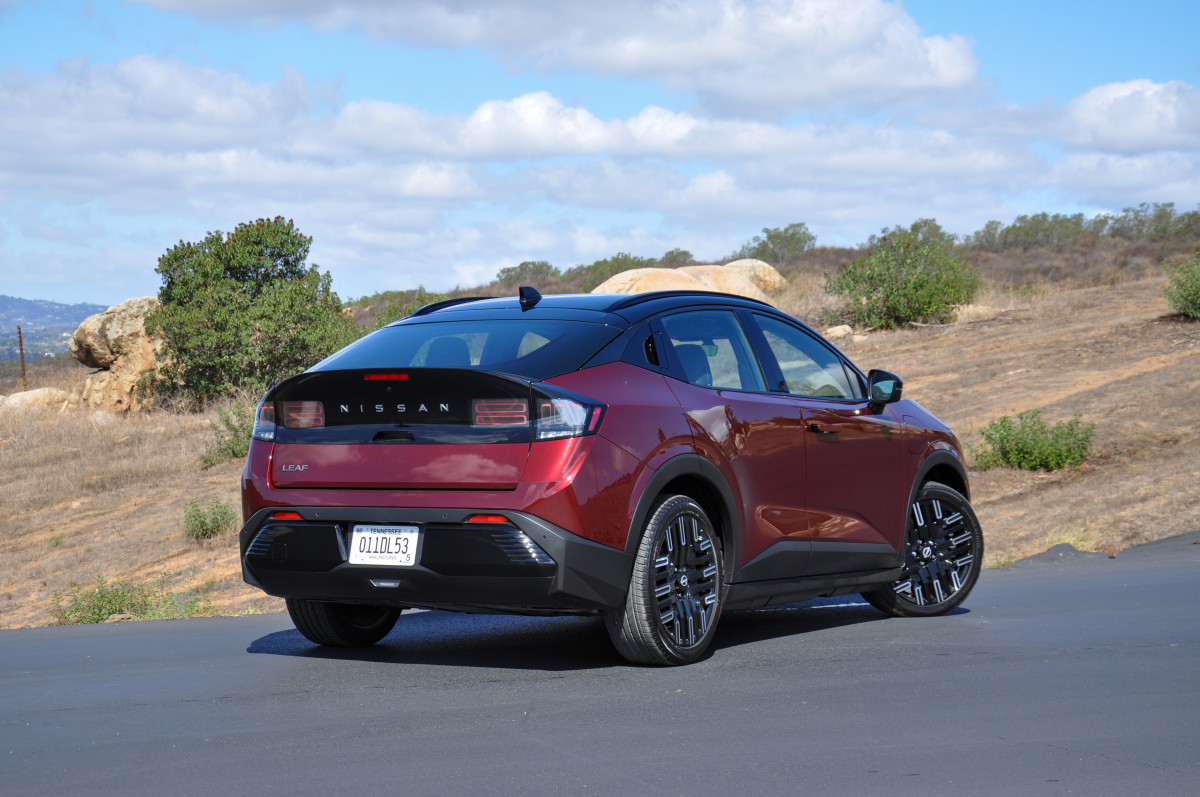
Affordable, but Not the Cheapest
Even without the S trim, the Leaf is still one of the cheapest EVs you can buy. It’s not the absolute lowest-priced option, though – the Chevrolet Bolt EV still holds that spot, at least for now.
Chevy has already said the current Bolt EV won’t be around much longer, which could give other models a shot at the budget EV crown. For now, buyers looking for affordable electric cars can also check out the Hyundai Kona Electric, Mini Cooper SE, and Fiat 500e – each with its own trade-offs in range, space, or availability.
Nissan