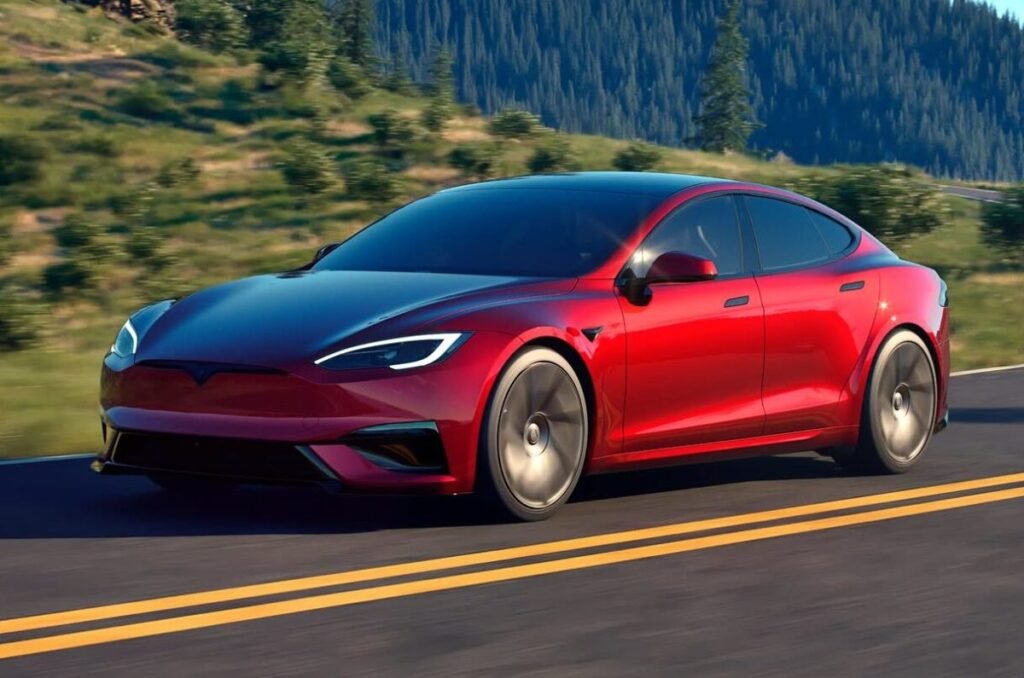
When Safety Tech Becomes a Legal Question
Apart from convenience, Tesla’s so-called Autopilot has always been connected to safety. The advanced driver aid can steer, brake, and step in when needed. Systems like Full Self-Driving (FSD) are officially SAE-certified as Level 2, so the driver is supposed to stay in charge. Sounds simple enough on paper, but it’s a different story on the road.
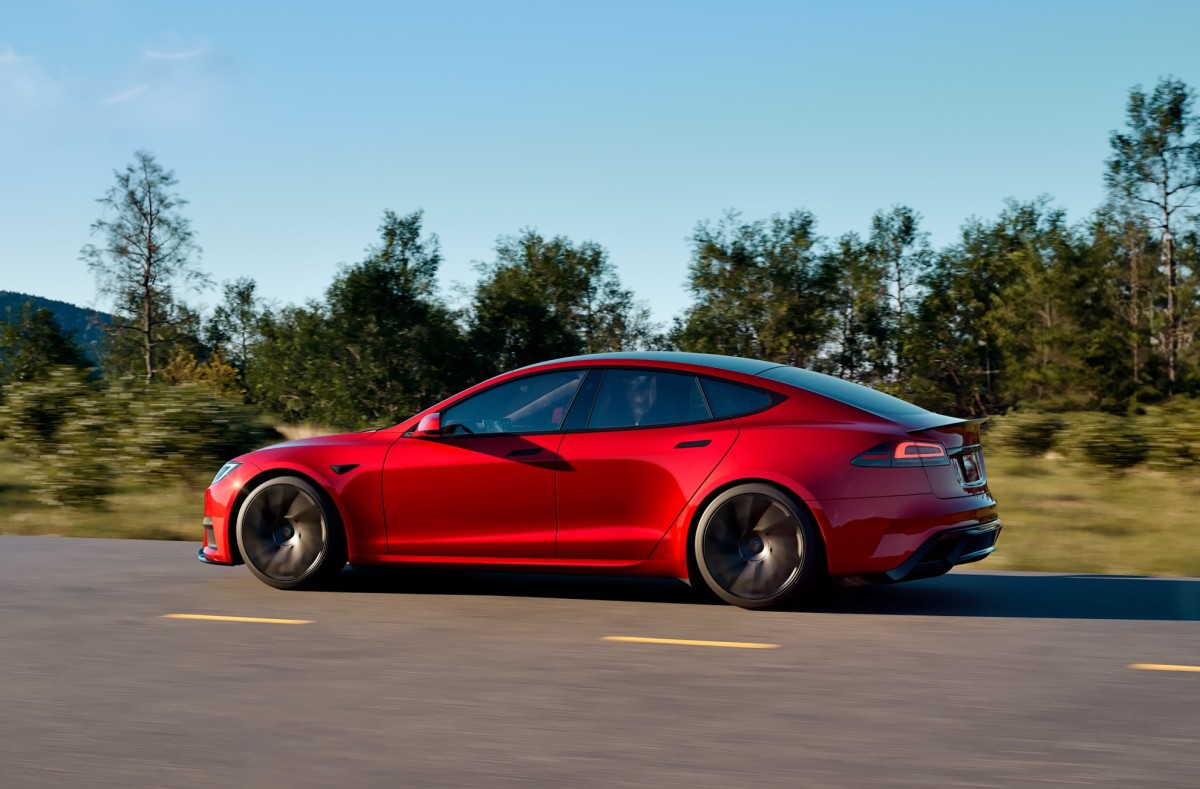
In a 2019 crash in Key Largo, Florida. George McGee was driving a Tesla Model S on Autopilot when he looked down to grab his phone. The car kept going through an intersection at highway speed and slammed into a parked SUV. Unfortunately, Naibel Benavides Leon died in the crash, while her boyfriend, Dillon Angulo, was seriously injured.
Driver’s error notwithstanding, Tesla was questioned about whether its system should have stepped in or if it made it too easy for drivers to check out. Cases were filed in 2021 and 2022, and in the end, a federal jury in August last year placed 33% of the blame on Tesla, handing down a $243 million verdict. Tesla tried to overturn it, but the verdict stood.
Tesla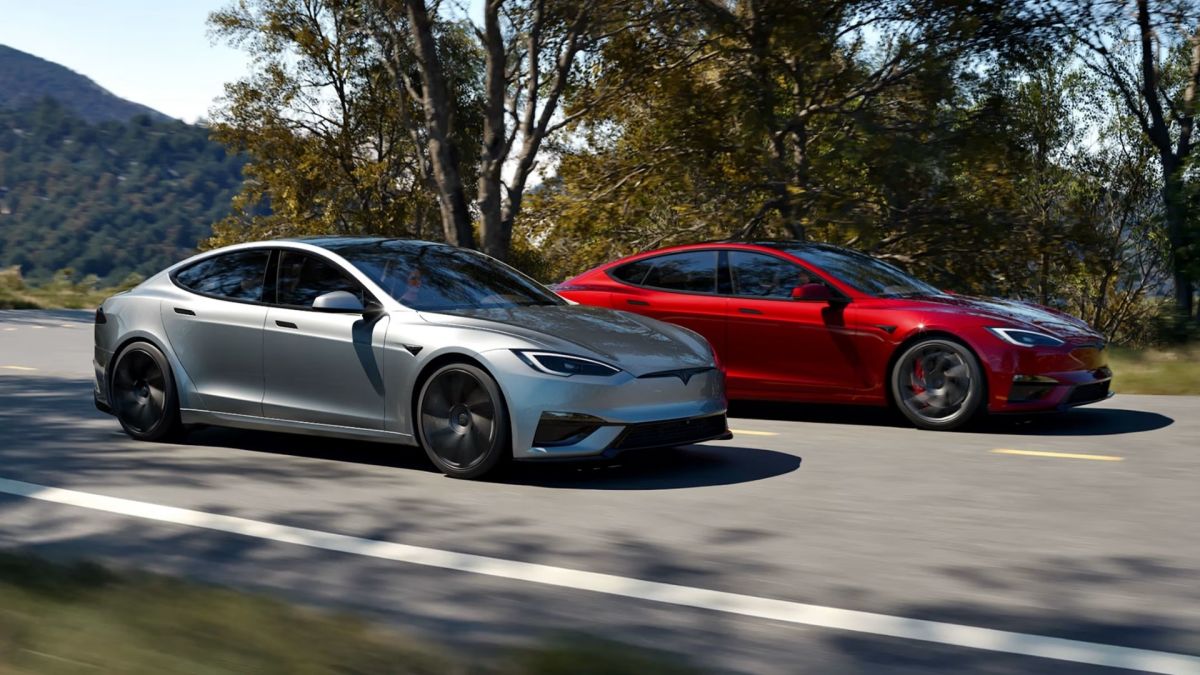
Judge Rejects Tesla’s Bid to Undo the Verdict
US District Judge Beth Bloom shot down Tesla’s push to throw out the jury verdict, saying the evidence at trial more than backed up the outcome. The ruling, released Friday, found Tesla didn’t bring anything new to change the jury’s mind, Reuters reports.
The damages break down like this: $19.5 million for Benavides’ estate, $23.1 million for Angulo, and $200 million in punitive damages split between them. The jury decided Tesla’s design and rollout of Autopilot helped enable driver inattention. McGee, the driver, had already settled with the plaintiffs. Of note, Tesla reportedly turned down a $60 million settlement that was offered before the trial.
Tesla argued it shouldn’t be blamed for what a distracted driver did and said the punitive damages didn’t comply with Florida law. Judge Bloom saw it differently. Tesla hasn’t commented on the new ruling yet, but it is expected to appeal.
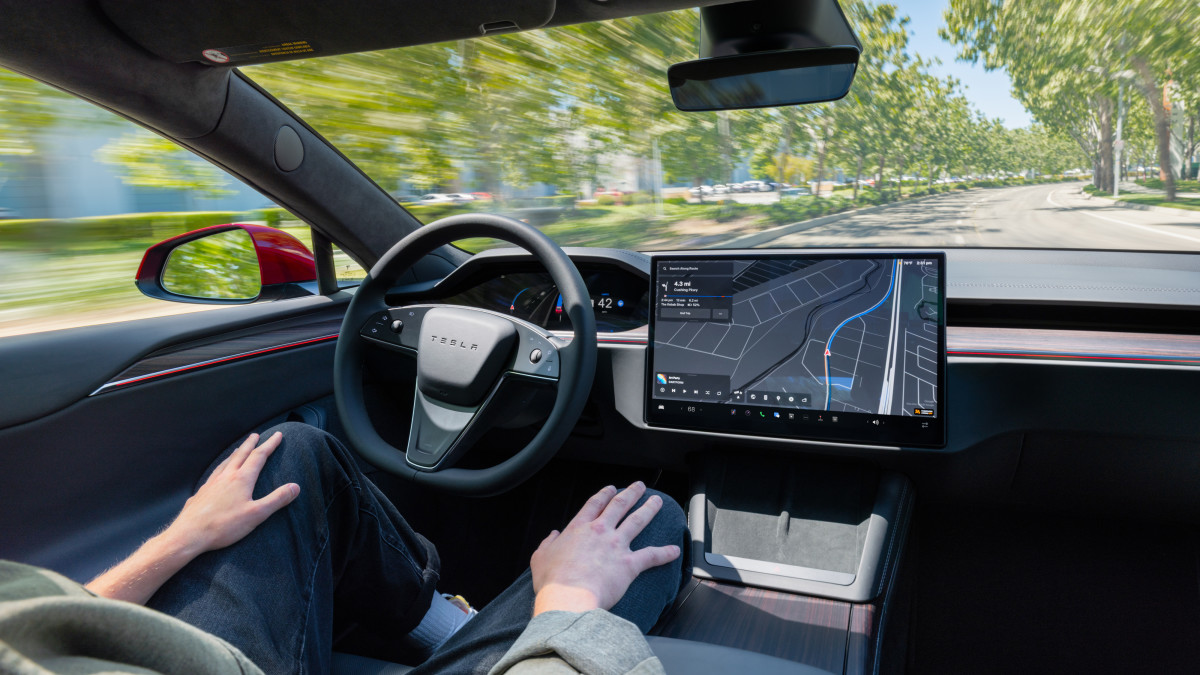
Autopilot, Rebranded and Under Pressure
Tesla’s push for self-driving, led by CEO Elon Musk, has been under the microscope for years. Lawsuits have stacked up, even if most never made it to trial. This one did, and the verdict stuck.
Lately, Tesla has started to change course with its Autopilot feature. To sidestep regulatory headaches in California, the company dropped the “Autopilot” from its marketing, switching to terms like “Traffic Aware Cruise Control” and stressing that Full Self-Driving still needs supervision.
The ruling doesn’t ban Tesla’s tech, but it raises the stakes for how the company markets and explains it. As more cases hit the courts, the line between what drivers are responsible for and what automakers must answer for is getting less abstract – and a lot more costly.
Tesla