Lower inventories played a key role in defining May’s auto sales
The U.S. light vehicle sales rate dropped to 15.65 million units in May, down from 17.25 million in April and 17.83 million in March, according to Wards Intelligence data. This decline—the largest since the COVID-19 pandemic’s onset in April 2020—was partially due to lower auto inventory levels from a March-April sales surge of shoppers trying to beat tariff-related price hikes. May also saw a 10% drop in incentive spending from April, as less inventory reduces dealers’ need to offer discounts, rebates, and other special offers. Wards Intelligence forecasts that this sales dynamic will continue through June and into Q3, with automakers generally hesitant to ramp up production and replace inventory amid the ongoing trade war.
“Given the swirling tariff, consumer, and auto inventory conditions, the expected May 2025 auto sales result will likely be the last period this year to post positive growth in year-ago and month-prior comparisons,” said Chris Hopson, principal analyst of S&P Global Mobility.
Some of May’s top-performing automakers
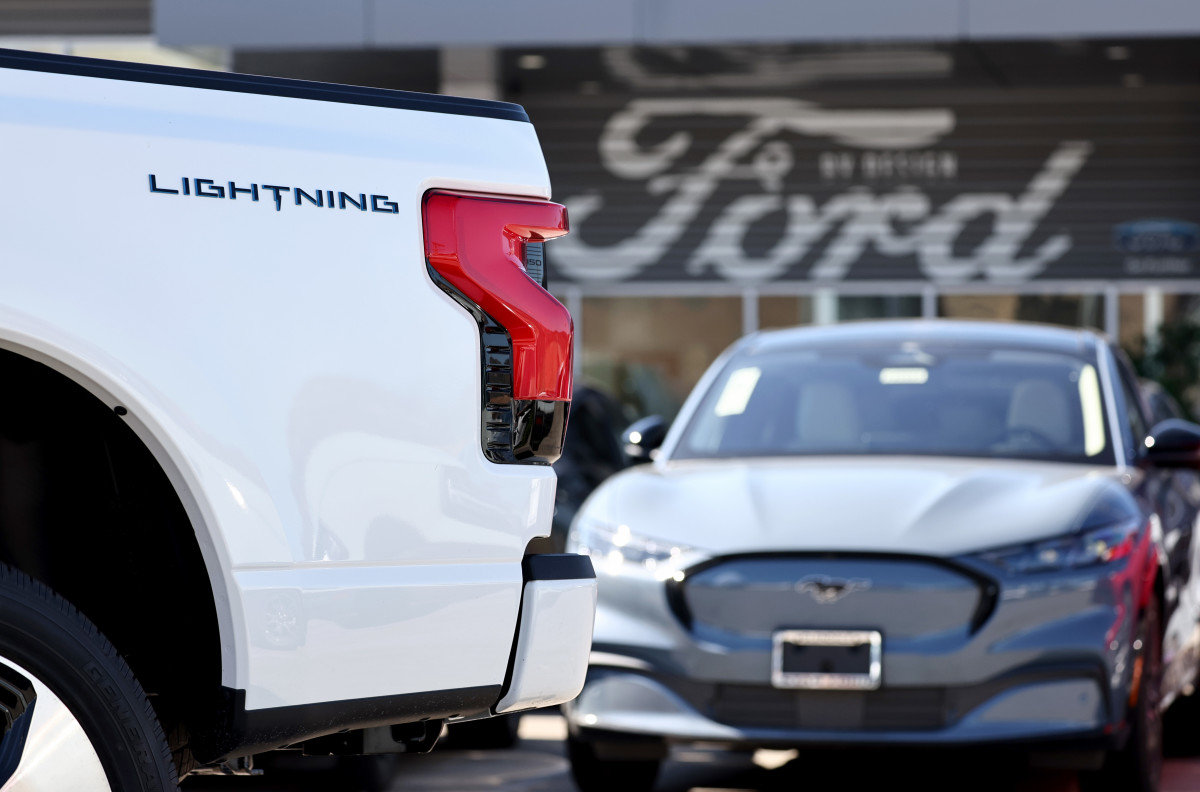
Ford Motor Company reported a 16% U.S. sales increase to 220,959 units in May year-over-year, with positive gains at both Ford and Lincoln. The 2025 Escape was one of Ford’s best-sellers in May, with sales catapulting 24% to 17,395 units. Ford’s 2024 Explorer saw a 23% sales increase to 20,504 vehicles. Bronco Sport sales rose 46% to 14,472 units, and the Maverick saw a 14% gain to 15,508 deliveries.
Hyundai Motor and its affiliate Kia said their combined U.S. vehicle sales rose 6.4% in May from last year but added that their growth was lower in the previous month, according to Korea JoongAng Daily. In addition to selling its 17 millionth vehicle since entering the U.S. market in 1986 and launching Ioniq 9 deliveries, Hyundai’s Venue, Elantra N, Santa Fe, Tucson, IONIQ 6, and Palisade reached May total sales records. In May, Hyundai U.S. sales, not including its luxury Genesis brand, rose 8%, its total hybrid sales increased by 5%, and the automaker’s electric vehicle (EV) and hybrid lineup had its best month ever. Kia’s sales increased 5.1% to 79,007 units from 75,156, thanks to hot-selling models like the Telluride and Sportage SUVs, the Carnival minivan, and the K4 sedan.
Final thoughts
While most automakers have begun reporting sales figures quarterly instead of monthly, Ford Motor Company and Hyundai Motor sales were better than expected, with Ford thriving on its employee pricing program running through July 6. Still, most countries haven’t reached deals with the U.S. on reduced auto tariffs, making price hikes and lower sales all but certain in the coming months. Automakers exporting cars to the U.S. do have some light at the end of the tunnel, as a panel of judges on a federal trade court ruled that many of Trump’s sweeping tariffs, including those on vehicles and car parts, exceeded the President’s legal authority. A second D.C. federal court also deemed the tariffs illegal, but both rulings are on hold because of appeals.