Safety Debate
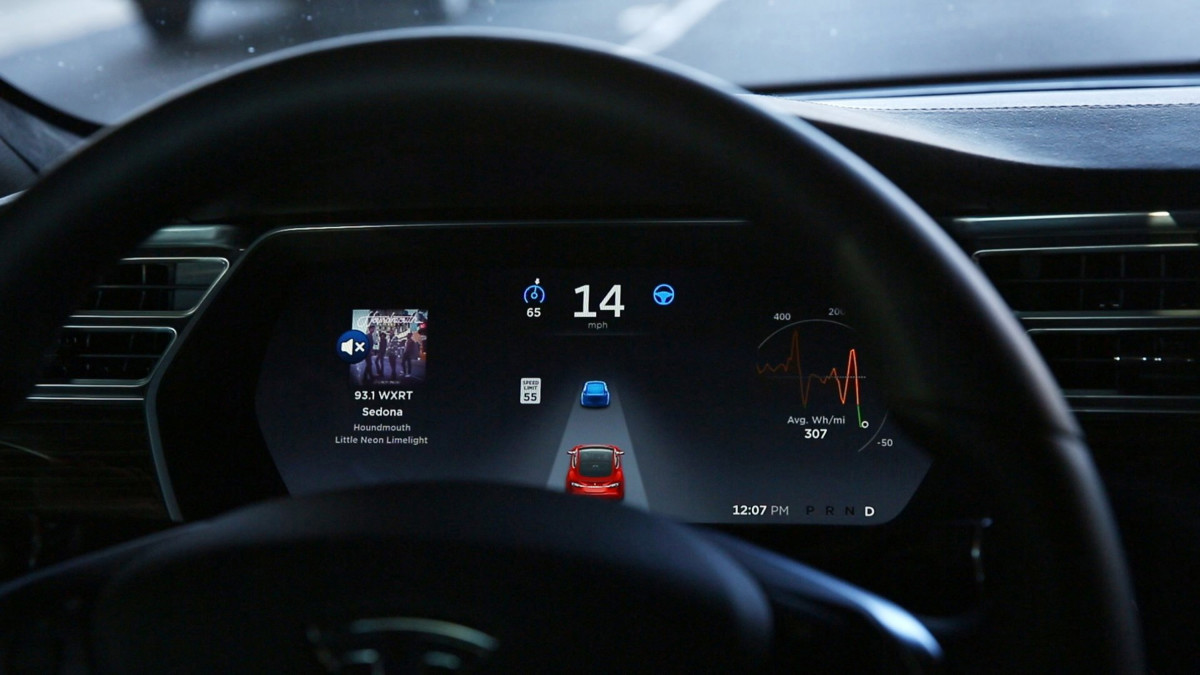
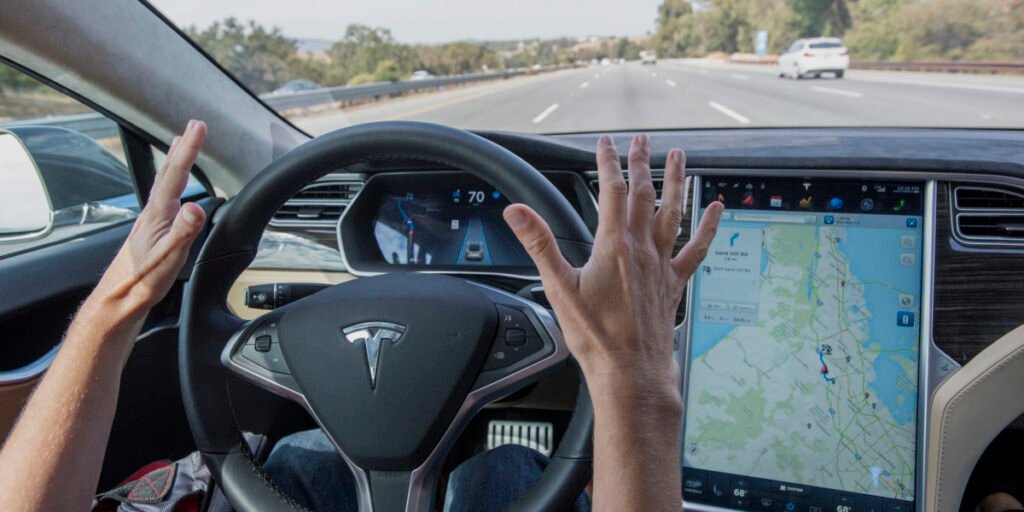
One of the hottest topics in the automotive industry now is autonomous driving, regardless of its level of advancement or form. Auto makers have been touting their own autonomous tech for years now, but Tesla has always been at the forefront of that conversation, claiming its Full Self-Driving (FSD) feature is the most advanced and safest.
Despite these claims, we’ve all seen multiple lawsuits filed against the brand for accidents caused by the driving systems. Multiple people have already spoken in favor of or against the system’s readiness, but a representative from one of the biggest safety bodies has just spoken, and the words might carry some weight.
Tesla Motors
Euro NCAP Not Fully Sold on Tesla FSD
In a report by Drive, while speaking to Australian and New Zealand media reps, Euro NCAP Technical Director Richard Schram said that Tesla’s FSD features would not be favorably viewed under the NCAP’s current testing model. The Euro NCAP agency has even labeled the technology as dangerous and irresponsible.
Schram was also quoted as saying that the majority of the danger comes from the possibility that owners and drivers may become over-reliant on the FSD tech. He added that it might be harder to keep drivers in the loop and still give them the feeling that the car does everything.
However, Schram also said he’s already tried the FSD system in the U.S. and notes that it’s impressive. One of his wishes is that Tesla will take full responsibility for whatever happens with their FSD tech.
He acknowledged that the last statement is close to impossible, but he clarified that for any manufacturer that keeps the drivers responsible for the operation of FSD features, regulators will hold the manufacturers responsible for keeping the drivers in that role. One other point raised by Schram is the name, fully self-driving implies that the car does everything, but the fact remains that these systems are still assistance features according to Schram.
drive.com.au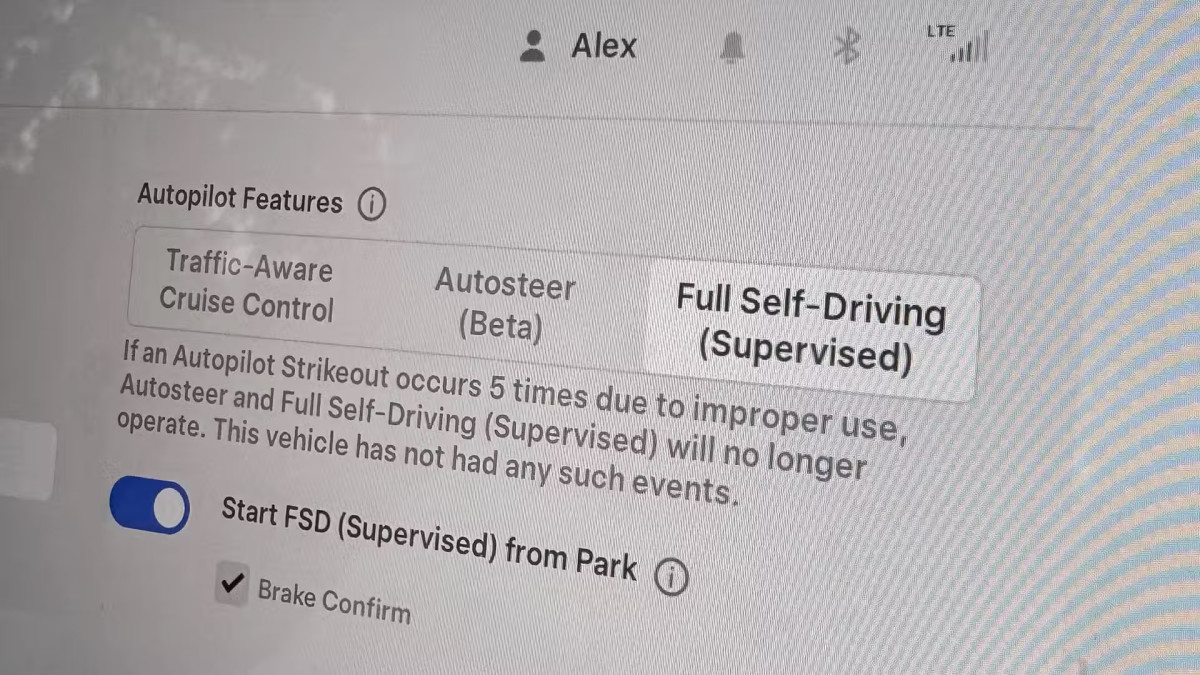
Supervised FSD
Supervised FSD was launched last year in Australia, making it one of the few markets outside of the U.S. with semi-autonomous driving. It essentially allows Tesla products to navigate complex driving scenarios, such as stopping at traffic lights and navigating in a car park. All of this is possible thanks to Tesla’s advanced camera system and quick software capabilities.
Australian Tesla owners do come with a disclaimer that, when FSD is active, the driver’s hands should still be on the steering wheel. Europe poses a greater challenge for FSD integration because each country uses different road signage and rules.