Porsche says production of the Cayenne Electric is now underway, and it is using the launch to expand how much of the battery system it designs and builds itself. The company is positioning the move as a manufacturing milestone and a technical one, because the Cayenne is a high volume nameplate and the battery pack is being treated as a core performance component rather than a sourced commodity.
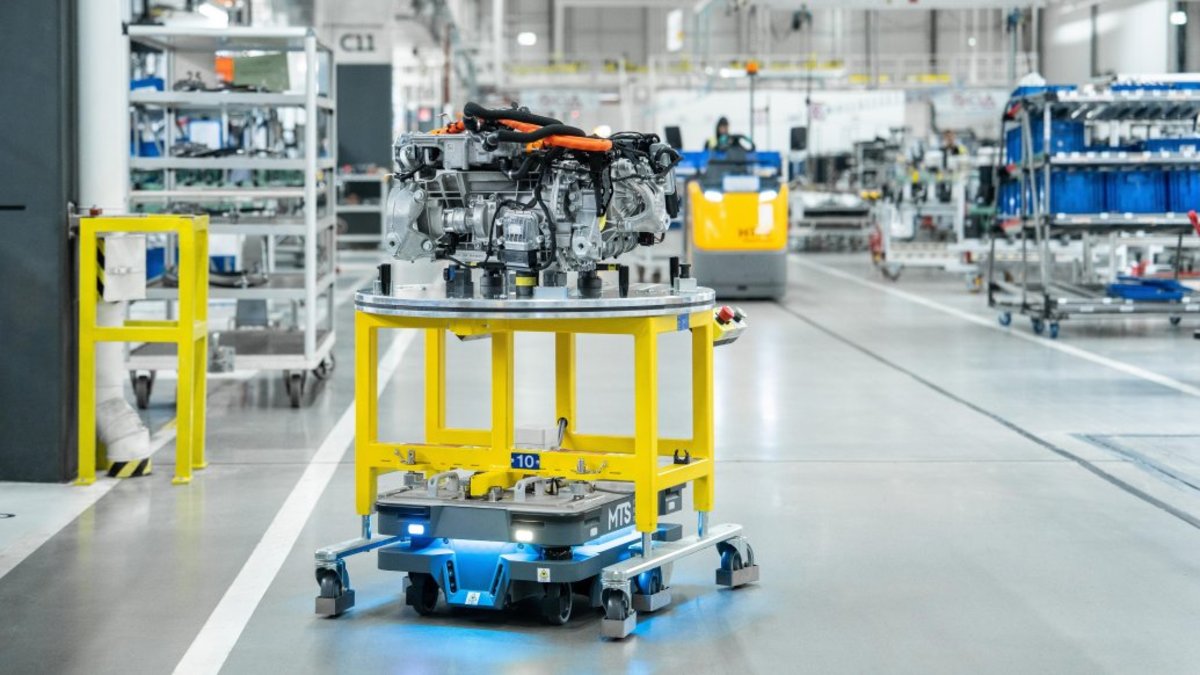
Production Starts In Slovakia
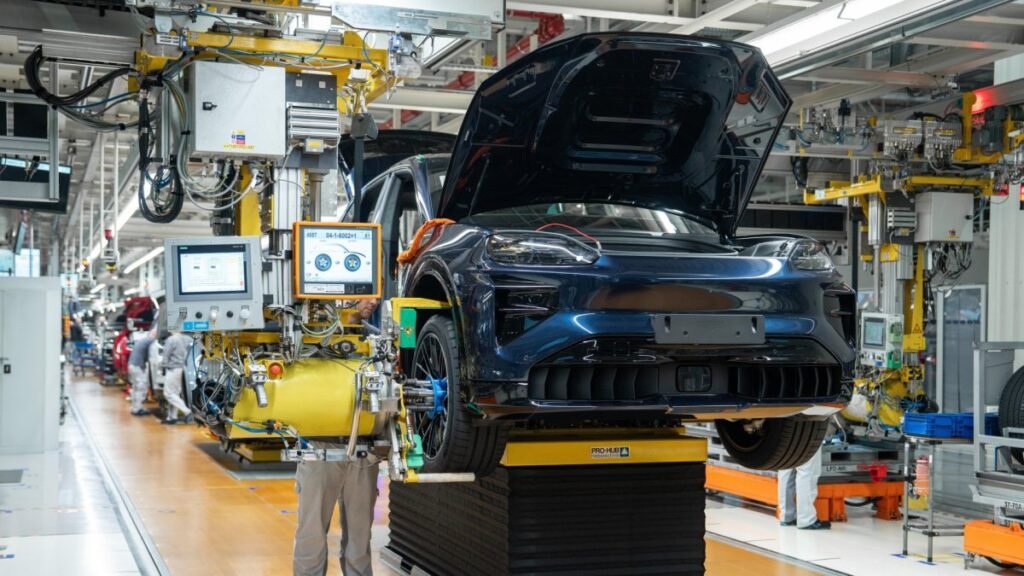
Porsche says the Cayenne Electric is being built in Bratislava on a flexible line that also produces combustion and hybrid Cayenne models, which allows output to shift with demand rather than locking the plant into a single powertrain.
The early spotlight has landed on higher output versions, but the key update is that the vehicle has moved from development to series build, which is where quality, supply stability, and ramp speed start to matter as much as peak performance.
A Battery Built In House
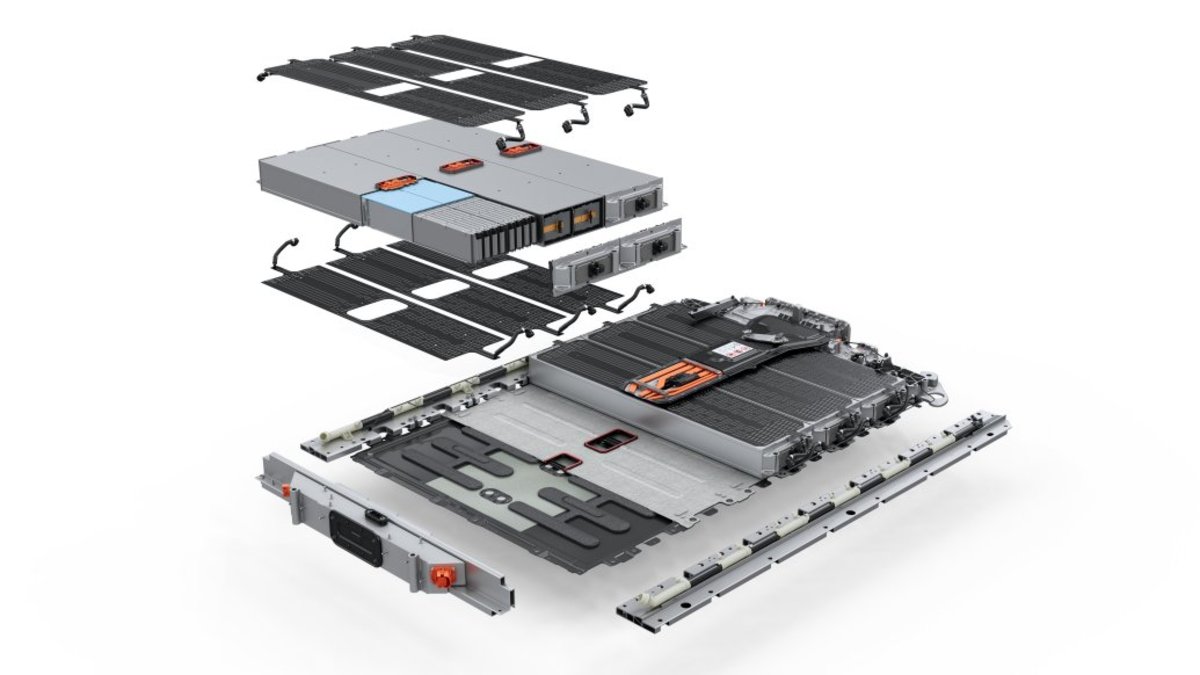
Porsche says the Cayenne Electric uses battery modules developed and manufactured in house, with module production centered at its Smart Battery Shop in Horna Streda. The company lists a gross battery capacity of 113 kWh, and says the pack uses a function integrated design that supports the vehicle structure while helping manage weight and center of gravity.
Porsche describes the pack as using six modules and 192 large pouch cells, and it calls out chemistry choices that include an anode that is mostly graphite with six percent silicon and a cathode based on NMCA with 86 percent nickel, which it ties to energy density and fast charging behavior.
Thermal management is also a headline, because Porsche says the Cayenne Electric uses two cooling plates for the first time, which allows cooling and heating from above and below to hold the battery closer to its ideal temperature window. Porsche also says the battery energy density is about seven percent higher than the Taycan battery, and it links that progress to lessons learned from high stress electric motorsport development.
What It Means For Buyers
For shoppers, the practical takeaway is that Porsche is betting the Cayenne Electric can compete on real world usability while still delivering the brand feel buyers expect, and it is doing that by tightening control over the battery, the software, and the production process.
A 113 kWh pack and an in house module strategy suggest Porsche is aiming for repeatable performance and charging consistency at scale, not just one standout spec. The competitive set will be direct and expensive, where range, charging, packaging, and price will decide winners as much as horsepower.