An American Past Time
The U.S. is a place where sports are a big deal, a country where most of the world’s sports are supported and even played. You could say that even motorsports has a big home in America, and NASCAR is part of the very fabric of the nation, as one of the biggest spectator sports locally and internationally.
Motorsports takes many forms in the U.S. Apart from NASCAR, we have IndyCar, dirt-track racing, and drag racing. However, some people find that racing is a disruption and too noisy, leading to multiple complaints and even lawsuits from time to time.
Visit Kansas City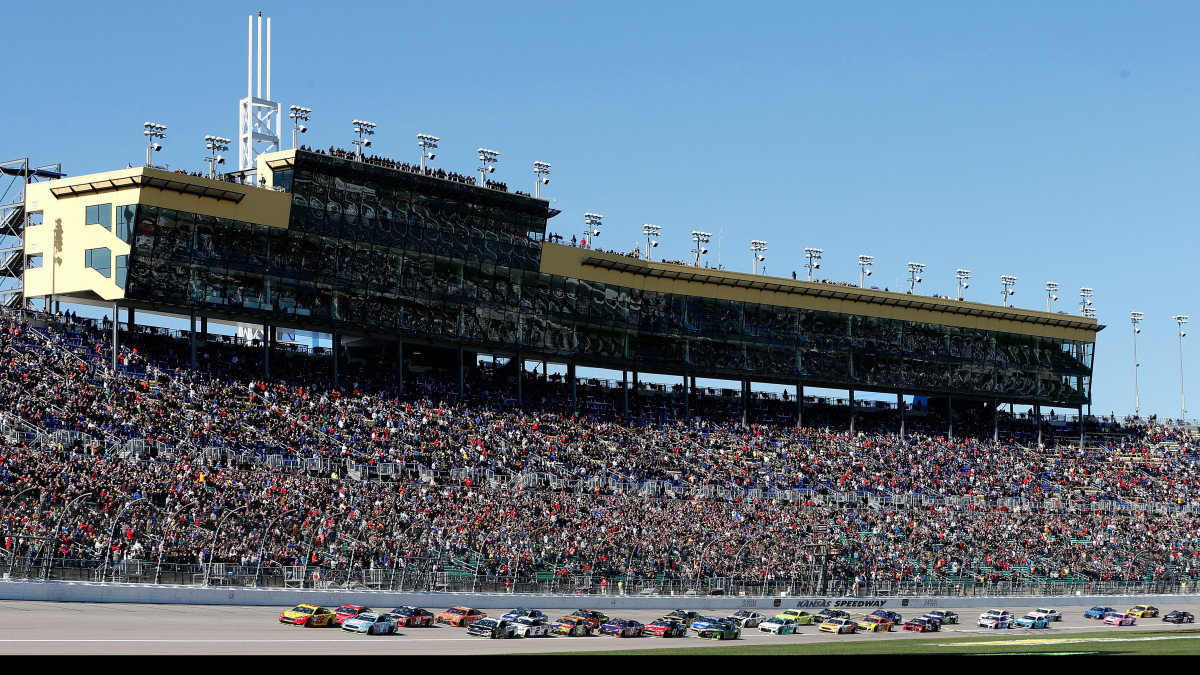
Protecting The Tracks
In the state of Kansas, the House of Representatives just unanimously voted 122-0 on House Bill 2416. What makes this bill monumental for the racing world is that it protects official racing venues from lawsuits and noise complaints. This immunity is only provided, of course, if the venue or track was already in place before other neighboring developments popped up. One of the qualifiers for protection under the new law is that the track must have been in continuous operation without a lapse of more than four years.
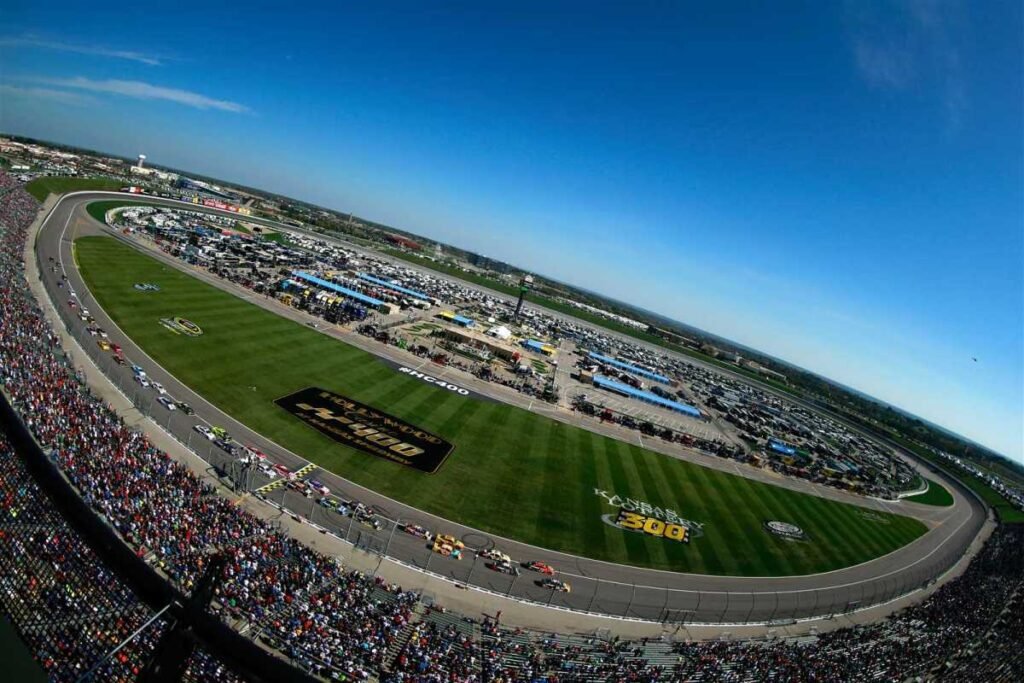
The Kansas Motorsports Venue Protection Act now awaits Governor Laura Kelly’s signature to be fully enacted by the state. There are over 20 listed racetracks in Kansas, all catering to different types of racing, but the crown jewel is the Kansas Motor Speedway, which hosts a yearly stint of the NASCAR series calendar.
Other states that have already done the same as Kansas include North Carolina (the home of NASCAR), Oklahoma, Tennessee, and Iowa. Another key reason the tracks were protected is their economic impact on the local economy. Hosting a major event like a NASCAR Cup race generates significant revenue and creates many employment opportunities.
Honda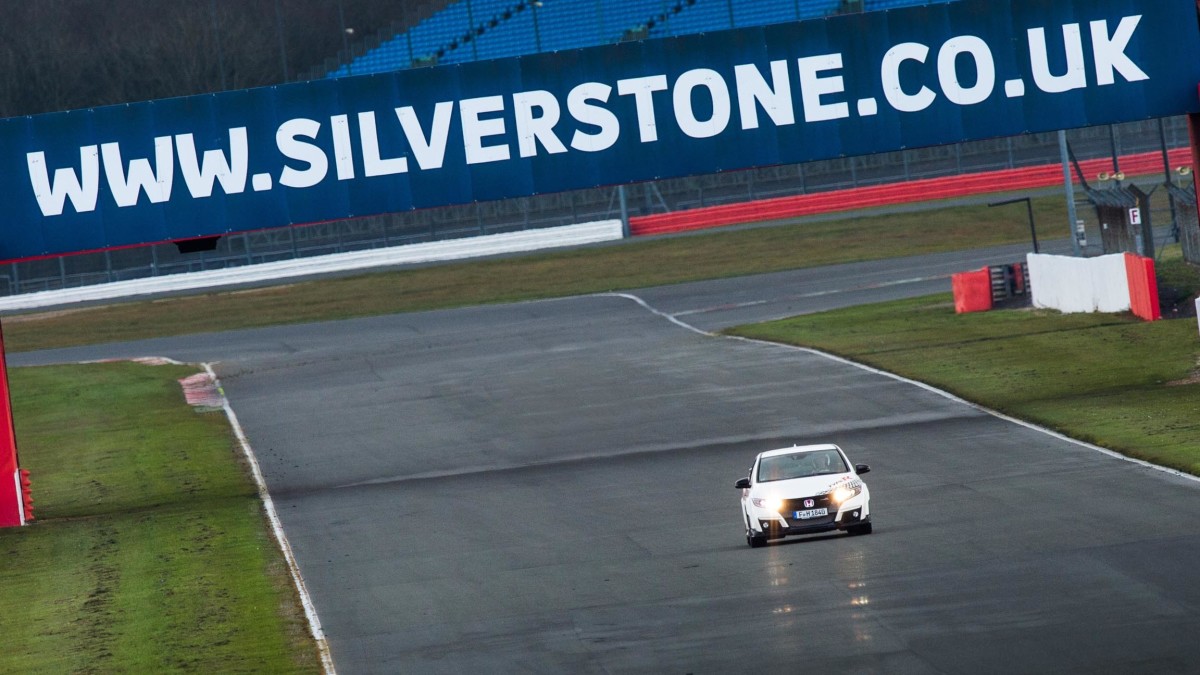
Global Efforts
The rest of the world is not as accommodating as the U.S., usually enforcing more strict noise regulations. In the U.K., a racetrack can only establish a legal right to make noise if it has done so for 20 years without interruption or objection. Current noise level limits in the U.K. are at 105 decibels.
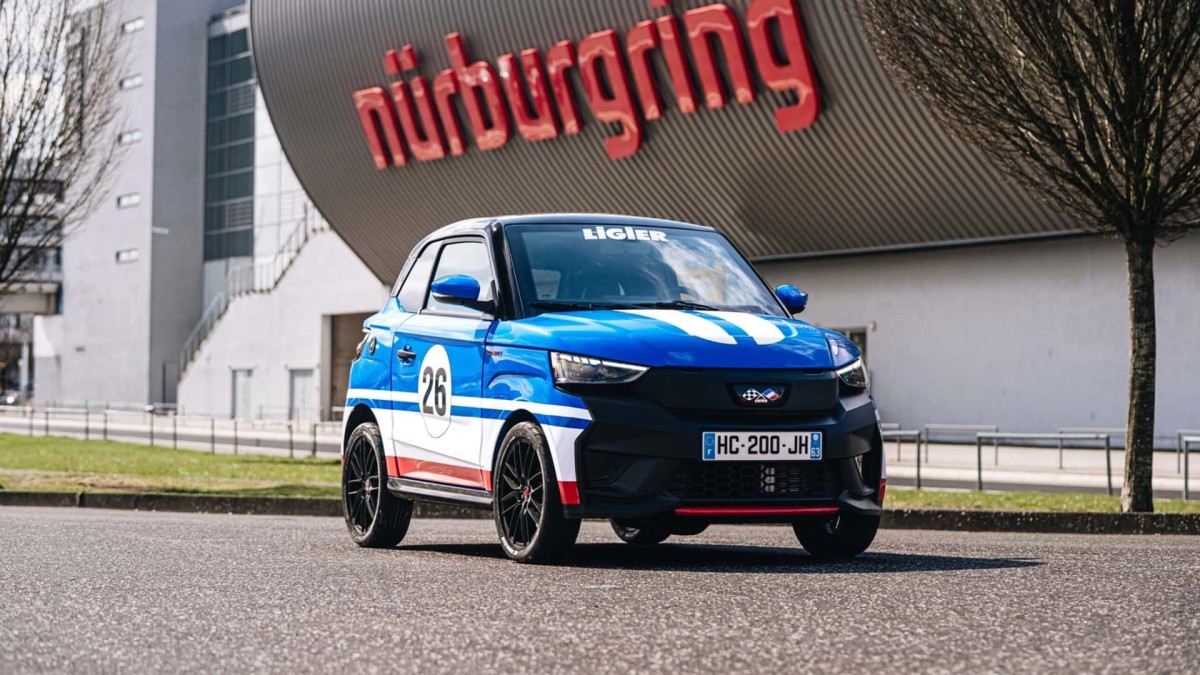
In Western Australia, some tracks are granted a negotiated exemption by the local government rather than blanket immunity. Should the track violate any of the rules, the exemption may be revoked. Even the infamous Nürburgring has a noise mandate during what is considered “tourist drives,” vehicles must not exceed 130 decibels.