Skyactiv-Z: Mazda’s Combustion Reset
Mazda has made it clear that combustion engines are still part of its plans, and Skyactiv-Z is the strongest proof yet. This new 2.5-liter four-cylinder follows Skyactiv-G and the less successful Skyactiv-X, but the focus this time is on getting more real-world efficiency out of every drop of fuel.
For the uninitiated, Mazda’s Skyactiv-Z takes a different approach, using ultra-lean combustion and lambda-one control to get closer to what Mazda calls “ultimate combustion.” In a nutshell, the focus is on thermal efficiency across the rev range. On paper, that means lower fuel use, less CO2, and more consistent performance as emissions rules get stricter.
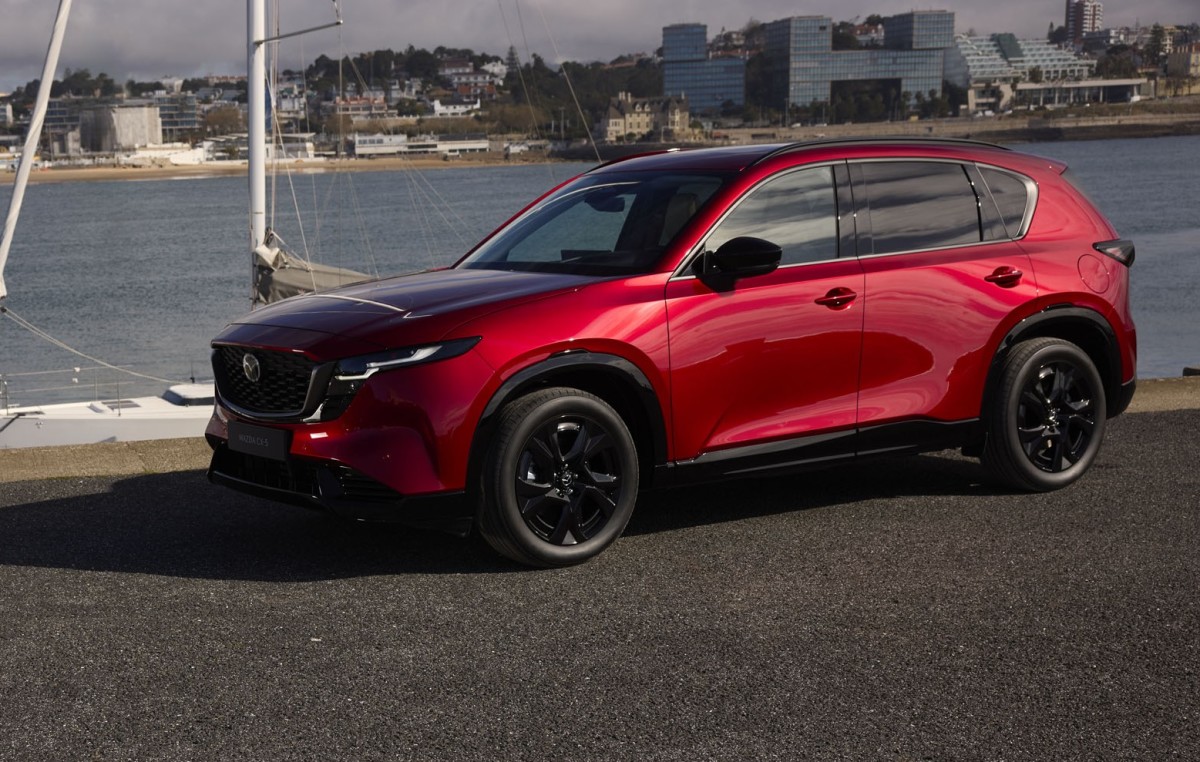
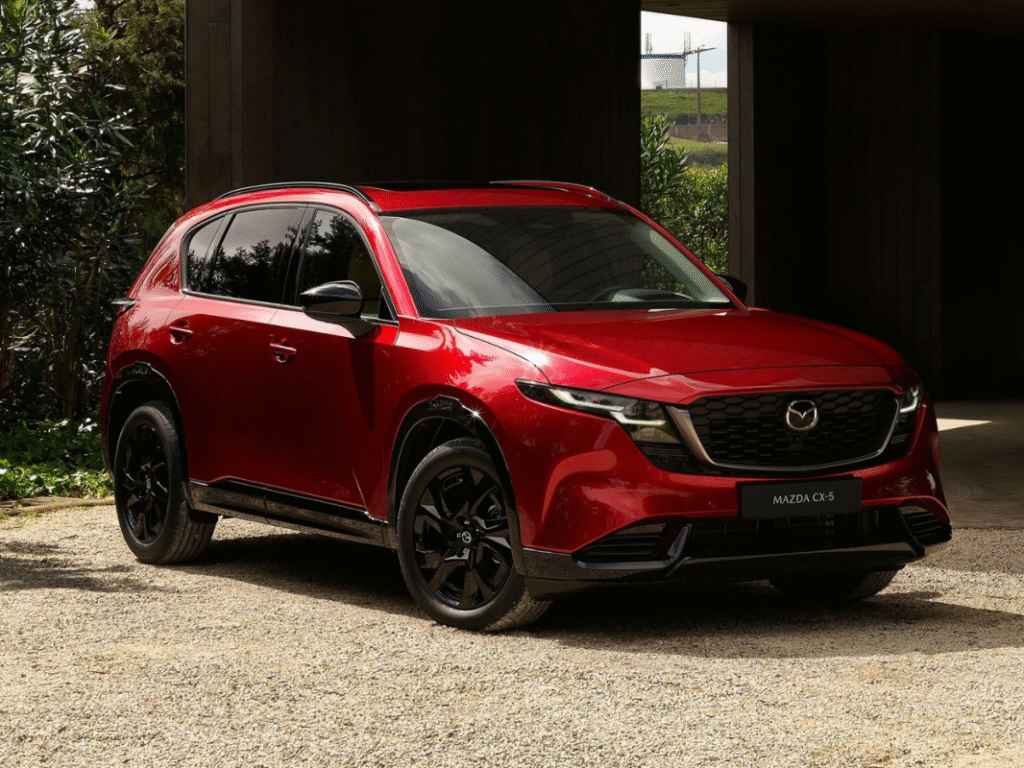
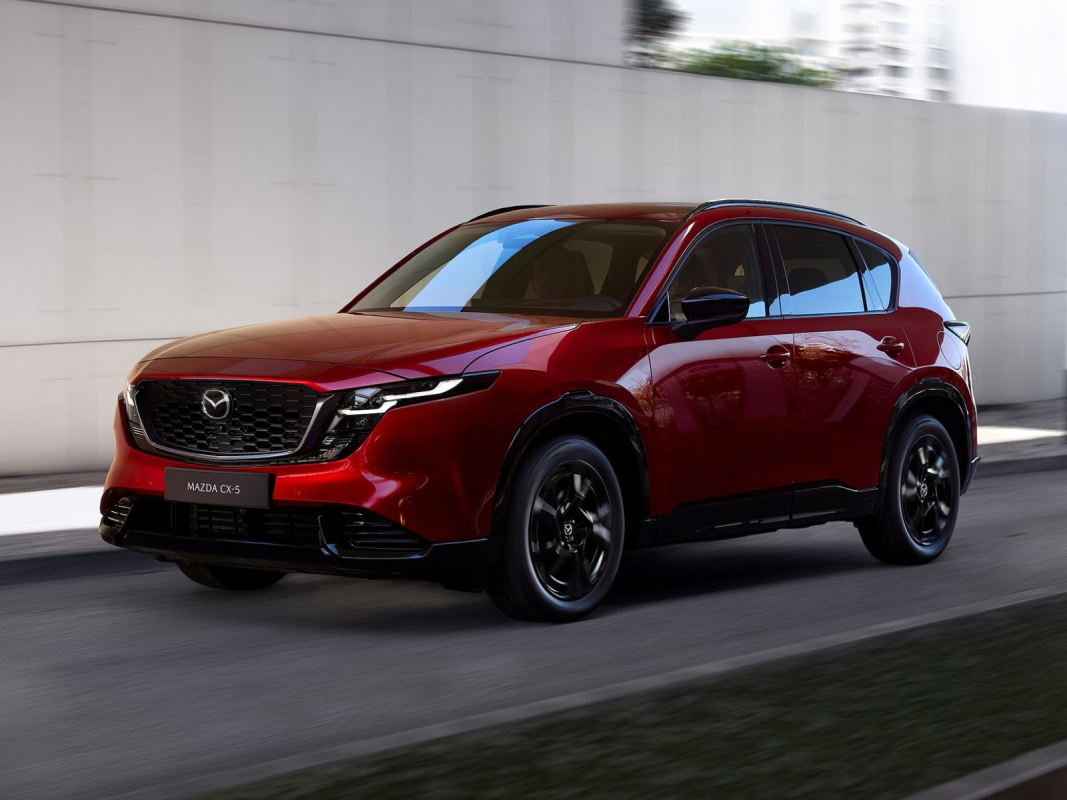
This engine will also be the core of Mazda’s next in-house hybrid system, which uses a parallel setup instead of the Toyota-based systems found in bigger Mazdas. A recent report from Japan says Mazda’s best-selling nameplate, the next CX-5, will be the first to get this pairing, starting with a mild hybrid before a full hybrid version follows.
What the Report Says So Far
The timeline update comes from Japanese outlet Best Car, which has a track record for insider info, though as always, it should be taken with a dash of salt. According to its report, the new CX-5 launches this year with a 2.5-liter mild-hybrid engine, followed by Mazda’s full-hybrid system in 2027, once development is finalized.
Mazda hasn’t shared full specs yet, but it has confirmed Skyactiv-Z will meet Euro 7 and U.S. LEV4/Tier 4 emissions standards. That points to a global focus. Power numbers are still under wraps, but Mazda says the priority is usable performance – meaning efficiency, not just headline figures.
Even without full specs, Skyactiv-Z is shaping up to be Mazda’s most ambitious combustion project in a long time. With the Skyactiv-X flopping, we are a bit cautious about expectations, though we must admit Mazda’s new approach feels more realistic.
Powering the next MX-5 and Inline-Six Plans
The CX-5 isn’t the only model in line for Skyactiv-Z. Mazda has already said the next MX-5 will use this tech too, which should reassure fans worried about the roadster going fully electric.
Mazda also plans to bring these combustion ideas to its inline-six engines for bigger models. That means fewer engine families to manage, and better emissions numbers across the board.
Mazda