Trimming Down the Range
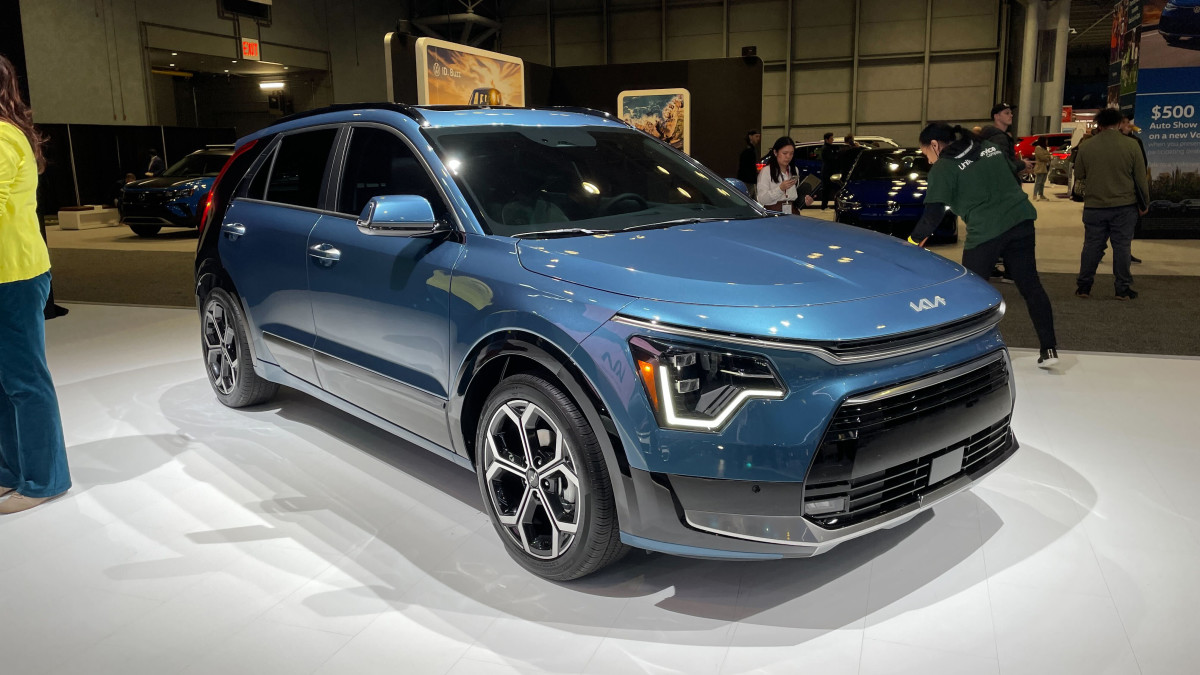
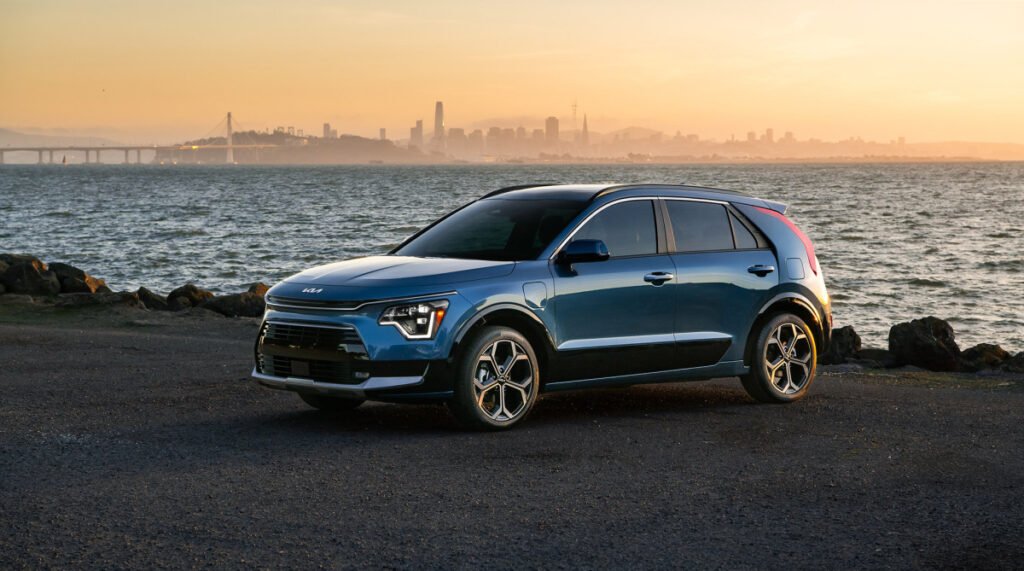
Until now, picking a Kia Niro in America was simple. You had three choices: the regular hybrid, the plug-in hybrid, or the full EV. Same body, three powertrains, and an easy path for anyone looking to dip their toes into electrification.
That’s about to change, though. Kia just confirmed the Niro PHEV won’t be back in the US for 2026. The official word, sent to Kelley Blue Book, points to “changing market conditions” as the reason.
Kia hasn’t spelled out the details, but the timing isn’t random. The Niro PHEV comes from South Korea, and new tariffs have made things tougher for Korean imports. That alone doesn’t kill a model, but it does push prices up in a segment where every dollar counts.
Sales Figures Are a Huge Clue
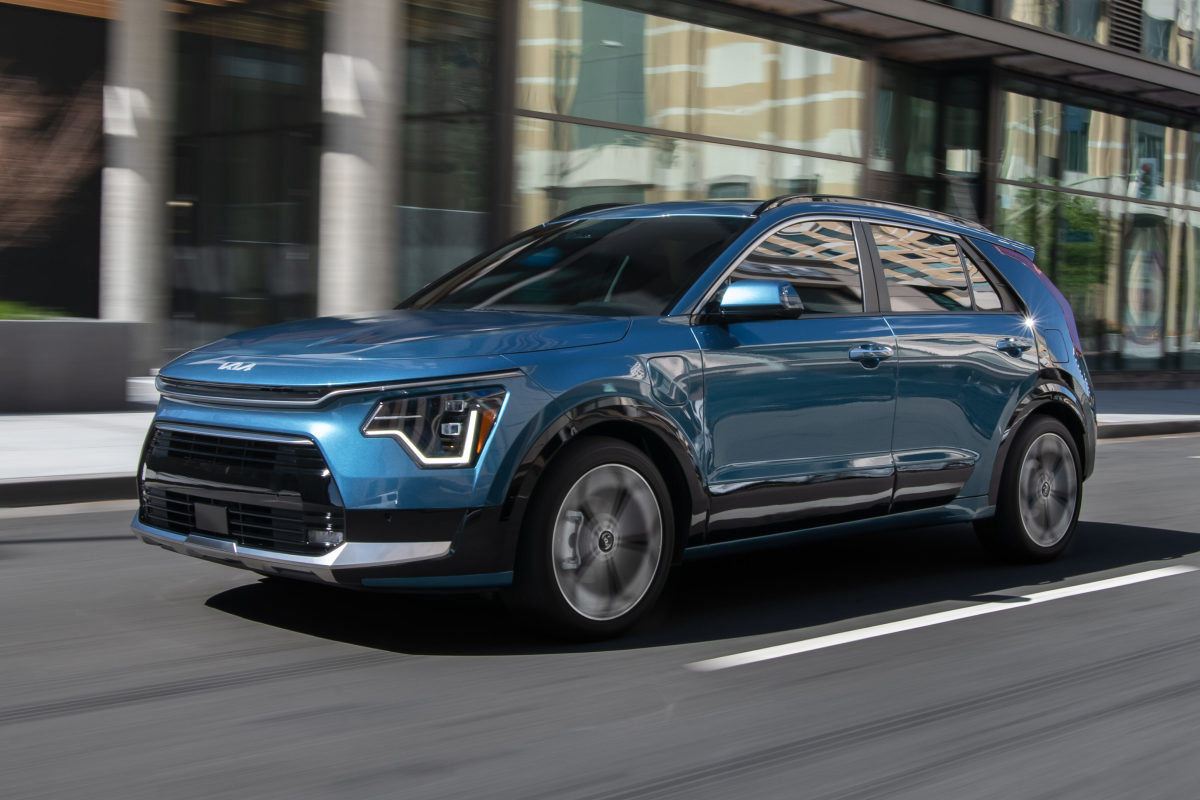
Sales numbers from last year help explain the decision. Kia merely sold 31,182 Niros in the US, making it one of the brand’s slower sellers, just below the EV6 and EV9.
There’s no public breakdown showing how many of those sales were plug-in hybrids, so it’s hard to say exactly how the PHEV performed. But with demand for PHEVs cooling off in general, it’s likely the Niro PHEV wasn’t a strong seller.
In comparison, the Niro’s more popular platform twin, the Hyundai Kona, sold 74,814 units last year – more than twice as many. Even with differences between the brands, that’s a big gap. When automakers cut models, the slowest sellers are usually the first to leave.
What’s Left in the Lineup
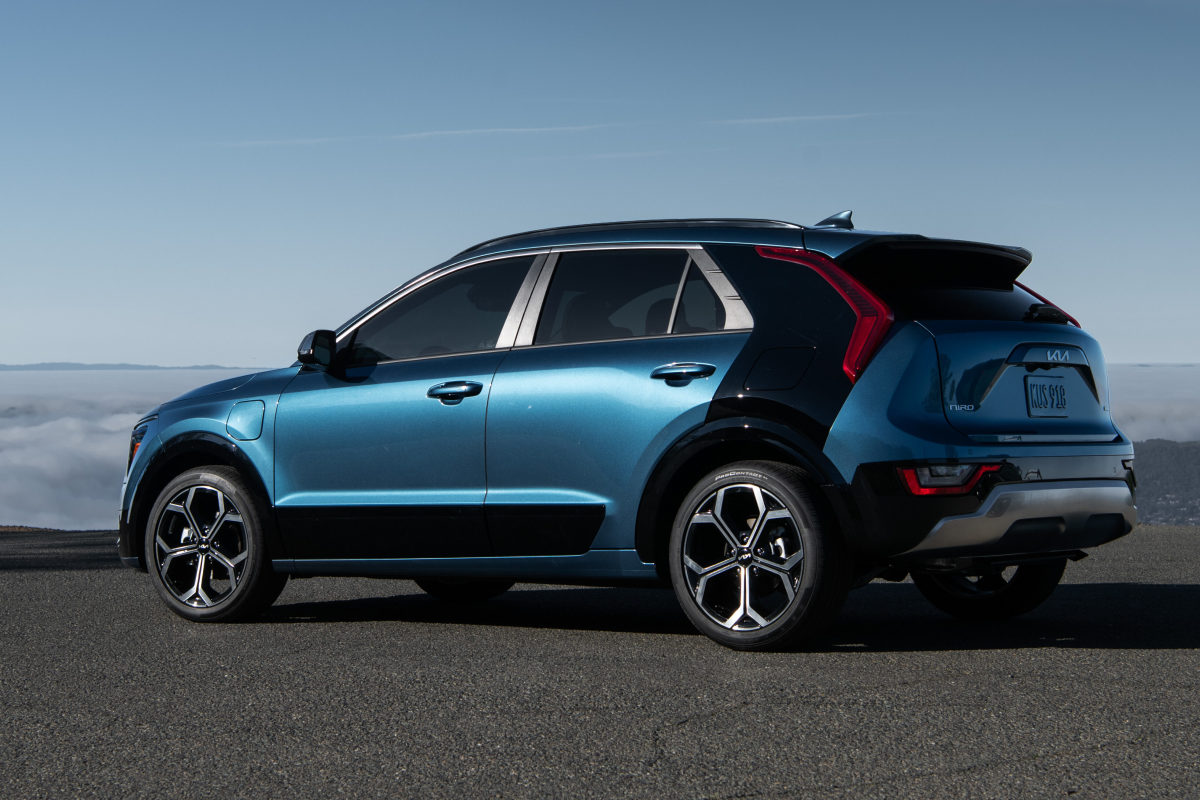
With the PHEV out, US buyers are left with the standard hybrid or the full EV. Price is still the main dividing line: the hybrid starts at $27,390, while the EV jumps to $39,600 before destination charges.
The Niro PHEV’s last sticker was $34,490. On paper, it slotted right between the hybrid and the EV. In reality, it was probably stuck in no-man’s land: too pricey for hybrid buyers, not electric enough for buyers ready to go all-in.
For now, if you’re eyeing the Niro PHEV, there are still inventory units left. Upon checking Cars.com, there are still 130 units remaining in stock yards, with average discounts of around $4,000-$6,000.
Zac Palmer