Hyundai Wasn’t Always Cool, Now It Is Demanding Attention
Hyundai was not known for standout design in the past. The brand built its reputation on value and reliability. That approach worked, but it rarely created excitement. Over the last few years, that has changed. Hyundai’s latest models are sharper, more expressive, and harder to ignore. The company is now producing vehicles that generate conversation rather than blend into traffic.
Much of that shift can be linked to Brad Arnold, now officially Chief Designer and Head of Hyundai Design North America. His promotion reflects Hyundai’s commitment to design as a core strategy. Arnold understands the North American market and brings a clear creative direction. His leadership suggests Hyundai will continue pushing toward designs that connect emotionally with buyers while standing out globally.
Gabriel Ionica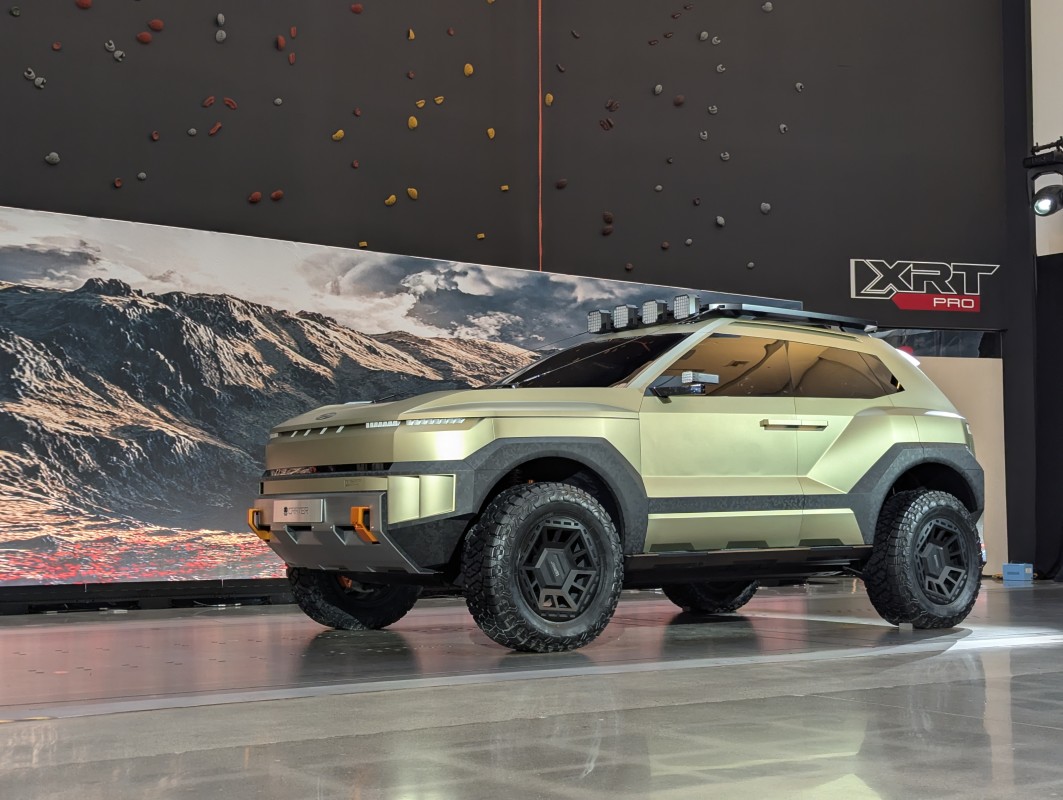
The Sandbox Era Signals a More Aggressive Hyundai
Arnold’s influence was already visible before this appointment. In 2025, he served as interim head of Hyundai Design North America and oversaw multiple production and concept programs. His past work includes the facelifted Hyundai Genesis Coupe, 2023 Palisade facelift, and the Santa Cruz, all of which helped define Hyundai’s current design identity. He also contributed to the Genesis GV80 Concept, a key project in establishing Hyundai’s premium ambitions.
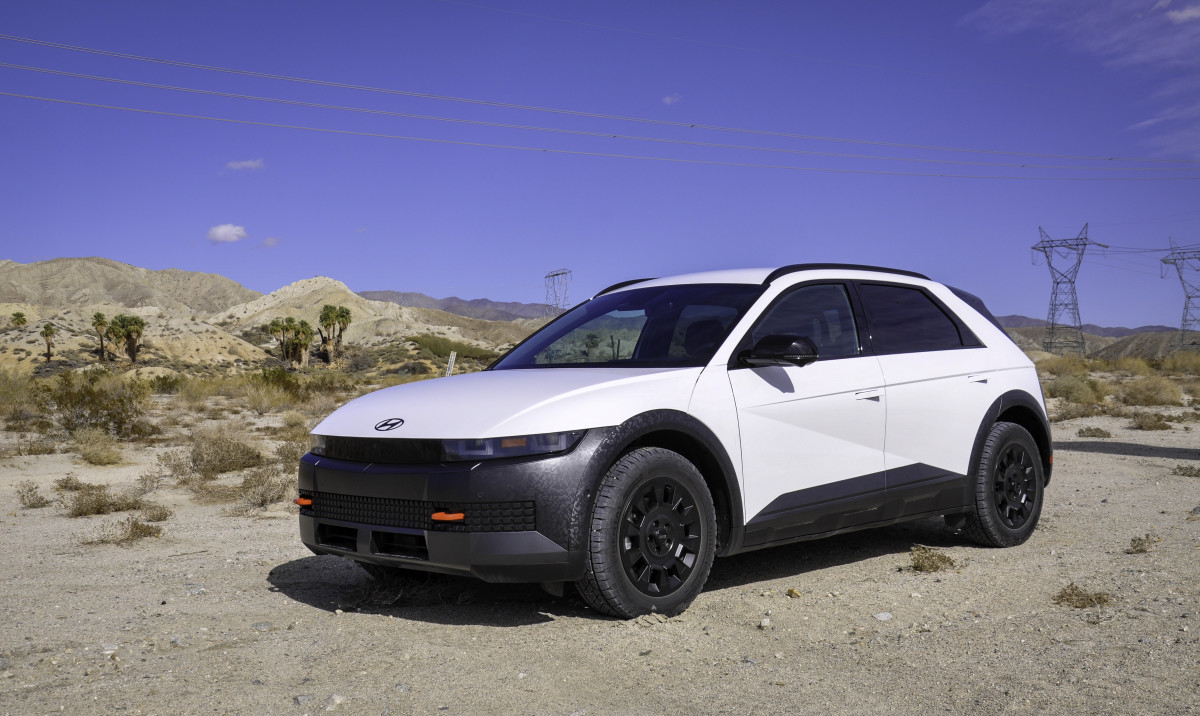
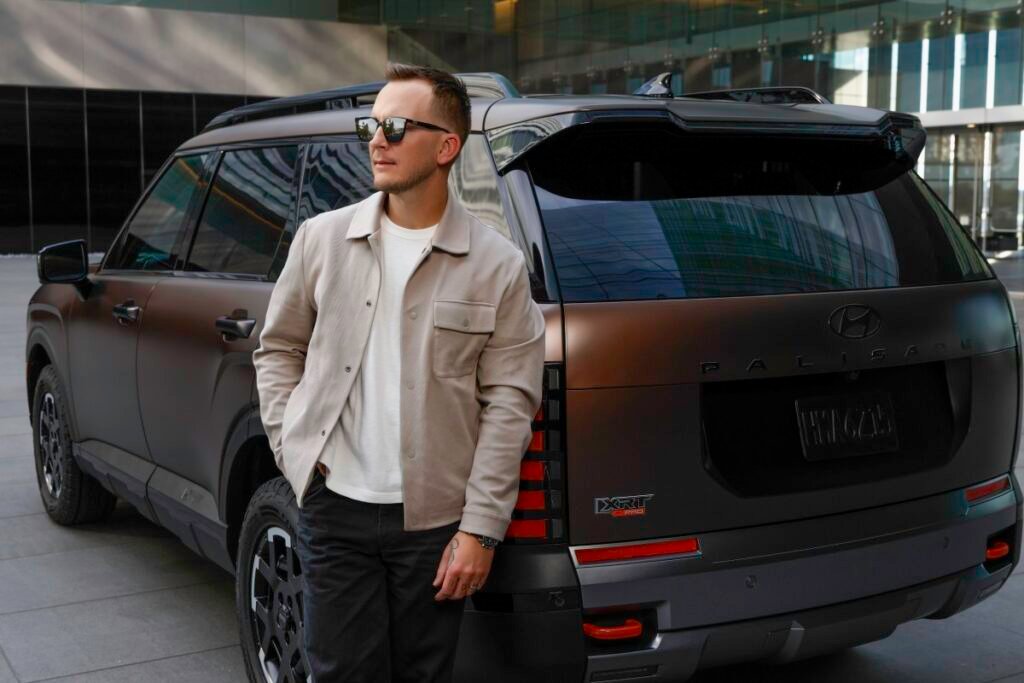
The bigger development is Hyundai’s push into more aggressive design territory through its California studio. This effort centers on “The Sandbox,” a creative space focused on XRT models. Vehicles like the 2026 Palisade XRT PRO and the CRATER Concept show a stronger, more rugged design direction. The styling is more assertive and tailored to North American tastes. Arnold’s background, including his time at General Motors working on Cadillac and Chevrolet concepts, supports this evolution toward bolder and more confident design.
Hyundai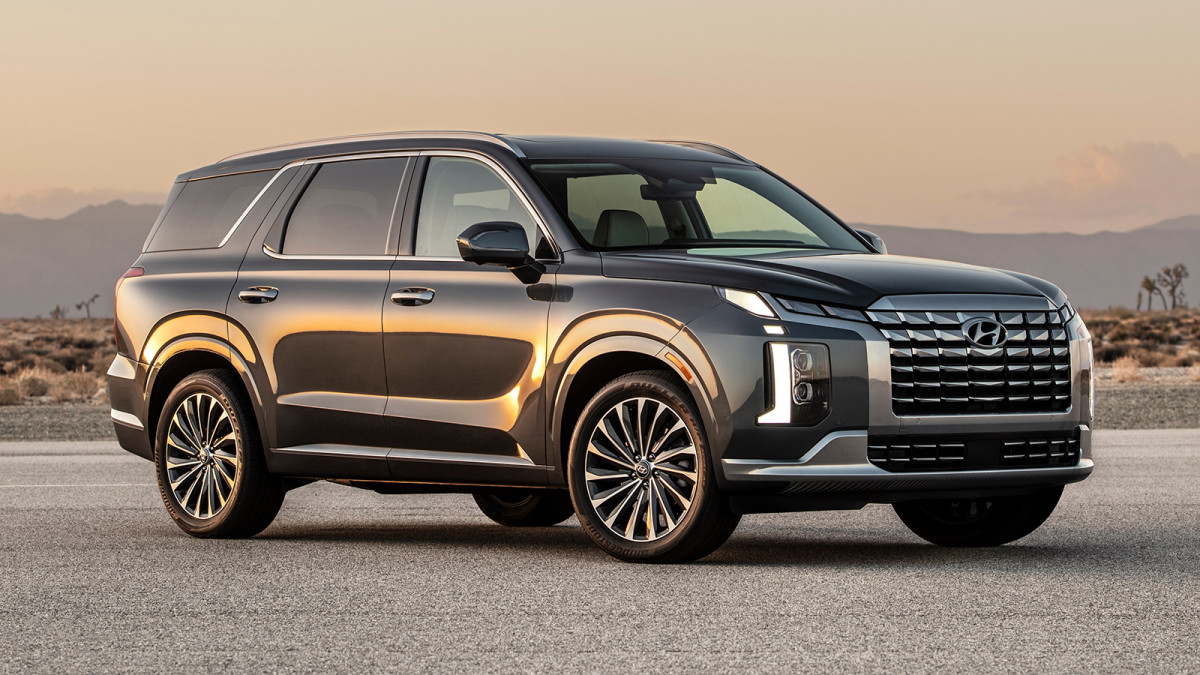
Hyundai Chases Real Credibility
Hyundai has long struggled with perception among enthusiasts. It was often seen as practical but not exciting. Pop culture even reinforced that image, with films like The Fast and the Furious: Tokyo Drift highlighting the brand’s lack of street credibility. That perception has lingered despite major improvements in engineering and quality.
Arnold’s leadership could mark a turning point. His willingness to push stronger design themes gives Hyundai a chance to reshape its image. The XRT lineup in particular shows promise as a more expressive and lifestyle-focused offering. If Hyundai can back up its bold designs with consistent execution, it may finally earn broader respect. The brand is no longer just competing on value. It is building an identity, and that is a critical step toward becoming genuinely desirable.
Cole Attisha