Hyundai Teams Up With Pokémon
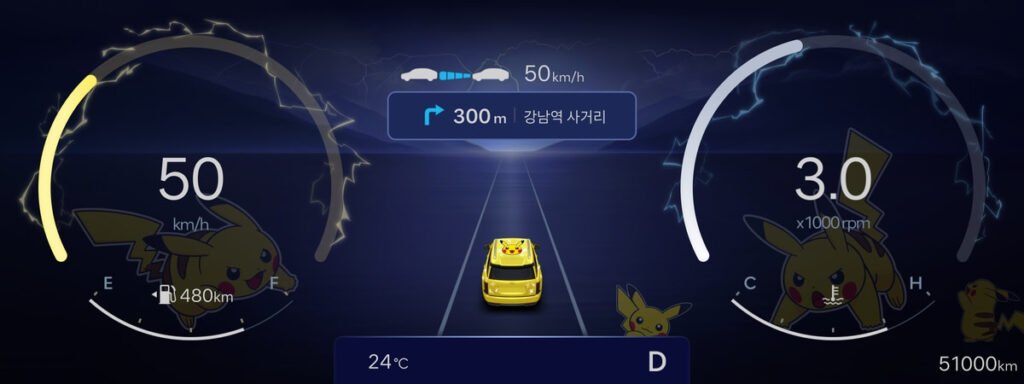
Hyundai Motor Co. has announced a new collaboration with Pokémon Korea Inc., introducing Pokémon-themed digital display packages designed to enhance personalization in its latest vehicles.
The automaker revealed two themes, “Pokémon Pikachu Quick Attack” and “Pokémon Ditto World Theme.” These themes are integrated into Hyundai’s connected car Navigation Cockpit (ccNC) infotainment system. Owners can customize their instrument cluster and infotainment visuals with character graphics, themed navigation guidance, and animated startup and shutdown sequences.
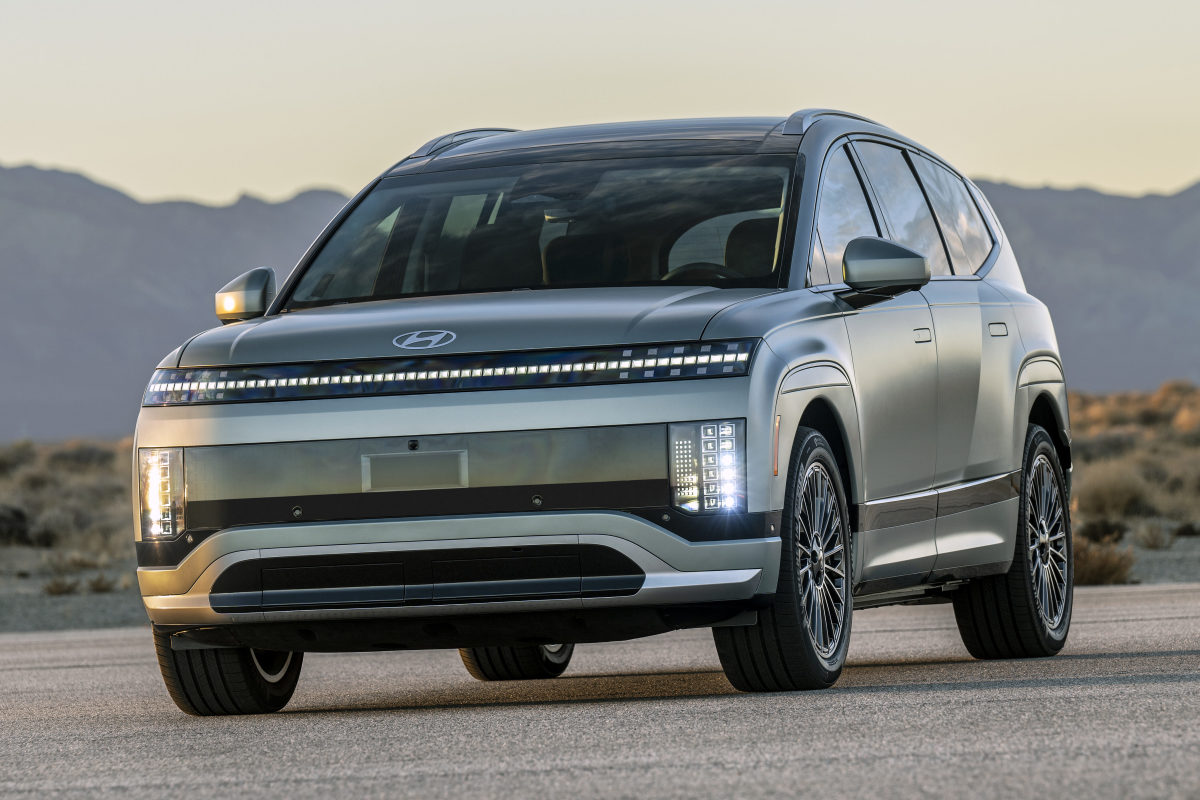
The themes are available on several key models, including the all-new Palisade SUV, the next-generation Nexo hydrogen fuel-cell EV, and electric models such as the Ioniq 6 and Ioniq 9.
HYUNDAI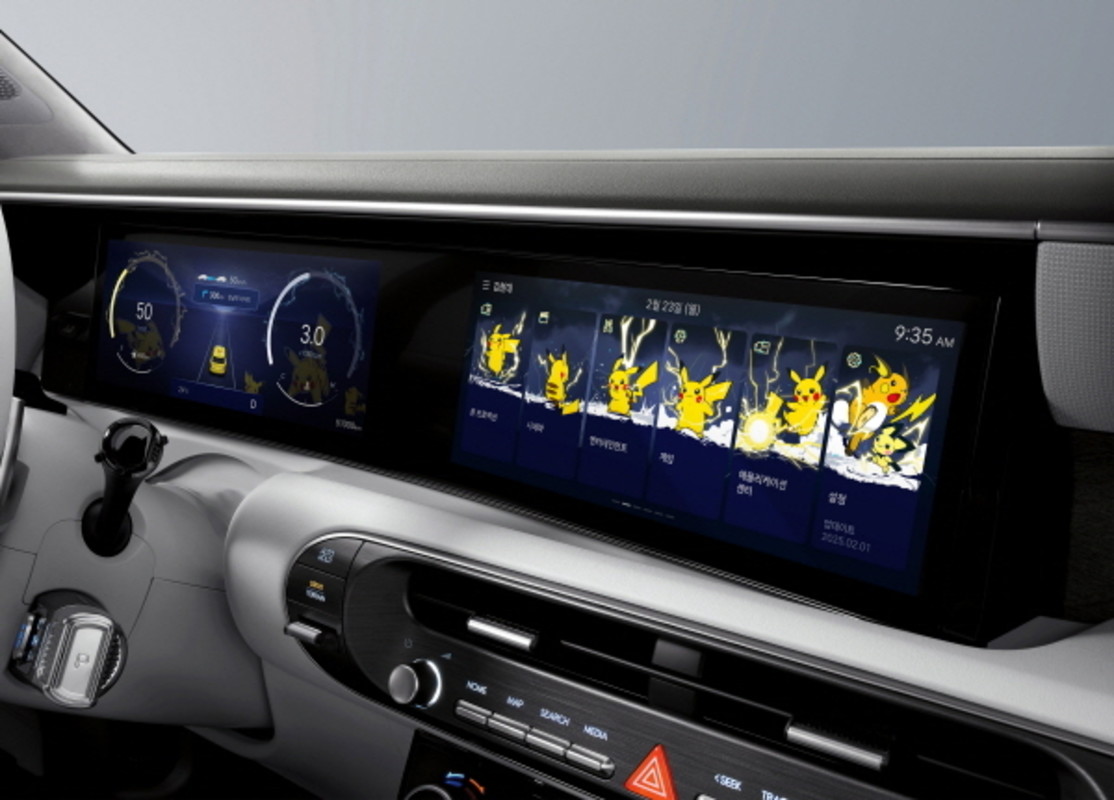
Pokémon Makes Strategic Sense
Automotive and anime collaborations often focus on nostalgia among enthusiasts. Projects inspired by Initial D, including customized Toyota GT86 builds, typically celebrate drifting culture and performance driving. These collaborations mainly target dedicated car enthusiasts and motorsport fans. Pokémon reaches a much broader global audience and extends beyond traditional automotive culture.
The partnership also aligns naturally with Hyundai’s electrification strategy. Pikachu is one of the most recognizable electric-themed characters in popular culture. Featuring Pokémon visuals in EV-focused models such as the Ioniq lineup creates a relatable connection between advanced technology and familiarity. Instead of focusing on performance metrics, Hyundai presents electrification as approachable and engaging. This approach may help younger buyers feel more comfortable with EV adoption.
Hyundai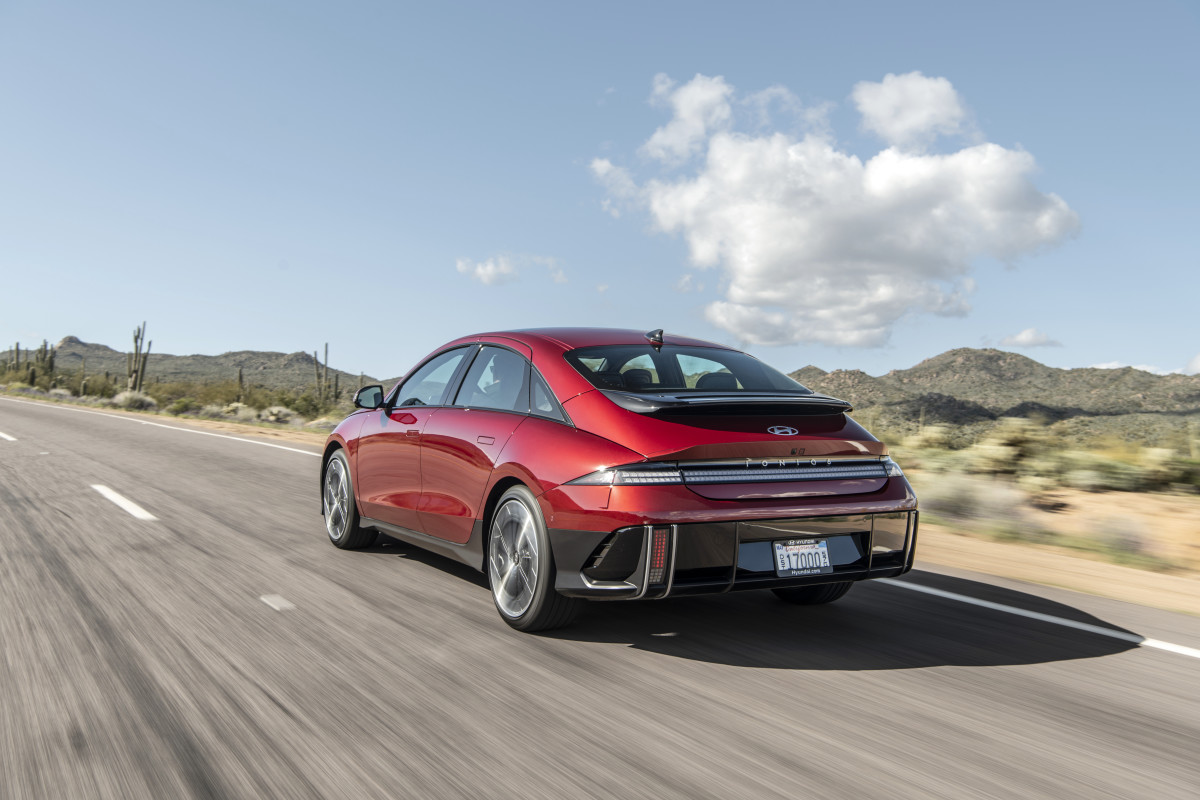
Reaching A Generation That May Not Want Cars At All
The collaboration arrives at a time when automakers face changing consumer attitudes toward ownership. Research shows that nearly half of Americans aged 18 to 34 are not interested in owning cars. Rising ownership costs and alternative mobility options continue to reshape priorities among younger consumers. Automakers must now find new ways to make vehicles appealing to digitally connected audiences.
Entertainment partnerships like this help reposition vehicles as lifestyle products rather than simple transportation tools. Hyundai is attempting to connect cars with personal identity and digital expression. Younger consumers already customize smartphones, gaming systems, and online profiles. Bringing a similar level of personalization to vehicles could rebuild emotional interest in car ownership and spark renewed enthusiasm for driving.
Hyundai