National Pride
Touring car racing was growing in popularity through the 1980s, with various regional series and championships for modified production-based cars being contested across the globe. Most of these were held under the FIA’s Group A regulations, offering manufacturers a cost-effective way to go racing and demonstrate the capabilities of their road cars. Japan’s premier production-based series, the Japanese Touring Car Championship (JTCC), was a popular proving ground for domestic and international carmakers alike, and had seen Ford dominate in 1987 and 1988 with the Sierra RS500 Corworth and its turbocharged 2.0-liter four-cylinder engine that pumped out upwards of 500 horsepower in race trim. While Nissan were able to regain the drivers’ title in 1989 with their Skyline GTS-R, Ford managed to hold on to the manufacturers’ crown for the third year running, making it clear that they were still a major threat. Nissan’s engineers, however, had already been working on something special for the last few years — the development of a car and engine monstrous enough to dethrone Ford and the formidable RS500 Cosworth. It was, after all, a matter of national pride.
Racing Drives Innovation
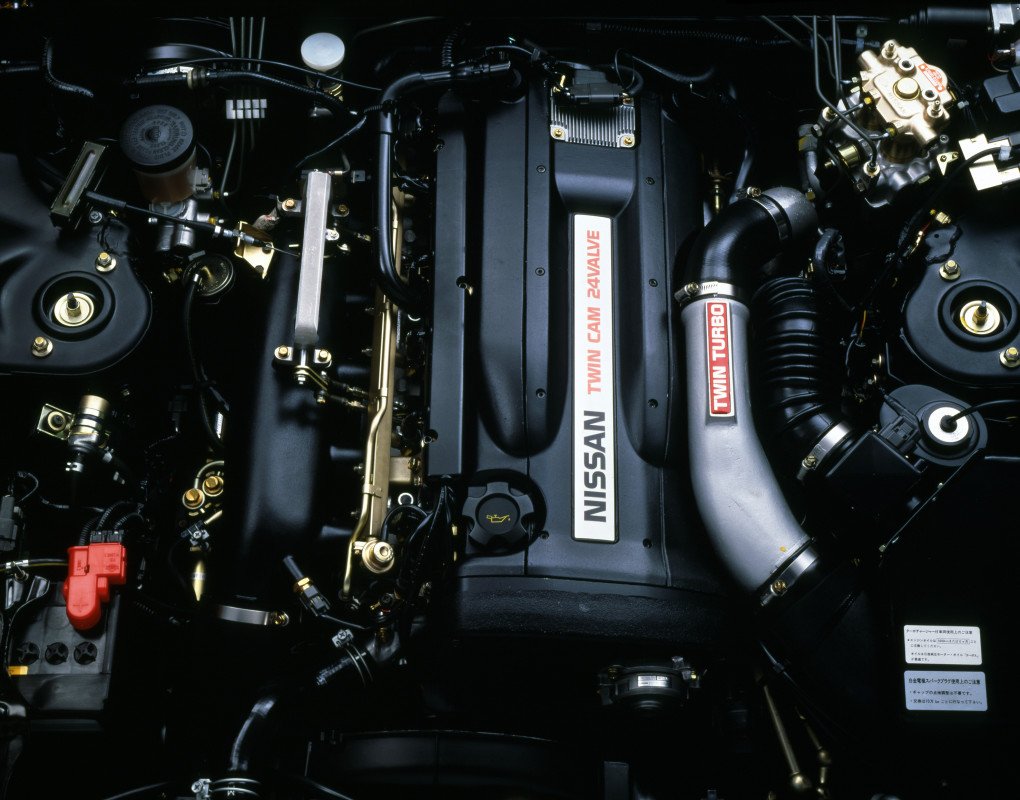
The Skyline GTS-R that won the 1989 JTCC was based on the Skyline R31, and was powered by a highly tuned version of Nissan’s RB20DET straight six. The RB series of inline-six-cylinder engines was introduced in the mid ‘80s to replace the ageing four- and six-cylinder L series engines that had been doing duty in Nissan and Datsun passenger cars since the mid ‘60s. While the turbocharged RB20DET made about 210 horsepower in the production version of the Skyline GTS-R, and was set up to push out just over 400 hp in race trim, it was vastly outgunned by the more powerful Ford Cosworth engine. Nissan engineers knew they would have to come up with something special to take back control of the JTCC. Behind the scenes, a dedicated team under Chief Engineer Naganori Ito and Chief Experiment Engineer Kozo Watanabe was working on a project with a singular focus — create a car and a motor capable of dominating the JTCC. The car, as I’m sure you’ve guessed, was the now legendary Nissan Skyline GT-R R32, and it was powered by one of the most versatile Japanese-made inline-six-cylinder engines ever built, the iconic RB26DETT.
Creating Godzilla
To create the engine for the R32 GT-R, the team of engineers started by boring out and stroking the existing RB20 engine to 2.4-liters in an attempt to boost power output. It soon became apparent, however, that simply trying to outmuscle the RS500 Cosworth by adding cubic capacity wouldn’t be enough; to be truly competitive, the project team would have to innovate.
With this in mind, the engineers decided to work on not only increasing power, but also on efficient and effective ways to put this power down, ultimately coming up with the state-of-the-art ATTESA E-TS all-wheel drive system. The acronym stood for Advanced Total Traction Engineering System All-Terrain Electronic Torque Split; quite a mouthful, yes, but the computer-controlled torque-vectoring system was more advanced than any other such system at the time. It was capable of analysing data from a three-axis G-sensor and wheel speed sensors several times a second to actively manage power distribution, predict and prevent wheel spin, and offer unrivalled levels of cornering grip and stability — absolutely space-age stuff in the 1980s. As if this wasn’t enough, the car was also endowed with an advanced version of Nissan’s HICAS, the manufacturer’s proprietary rear-wheel-steering system. Short for High Capacity Actively-controlled Steering, the system received inputs from various sensors, such as steering angle, wheel speed, and more, to adjust rear-wheel-toe on the fly, enhancing both manoeuvrability at slow speeds, as well as stability at high speeds.
Nissan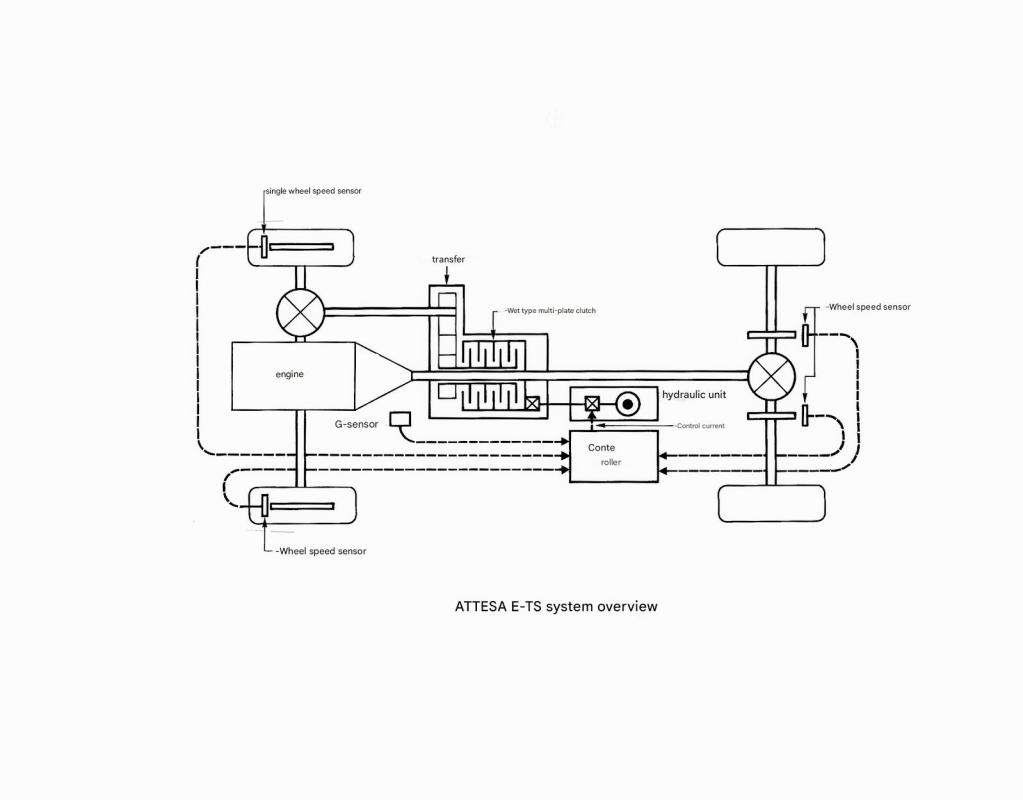
All this tech added weight, and the need for more power than the existing RB20 engine, now bored and stroked to 2.4-liters, could provide. After considering further modifications to push capacity to 2.6-liters, the team behind the R32 project wisely decided to abandon the older engine and create a new 2.6-liter motor from scratch. They built a brand new cast iron block and a highly efficient aluminum head to go with it, and the legend of the RB26 was born.
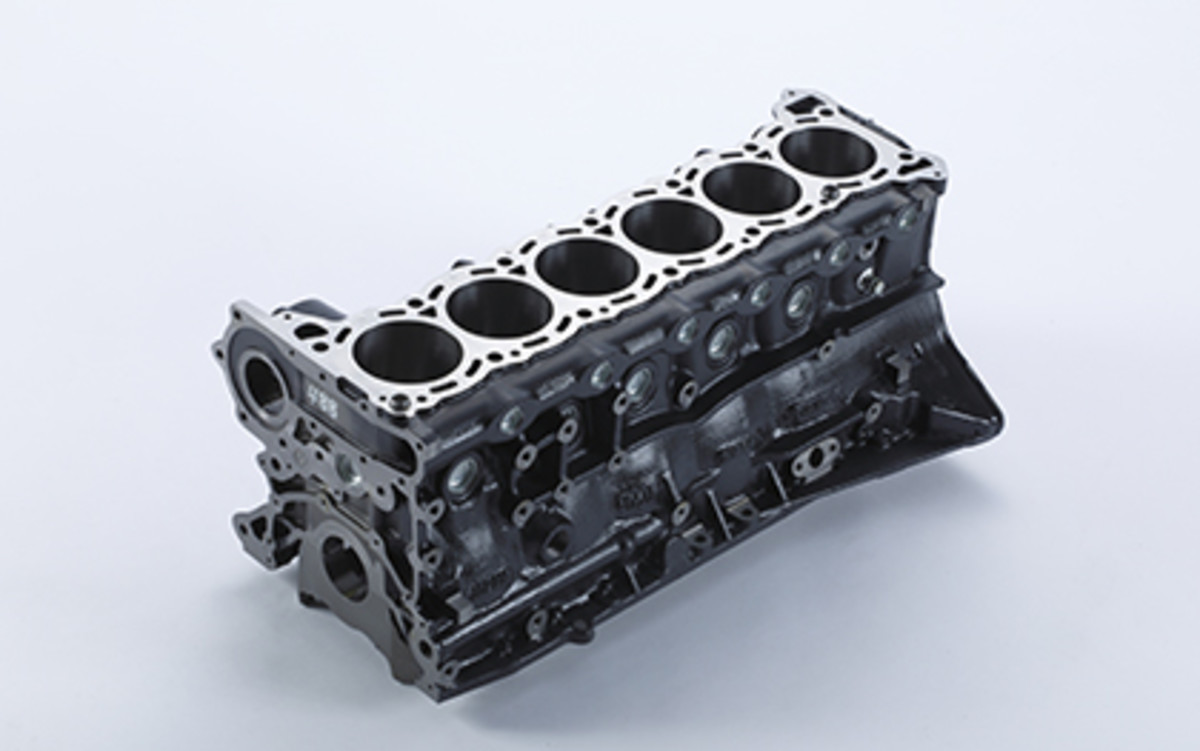
The Nissan Skyline GT-R R32, powered by the all-new twin-turbo RB26DETT motor, officially went on sale in Japan in the second half of 1989. This production version made a claimed 276 horsepower at 6,800 rpm and 260 lb-ft of torque at 4,400 rpm. ‘Claimed’ because Japanese manufacturers were routinely underquoting power figures at this time to honor the gentleman’s agreement between them; in truth, the Skyline GT-R was shown to make upwards of 300 horsepower.
Going Racing
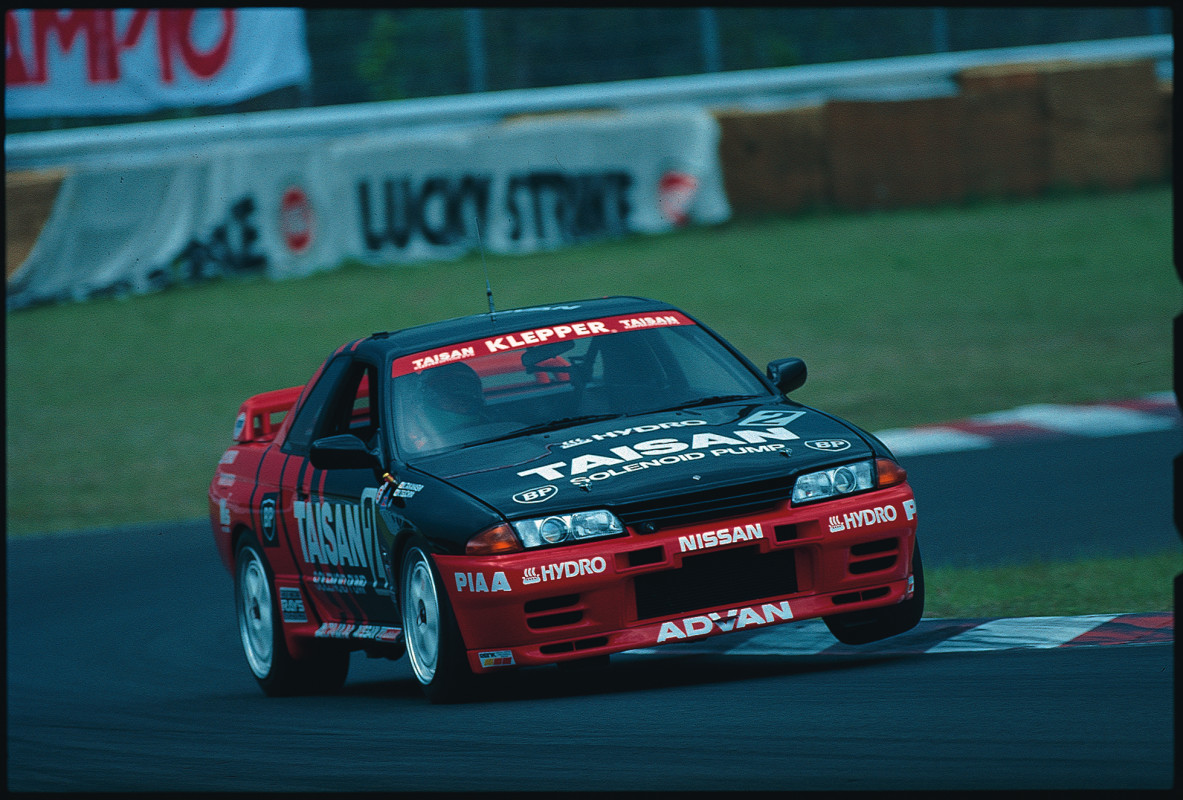
While the production version of the new Skyline may have made around 320 horsepower, the race version being built to take on the JTCC was a whole other beast. The race motor, developed in conjunction with Japanese engineering firm Reinik, featured a reinforced block, forged rotating assemblies, more aggressive cams, different turbochargers, and a redline in excess of 8,000 rpm, pushing peak power up to over 600 hp. The GT-R was ready to take on the JTCC, but first took a quick trip to Germany to shatter the Porsche 944 Turbo’s 8:45 Nurburgring lap record by a massive 22 seconds.
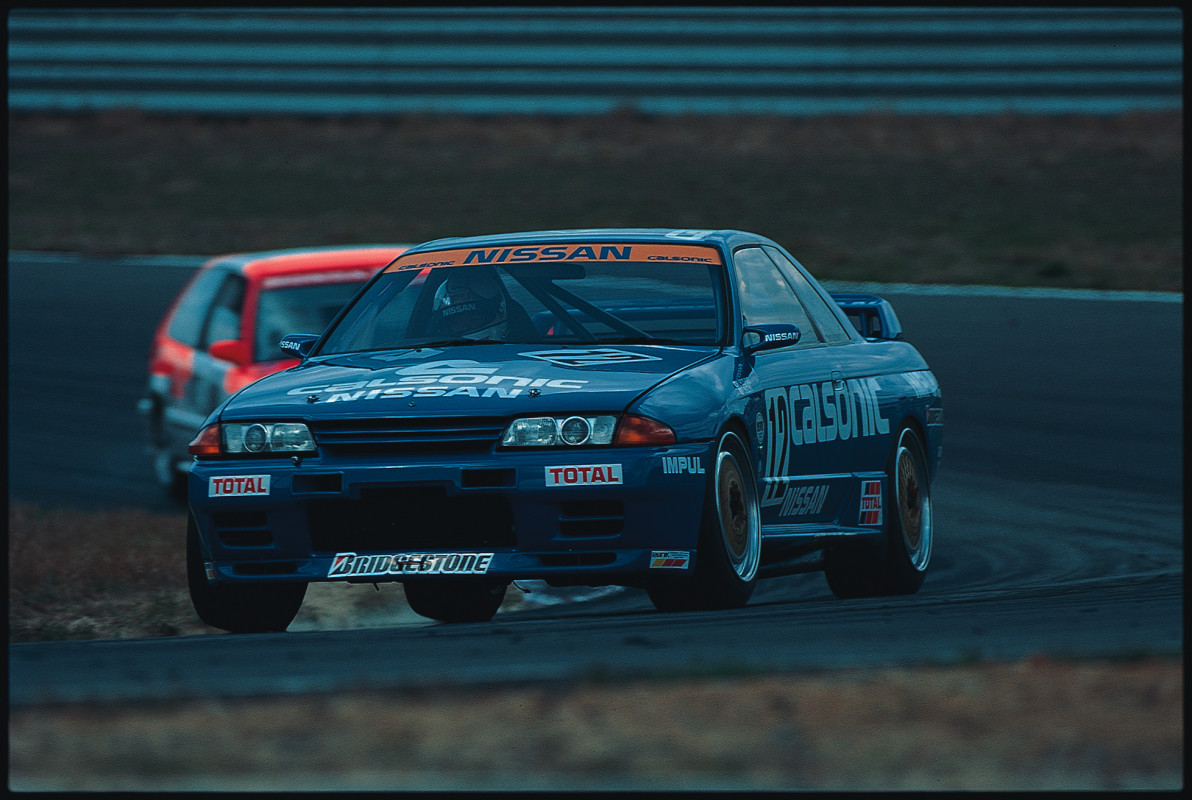
The Skyline GT-R then went on to dominate the JTCC from 1990 to 1994 like no car before or since, winning every single one of the 29 races it participated in during this time. The R32 also dominated the Australian Touring Car Championship from 1990 to 1992, and won Australia’s largest endurance race, the Bathurst 1000, in 1991 and 1992, leading the Australian motoring media to nickname the car Godzilla, as in the unkillable monster from Japan. The Skyline also won the 1991 24 Hours of Spa endurance race, while securing the fastest lap of the race in the process.
Tuning Potential
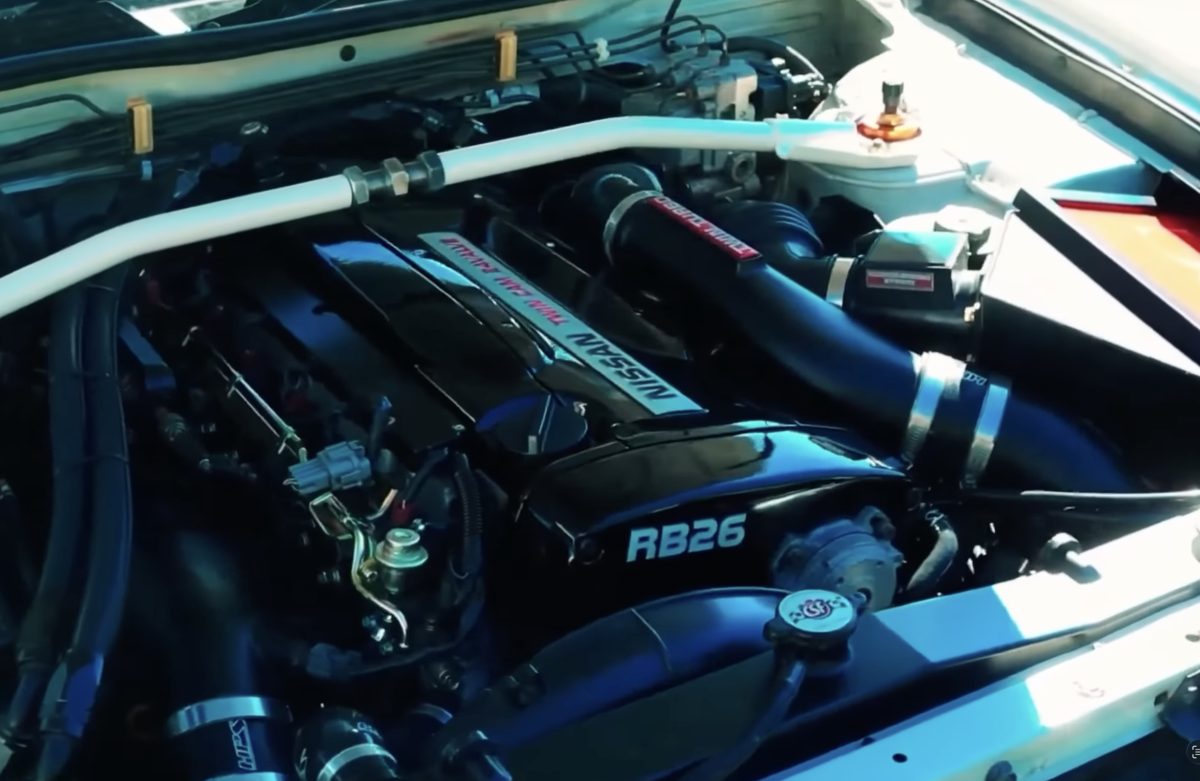
The RB26DETT engine continued to power the R33 that was launched in 1995, as well as the R34 in 1999, with minor refinements and improvements. While it did make a healthy 300+ horsepower straight from the factory, its perfectly balanced inline-six architecture, combined with that strong, closed-deck iron block and free-flowing head offered tuners the perfect base to experiment with.
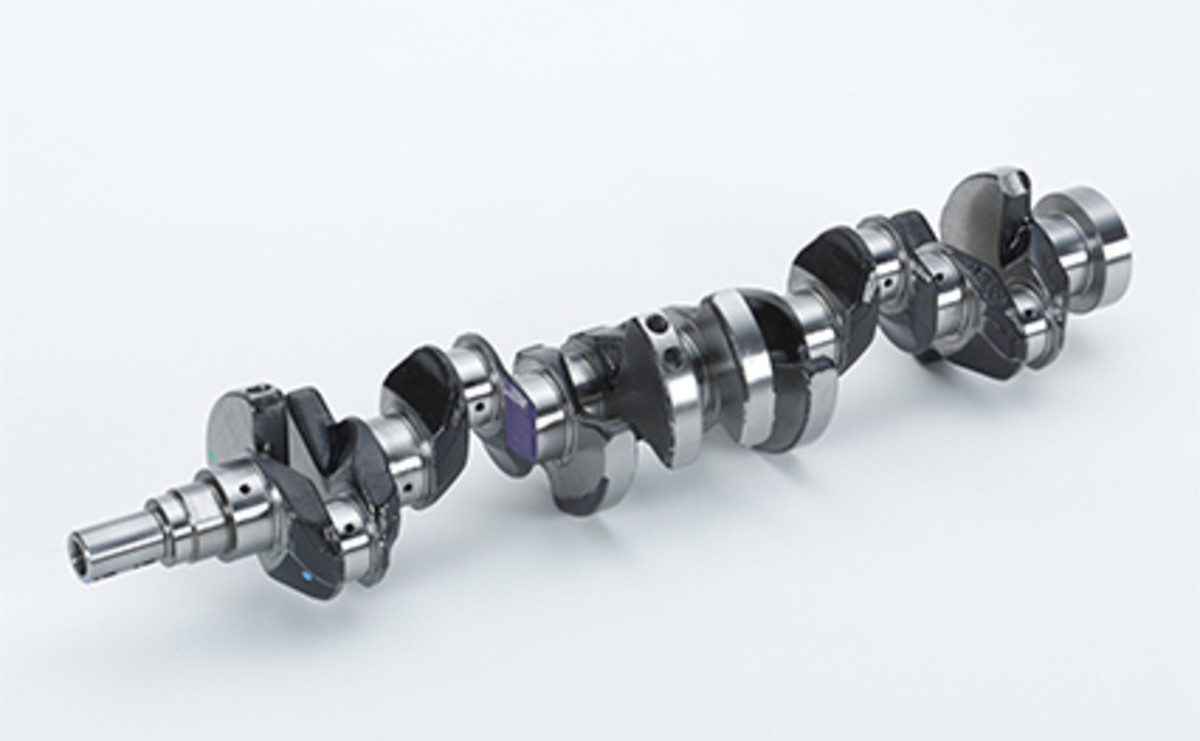
The oversquare design lent itself well to high-rpm builds. The cast aluminum pistons are endowed with integrated oil galleries that are fed by block-mounted oil nozzles to keep temperatures in check, while the forged steel crankshaft and connecting rods are sturdy enough to handle big power. Up top, the DOHC belt-driven valvetrain sits within an all-aluminum head, with relatively large valve diameters and somewhat mild cam profiles. The engine is fed through a flow-optimized intake manifold and three sets of twin throttle bodies.
youtube.com/@throtl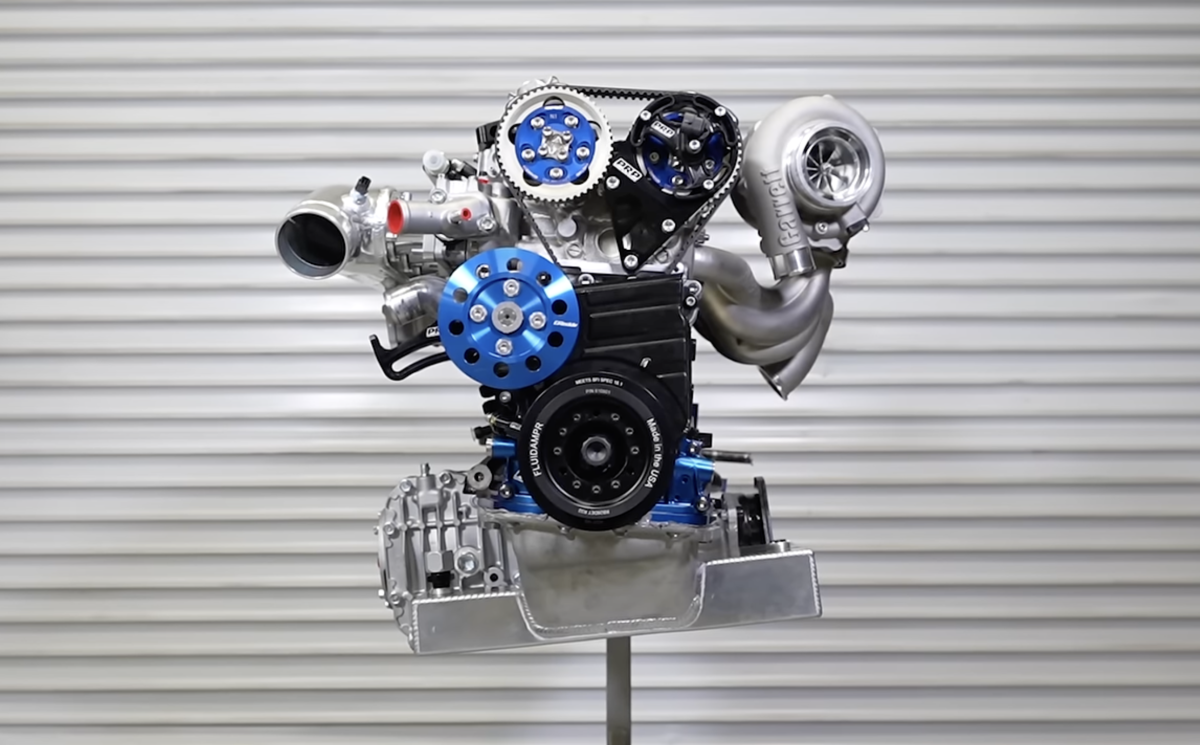
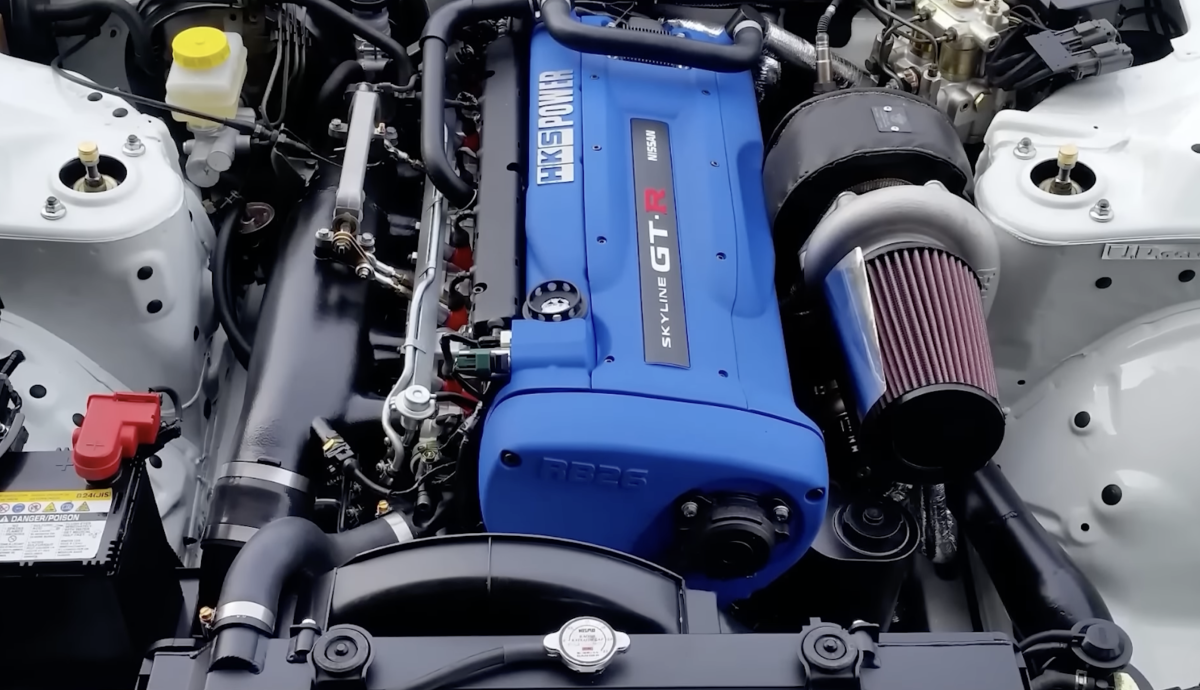
The fact that this engine was developed with the intention of making over 500 horsepower and then detuned for road use meant that it was extremely receptive to bolt-on upgrades. Simply slapping on a larger turbocharger and intercooler, more aggressive cams and injectors, and a higher capacity fuel pump with the appropriate ECU tune can take peak output up to over 500 horsepower. The RB26DETT soon became a tuner favourite and choice engine swap for rear-wheel drive builds, and although Nissan never sold any cars powered by this motor in the U.S., growing demand for them saw these engines being imported into the country, with a robust tuning scene growing around them. Tuners have reported taking the RB26DETT to well over 700 horsepower, but at these power levels, reliability comes into question with stock internals.
The RB26DETT Today
More than three decades after it first went racing, the RB26DETT remains the benchmark for what a performance engine can be when motorsport drives development. The combination of strength, balance, and tuning headroom made it a legend among the enthusiast community in its time, and it still thrives today — powering everything from restomods to bespoke builds worldwide.