Chevy’s Small Block
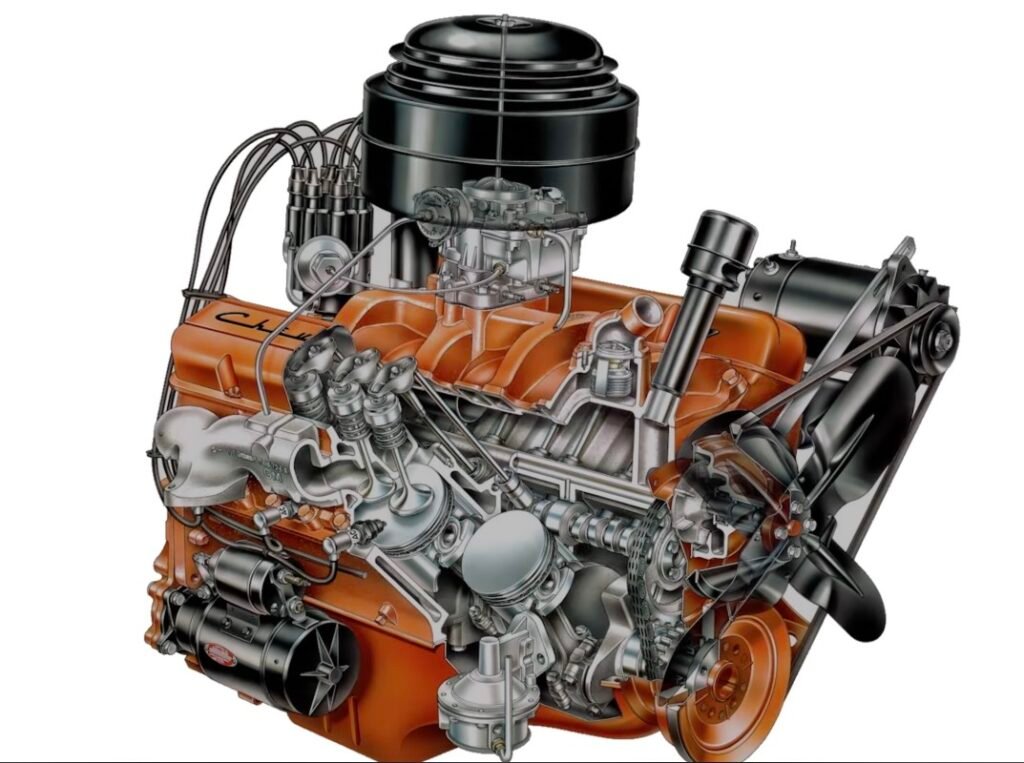
What we refer to today as the LS family of engines usually refers to the third and fourth generations of Chevrolet’s small-block V8. But to understand the relevance of these engines, and what makes them so special, we must look back to where it all began. The year is 1955, and General Motors has just revealed one of the most influential internal combustion engines ever built — the first generation of Chevrolet’s small-block V8 engine platform. It was slated to power the Corvette, the brand’s first true sports car, launched two years earlier with a lackluster inline-six under the hood. The switch to the 265 cubic inch (4.3-liter) V8 transformed the Corvette’s performance and reputation, turning it from experimental exotic to the brand’s halo performance car.
https://www.youtube.com/@d4a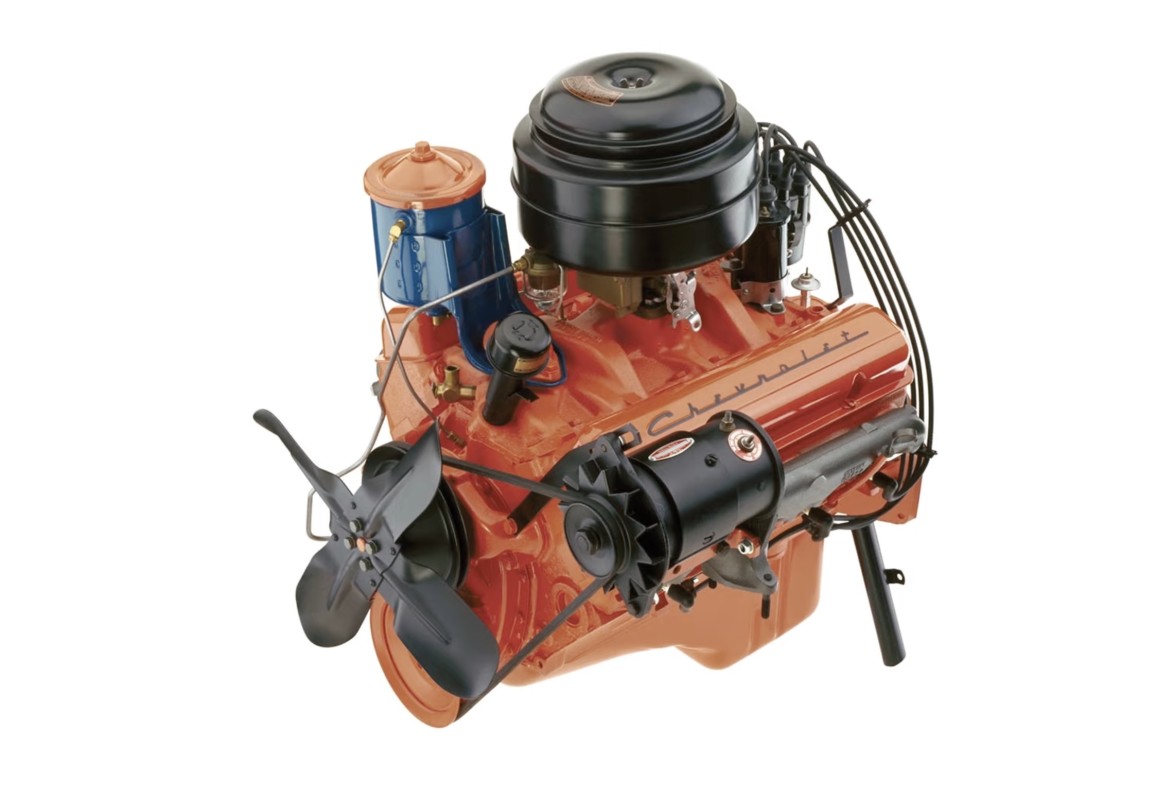
This original small block was a class leader in its time, compact, powerful, and easily scaled up, eventually evolving into the 283, 327, and 350-cubic-inch versions through its almost half-century production run. In an effort to meet emissions, efficiency, and weight requirements in the 1990’s, Chevy introduced the second-generation small block with the LT1 and high-performance LT4 engines, but these 350-cubic-inch motors were largely based on their predecessors and struggled to be competitive against more modern powerplants.
https://www.youtube.com/@VetteprosUSA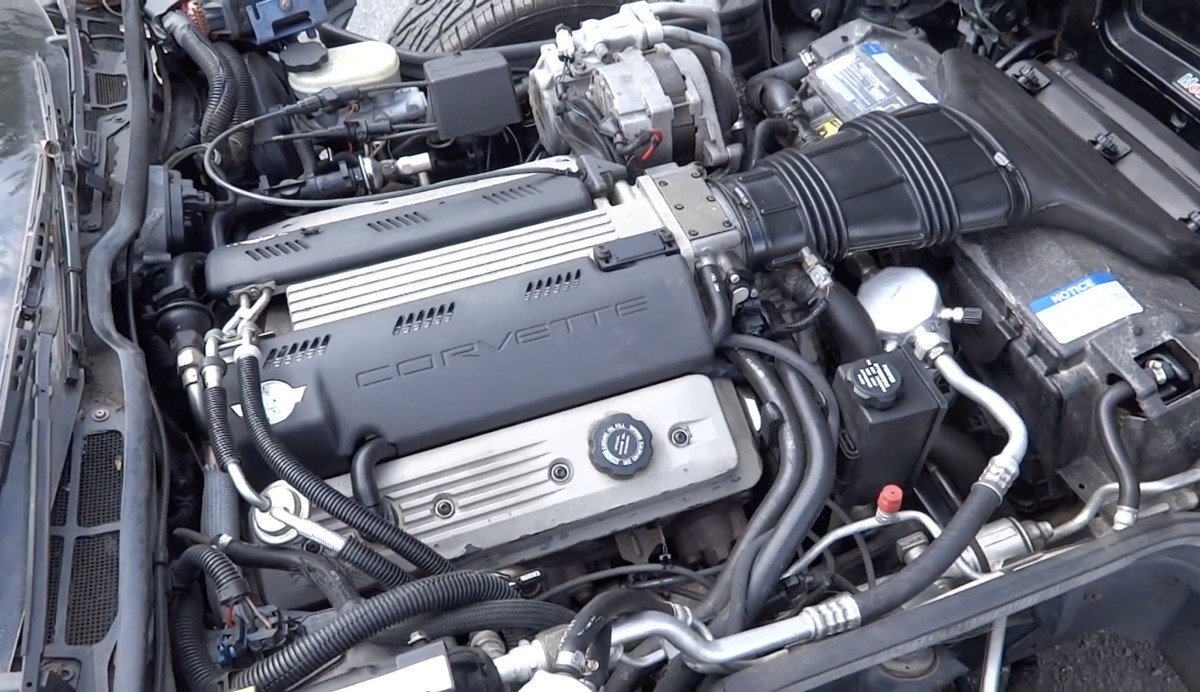
Looking To The Future
As the turn of the century approached, parent company GM realised that this ageing architecture needed a complete, ground-up overhaul, and began working on the third-generation Chevy small block. But first, the company had to decide whether they would be sticking with the previous generations’ pushrod-operated overhead valve layout or switching to the more modern DOHC heads. The decision, believe it or not, was left to blind testing of cars by a large group of GM’s own executives.
https://www.youtube.com/@d4a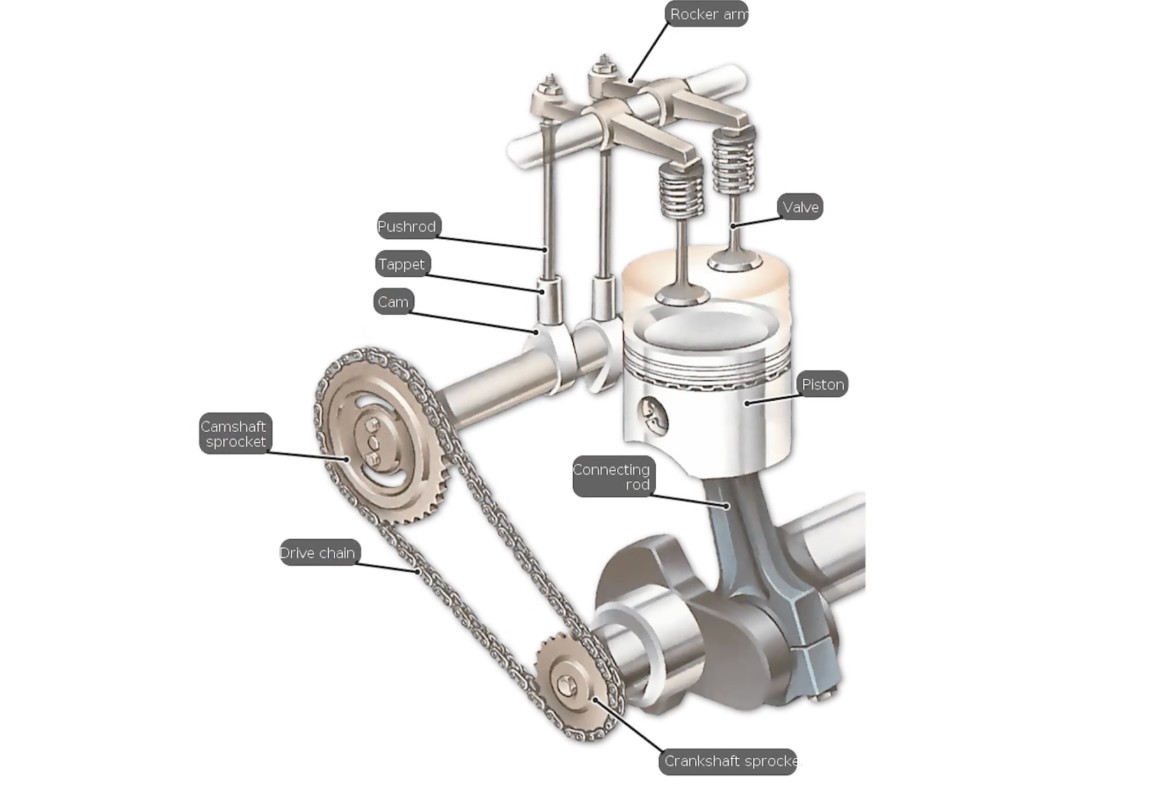
Pushrods vs Overhead Cams
By the 1990s, overhead valve (OHV) pushrod engines were already considered archaic and outdated, with most manufacturers having moved on to overhead camshaft (OHC) designs. After all, OHC engines could spin faster, make higher peak horsepower, and offered less valvetrain inertia by having the camshafts placed directly above the valves. They could also have four or more valves per cylinder, while OHV engines usually had to make do with just two, operated by a single camshaft within the block. On the other hand, OHV engines could be more compact and are better at producing torque earlier in the rev range. Even as Chevy introduced the second-generation small block in early 1992, they knew they had limited time to figure out the future development direction of their Corvette V8. And this brings us to May 1992 and the blind test.
https://www.youtube.com/@d4a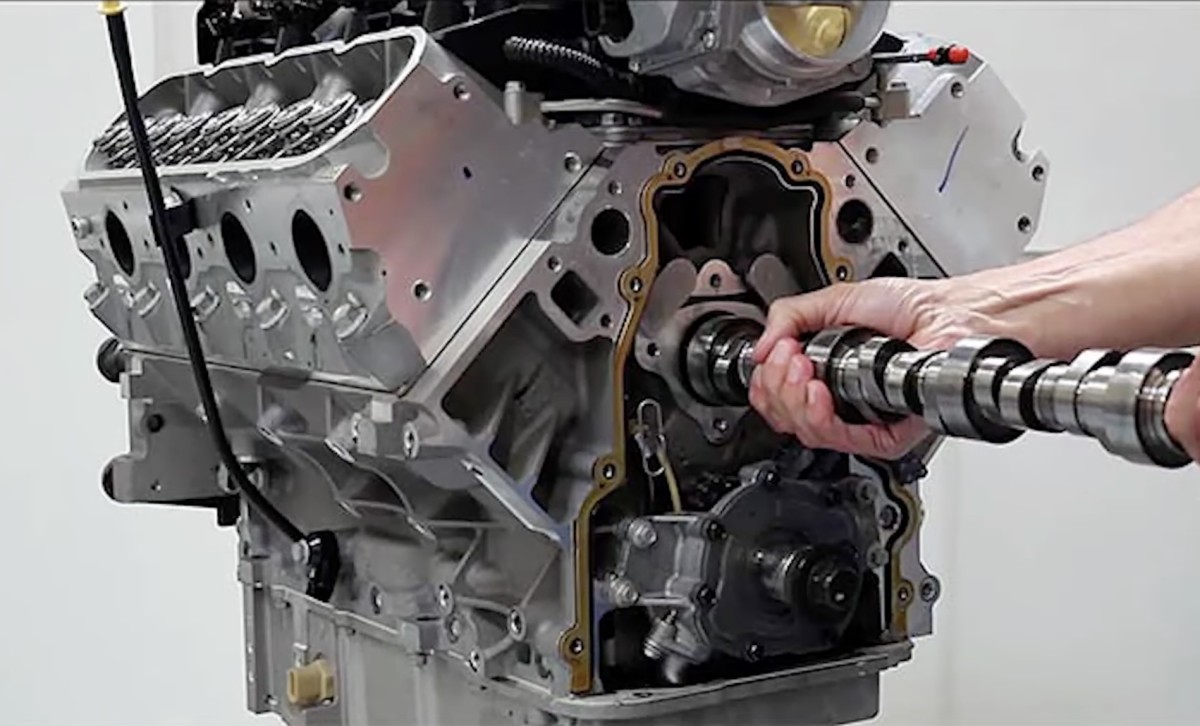
The Blind Test
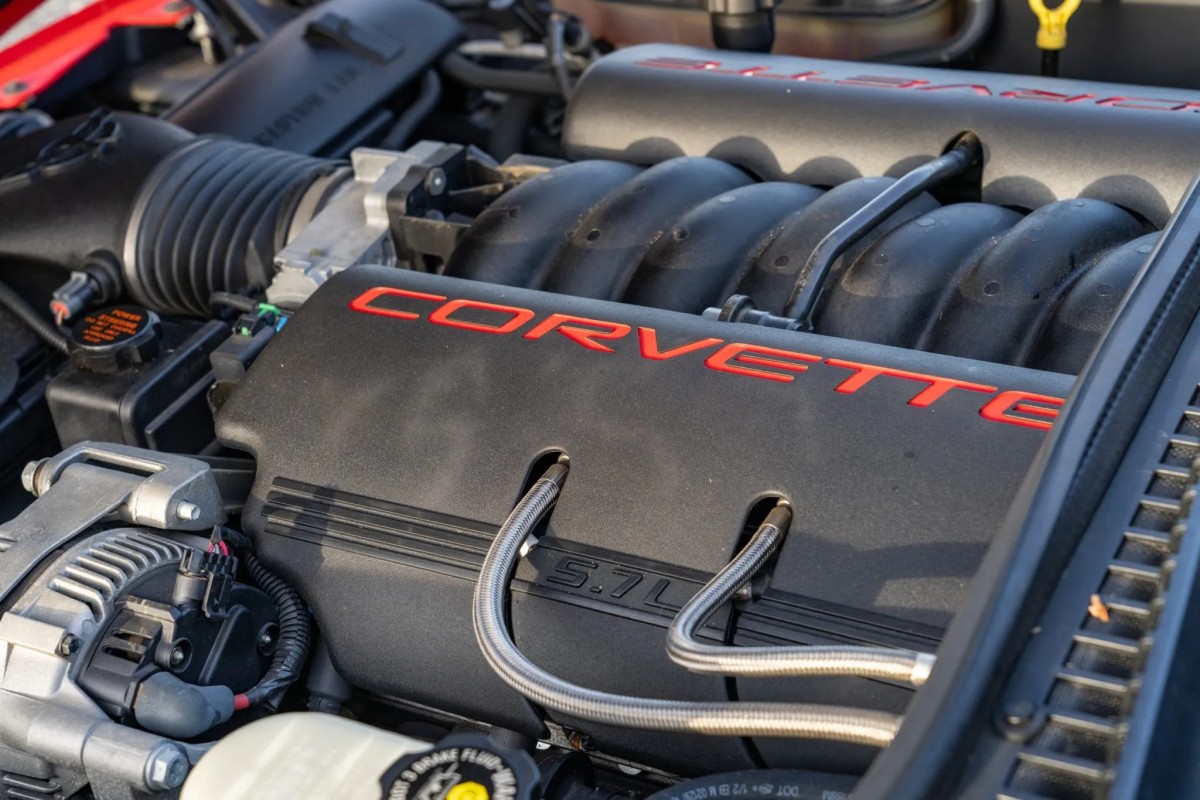
A group of GM executives was made to drive two seemingly identical black Corvette C4s at the company’s Milford Proving Grounds in Michigan. One of these cars was powered by the existing OHV LT4 motor, and the other by a modern, DOHC, 32-valve V8 developed by Lotus. While the newer engine may have revved higher and made more power, the test subjects unanimously preferred the instant torque delivery and snappy throttle response of the ‘outdated’ pushrod OHV engine. And so the decision was made to retain the pushrod architecture when developing the third generation of the small-block V8s, the first of which was the 345-horsepower 5.7-liter LS1 in the 1997 Corvette C5.
Creating the LS
The LS1 motor was designed to overcome the weight, efficiency, and emissions limitations of the second-generation small block, while staying true to its lineage. The all-new engine may have shared its predecessor’s 5.7-liter displacement, although with slightly revised bore and stroke dimensions and absolutely no shared components. It got an all-aluminum construction to save weight, more closely spaced cylinders for a smaller footprint, a revised cooling system and valvetrain geometry, and traded in its distributor for a more modern coil-on-plug ignition system.
https://www.youtube.com/@curtrobinsongarage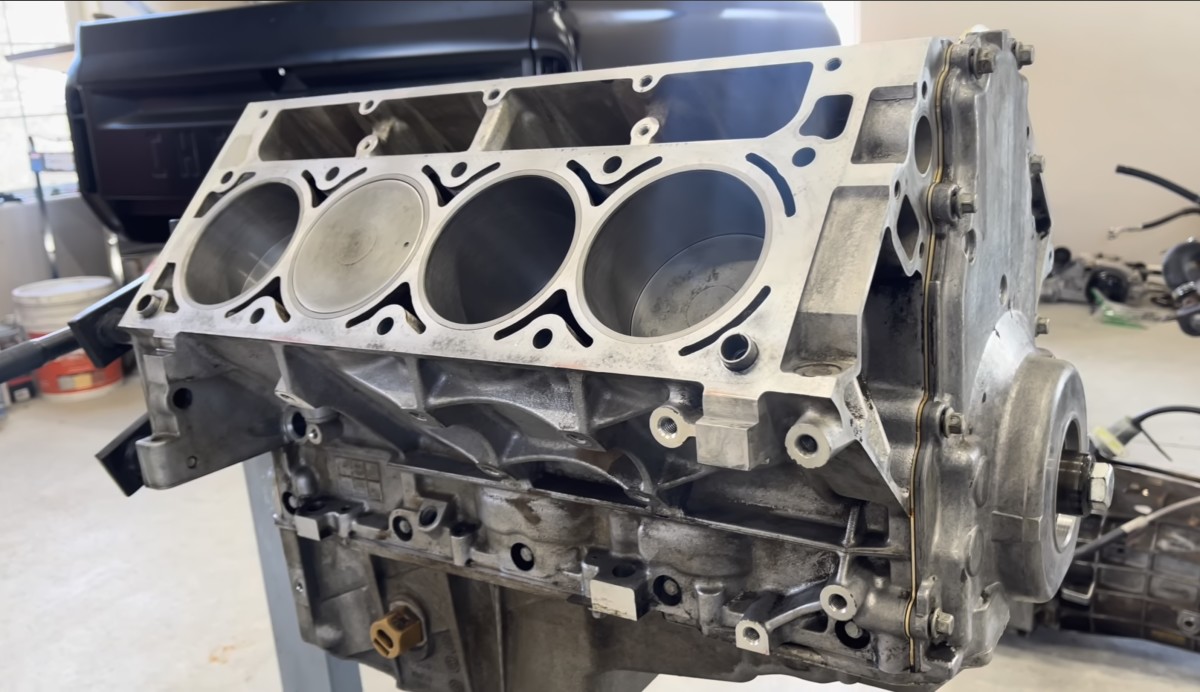
The LS1 in the 1997 Corvette made 345 horsepower at just 5,600 rpm, with a healthy peak torque of 350 lb-ft at 4,400 rpm — both figures marginally more than the 330 hp and 340 lb-ft of the outgoing LT4, but achieved at slightly lower rpm to provide an even more intense shove off the line. And this was achieved with an engine that was physically smaller, weighed about 100 lbs less, and was more fuel efficient. The LS1 was very well received at its launch, and laid the foundation for an entire generation of LS-based V8 engines that would go on to dominate performance cars, motorsport, and the global engine swap scene for decades.
LS Evolution
The LS1 was just the beginning, and formed the basis of the modern LS platform, vaunted for its compact dimensions, durability, and tuning potential. Noting the positive reception it received, GM were quick to expand the platform into a wide range of variants to suit different applications. The LS1 evolved into the LS6 in 2001, a high-performance variant powering that year’s Corvette Z06. Updates included better-flowing heads, sturdier valvetrain, higher compression, and more aggressive camshaft profile.
Chevrolet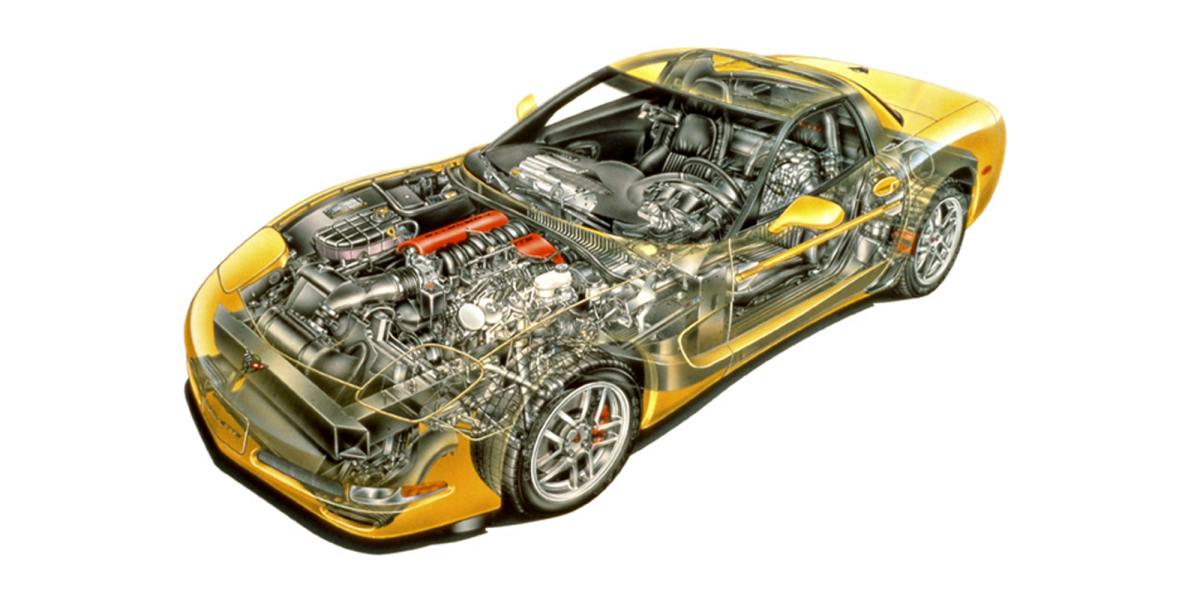
GM also brought back iron block variants of the third-generation small block in the form of the LM7, LQ4, and LQ9 motors, specifically designed for trucks like the Chevy Silverado. These iron block small-block V8s proved to be extremely sturdy and durable, and are the preferred engines for high-boost, high-horsepower builds to this day due to their availability and affordability.
https://www.youtube.com/@d4a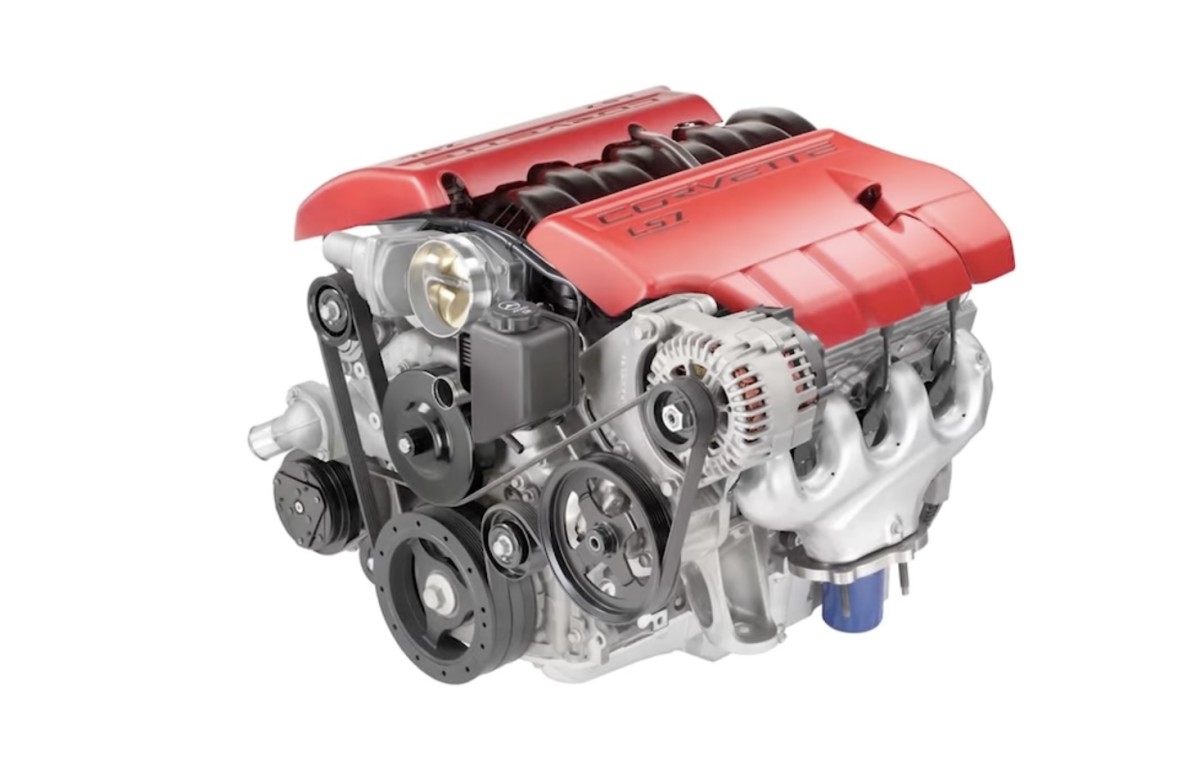
The fourth-generation small-block V8 engines were revealed in 2005, with more modern technology and larger displacements. Popular were the 6.0-liter LS2 and the 6.2-liter LS3, which made upwards of 400 horsepower and were used to power cars including the Corvette C6 and fifth-generation Camaro. 2006 brought us the most powerful naturally-aspirated LS engine yet, the 7.0-liter, 505-horsepower LS7 under the hood of the C6 Corvette Z06. This motor got titanium rods, a dry-sump design, and could rev to over 7,000 rpm — unheard of for a pushrod OHV engine. But GM wasn’t done yet, and in 2009 gave us the supercharged 6.2-liter LS9, powering that year’s Corvette ZR1. Producing 638 horsepower and 604 lb-ft of torque, this was the most powerful production engine ever created by GM at the time.
Chevrolet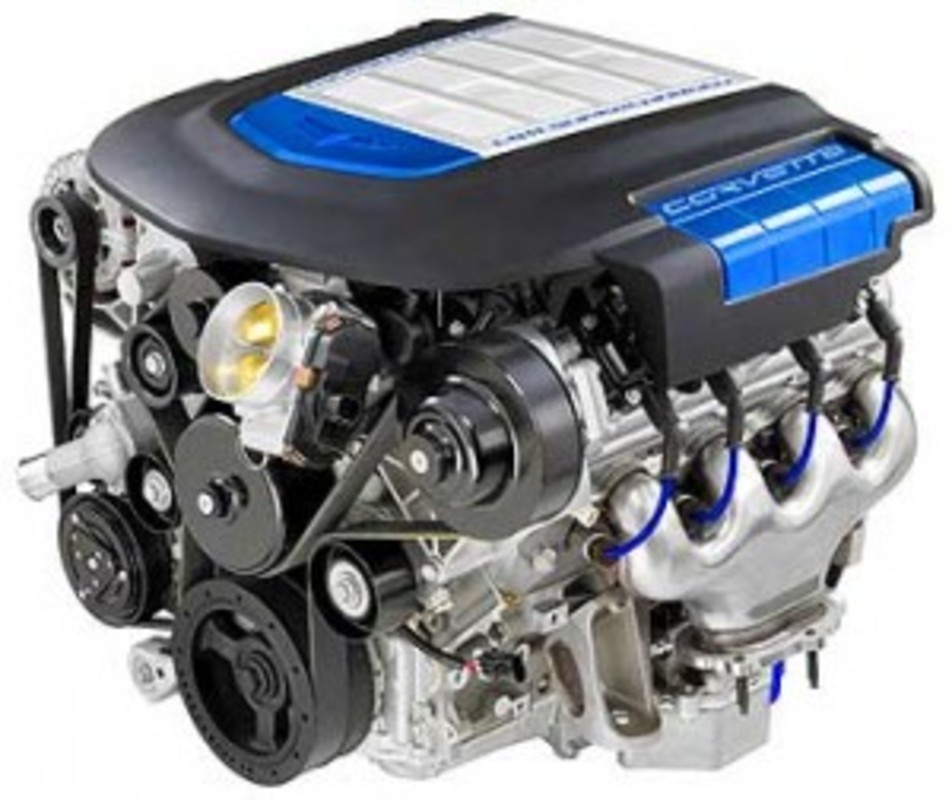
Tuning Potential
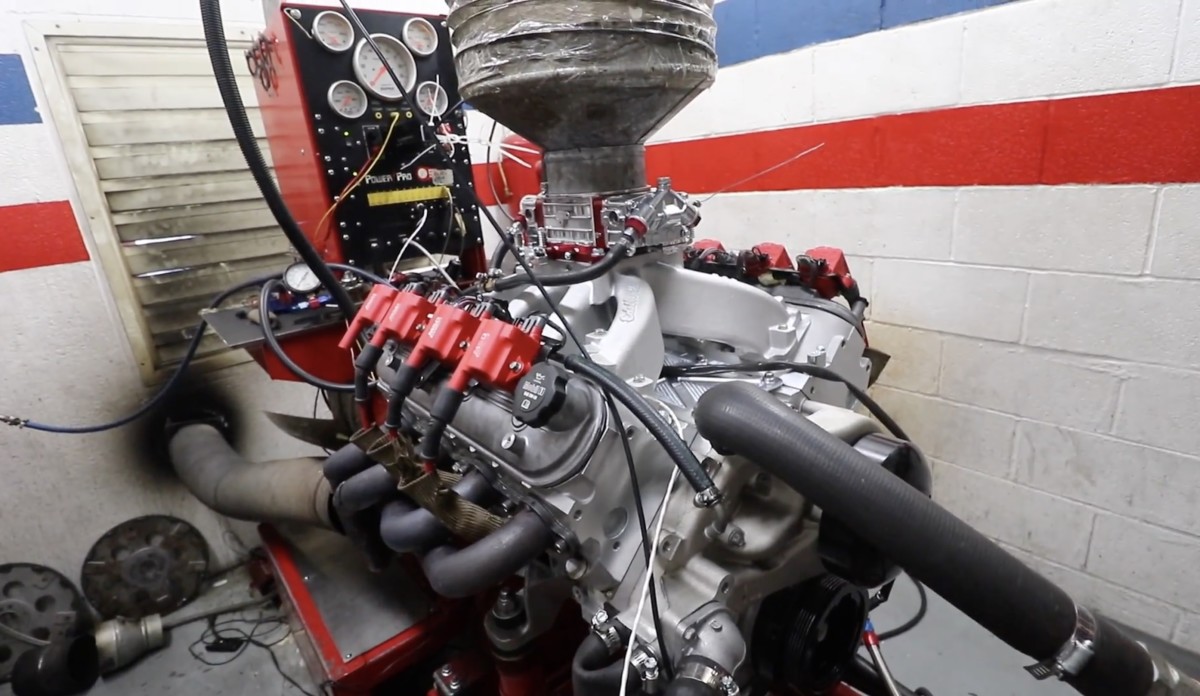
One of the defining characteristics of the LS platform, and the reason for its widespread popularity in the tuning scene, is just how well it responds to modifications. Relatively simple upgrades like intake, exhaust, and camshaft mods could unlock substantial gains, while forced-induction setups could easily take peak power to well over 600 horsepower on stock internals. Fully-built engines with forged internals regularly made over 1,000 hp, making them a popular choice for drag, drift, and time-attack builds. Consequently, we have a thriving aftermarket scene around the LS platform today, with parts easily available and tuners with the know-how to squeeze power out of them, without affecting reliability.
https://www.youtube.com/@evanshanks
The King of Swaps
Today, the LS V8s are among the most desirable engines for swaps across the world, and can be found under the hood of everything from classic American muscle cars to tiny Japanese sportscars like the Mazda Miata. It isn’t uncommon to see an LS engine even being used in off-road builds. The secret to this adaptability lies in the LS platform’s ‘outdated’ pushrod design, which makes these engines much more compact and shorter top-to-bottom than OHC engines, allowing them to fit where larger, more modern engines could not. Add to that its modular architecture and interchangeability of components across several variants, and you have the ideal motor for enthusiasts seeking reliable and affordable performance.
https://www.youtube.com/@d4a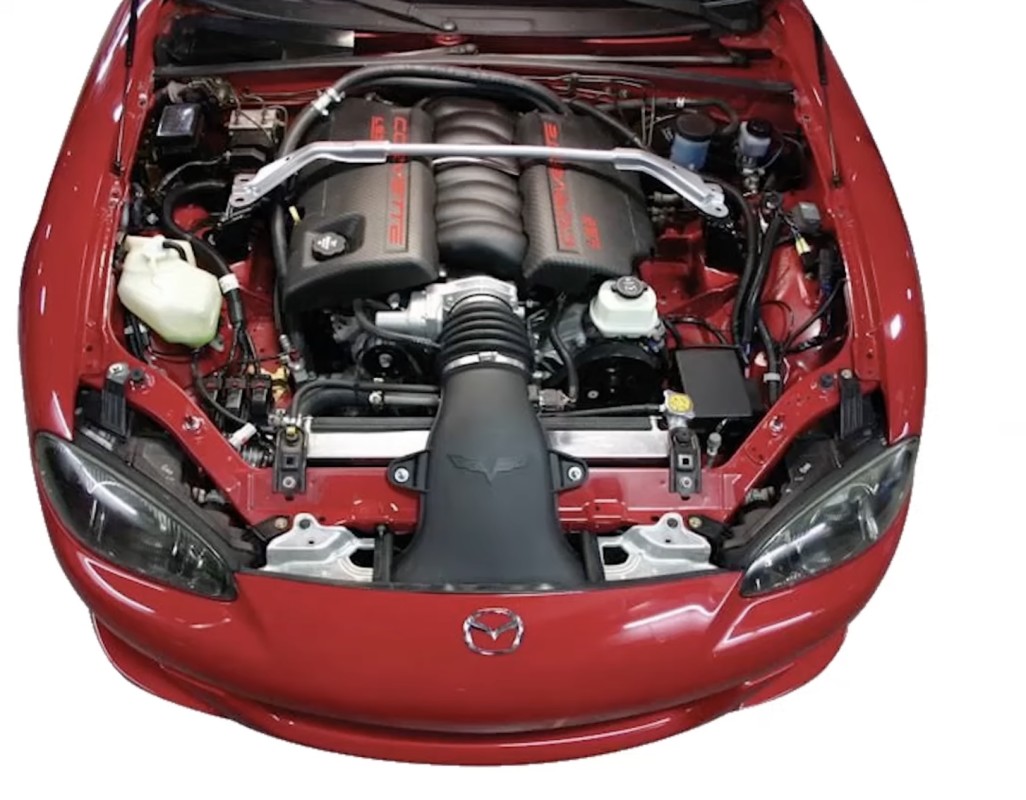
The Legacy Continues
Although GM has now moved on to newer generations of the small-block V8, the LS platform from the third and fourth generations is still extremely relevant. They are widely used in motorsport, are the preferred choice for swaps for a wide variety of builds, and are still offered as crate engines. Few engines can boast this blend of simplicity, durability, and scalability, which is why the LS platform has achieved legendary status among the enthusiast community. Its success proves that with the right engineering, even an outdated design can be transformed into a modern icon.