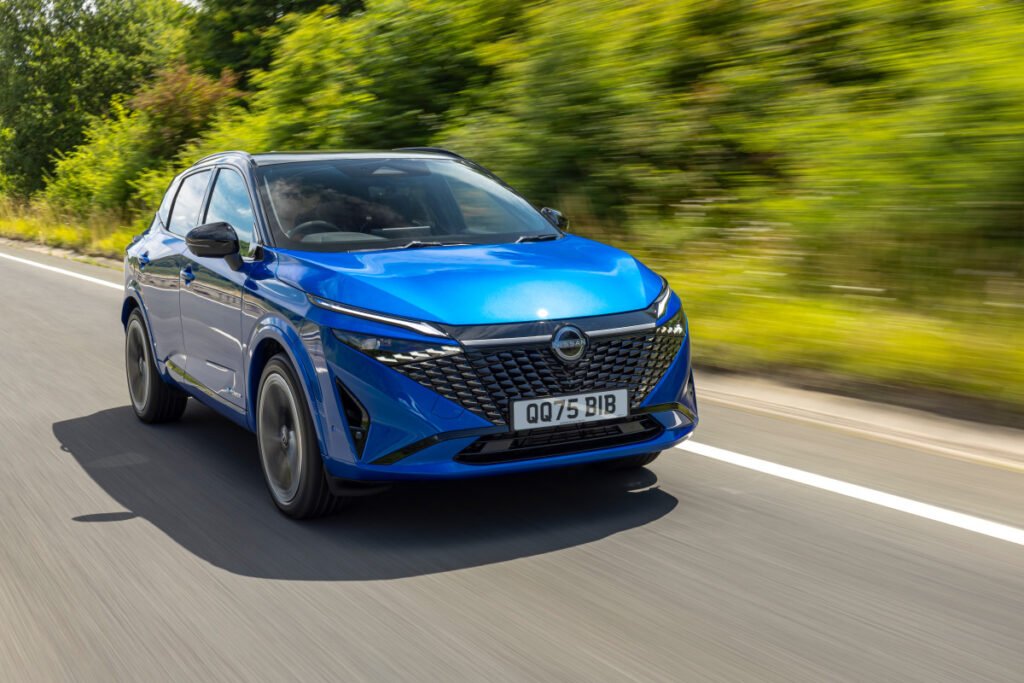
Nissan e-Power Hybrid: A Different Kind of Electrification
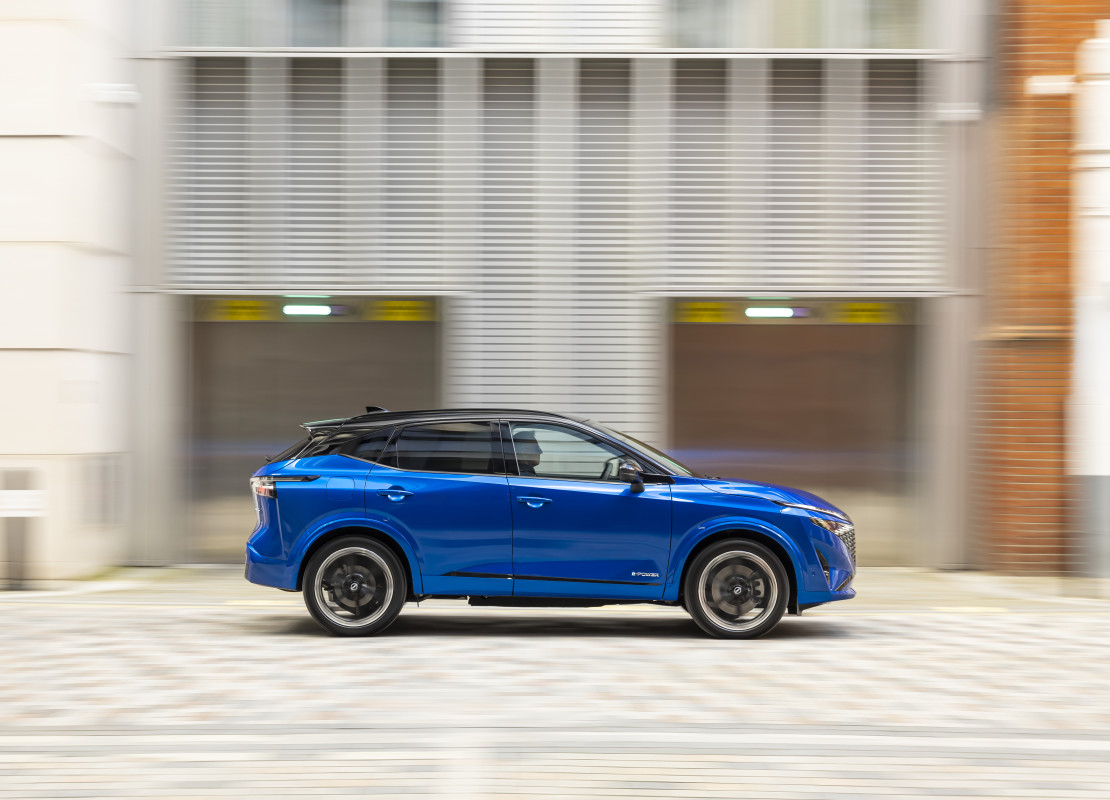
Nissan invited a group of media and influencers to Palm Springs for a mixture of destination and automotive coverage. The “Loud Value” event took place over the weekend, and was well received by media. During that visit, we were given access to the Nissan Qashqai, a vehicle not currently sold in the United States. More importantly, it came equipped with the company’s e-Power hybrid system.
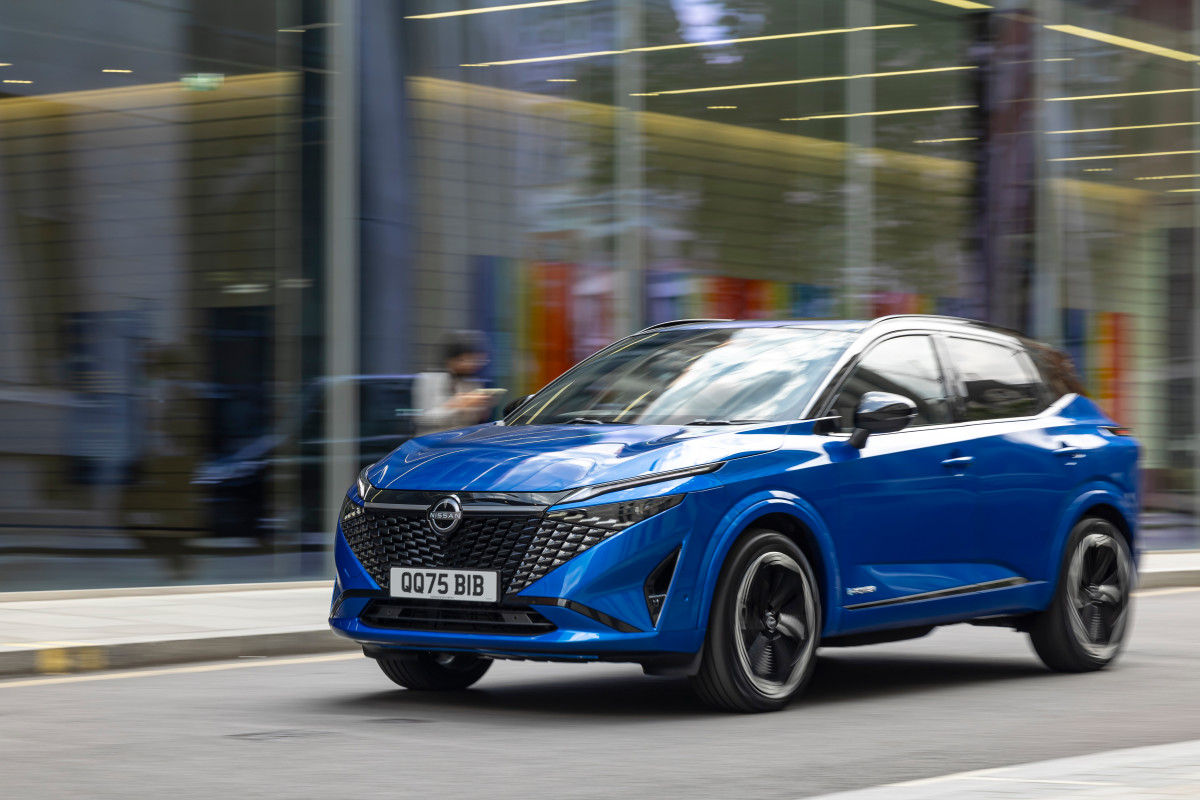
This is a big deal for Nissan. It represents a major step into the hybrid space with a system that is fundamentally different from what most competitors are offering. Even more significant, this technology is expected to debut stateside in the next-generation Nissan Rogue.
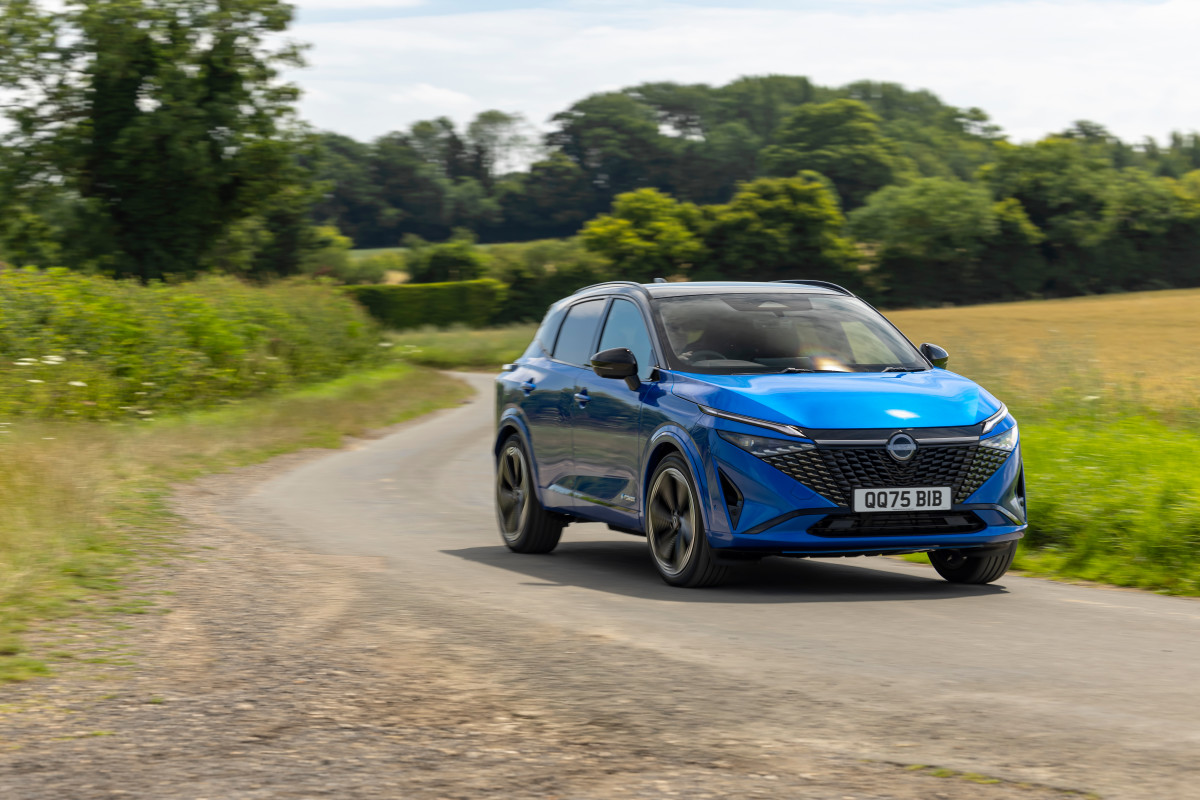
How e-Power Works: Not Your Typical Hybrid
At first glance, the setup sounds familiar. There is a 1.5-liter turbocharged three-cylinder engine, similar to what you will find in the current Rogue. But that is where the similarities end.
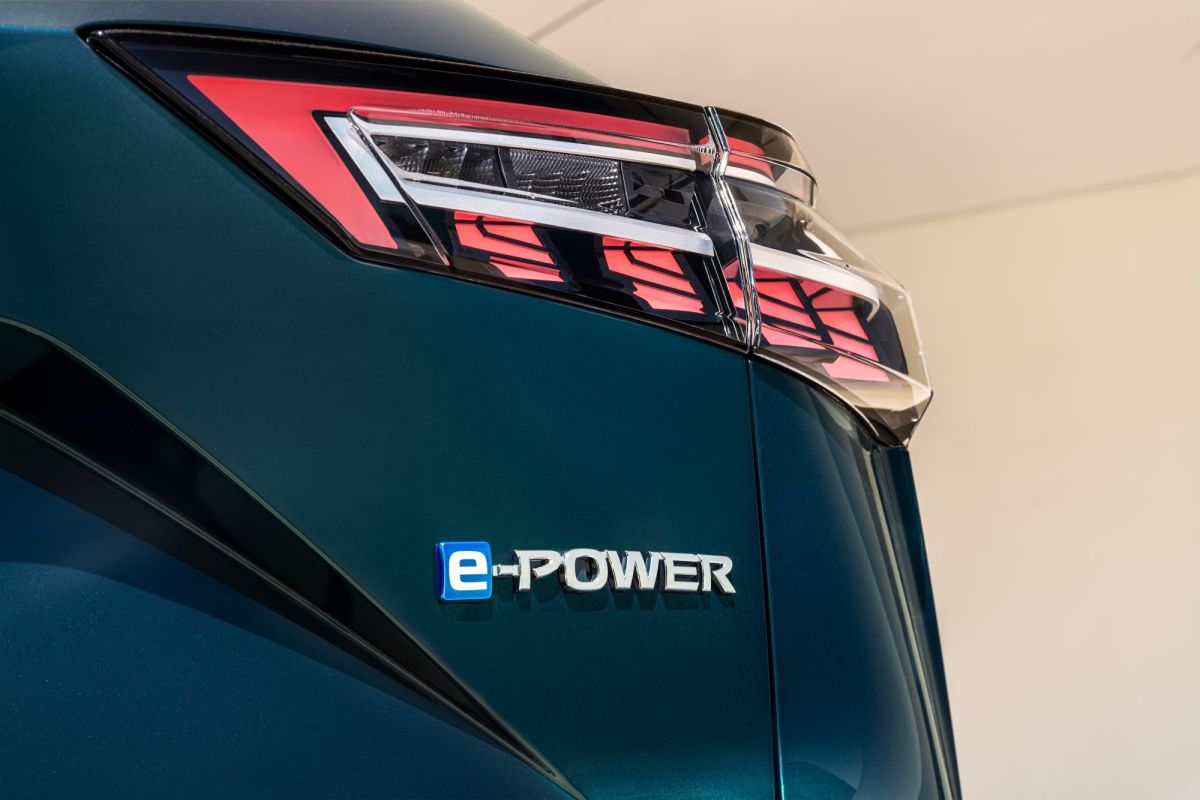
In the e-Power system, the gasoline engine never directly powers the wheels. Instead, it acts purely as a generator, producing electricity to charge a small battery pack. That battery then feeds electric motors, which drive the front wheels.
There is no mechanical connection between the engine and the drivetrain.
Think of it as an electric vehicle with a built-in generator. Many refer to this as a range extender, or REX-style system. It is technically a series hybrid, and unlike plug-in hybrids, there is no need to plug it in.
Key specs and details include:
- 187 horsepower from the electric motor system
- Approximately 60 mpg on the WLTP cycle, likely translating to mid-40 mpg in U.S. testing
- 2.1-kWh lithium-ion battery
- Roughly 12-gallon fuel tank
- Estimated range between 400 and 500 miles
- One-pedal driving mode for added efficiency and ease
It is a simple concept on paper, but one that feels quite different in practice.
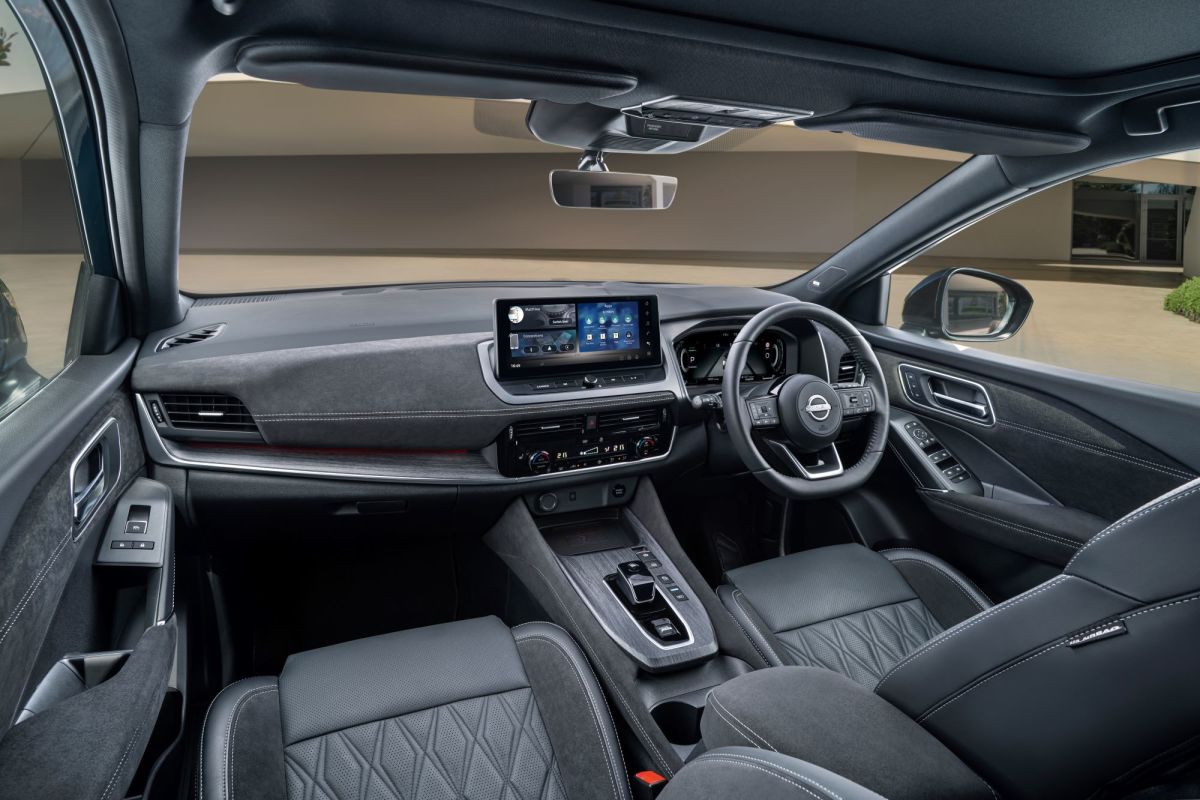
Driving the Qashqai: Surprisingly EV-Like
As I mentioned, we had the opportunity to sample the Qashqai in Palm Springs. I approached it as a preview of what future Nissan products might feel like, especially given how uncompetitive the brand has been in the U.S. hybrid space.
Right away, the system impressed.
Around town, acceleration and general driving behavior feel remarkably similar to a full electric vehicle. Power delivery is immediate and smooth, with no traditional shifting or hesitation. The gasoline engine remains mostly in the background, only becoming noticeable under heavy acceleration or when the battery needs replenishing.
Even then, the transition is relatively seamless.
If you push the system hard and begin to drain the battery, the engine stays on longer, continuously generating power to keep everything running. It is a different sensation compared to traditional hybrids, which often blend engine and motor power in more obvious ways.
Despite the added weight of the battery system, performance feels competitive with other hybrids in the segment. More importantly, it feels composed.
Palm Springs provided a fairly harsh testing environment, with high temperatures and constant air conditioning use. Even so, the system never seemed strained. I made multiple attempts to deplete the battery and force the system into a worst-case scenario, but it handled everything without issue. The engine simply kicked in and kept things topped off.
What This Means for the Next Nissan Rogue
According to Nissan, this e-Power system will make its way into the next-generation Rogue. That alone would be a major shift, but there is more. The upcoming Rogue is expected to feature an additional electric motor powering the rear axle, effectively creating an all-wheel-drive system without a traditional mechanical link between the front and rear.
If executed well, this could be a genuinely unique offering in the segment.
It would combine:
- EV-like driving characteristics
- Hybrid convenience with no charging required
- Electrified all-wheel drive
That combination is not something currently offered in the U.S. compact crossover space.
Final Thoughts: Perfect Timing or Playing Catch-Up?
The timing is interesting. The U.S. market is once again embracing hybrids in a big way, reminiscent of the late 2000s when vehicles like the Toyota Prius surged in popularity Automakers are responding quickly, but Nissan finds itself in a familiar position. While it was early to EVs with the Nissan Leaf, it never established a strong hybrid presence in the United States.
That may finally be changing.
From what I experienced, the Qashqai’s e-Power system feels like a legitimate step forward. It delivers a driving experience that leans heavily toward EV smoothness while maintaining the convenience of gasoline refueling.
Related: I Drove the 2026 Lexus TX 350 Premium AWD. Here’s My Honest Review
That said, not everything is perfect. The Qashqai’s styling, particularly the front end, feels a bit overdone, and some proportions may not appeal to everyone. If this platform underpins the next Rogue, I would expect and hope for a more conservative, broadly appealing design.
I am also curious to see how capable the upcoming all-wheel-drive system will be. If Nissan can add even modest off-road capability, it would further strengthen the package. With a projected debut of the next Rogue expected in late 2026, we will not have to wait long to see how this all comes together.
If Nissan gets this right, it could be one of the more interesting hybrid entries in years.
Related: Ranking The 5 Most Fuel-Efficient SUVs You Can Buy in 2026